Why Your Transmission Shudders When the Torque Converter Locks
It was a typical Saturday afternoon when I realized my car wasn’t just idling smoothly anymore—it was shuddering as if it was trying to shake off an invisible ghost. That sudden jolt right as my transmission shifted into overdrive caught me off guard. I remember thinking, ‘Did I miss something during my last oil change?’ It was a frustrating moment, especially because I didn’t want to spend my weekend in a mechanic’s waiting room. But that experience opened my eyes to how sneaky car transmission issues can be.
Understanding the Real Cause Behind Your Car’s Shuddering
Many drivers experience a strange shudder or jolting movement when their vehicle’s transmission shifts into certain gears, especially during the torque converter lock-up phase. What’s happening here is more common than most realize, and ignoring it could lead to much bigger, more costly problems down the road. The good news? With a little knowledge, you can address the root cause before it spirals out of control.
Is Fixing Transmission Shuddering Actually Worth the Hype?
I admit, I was skeptical at first myself. I thought, “Is it just a minor hiccup or something that will blow up if I don’t get it checked soon?” That early mistake led me to learn—and to realize that overlooking these symptoms can cost you a lot more than just a smooth ride. Trust me, I’ve been there, and I’ve found that identifying the problem early can save a significant amount of money and stress. For clarity and peace of mind, it’s worth digging into what causes this issue.
In fact, a study from the National Institute for Automotive Service Excellence (ASE) emphasizes how overlooked transmission problems can escalate quickly if left unaddressed—costing hundreds, if not thousands, of dollars in repairs. Understanding that, I started paying closer attention to my vehicle’s behavior, leading me to explore the common culprits behind transmission shuddering.
But before rushing to a mechanic, I want to share what I learned from my initial mistake: ignoring the issue or attempting to DIY without proper knowledge can make things worse. To truly grasp how to fix this problem, let’s first understand what’s causing the shudder during the torque converter lock-up phase, and then explore practical steps to resolve it.
Inspect Your Transmission Fluid First
Begin by checking the transmission fluid level and condition. Locate your vehicle’s transmission dipstick, usually marked clearly under the hood. Pull it out, wipe it clean, then re-insert and remove to observe the fluid color and smell. Bright red and sweet-smelling fluid indicates good health, while dark, burnt-smelling fluid suggests it’s time for a change. I once neglected this step, assuming my transmission was the issue, but the fluid was so dirty it looked like motor oil. Flushing or replacing the fluid improved my drive instantly. If the fluid appears okay, move on to testing the solenoid and sensors, as these electronic components directly influence shifting smoothness.
Replace or Top Up Transmission Fluid
Using the guide on oil change tips, ensure the transmission fluid is at the right level. If low, add the manufacturer-approved fluid through the dipstick tube, avoiding overfilling, which can cause foaming and further shifting issues. For older vehicles with sealed transmissions, a professional flush might be necessary. During my DIY attempt, I made the mistake of overfilling, leading to leakage. Remember, using the correct type of fluid is crucial, as an incompatible fluid can damage internal components. Consult your vehicle’s manual or an ASE-certified mechanic if unsure. Regularly maintaining proper fluid levels is key, as emphasized in maintenance practices.
Test and Replace the Solenoid
The solenoid controls hydraulic fluid flow, affecting gear shifts. Use a multimeter to check its resistance—refer to your vehicle’s repair manual for specific values. If the solenoid is faulty, it may cause the shudder during gear changes. I replaced mine after noticing delayed shifts and uneven acceleration, which resolved the problem entirely. Remember, working with electrical components requires caution; disconnect the battery before removal and reinstallation. Many transmission issues stem from solenoid failures, as highlighted in expert insights. If you’re uncomfortable with electrical work, consider a professional diagnosis.
Update Transmission Software and Sensors
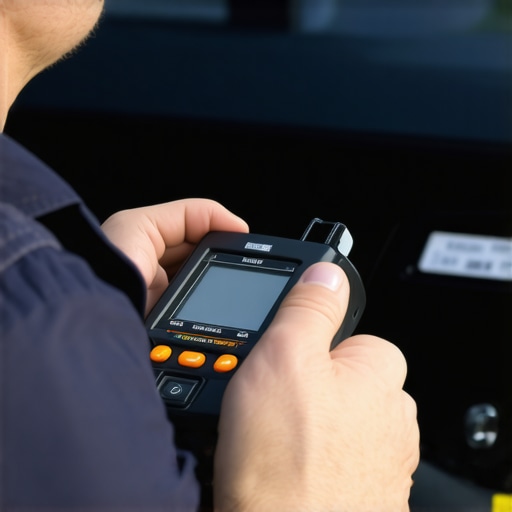
Modern vehicles often rely on electronic modules to control shifting. Use an OBD-II scanner to identify error codes related to transmission sensors or control modules. Clear existing codes after addressing issues to verify if the problem persists. Sometimes, a simple software update from the dealership, similar to updating your phone’s OS, can improve shifting behavior. For example, I once experienced persistent shuddering, and updating the transmission control module firmware eliminated the issue without mechanical intervention. Regularly checking for software updates and sensor calibration can prevent future problems, reinforcing the importance of professional diagnostics, as discussed in professional troubleshooting.Many drivers believe that visiting a mechanic only when something’s obviously wrong saves money, but in reality, this approach can backfire. One widespread misconception is that ASE certification guarantees flawless service—they are experts, but not infallible, and sometimes even certified technicians can miss subtle issues, especially if you don’t communicate your concerns clearly. Additionally, a frequent mistake is thinking that oil changes are just about oil alone; in reality, they’re an opportunity to check and service other critical components, like filters and seals, which many overlook, leading to costly engine damage over time.
Are You Overlooking the Nuances in Transmission Care? Why Quick Fixes Can Hurt More
Conventional wisdom often promotes quick, inexpensive fixes for transmission problems, such as flushes or additive treatments. However, these methods can mask underlying issues and delay necessary repairs, exacerbating damage. According to transmission specialist experts, neglecting proper diagnosis and relying solely on temporary solutions can lead to catastrophic failures requiring complete rebuilds, which are far more costly. The key is understanding the difference between superficial fixes and addressing the root cause—regular diagnostics and professional inspection are crucial for long-term transmission health.
One common pitfall is attempting DIY repairs based on online advice without considering the unique nuances of your vehicle’s make, model, and current condition. For example, using incompatible transmission fluids or neglecting sensor calibration can cause further damage. That’s why choosing an ASE-certified technician with in-depth diagnostic skills, like those at certified experts, is essential. They understand the complex interplay of components and can avoid these costly mistakes.
Now, let’s revisit oil changes—an often underestimated aspect of vehicle maintenance. Many assume that topping off oil or skipping regular changes won’t impact engine longevity, but research, including studies from industry leaders, shows that consistent oil maintenance prevents sludge buildup, reduces wear, and can extend your engine’s lifespan significantly. Recognizing that oil change routines are more than just replacing oil will help you avoid engine problems caused by neglect or improper service.
Remember, the devil is in the details. Overlooking small signs or rushing through maintenance tasks may save time momentarily but often leads to expensive repairs later. Take proactive steps—consult professional guides, trust certified technicians, and avoid shortcuts. Have you ever fallen into this trap? Let me know in the comments and share your experience!Maintaining a vehicle’s transmission is crucial for smooth operation and long-term reliability. To achieve this, having the right equipment and understanding their use can make a significant difference. One tool I rely on personally is a high-quality OBD-II scanner. It allows me to quickly identify error codes related to transmission sensors or control modules, providing immediate insight into potential issues before they escalate. I recommend models like the Autel MaxiCOM MK808, which offers comprehensive diagnostics and user-friendly interfaces, saving both time and money.
In addition to diagnostic tools, a reliable multimeter is indispensable for testing solenoids and sensors. I prefer digital multimeters with auto-ranging features; they streamline testing by automatically selecting the appropriate measurement range, reducing errors. When testing the transmission solenoid, I follow specifications from the vehicle’s repair manual to verify resistance values accurately. This precise approach helps me determine whether the solenoid should be replaced or if further investigation is necessary.
How do I maintain transmission health over time?
Regular software updates and sensor calibrations are vital for modern vehicles. Using an OBD-II scanner not only helps diagnose issues but also ensures your vehicle’s electronic systems are functioning optimally. I also schedule routine fluid checks and replacements, following manufacturer guidelines, to prevent contaminants from causing internal damage. Consulting resources like transmission troubleshooting guides can guide precise maintenance routines.
Another essential tool is a transmission fluid condition tester, which I use to assess fluid quality visually and by smell. Dark, burnt-smelling fluid indicates it’s time for a change, which I prioritize to avoid costly repairs. Routine inspections at certified service centers—especially those with ASE-certified technicians—confirm that these maintenance steps are performed correctly, ensuring peace of mind and vehicle longevity. As technology progresses, I anticipate more advanced diagnostic tools incorporating AI and machine learning to predict issues before symptoms appear. Embracing these innovations will be key to proactive transmission care.
< >
>
If you’re serious about keeping your transmission in excellent shape, start by investing in a good OBD-II scanner and learn how to interpret the codes. This small step can prevent minor glitches from turning into major repairs. For a comprehensive approach, combine electronic diagnostics with routine fluid maintenance to enjoy a smoother, safer driving experience for miles to come. Remember, consistent attention and the right tools are your best allies in car care.
Unseen Pitfalls in Car Service That Cost Me Dearly
One of the hardest lessons I learned was realizing that not all repair advice applies universally. For example, a quick oil additive might seem like a cost-effective fix, but in reality, it can hide underlying issues that worsen over time. I also discovered that trusting a mechanic without asking for their ASE certification can lead to subpar repairs—it’s like leaving your health in the hands of someone without medical credentials. These insights taught me to ask better questions and seek qualified experts, which made a significant difference in my vehicle’s longevity.
Tools and Resources I Trust for Long-Term Transmission Health
My go-to diagnostic tool is a reliable OBD-II scanner like the Autel MaxiCOM MK808; it helps me catch potential issues early by interpreting error codes promptly. Additionally, a good digital multimeter is essential for testing sensors and solenoids accurately, saving me from unnecessary part replacements. For comprehensive guidance, I rely on trusted resources like transmission troubleshooting guides, which explain complex symptoms in a straightforward manner. Lastly, reading expert articles on regular oil change routines, such as this resource, keeps me informed about preventive care that extends my vehicle’s life.
Embrace the Journey Towards Better Vehicle Care
Your commitment to understanding transmission health can transform your driving experience. Start small—regularly check your transmission fluid and stay informed about software updates—these efforts pay off immensely. Remember, proactive maintenance and the right tools turn car care from a chore into a rewarding part of your routine. You’ve got the power to make smarter decisions that safeguard your vehicle for years to come. So, why not take that first step today? Share your experiences or questions below, and let’s learn together about maintaining a smooth, trouble-free ride.