How to Know if Your ASE Technician is Master Certified
It was a hot summer afternoon when I finally decided to get my aging sedan checked out after a rough week of unpredictable engine stalls and squeaking brakes. Walking into the shop, I felt a familiar sinking feeling—trusting a mechanic fully is always a leap of faith. But what really set my nerves on edge was wondering, “Is this technician qualified to handle my car, or am I just hoping for the best?” That moment sparked a lightbulb in my head: how can I confidently tell if my ASE technician is truly Master Certified?
Understanding the Certification Difference
As a car owner, I’ve learned that not all certifications hold the same weight. The ASE (Automotive Service Excellence) certification is a respected standard in the industry, but within that, there’s a special level called the Master Technician. Achieving this status isn’t just a badge; it’s a testament to a technician’s extensive knowledge, experience, and commitment to quality. Knowing whether your mechanic has this level makes all the difference—your vehicle’s safety and longevity depend on it.
Is the Certification Actually Worth the Hype?
Early in my experience, I fell for the misconception that any ASE certification guarantees top-tier quality. I made the mistake of trusting a shop solely based on a partially Certified technician and ended up with a subpar repair. It wasn’t until I researched a bit more that I found that only technicians with multiple ASE certifications, having passed all required tests and gained years of practical experience, qualify as Master Technicians. Studies show that ASE Master Technicians are more likely to provide reliable repairs, which can save you money in the long run (source: https://autofixclinic.com/what-does-an-ase-certification-mean-for-your-cars-maintenance).
Have you ever questioned the skill level of your mechanic beyond just their words? If so, you’re not alone. Recognizing the signs of a qualified professional can help you avoid costly mistakes and ensure your vehicle gets the care it deserves. Next, I’ll share practical tips to identify a true ASE Master Tech — so you can drive with confidence, knowing your car is in good hands.
Check Their Certification Credentials Directly
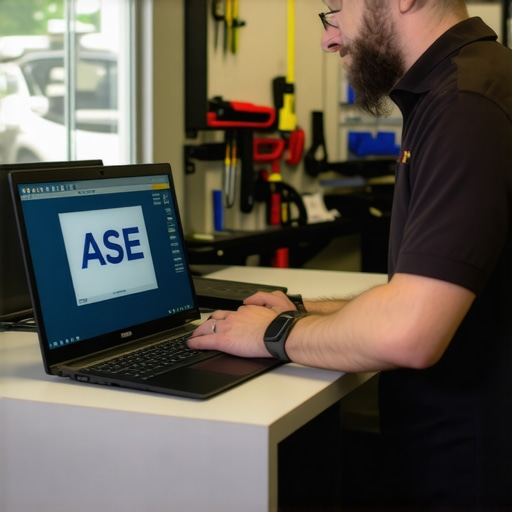
Request a copy of the technician’s ASE Master certification and verify its validity on the official ASE website. When I visited a shop for my sedan, I politely asked to see the certificates displayed prominently. Seeing the actual credentials, I used my phone to verify the certification number, which reassured me about their expertise. This step is like checking a chef’s culinary degree before tasting their dish—simple but crucial for trust.
Observe Their Troubleshooting Approach
A seasoned Master Tech explains diagnostics step-by-step, consistently referencing vehicle manuals or technical bulletins, much like a skilled mechanic referencing transmission troubleshooting guides (see here for expert tips). I once watched a technician methodically examine the transmission fluid with a diagnostic scanner, then cross-checked findings with live data, revealing a deep understanding that a novice wouldn’t display. This practical demonstration confirms they know their craft beyond certifications.
Assess Their Communication and Transparency
True master technicians clarify complex issues in simple terms, helping you understand repairs. When my mechanic explained the importance of a proper oil change (read more here), he used an analogy of blood circulation for the engine, making it easy to grasp. During my visit, he showed me the worn-out transmission fluid and explained how dirty oil impacts overall performance. Such transparency indicates a high level of professionalism and expertise.
Request Specific Service Histories
Ask the technician about previous repairs and their experience with similar vehicles. A Master Tech will readily share detailed service logs and diagnostic results, akin to a doctor reviewing your medical history before treatment. I once visited a shop where the technician reviewed the vehicle’s maintenance records, including recent transmission fluid changes, confirming they were well-versed with my car’s needs. This attention to detail is a strong sign of mastery.
Investigate Shop Reputation and Customer Feedback
Online reviews and word-of-mouth are invaluable. I checked online forums and the shop’s reviews to ensure they regularly handle complex repairs with high customer satisfaction (contact us for consultations). Consistent praise for transmission fixes or oil service suggests they have master-certified technicians on staff who deliver quality results. Remember, a shop’s reputation often mirrors the expertise of its technicians.
Evaluate Their Use of Up-to-Date Tools and Techniques
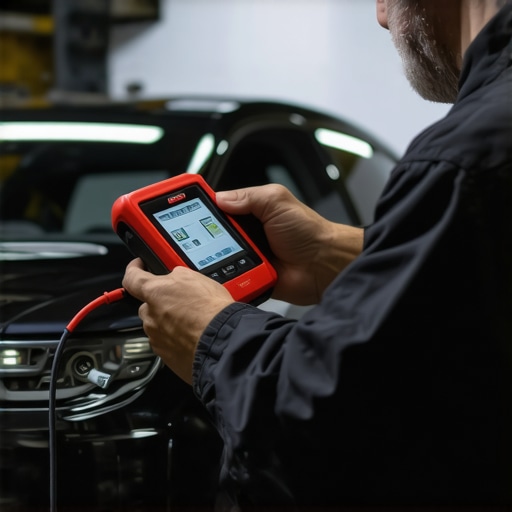
Master technicians invest in modern diagnostic tools and stay updated with industry advancements. When I observed a technician using a state-of-the-art scan tool to diagnose my vehicle, I understood the importance of current technology—much like a mechanic using a computer rather than a flashlight for complex issues (more on selecting the right service). This commitment to ongoing learning is a sign of a truly qualified professional.
Many car owners believe they fully understand vehicle maintenance, but in reality, some misconceptions can lead to costly mistakes. For example, everyone assumes that just any ASE certification guarantees expert-level service, but this isn’t always true. The ASE (Automotive Service Excellence) badge indicates a certain level of competency, but achieving Master Technician status requires passing multiple rigorous tests and extensive practical experience. Relying solely on the certification without verifying the technician’s actual credentials can be a trap. When I visited my mechanic, I made it a point to see their ASE Master certification and verified their credential online, which provided peace of mind and prevented potential misdiagnoses.
Another common myth is that an oil change is a simple task that anyone can do at home. While this may be true for basic vehicles, advanced engines with variable valve timing and complex oil filtration systems require precise procedures. Topping off oil without checking its level first or using incorrect oil types can accelerate engine wear or cause overheating. Regular oil changes are crucial, but understanding the type of oil your car needs and adhering to proper intervals ensures maximum engine longevity. For instance, using synthetic oil in high-rev engines can offer better protection—learn more about choosing the right oil at this guide.
Many drivers underestimate the importance of transmission health, often ignoring subtle warning signs until it’s too late. A frequent mistake is assuming that dark-looking transmission fluid indicates it’s time for a flush, but sometimes, dark fluid isn’t harmful if it doesn’t smell burnt. The real issue arises when the fluid is contaminated with particles or has a burnt smell, signaling internal wear or overheating—a nuance many overlook. Manufacturers recommend transmission fluid analysis during regular maintenance to catch issues early. To learn how to spot a failing transmission before breakdown, visit this resource.
What about car service frequency? Many think that waiting longer between oil changes and routine checks saves money, but this is a dangerous misconception. Modern vehicles often require more frequent inspections, especially with high mileage or extreme driving conditions. Skipping inspections can hide issues such as worn-out belts, brake problems, or cooling system leaks that, if left unaddressed, lead to expensive repairs. A proactive approach, with regular service based on vehicle usage rather than arbitrary timeframes, can prevent breakdowns and extend your car’s lifespan. Check out this article for detailed maintenance schedules.
Harnessing the right knowledge about these nuances can save you significant money and safety risks down the road. Don’t fall for myths or superficial assurances—be proactive, verify credentials, and understand your vehicle’s needs. Have you ever fallen into this trap? Let me know in the comments and share your stories.
Equip Yourself with Precision Tools to Ensure Long-Term Performance
As a dedicated car enthusiast and professional, I rely on specific diagnostic and maintenance tools that go beyond basic equipment. One essential device I personally use is the OBD-II scan tool with real-time data capabilities. Unlike generic scanners, mine allows me to monitor live sensor readings, detect pending codes, and even reset the engine control unit (ECU) with precision. For example, I use the Autel MaxiCOM system because it provides comprehensive coverage for various vehicle makes, including complex transmission diagnostics, which I regularly review at this resource. Having these insights helps me preempt issues before they escalate, saving time and money.
Software That Keeps Diagnostics Clear and Actionable
Software is just as critical as hardware. I recommend AutoEnginuity, a diagnostic application that interfaces seamlessly with most scan tools, offering programmer-like access to advanced modules. It excels in reading manufacturer-specific codes, particularly in the realm of transmission control modules, ensuring you’re not missing hidden faults, which could lead to costly repairs, as discussed in this article. I routinely perform software updates and calibration routines using OEM-specific tools, which is becoming increasingly vital as vehicles evolve toward integrated electronic systems.
How do I keep my tools effective over time?
Regular calibration and firmware updates are non-negotiable. I set quarterly reminders to update my diagnostic software and ensure my scan tools are calibrated according to manufacturer specifications. Additionally, storing equipment in a controlled environment prevents corrosion or damage. I also invest in quality test leads and adapters—cheap alternatives often lead to inconsistent readings and misdiagnoses. Remember, a reliable diagnostic process depends on both the right tools and their proper maintenance. As vehicle technology advances, I predict that integrating AI-powered diagnostics into these tools will soon become standard, making the process more intuitive and accurate.
How do I maintain transmission health with these tools?
One of my favorite practices is performing transmission fluid analysis using professional-grade testers. This helps detect early warning signs of internal wear or contamination that aren’t visible to the naked eye. For in-depth guidance, visit this resource. Using this data, I can schedule preventative maintenance like fluid exchanges or applying additive conditioners, which extend component life and improve shifting smoothness. Instead of waiting for symptoms to appear, proactive diagnostics empowered by good tools keep vehicles on the road longer and perform better.
To truly optimize your vehicle’s longevity, I recommend trying out an advanced diagnostic routine—especially performing a transmission fluid analysis. Investing in the right tools and maintaining them properly ensures you catch issues early, ultimately saving you thousands in repairs and downtime. Embrace technology, stay proactive, and keep your vehicle reliable for years to come!
Lessons That Changed How I Trust My Car’s Care
- My biggest eye-opener was realizing that a certification isn’t a guarantee, but a starting point—always verify credentials directly and observe troubleshooting techniques to truly gauge expertise.
- Consistency in using up-to-date diagnostic tools and staying informed about new industry practices makes me feel like I control my vehicle’s health rather than wonder about mysterious issues.
- Personal experience taught me that transparency and detailed explanations from technicians build confidence; I now see transparent communication as a hallmark of mastery.
My Roadmap to Reliable Auto Knowledge
- I swear by tools like the state-of-the-art diagnostic scanners because they empower me to diagnose issues early and accurately.
- The book “The Complete Guide to ASE Certification” broadened my understanding and helped me appreciate the depth of technician expertise.
- Staying current with industry blogs, particularly recurring maintenance tips, keeps me prepared for proactive vehicle care.
- I trust reputable shops with verified reviews because reputation often reflects real-world expertise and customer satisfaction.