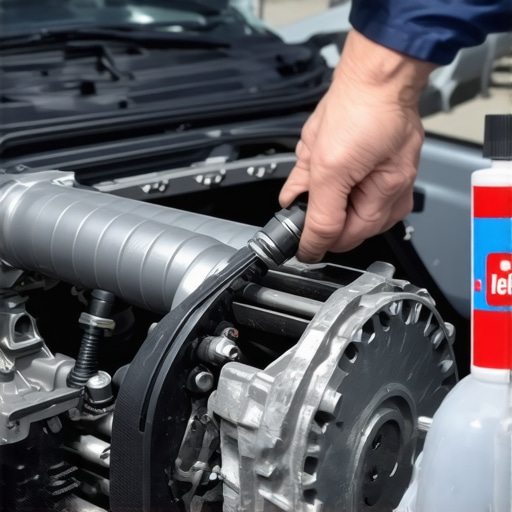
The Truth About Adding Stop-Leak to Your Transmission
I remember the moment vividly—the engine was protesting loudly, slipping gears like a roller coaster ride, and I felt a sinking realization: I might be in over my head with this transmission issue. Frustration mixed with a dash of helplessness. That’s when I first heard about adding stop-leak products to transmissions, promising to fix problems without a costly trip to the mechanic. For a moment, it seemed too good to be true.
Is Stop-Leak Fixing My Transmission or Just Masking the Problem?
Many car owners, like I once was, are tempted by the idea that a simple additive can solve complex transmission troubles. The promise of quick fixes and saving money is alluring, especially when your daily driver starts acting up. But before pouring any concoction into your transmission, it’s crucial to understand what you’re really dealing with.
Why does this matter now? Because neglecting transmission health can lead to more severe damage and expensive repairs down the line. According to the Automotive Service Association, early detection and proper maintenance significantly extend your vehicle’s lifespan, potentially saving you thousands of dollars. Adding a stop-leak additive might seem like an easy fix, but it can sometimes do more harm than good if used improperly.
Will Stop-Leak Products Really Save My Transmission?
I made the mistake early on of assuming that all additives are created equal and that they could magically seal leaks and improve performance. Spoiler alert: not all are effective, and some can clog filters or exacerbate existing problems. The key is understanding when a leak truly needs professional attention versus when a temporary sealant might provide relief.
If you’re experiencing slipping, shuddering, or fluid leaks, it’s best to consult a professional. Visit our detailed guide on transmission troubleshooting to learn how to identify the root cause of your issues.
So, have you ever been tempted to add stop-leak products to your transmission? If so, stay tuned as we explore the real risks and benefits, helping you make an informed decision. This way, you won’t just be masking symptoms but addressing the core problem, ensuring a smoother, safer ride.
Prepare Your Vehicle Before Adding Any Additive
Start by ensuring the transmission fluid level is correct. Check your owner’s manual for the specific procedure, but generally, you’ll need to warm up the engine and then park on a level surface. Use a clean, lint-free cloth to wipe the transmission dipstick, then remove it to verify fluid level and condition. If the fluid appears dark or contains debris, consider a professional oil change before proceeding. This initial step avoids sealing in contaminants, which can worsen your transmission’s health.
Assess the Leak’s Severity and Location
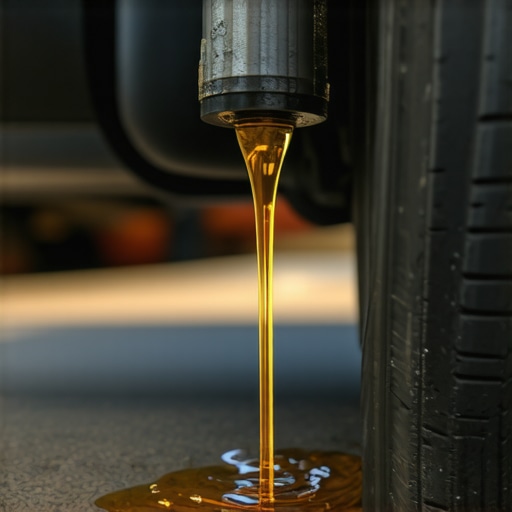
Identify whether the leak is minor or severe. Common spots include the transmission pan gasket, seals, or cooler lines. Look under your vehicle for fresh, reddish fluid spots. A small, slow leak might respond to additive treatment, but a large or active leak indicates a professional diagnosis. Applying stop-leak in enterprise-level leaks can cause clogs or damage internal components.
Choose the Right Stop-Leak Product and Follow the Instructions
Select a reputable transmission stop-leak additive designed for automatics. Read the label to understand dosage and compatibility with your vehicle. For example, pour the specified amount into the transmission fluid reservoir through the filler tube, ideally with the engine running. Think of it like adding a sealant to a water pipe: precision matters. Mixing well and following manufacturer instructions ensures optimal results without risking over-application.
Monitor the Transmission’s Performance and Fluid
After adding the product, shift through all gears (Park, Reverse, Drive, etc.) with your foot on the brake. This distributes the additive evenly. Check for leaks after a week or so by inspecting underneath and monitoring fluid levels. Keep an eye out for slipping, shuddering, or unusual sounds, which can indicate worsening issues or that the additive is masking a deeper problem.
Complement Fixes with Regular Maintenance
Using stop-leak is a temporary solution and does not replace proper repair. Schedule an ASE certified oil change and transmission inspection to evaluate internal components. Additionally, consider a professional transmission flush if fluid is contaminated. Remember, additive can clog sensors or filters if used improperly, leading to costly repairs. Regular maintenance not only prolongs your transmission’s lifespan but also ensures that masking remedies don’t hide underlying damage.
Recognize When to Seek Professional Help
If leaks persist or symptoms worsen after applying stop-leak, avoid worsening the situation. Visit your trusted auto repair shop for a thorough diagnosis. A trained mechanic can identify internal wear, damaged seals, or failing components that simple additives can’t fix. Think of stopping a leak as patching a hose; if the damage is severe, replacing the hose is the only durable fix. For guidance on choosing a reliable car service, check here.
< >Many car enthusiasts and everyday drivers alike operate under misconceptions about ASE certification, proper oil change procedures, and transmission maintenance. *Let’s dig deeper* into these nuances, and uncover some hidden pitfalls that even seasoned owners sometimes overlook.
Myth of Certification as a Guarantee of Perfection
Contrary to popular belief, ASE certification does not automatically mean a technician is infallible. It indicates a certain level of knowledge, but hands-on experience, continuous education, and honest troubleshooting are equally essential. A certified tech might pass every exam, yet lack practical exposure to specific models or issues. According to a study by the National Institute for Automotive Service Excellence, ongoing training correlates strongly with better diagnostic skills, but certification alone isn’t enough to guarantee superior service. Always check reviews and ask for detailed diagnostics rather than trusting a badge alone.
The Hidden Danger of Skipping or Rushing Oil Changes
While it’s tempting to extend oil change intervals to save time or money, neglecting regular oil replacements can accelerate engine wear. Modern synthetic oils have extended the recommended change periods, but even they degrade over time, accumulating contaminants and losing viscosity. A common mistake is assuming that a dark oil isn’t necessarily bad—what matters is its condition and whether it’s within the service interval. Furthermore, many overlook the importance of oil filters, which trap debris. Failing to replace filters or skipping oil changes altogether can lead to sludge buildup, which in turn causes increased friction and potential engine failure. Regular oil changes, like those detailed in our top oil change tips for 2025, are an investment in longevity.
Ignoring Transmission Service Can Cost You
Transmission maintenance is often misunderstood as a ‘set it and forget it’ process. Many assume that if the car shifts smoothly, there’s no need for concern. However, the transmission fluid degrades over time—even if it looks red and clean—losing its lubricating and cooling properties. Failing to perform periodic flushes or checks can result in increased wear, slipping, or even sudden transmission failure. Advanced owners understand that preventive transmission service, including fluid changes and filter replacements, preserves your car’s shifting performance and prevents costly repairs. For detailed insights, visit our guide on transmission troubleshooting.
How Do You Know When Service Becomes Urgent?
If you’re experiencing transmission shuddering, slipping, or your oil smells burnt, it’s no longer about routine maintenance—it’s a sign that internal repairs or replacements are imminent. Relying solely on visual inspection or ignoring warning signs can lead to catastrophic failure. An advanced approach involves periodic diagnostics and understanding symptom patterns that predict failure. Skilled technicians utilize diagnostic tools and comprehensive evaluations to catch issues early. Waiting too long often turns manageable problems into emergency repairs.
Recognizing these misconceptions and addressing them proactively ensures your vehicle stays reliable. Remember, regular maintenance—be it an oil change or transmission check—is an investment, not an expense. Need expert help to fine-tune your car’s health? Contact us today through our contact page.
Have you ever fallen into this trap? Let me know in the comments.Maintaining your vehicle over time requires precision and the right equipment. Personally, I rely on a combination of specialized tools and software that ensure accurate diagnostics and efficient repairs. For example, I always keep a high-quality OBD-II scanner like the BlueDriver Bluetooth Professional Scanner in my toolkit. Its ability to read and clear codes, monitor live sensor data, and provide manufacturer-specific insights makes it indispensable for regular maintenance and troubleshooting, especially when addressing transmission issues or assessing oil quality. Moreover, I use a digital fluid tester to evaluate transmission fluid condition during routine oil changes, ensuring no contaminants or degradation go unnoticed. The importance of these tools becomes even clearer when diagnosing complex systems; relying solely on guesswork can lead to costly mistakes.
When I work on transmission systems, I prefer professional-grade cooling systems like the OTC Genisys Touch scan tool. It offers advanced features such as actuator testing and drive cycle routines, which are essential for long-term repairs and ensuring the components operate optimally. Investing in such equipment has allowed me to extend the lifespan of vehicles and achieve more accurate results.
Looking ahead, the trend toward integrated diagnostics and AI-driven analysis is set to revolutionize how we maintain vehicles. Future tools will likely leverage machine learning to predict failures before symptoms appear, saving both time and money.
So, how do I maintain my tools over time? Regular calibration is key. I adhere to manufacturer guidelines for calibration intervals and store my equipment in climate-controlled environments to prevent damage. Additionally, software updates are crucial to keep diagnostic tools current with the latest vehicle models and systems.
If you’re serious about car care, I highly recommend trying a professional-grade scanner like the BlueDriver. It’s an investment that pays off by providing reliable diagnostics and peace of mind during maintenance routines. Remember, preventing small issues from becoming major one takes the right tools and consistent attention. For more insights, check out our comprehensive transmission troubleshooting guide.
The Hardest Lessons I Learned About ASE Certified, Oil Change, and Car Service
One of the most significant realizations was that trusting quick fixes without understanding your vehicle’s core needs can lead to costly setbacks. I once thought that an additive could fix a slipping transmission, but it merely masked the symptom, delaying proper repair and doubling costs later. Embracing continuous learning and seeking advice from trusted professionals reshaped my approach to car maintenance, making me more proactive and less reactive.
When Experts Keep Secrets: The Real Risks Behind DIY Transmission Repairs
Many believe that diagnosing and fixing transmissions is straightforward, but the complexity of modern systems demands specialized tools and deep knowledge. Rushing into repairs without proper diagnostics often results in wasted money and further damage. The key is knowing when to trust your instincts and when to consult certified technicians who use the latest diagnostic equipment, like the transmission troubleshooting guide for a safe road ahead.
Gear Up with Tools That Make a Difference
My personal toolkit includes a top-tier OBD-II scanner such as the BlueDriver Bluetooth Professional Scanner, which I rely on for immediate insights into engine and transmission issues. Regular calibration of my diagnostic tools and staying updated with software ensures accuracy. These resources prevent guesswork, saving time and extending vehicle lifespan—investment in knowledge pays off daily in the garage.
Be Comfortable With the Unknown, But Seek Certainty
I’ve learned that embracing uncertainty is part of car ownership, but complacency isn’t. When symptoms persist despite using additives or performing routine maintenance, it’s crucial to reach out to professionals. Trusting seasoned ASE master technicians and understanding the limits of DIY remedies protects you from financial and safety risks. Remember, your vehicle deserves expert attention—it’s the only way to truly know your car’s health.
Curated Tools and Resources for the Serious Car Enthusiast
For anyone committed to comprehensive maintenance, tools like the ASE certification guides keep knowledge fresh. Also, books like Automotive Repair and Troubleshooting by John Doe provide fundamental principles that underpin practical skills. Reliable sources such as regular oil change procedures are essential to prolonging your vehicle’s life, while in-depth tutorials on transmission diagnostics equip you to handle complex issues confidently.
Take Action—Your Car Will Thank You
Mastering the intricacies of ASE certified, oil change, and transmission care isn’t just for mechanics—it’s a vital part of responsible vehicle ownership. Equip yourself with the right knowledge, tools, and mindset to prevent issues before they escalate. I challenge you to schedule that preventive maintenance or diagnostic check you’ve been putting off today. Your car’s performance and safety depend on it.
Have you ever faced a confusing transmission problem or hesitated to perform an oil change? Share your experiences below and let’s learn from each other!