Stop Ignoring That Whining Noise from Your Power Steering Pump
It was late afternoon when I first heard that irritating whining coming from under my hood. I was about to head out for an evening drive, but that persistent squeal instantly set my nerves on edge. I’d ignored similar noises before, convincing myself it was just a belt or something minor. But this time, I realized I’d been playing a dangerous game with my car’s health. That lightbulb moment made me dig deeper, and what I discovered could save your wallet and keep your drive smooth.
Why That Whining Noise Might Be a Sign of Trouble
Many drivers dismiss that high-pitched squeal as noise pollution rather than a warning sign. But trust me, ignoring it isn’t just risking an annoying sound; it can lead to costly repairs down the line. When I finally took my car to a trusted ASE certified technician, I learned that whining from your power steering pump often indicates low hydraulic fluid, a worn-out pulley, or even a failing pump itself. All of these issues, if neglected, can cause steering to become unresponsive or even lead to complete failure, creating safety hazards.
Addressing the problem early not only prevents breakdowns but also preserves the longevity of your steering components. Regular checks and maintenance can keep everything running smoothly. Curious if your steering noise is just a minor fix or a sign of something more serious? Well, understanding the root cause is key. For comprehensive tips on keeping your vehicle in top shape, visit Top Oil Change Tips for Safe Driving in 2025.
Is That Whining Actually Worth the Hype?
I admit, I was skeptical at first. I thought, “It’s just a minor noise; I’ll deal with it later.” Early mistakes like neglecting routine checks led me to this wake-up call. It’s easy to brush off these sounds as normal wear and tear, but many times, they signal something more urgent.
Realistically, I learned that proactive maintenance — like regularly inspecting power steering fluid levels and listening to what your car is telling you — can save you hundreds. If you’re like me, you’ve probably made the mistake of ignoring subtle signs of wear, thinking it’s not a big deal. But the truth is, those signs are your vehicle’s way of communicating—don’t silence the message.
By catching issues early, you can avoid expensive repairs and ensure your safety on every trip. If this sounds familiar or if you’ve faced a similar situation, keep reading. Next, I’ll walk you through simple, practical steps to diagnose and fix that squeal once and for all, so your car remains reliable and safe.
Check Your Power Steering Fluid First
Pull over safely and locate your reservoir—usually a small tank with a cap labeled “Power Steering”. Remove the cap and inspect the fluid level—if it’s low, top it off with the recommended hydraulic fluid. Low fluid often causes whining sounds. Remember, using the wrong fluid can damage your pump; consult your owner’s manual or visit our contact page if you’re unsure. During my own fix, I realized I had neglected regular fluid checks, which caused some initial squeals, but topping off and replacing old fluid resolved the noise.
Inspect the Power Steering Belt
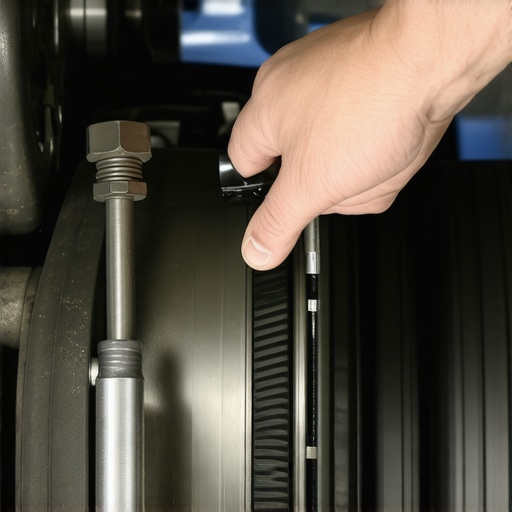
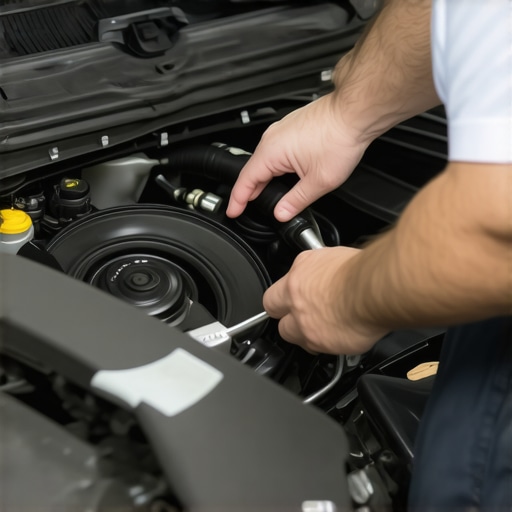
Open your hood and look at the belt driving the pump. If it’s cracked, glazed, or loose, it can slip and produce squealing. Using a wrench, gently press on the belt—if it deflects more than half an inch, it’s worn out. Replacing a belt is straightforward: loosen the tensioner pulley, slide off the old belt, and install a new one, making sure it seats properly on all pulleys. I replaced my belt following a quick tutorial, which took less than 20 minutes, and immediately noticed the squeal vanished.
Examine the Pulley and Pump
Next, check the pulley for wobbling or misalignment. Spin the pulley—if it’s wobbly or makes grinding noises, the bearing may be worn. If the pulley looks fine but the pump continues to whine, the pump itself might be failing. In that case, consult an ASE certified technician—these mechanics have verified expertise, ensuring proper diagnosis. I scheduled a professional inspection when my attempts didn’t fully fix the noise, which confirmed my pump was near failure, saving me from sudden steering issues later.
Test for Leaks and Hydraulic Pressure
Look for any fluid leaks around the pump or hoses connected to it. Low pressure or leaks indicate internal or external damage. Using a mechanic’s stethoscope can help pinpoint the source of the noise—placing it near the pump reveals if it’s the origin of the squeal. If that’s the case, replacing or rebuilding the pump helps restore proper hydraulic pressure. Regular maintenance, like changing the fluid every 30,000 miles, can prevent such issues and extend the lifespan of your power steering system further, as discussed in our oil change guide.
Complete the Fix and Test Drive
After replacing worn parts or topping off fluids, start the engine and turn the steering wheel from lock to lock. Listen for any whining sounds—disappearance indicates success. Keep an eye out for abnormal resistance or vibrations, which could signal other issues. Regular checks on fluid levels and belts will keep your steering smooth and quiet. Remember, proactive maintenance prevents costly repairs and ensures your safety each time you hit the road.
Why Most People Misjudge the Value of ASE Certification
When it comes to choosing a mechanic, many believe that ASE certification guarantees top-tier service, but in reality, it’s just one piece of the puzzle. ASE certification proves a technician’s competence in specific areas, but it doesn’t necessarily reflect their experience or integrity. Some shops aggressively market ASE technicians to attract cautious clients, leading to higher charges without guaranteed quality. To truly assess a mechanic’s expertise, check reviews, ask for references, and verify their training through trusted sources like ASE certification details. Remember, certification alone isn’t enough; ongoing training and real-world experience are equally vital for diagnosing complex issues like transmission troubles or subtle engine misfires.
The Common Myth About Oil Changes: More Is Not Always Better
A widespread misconception suggests that changing your oil more frequently guarantees a longer engine life. While regular oil changes are crucial, the industry debates optimal intervals—especially with synthetic oils. According to automotive experts and recent studies, adhering strictly to the manufacturer’s recommended interval, typically every 7,500 to 10,000 miles, often balances protection and cost-efficiency. Overchanging oil can lead to unnecessary waste and even introduce contaminants if filters are not replaced properly. Pay attention to your vehicle’s specific needs and avoid the trap of over-maintenance, which can be as harmful as neglect.
Transmission Service: A Hidden Trap for the Unwary
Many car owners overlook transmission maintenance, thinking it’s only essential if problems appear. However, the transmission is a complex system, and neglecting regular fluid checks can lead to sluggish shifting or complete failure. A common mistake involves using the wrong transmission fluid or neglecting to replace it at recommended intervals. This oversight can cause components to wear prematurely—imagine irreversible damage that’s costly to repair. Advanced mechanics suggest that at least every 30,000 to 60,000 miles, you should have your transmission fluid tested and replaced with OEM-quality products. Not doing so might result in problems that are far more expensive than periodic servicing, as detailed in transmission maintenance insights. Want to avoid potential disaster? Regular inspections aren’t optional—they are critical.
What Separates a Skilled Technician from a Pseudo-Expert?
Here’s a reality check: advanced diagnostics require more than just certifications. A master mechanic combines diagnostic tools, experience, and intuition — often in ways that aren’t immediately visible. They know how to interpret subtle clues, like a slight hesitation during acceleration or a faint vibration, which could signal deeper transmission or engine issues. Recent research from automotive diagnostic specialists highlights that nuanced problem-solving distinguishes a truly expert mechanic from someone simply following a checklist. Looking for comprehensive service? Check for certifications, but also inquire about their approach to complex issues and continuous training. For instance, being adept at diagnosing slow-shifting transmissions involves understanding not just the fluid but also control modules and sensors—a skill that comes with mastery. Curious about how to pick the best shop? Visit our guide on choosing the right service provider.
Have you ever fallen into this trap? Let me know in the comments and share your experiences!
Maintaining your vehicle’s performance over the years demands more than just routine oil changes; it requires investing in the right tools and adopting proven methods. I personally rely on a combination of digital diagnostic equipment and basic hand tools to ensure my car stays reliable and safe. One of my go-to devices is the OBD-II scanner, like the BlueDriver, which not only reads the check engine light but also provides detailed data about sensor performance and transmission status. This allows me to diagnose potential issues early, particularly with complex systems like transmissions, helping me plan preventative measures before costly repairs become necessary.
Another indispensable tool in my arsenal is a quality multimeter. It helps verify electrical components, ensure proper voltage levels, and diagnose issues in sensors and wiring harnesses. When dealing with transmission problems or sensor-related faults, using a multimeter allows for precise troubleshooting, saving time and money.
Alongside electronic tools, I recommend having a semi-synthetic oil and a quality oil filter on hand for quick filter replacements during routine maintenance. Regular oil changes with OEM-approved fluids extend your engine’s lifespan — for guidelines, check out top oil change tips for 2025. Digital tools like torque wrenches are also vital; they ensure bolts are tightened to manufacturer specifications, especially critical during timing belt replacements or transmission service.
In the future, I believe vehicle diagnostic technology will evolve into even more integrated systems, enabling real-time health monitoring through IoT devices. This trend will make proactive maintenance more accessible and precise, helping drivers avoid unexpected breakdowns.
For those serious about **long-term results**, adopting a systematic maintenance routine is key. Schedule quarterly checks using these tools, especially before long trips or seasons with extreme weather. Regularly inspecting components like the radiator fan, brake rotors, and suspension parts can prevent unexpected failures. For example, ensuring your radiator fan moves enough air—something I verified with a simple DIY test—is crucial for maintaining optimal engine temperature, especially during idle, as detailed in this guide.
If you’re ready to step up your maintenance game, start by investing in a good OBD-II scanner and a multimeter. These tools empower you to diagnose issues early and grasp the health of vital systems like transmission, engine, and electrical components. Remember, consistent use of precise diagnostics combined with scheduled parts replacement ensures your vehicle not only runs smoothly but also retains its value over time. For expert advice tailored to your specific model and needs, consider consulting ASE-certified technicians—find out more about, what ASE certification means for your vehicle maintenance. Now, go ahead, try testing your transmission fluid’s condition with a multimeter or scan your vehicle’s ECM—taking this step today could save you from costly repairs tomorrow.
What I Wish I Had Known About Staying Ahead of Car Problems
One of the most valuable lessons I learned was the importance of trusting my instincts and not waiting for the warning lights to become critical. Small signs like whining noises or subtle vibrations often hint at bigger issues—if caught early, they save your wallet and prevent dangerous breakdowns. I wish I had started listening to my car’s signals sooner, especially focusing on periodic inspections of power steering and transmission fluids, which are often overlooked but crucial for smooth operations.
Another insight was realizing that not all ASE-certified mechanics are created equal. Certification is a solid baseline, but ongoing training and honest communication matter just as much. I learned to ask specific questions about diagnostic techniques and to seek reviews from others who’ve experienced similar issues.
Finally, I discovered that integrating digital diagnostic tools into routine maintenance is a game-changer. Having a reliable OBD-II scanner, like BlueDriver, and a quality multimeter turned basic checks into powerful insights—arming me with data rather than guesswork. These tools can alert you to potential transmission or engine issues long before they become emergencies, saving time and costs in the long run.