Why Your Local Lube Shop Keeps Stripping Your Oil Pan Bolt
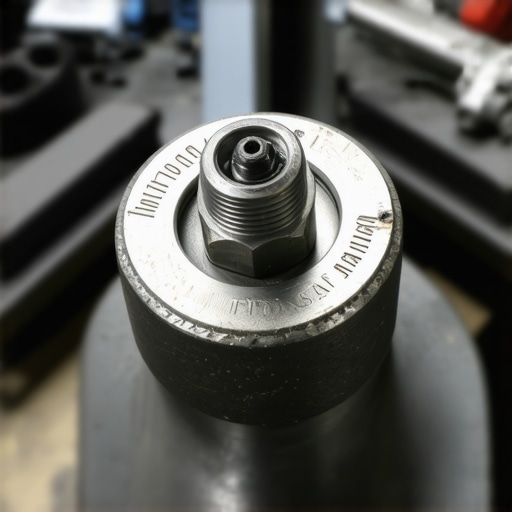
Have you ever stood under your car after a quick oil change only to notice that your oil pan bolt is *stripped*? That frustrating moment when you realize the shop staff must have rounded off the head of your bolt, leaving you with a tougher challenge than expected. I remember the first time it happened to me— I had trusted my local lube shop, only to discover my oil pan bolt was almost useless, forcing me into a dreaded DIY repair. It hit me then—that seemingly innocent oil change could turn into a costly headache and potential engine risk.
The Real Deal About Stripped Oil Pan Bolts
Here’s the truth: Stripping your oil pan bolt isn’t just inconvenient; it can lead to oil leaks, engine damage, and even expensive repairs. I’ve learned from experience—and a good bit of trial and error—that many shops, whether due to hurried work or using the wrong tools, end up damaging those delicate threads. If you’re tired of dealing with stripped bolts, the good news is, there are straightforward ways to prevent this and protect your car’s crucial sealing points.
Is Your Car Service Really Worth It?
I used to think that all oil changes were equal. But early on, I made the mistake of assuming the mechanic’s skill level didn’t matter—as long as they used the right oil. That was a rookie error. Once, a mechanic at a local chain cross-threaded my drain bolt because he rushed the job. The fix? Replacing the bolt, re-tapping the thread, and a lot of extra, unnecessary expense. Ever made a similar mistake? It’s common, but it’s also totally preventable.
Research shows that improper torque application during oil changes is a common cause of stripped bolts. A study by automotive professionals notes that applying the correct torque can prevent threading issues and ensure a proper seal (source: AutoFix Clinic). So, what can you do to avoid becoming a victim of this frequent, yet avoidable, problem? Stick with me—next, I’ll walk you through simple, effective solutions that any car owner can implement, saving you money and stress.
Choose Quality Tools and Know the Correct Torque
Start with investing in a good torque wrench. During my last oil change, using a calibrated torque wrench helped me tighten the oil drain bolt to precisely 25 ft-lb, avoiding over-tightening that can strip threads. Always verify the recommended torque for your vehicle in the owner’s manual or trusted sources like this guide. Remember, using the wrong tools or applying excessive force risks damaging the bolt or threads.
Prep the Bolt and Threads Properly Before Installation
Clean the bolt and threads thoroughly with a brake cleaner or compressed air to remove dirt and old gasket material. When assembling, lightly lubricate new or cleaned bolts with a thread lubricant or antiseize compound. During my recent repair, applying a small amount of anti-seize prevented the bolt from seizing or breaking during removal, which saved hours of headaches.
Use a Step-By-Step Tightening Technique
Start Hand Tightening
Always begin by threading the bolt by hand to ensure it seats properly. I once hurried through and cross-threaded my bolt—lesson learned: hand-tightening first prevents misalignment.
Follow a Cross-Pattern Torque Sequence
When tightening bolts, use a crisscross pattern if applicable, to evenly distribute pressure. For oil pan bolts, tighten in small incremental steps, increasing torque gradually. This step avoids uneven stress that can cause stripping.
Check and Confirm the Tightness
After tightening to the recommended torque, give the bolt a gentle second turn with the wrench to confirm snugness. I’ve found that double-checking prevents subtle under-tightening, which may cause leaks, or over-tightening, risking thread damage.
Be Mindful of Regular Maintenance and Inspections
Periodic inspections of oil pan bolts, especially after rough driving or repairs, catch potential issues early. When I noticed a slight oil leak after an oil change, I re-checked the bolts and tightened where necessary, preventing a small leak from becoming a costly repair.
Know When to Consult Professionals
If you’re unsure about tightening or suspect damaged threads, it’s best to contact a professional. An ASE-certified mechanic can re-tap threads or replace damaged bolts properly, ensuring your engine remains sealed and safe. You can find expert guidance at this contact page.
While many car owners diligently follow manufacturers’ schedules and rely on ASE-certified mechanics, misconceptions still persist. One prevalent myth is that all transmission issues stem solely from low or dirty fluid, leading some to neglect the complexity of transmission maintenance. In reality, transmission problems often involve intricate factors like internal wear, solenoid failures, or subtle sensor malfunctions that aren’t resolved simply by changing fluid.
Another misconception revolves around the idea that routine oil changes are just about oil color or smell, but in-depth knowledge shows that proper oil viscosity and additive balance—especially in high-mileage or turbocharged engines—make a significant difference in engine longevity. Relying solely on the age or mileage without understanding these nuances can lead to avoidable engine stress or premature wear. To truly optimize your vehicle’s health, it’s crucial to consider the type of oil suited for your specific driving conditions and engine design.
Why do most car owners overlook transmission sensor false alarms?
Many drivers dismiss transmission warning lights as minor glitches, but data suggests that sensors can give false positives due to minor electrical interference or calibration issues. Ignoring these signals might cause you to overlook developing internal problems or, worse, lead to overlooking a component that’s about to fail completely. Consulting expert insights at this resource can help you understand when a sensor’s warning is genuine or a false alarm. Moreover, accessing ASE-certified technicians ensures that diagnostics go beyond superficial fixes, addressing root causes rather than temporary patches. Remember, the difference between a quick fix and a long-term solution often hinges on understanding the nuances—something you can only gain with experience and expert guidance.
Many people also believe that all ASE certifications are equal, but in practice, certifications specialized in transmission or engine systems demonstrate targeted expertise that often results in better diagnostics and repairs. So, next time you’re booking a service, consider whether your mechanic holds certifications specific to your needs; it could save you time and money.
Build Your Arsenal: Tools I Swear By for Car Maintenance
Having the right tools makes all the difference in maintaining your vehicle effectively. I personally rely on a high-quality digital torque wrench, specifically the GearWrench 85077, because it provides precise torque settings needed for components like oil pan bolts, preventing over-tightening and stripped threads. Alongside, I recommend a set of metric Allen wrenches—I prefer the Wiha 32691 set—since they’re versatile for removing stubborn drain plugs or sensor bolts. A reliable digital multimeter, such as the Fluke 117, helps diagnose electrical issues swiftly, saving time and avoiding unnecessary repairs.
In addition, I use a pneumatic air blow gun for cleaning threads and engine bays—my go-to is the Ingersoll Rand 122MAX because it’s light, powerful, and reduces the risk of dirt and debris infiltrating sensitive engine parts during maintenance. To keep my tools in check, I calibrate my torque wrench annually and verify multimeter accuracy with certified calibration sources, ensuring consistent and reliable readings.
How do I maintain these tools over time?
Maintaining your tools involves regular cleaning, proper calibration, and correct storage. Wipe down your torque wrench after each use with a clean cloth and store it in a protective case to prevent damage. For electronic tools like multimeters, keep the batteries fresh and perform periodic accuracy checks—many manufacturers recommend calibration every 12 months, which maintains measurement precision. Keeping your tools well-maintained ensures they function correctly when you need them most, extending their lifespan and your ability to perform effective maintenance.
Looking ahead, the trend is shifting toward smarter diagnostic tools. Devices like the smart oil analyzers and wireless diagnostic scanners are becoming more affordable and user-friendly, empowering enthusiasts to perform advanced diagnostics without needing a shop. Investing in these tools now can significantly streamline your maintenance routine and catch issues early.
Prioritize Long-Term Results Over Quick Fixes
Consistent use of quality tools and adherence to recommended practices not only extend your vehicle’s lifespan but also improve safety and performance. For example, correctly torqued oil bolts prevent leaks and engine damage—something covered extensively in this guide. Regular inspections with calibrated tools help identify potential problems before they escalate, saving you money and headaches down the road.
Make a habit of scheduled maintenance
Set reminders for calibration and inspections of your tools and components. This proactive approach ensures your car’s systems function optimally, especially as it ages. Incorporate routine checks like inspecting oil drain plugs and sensors for wear or damage, addressing issues immediately—this is the cornerstone of reliable vehicle ownership.
Try adopting a dedicated maintenance kit that includes calibrated torque wrenches, sensor testers, and cleaning supplies. This way, you’ll be prepared for everything—from routine oil changes to diagnosing transmission hiccups, as discussed at this resource. Plus, maintaining these tools professionally or following manufacturer calibration instructions (see this explanation) ensures longevity and accuracy.
Finally, I encourage you to experiment with calibrating your torque wrench using calibration services or at-home calibration kits—consistent accuracy is the foundation of effective tightening and long-term vehicle health. Once you master this, your repairs will be not only quicker but also more reliable than ever before. Dive into these steps, and watch your maintenance skills sharpen exponentially—it’s a small investment that pays off big time.
Lessons From My Own Mishaps and Miracles
One of the toughest lessons I learned was that rushing through an oil change or ignoring small transmission hints can lead to big, expensive problems. I once neglected to double-check my transmission sensor readings, which caused me to overlook an early warning sign, costing me more in repairs later. Now, I know that patience and attention to detail are crucial. Making mistakes taught me to rely on precise tools and proper procedures, transforming routine maintenance into trusted rituals. I’ve realized that understanding the nuances—like correct torque application or sensor calibration—sets apart the casual car owner from an empowered DIY mechanic.
Gear up with tools and resources that truly make a difference
My essential toolkit includes a calibrated GearWrench torque wrench because it ensures I tighten oil pan bolts just right, avoiding strip damage. A Wiha 32691 metric Allen wrench set helps me handle stubborn drain plugs confidently. For electrical diagnostics, my trusted Fluke 117 multimeter provides peace of mind. I also lean on expert articles like this guide for long-term maintenance tips. These tools and resources have become my trusted companions, making repairs safer and more reliable. Regular calibration and maintenance of my tools, along with access to expert insights, keep my vehicle in top shape and save me money in the long run.
Push yourself to excel in your vehicle care
Your car’s health is a reflection of your care. By investing in the right tools and knowledge, you become the first line of defense against costly failures—whether it’s securing a properly torqued oil drain bolt or catching transmission sensors before they fail. Remember, every correct step you take now builds confidence and extends your vehicle’s lifespan. Don’t wait for a small leak or a warning light to become a crisis. Start today—your vehicle, wallet, and peace of mind will thank you. How will you incorporate these expert practices into your next maintenance routine? Share your plans below!