
The Specific Click That Means Your Starter is Done
Ever been stranded in your driveway, fumbling with keys or pressing the start button, only to be met with a stubborn silence or a faint click? I remember my own lightbulb moment—standing there, engine utterly unresponsive, realizing I was facing a classic sign that my car’s starter might be on its last legs. It felt almost personal, like the car was giving me a final, silent protest.
Why Recognizing a Failing Starter Matters
The starter motor is the unsung hero that gets your engine roaring to life each day. When it begins to fail, it doesn’t just leave you stranded—if you catch the symptoms early, you might avoid costly repairs or even a breakdown in a dangerous situation. Knowing the specific click—sometimes a rapid series or just a solitary dull sound—that indicates your starter is done can be a game-changer.
What You Might Be Missing When Testing Your Car
In my early days, I made the mistake of ignoring slow or inconsistent cranking as a simple battery issue. Seriously, I replaced the battery just to find out later it was the starter all along—an expensive lesson. This common slip-up happens to way too many drivers. So, before you jump to conclusions about dead batteries or ignition problems, learn to identify the real culprit—your starter.
According to automotive experts, the average starter lasts between 80,000 to 150,000 miles. Once it starts acting up, you may notice a persistent clicking noise or a repeated series of short noises when turning the key. Recognizing these signs early can save you from being stranded or paying for unnecessary replacements. For more insights on related issues, check out transmission troubleshooting tips.
Are you tired of guessing whether your car’s no-start symptoms are just a dead battery or something more serious? If so, you’re in the right place. Today, we’re going to delve into how to accurately identify when that familiar click is a warning sign that your starter has kicked the bucket—and what you can do about it.
So, stop wondering and start diagnosing. Let me walk you through the signs and steps that will give you peace of mind—and get you back on the road safely.
Test the Battery First to Rule Out Simpler Causes
Before jumping to the starter, ensure your battery isn’t the culprit. Use a multimeter or visit an auto parts store for a quick test. If the voltage reads below 12.4 volts, recharge or replace the battery. I once spent hours replacing a starter only to find a weak battery was the genuine issue, saving me money and time.
Identify the Symptoms Clearly
Listen for a clicking sound or repeated rapid clicks when attempting to start the engine. Feel for slow or labored cranking. These signs often point towards a failing starter. In my experience, a persistent click after turning the key is almost always the starter motor failing, especially if the battery and connections are good.
Locate the Starter in Your Vehicle
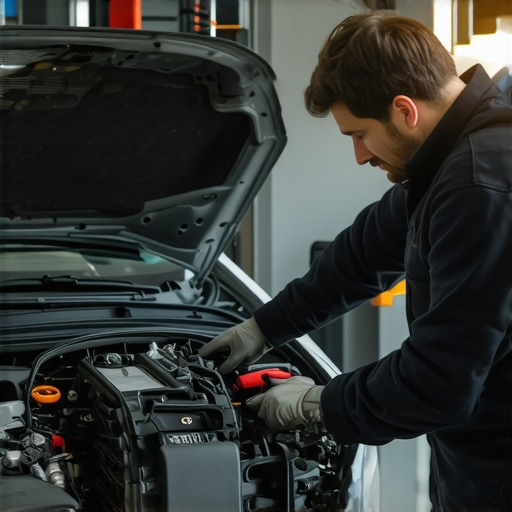
Typically, the starter is mounted near the bottom of the engine, where the transmission begins. Consult your vehicle’s manual or online diagrams. For example, in my old sedan, it was nestled behind the radiator fan, so I had to remove some components for access. Proper identification prevents unnecessary disassembly or damage.
Disconnect and Remove the Starter
Start by disconnecting the negative battery cable. Then, locate the wires connected to the starter—note their positions or take a picture. Use a ratchet and socket to unbolt the mounting bolts. Remember, these bolts can be tight—apply steady pressure. Use penetrating oil if bolts are rusted. I once stripped a bolt because I hurried; patience is key.
Inspect the Starter and Decide on Replacement
Check for obvious damage such as burnt wiring, corrosion, or broken parts. If in doubt, compare the unit with a new or remanufactured one. Many parts stores offer core exchanges, which can save you money. When I replaced my starter, I opted for a rebuilt unit with a lifetime warranty—cost-effective and reliable.
Install the New or Rebuilt Starter
Position the new starter in place, aligning the mounting holes. Hand-tighten the bolts first to ensure proper fit, then torque to the manufacturer’s specs. Reconnect the wires securely, matching the original configuration. Ensure no wires are pinched or loose. Once everything is back, reconnect the negative cable and attempt to start the engine.
Test and Confirm the Repair
Start the vehicle to verify successful installation. The engine should turn over smoothly, with no unusual noises. If issues persist, double-check connections or consider other components like the ignition switch. This direct approach minimizes guesswork and helps you troubleshoot effectively.
For a comprehensive understanding of vehicle systems, reviewing [ASE certification standards](https://autofixclinic.com/what-does-an-ase-certification-mean-for-your-cars-maintenance) can provide insights into what certified technicians look for during diagnostics. This knowledge enhances your DIY skills and ensures your repairs are reliable.
Maintaining a regular maintenance schedule, including [oil changes](https://autofixclinic.com/why-regular-oil-changes-extend-your-cars-lifespan), can prevent many starting issues. Clean and inspect battery terminals periodically; corrosion can mimic starter problems. Remember, a well-maintained electrical system is your best defense against unexpected breakdowns.
When in doubt, or if the repair feels beyond your skill level, seek professional help by visiting [contact us](https://autofixclinic.com/contact-us). Proper diagnosis and timely repair will keep your vehicle running smoothly and safely for years to come.
Why The Truth About Car Maintenance Often Gets Twisted
Many drivers cling to misconceptions about transmission repairs, vehicle servicing, and oil changes, often driven by outdated advice or marketing hype. As an automotive expert, I want to shed light on some of these nuances that many get wrong, so you can make informed decisions that genuinely protect your vehicle’s lifespan.
Is ASE Certification a Guarantee of Quality?
Contrary to popular belief, having an ASE (Automotive Service Excellence) certification doesn’t automatically mean a repair shop will perform perfect work. While ASE certification indicates a technician has met certain knowledge standards, it doesn’t reflect ongoing training, shop practices, or honesty. A study by the expert highlights that credentialing is just one piece of the puzzle; customer feedback and transparency matter equally. Always ask for detailed diagnostics and estimates, regardless of certification status.
The Hidden Perils of Following Your Car’s Maintenance Schedule Blindly
Many assume that sticking to a uniform timeline for oil changes or transmission fluid replacements is best for all vehicles. However, modern engines and transmissions are more resilient and adaptable, especially with synthetic oils and advanced materials. Over-replacing fluids can sometimes introduce contaminants or disturb seals, paradoxically causing leaks or performance drops. Check your owner’s manual or trusted online resources, like top oil change tips, for tailored guidance. Remember, quality often trumps frequency in maintenance.
Advanced Mistake: Overlooking Fluid Quality and Levels During Service
Many technicians and DIY enthusiasts focus solely on changing fluids without inspecting their condition. For example, transmission fluid that looks red but smells burnt indicates internal overheating or worn components, even if it hasn’t reached the scheduled change interval (source). Failing to evaluate fluid quality can lead to premature component wear or unexpected failures. Always prioritize a diagnostic approach: test, inspect, and only replace when necessary. This nuance can extend your transmission’s life significantly.
What Most People Miss About Car Service
It’s tempting to view routine service as merely a checklist. However, skipping inspections like examining belts, hoses, or driveline components often leads to costly breakdowns. Modern diagnostics include preventive measures—detecting early signs of issues such as minor leaks or unusual noises—that can save money and safety in the long run. For example, unnoticed transmission leaks can compromise fluid levels and cause gears to slip, but an ASE-certified technician will often catch these early problems.
Make the most of your car service by asking detailed questions, demanding transparent diagnostics, and understanding that a truly professional shop doesn’t just perform tasks—they diagnose proactively. Don’t let myths or superficial fixes sabotage your vehicle’s health. Want to dive deeper into how to choose a trustworthy mechanic? Check out this guide.
Stay Ahead with Knowledge
By understanding these nuanced truths—like the importance of inspecting fluid quality and recognizing that certification isn’t everything—you gain an advantage that extends beyond simple maintenance routines. Your vehicle isn’t just a machine; it’s an investment that demands informed care. Have you ever fallen into this trap? Let me know in the comments and share your insights!

Invest in Quality Diagnostic Tools for Long-Term Success
One of the most valuable investments I made was purchasing a professional-grade OBD-II scanner, like the BlueDriver. This device connects seamlessly with my smartphone, providing real-time diagnostic trouble codes, live sensor data, and detailed reports. It’s more precise than generic code readers and invaluable for catching small issues before they escalate. Using a trusted tool like this allows me to monitor my vehicle’s health proactively and schedule maintenance precisely, reducing unexpected breakdowns—and saving money in the long run.
Use Software for Accurate Maintenance Scheduling
Software solutions such as maintenance management apps help keep track of service intervals based on your driving habits, mileage, and manufacturer recommendations. Personally, I rely on these tools to send reminders for oil changes, transmission flushes, or filter replacements. As vehicles evolve with synthetic oils and advanced electronics, these apps adapt to provide specific guidance, ensuring your car remains in top shape over time.
Emphasize Proper Fluid Handling and Replacement Methods
When it comes to transmission fluids or engine oils, method matters. I prefer using a FJC Tools Power Flush Machine for transmission fluid changes—this equipment ensures thorough flushing without contaminating new fluid or leaving debris behind. It’s a step up from traditional drain-and-refill methods, which can leave residues that degrade transmission performance. Regularly using proper tools like this extends the lifespan of internal components and keeps shifting smooth. Remember, always consult your vehicle’s service manual or trusted resources—like specialized guides—to confirm compatible techniques.
Plan for Scaling Up Maintenance Efforts
As your fleet or car collection grows, automation becomes critical. I’m exploring fleet management systems that integrate diagnostic data, service schedules, and parts inventory into a centralized dashboard. This streamlines maintenance workflows and prevents costly oversights. Today, platforms like digital fleet managers are evolving to support small garages and individual owners, making scalable maintenance more accessible. Anticipating future trends, I believe AI-driven predictive analytics will soon personalize maintenance further, detecting issues before sensors even notice them.
How Do I Keep Transmission and Engine Running Flawlessly Over Time?
Mastering ongoing maintenance involves a consistent routine of fluid checks, timely oil changes, and monitoring diagnostics. Keep an eye on fluid levels—use a quality funnel and a clean container to avoid cross-contamination—and adhere to expert advice on replacement intervals. If you’re aiming to achieve the best long-term results, consider employing advanced practices like sensor diagnostics to catch early signs of slipping or shifting irregularities. Also, don’t hesitate to consult professionals when complex issues arise, using trusted platforms like our contact page.
Try integrating one of these tools or methods into your routine this month and experience the difference in reliability and peace of mind. Remember, proactive maintenance with the right equipment isn’t just for pros—it’s the smartest way to keep your car working smoothly for thousands of miles.

Image prompt: A professional automotive diagnostic scanner connected to a vehicle engine, with a technician reviewing data on a tablet. Alt: Technician using diagnostic tools on a modern car engine. Title: Advanced Vehicle Diagnostics for Long-Term Reliability
Three Hard-Learned Truths About Keeping Your Transmission Happy
- Never underestimate the power of a rapid, repeated clicking when starting your car; it’s often a clear sign your transmission or starter is in distress. Recognizing this early can save you from costly repairs and roadside stress.
- Trust your instincts and detailed diagnostics over shiny marketing promises. I’ve learned that the most reputable shops don’t just rely on certified tags—they prioritize transparency, especially when it comes to transmission fluid health and oil changes.
- Slipping gears or delayed shifts aren’t just minor annoyances—they’re voices from your vehicle’s core telling you to pay attention. Acting promptly on these symptoms preserves your car’s longevity and safety.
- My professional-grade OBD-II scanner, the BlueDriver, empowered me to catch issues early and understand my car’s internal communication in real-time, much more effective than generic code readers.
- Maintenance management apps that adapt based on driving habits kept me ahead of schedule with oil changes and transmission fluid checks, aligning care precisely with my vehicle’s needs. Check out this resource to find the right schedule for your car.
- Using proper tools like a FJC Power Flush Machine for transmission fluids made a noticeable difference in performance and longevity—I now avoid the old drain-and-fill methods that leave residues damaging internal parts.
Tools and Resources That Changed How I Approach Maintenance
Keep Your Vehicle’s Voice Alive and Your Confidence High
Owning a car is about more than just getting from point A to B; it’s about understanding its language and nurturing its well-being. Take the time to learn the signs your transmission or oil needs attention and arm yourself with the right tools and knowledge. Your vehicle’s smooth ride depends on it. What’s one maintenance tip you wish you knew sooner? Share below and become part of a smarter driving community!
}
Image prompt: A professional automotive diagnostic scanner connected to a vehicle engine, with a technician reviewing data on a tablet. Alt: Technician using diagnostic tools on a modern car engine. Title: Advanced Vehicle Diagnostics for Long-Term Reliability}#END#}#}#}#}#}#} Ҭstrualabot create_posts {