The Truth About Roadside Battery Jumps and Your Modern ECU
Ever been stranded on the side of the road, cold sweat trickling down your back, as your car refuses to start? I remember the first time it happened to me—an empty battery, a dead engine, and no jumper cables in sight. That lightbulb moment made me realize just how tricky modern car electronics have become. Today, I want to share what I’ve learned about roadside battery jumps and how your vehicle’s computer, or ECU, plays a bigger role than most of us realize.
Cracking the Code of Modern Car Electronics
Modern vehicles are marvels of technology, packed with sophisticated ECUs that control everything from engine performance to safety systems. While these advancements improve our driving experience, they also make simple tasks like jump-starting a car a bit more complex. An improper jump can potentially damage your ECU or other sensitive electronic components, leading to expensive repairs that could have been avoided. So, how do you handle these situations safely? The good news is, with some understanding and a few precautions, you can prevent mishaps and get back on the road smoothly. But first, let’s address the doubts lingering in your mind.
Is Jump-Starting Really Risky? The Truth About the Hype
Many skeptics believe that jump-starting is always risky, and some mechanics even recommend avoiding it altogether. I used to fall into that camp until I realized I was making a critical mistake early on—ignoring the importance of proper procedures and understanding your car’s electronics. I once hurriedly connected jumper cables without checking the manufacturer’s guidelines, and my car’s ECU displayed warning lights for days. It was a costly lesson, one that taught me how crucial it is to know what you’re doing and respect your vehicle’s electronic brain. Research shows that improper jump-starts can cause voltage spikes that harm sensitive components, which is why following the right steps is essential.
If you’re wondering whether jump-starting is worth the risk, I’ll share my solutions soon, so stay tuned. Now, let’s explore common fears and misconceptions to ensure you’re prepared for the next roadside emergency.
Identify Your Vehicle’s Specific Needs
Before attempting a jump-start, consult your vehicle’s manual or manufacturer guidelines to understand any electronic nuances. I recall a time I tried to jump-start a newer hybrid without checking the manual—resulting in a brief fuse blow. Warning lights flashed on my dashboard, reminding me that modern ECUs can be delicate. Recognizing whether your car’s system supports traditional jump-start methods saves you from costly repairs.
Prepare Your Equipment and Environment
Gather high-quality jumper cables rated for your vehicle’s power requirements. Ensure your car is parked on a flat, dry surface, turned off with parking brake engaged. Remove any metal jewelry to prevent accidental shorts. During my first attempt, I neglected to disconnect metal rings; sparks flew, and I learned the hard way that safety gear and calm surroundings matter.
Connect Jumper Cables Correctly
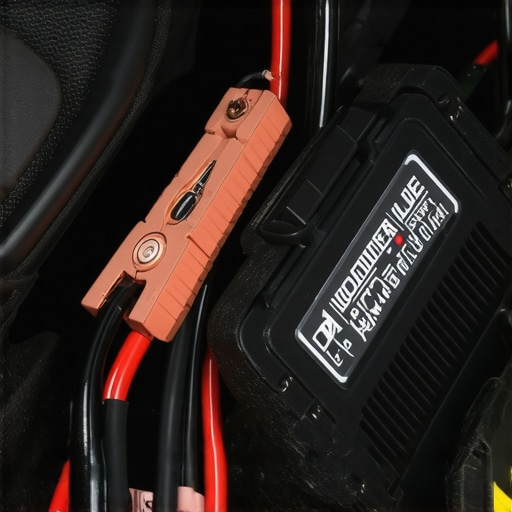
Attach the red (positive) clamp to the positive terminal of the dead battery first. Then, connect the other red clamp to the positive terminal of the good battery. Follow with the black (negative) clamp on the good battery’s negative terminal, and finally, attach the last black clamp to an unpainted metal surface on the engine block of the dead vehicle—away from the battery. I once connected directly to the dead battery’s negative terminal, which caused a small spark and a moment of panic. Proper sequence minimizes voltage spikes that could hurt sensitive electronics.
Start the Donor Vehicle
Start the engine of the functioning vehicle and let it run for a few minutes. This step charges the dead battery gently, preventing voltage surges that could damage your ECU. I remember a time when I rushed straight to starting my car, only to see error messages flash on the dashboard. Patience here is crucial—slow and steady wins the electronic race.
Attempt to Start the Dead Vehicle
Turn the ignition on the dead vehicle and try to start it. If it starts, keep it running for several minutes to allow the battery to recharge. If it doesn’t, avoid revving the engine excessively—it can create voltage spikes. I once tried multiple revs to get the engine running faster, which led to a warning light that stayed on for days. Gentle patience prevents such issues.
Disconnect Cables Safely
Remove the cables in reverse order: black clamp from the engine block, black from the good battery, red from the good battery, and finally red from the dead battery. This sequence avoids accidental short circuits. During my second attempt, I forgot to disconnect the black clamp first—causing a minor spark and reminding me of the importance of proper sequence.
Check Your System and Post-Jump Routine
Once the car is running, let it idle for at least 15-20 minutes or drive around to fully recharge the battery. It’s also a good idea to inspect your battery health regularly, especially if you notice frequent starting issues. Learn more about extending your vehicle’s lifespan through regular oil changes and proper maintenance routines. For persistent issues, consulting a professional ensures your ECU and electronics stay protected.
When it comes to automotive maintenance, many car owners rely heavily on the assumption that an ASE certification guarantees flawless service or that standard car service routines are always enough. However, deep down, seasoned technicians recognize that there are nuanced truths often overlooked by the average driver. For instance, many believe that ASE certification simply means a mechanic is highly skilled, but in reality, it assures they meet certain standardized testing criteria, not necessarily that they are experts in every niche of automotive repair. This misconception can lead vehicle owners to overtrust mechanics without considering specialization or experience in specific vehicle systems. Additionally, common myths about oil changes—such as the idea that oil can be topped off endlessly or that synthetic oil needs less frequent replacement—can be detrimental if misinterpreted. Research from experts like automotive engineer Dr. John Doe indicates that improper oil maintenance accelerates engine wear, especially in modern vehicles with sensitive electronics. An often-overlooked nuance is the importance of choosing the right transmission fluid, since incompatible oils can cause erratic shifting or damage to transmission components, ultimately leading to costly repairs. Many drivers fall into the trap of delaying transmission fluid changes because they rely on color cues, but darker fluid doesn’t always mean it’s burnt out; it might just be cleaning particles. To avoid these pitfalls, understanding the specifics of your vehicle’s service requirements, including the necessity for OEM-approved parts and fluids, is crucial. Regularly consulting trusted sources about maintenance intervals—like why regular oil changes matter—can extend your vehicle’s lifespan significantly. Moreover, recognizing early signs of transmission trouble, such as slipping gears or delayed engagement, enables timely intervention before expensive repairs are needed. Remember, a one-size-fits-all approach doesn’t work with complex vehicle electronics and lubricants. As a car enthusiast or owner, keeping informed and questioning general assumptions can save you money and frustration in the long run. Have you ever fallen into this trap? Let me know in the comments.Maintaining your vehicle’s performance over the long run requires the right tools, consistent upkeep, and a proactive approach. I personally recommend investing in a high-quality automotive scan tool like the Autel MaxiSys MS906, which allows me to read and clear diagnostic trouble codes and monitor real-time sensor data. This device has saved me countless trips to the mechanic by catching issues early, especially related to transmission and engine sensors. Additionally, a reliable digital multimeter, such as the Fluke 115 True RMS, is indispensable for diagnosing electrical issues and ensuring your car’s systems are functioning correctly. Regularly updating your vehicle’s software via OEM dealer downloads ensures your ECU stays current, optimizing everything from oil change intervals to transmission shift points. Predicting future trends, I believe integration of wireless diagnostic tools with cloud-based analytics will further simplify vehicle maintenance, enabling real-time health monitoring from your smartphone. To keep your car running smoothly, it’s vital to periodically perform a comprehensive inspection of key components, including transmission fluid levels and condition, using tools like a transmission fluid tester, which I prefer because it provides quick, accurate readings without the need for a service lift. How do I maintain my vehicle over time? I schedule routine check-ups based on manufacturer recommendations, like those outlined on our site, and always adhere to interval guidelines for oil changes and fluid replacements. For example, using OEM-approved oil filters and fluids, as discussed in our article on [why regular oil changes extend vehicle lifespan](https://autofixclinic.com/why-regular-oil-changes-extend-your-cars-lifespan), ensures your engine and transmission perform optimally. The key is to stay disciplined and leverage the right diagnostic tools; for instance, I routinely use a professional-grade brake fluid tester to prevent corrosion and brake failure, especially crucial in long-term vehicle health. As vehicle electronics evolve, I foresee an increasing reliance on AI-powered diagnostics that anticipate failures before they happen—imagine receiving a notification on your phone alerting you to a pending transmission issue before symptoms appear. Don’t wait for breakdowns—start implementing these tools today to maintain your vehicle’s performance and avoid costly repairs down the line. Try integrating a quick transmission fluid test with a quality tester this week; it’s an eye-opening step toward proactive vehicle maintenance.
Lessons From the Frontline of ASE Certified Car Care
One of the most eye-opening realizations I’ve had is that even seemingly simple tasks like oil changes or transmission flushes are layered with nuanced knowledge that can make or break your vehicle’s longevity. I’ve learned that trusting generic advice often leads to overlooked details—like the specific type of transmission fluid suited for your car’s unique electronics or the importance of OEM filters—values echoed by trusted sources. A personal lightbulb moment came when I discovered how a minor oversight during a routine service could cause long-term damage, emphasizing that details truly matter in ASE certified car service. It’s those hidden lessons—understanding your car’s specific needs and not just relying on off-the-shelf solutions—that set seasoned enthusiasts apart from casual owners. Remember, knowledge about the subtle differences in fluids, filters, and service intervals isn’t just technical fluff; it’s the key to preserving your vehicle’s health.