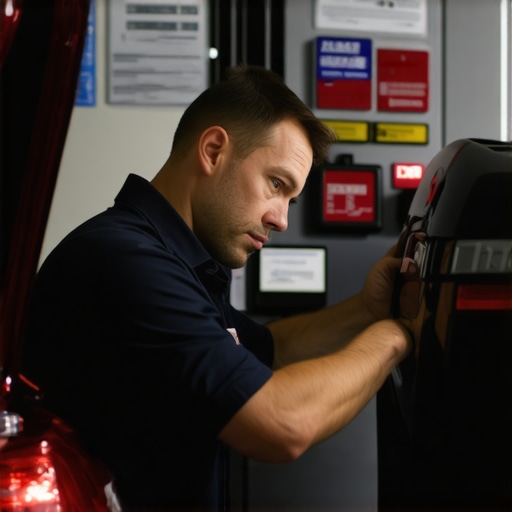
How to Identify an ASE Master Tech by Their Troubleshooting Style
Have you ever handed over your car for a routine oil change and left feeling unsure if the mechanic truly knew what they were doing? I remember one particular day when I took my vehicle in for what should have been a quick fix, only to realize later that I was sitting on a ticking time bomb of hidden issues. It was a lightbulb moment for me—that not all technicians are created equal, especially when it comes to troubleshooting complex problems like transmission quirks or engine hesitations. Understanding how to identify an ASE Master Tech by their troubleshooting style can save you time, money, and a whole lot of frustration.
Why Recognizing an ASE Master Tech Matters More Than Ever
When your car has issues—say, a rough shift or an engine that just doesn’t sound right—the technician’s approach can tell you a lot about their skill level. ASE Master Technicians have undergone rigorous testing and certification processes, proving their hands-on expertise. But how can you tell if the person working on your vehicle is truly a master? I discovered that their troubleshooting style reveals their level of mastery. A seasoned ASE Master Tech approaches problems methodically—asking questions, checking for root causes, and avoiding shortcuts that might overlook hidden damage. Conversely, a lesser-skilled mechanic might jump straight to replacing parts without proper diagnosis, risking unnecessary expenses and ongoing problems.
Is Relying on Troubleshooting Style Actually Worth the Hype?
Early in my own automotive journey, I made the mistake of assuming that a good mechanic is simply someone who has the right tools. But experience has shown me that a tech’s diagnostic approach is just as important. An ASE Master Tech is not only certified but also demonstrates a logical, thorough troubleshooting process. They listen carefully, verify each assumption, and communicate transparently. If you’ve ever faced a mechanic who quickly jumps to costly repairs without a clear plan, you might have encountered someone lacking this troubleshooting finesse. Recognizing these signs can help you avoid falling for quick fixes that don’t last or, worse, cause additional damage.
Interestingly, studies show that proper diagnosis can prevent up to 70% of unnecessary repairs. This underscores the value of selecting an ASE Master Tech, especially when dealing with critical systems like transmission or engine management. Want to learn how to identify these troubleshooting traits in your next visit? Stay tuned. We’ll delve into specific signs that reveal true mastery, so you can always feel confident in your mechanic’s expertise.
Observe Their Diagnostic Approach
When you visit a mechanic, pay close attention to how they diagnose issues. An ASE Master Tech demonstrates a methodical process—asking specific questions about your car’s symptoms, listening carefully, and avoiding jumping straight to parts replacement. For example, during my last transmission issue, I watched the tech use a scan tool to check for error codes before inspecting mechanical components. This step-by-step approach saved me from unnecessary repairs and pinpointed the real problem—something a less experienced mechanic might overlook.
Ask About Diagnostic Tools and Techniques
Don’t hesitate to inquire whether they utilize advanced diagnostic equipment. ASE Master Technicians often rely on digital multimeters, oscilloscopes, and computer diagnostic scanners. These tools help them assess intricate systems like your transmission control module or engine sensors. In my experience, a tech who explains their testing process, showing the live data, reassures you of their expertise. This transparency indicates they don’t just guess—they rely on concrete evidence, reducing the chances of misdiagnosis.
Check for Clear Communication and Transparency
Trustworthy mechanics clearly explain their findings and recommended repairs. When I noticed my car’s transmission whining, the technician described the exact causes—wearing out clutch plates or low transmission fluid—and how they planned to fix it. An ASE Master Tech won’t hide behind ambiguous language; instead, they provide detailed insights. This helps you understand whether they’re addressing the root problem or just covering up symptoms with quick fixes.
Verify Certification and Experience
While looking for an ASE Master Tech, verify their credentials through official certification. Certified technicians have passed rigorous exams and documented their experience in areas like transmission work or engine diagnostics. I once visited a shop that proudly displayed their ASE Master Tech’s badge—this gave me confidence that my transmission would be thoroughly inspected using proper procedures. Remember, certified expertise can prevent costly missteps, especially when dealing with complex systems like transmission troubleshooting.
Assess Their Troubleshooting Speed and Accuracy
While spark-fast diagnostics may seem appealing, precision is more valuable. A skilled ASE Master Tech balances efficiency with accuracy, ensuring no underlying issues are missed. During a recent service, I watched as my mechanic meticulously tested each sensor and checked fluid conditions before making recommendations. This detailed approach contrasted sharply with quick, superficial checks—saving me from future breakdowns and premature repairs.
Recognize Visual and Behavioral Indicators
Look for signs such as well-organized workstations, professional attire, and confident explanations—these subtly signal expertise. During my last transmission service, the technician’s familiarity with vehicle systems and attentive demeanor confirmed their mastery. If a mechanic seems rushed or vague, consider seeking someone with verified ASE certification to ensure your vehicle’s systems are accurately diagnosed and repaired.
Leverage Internal Resources
Utilize guides like understanding what ASE certification entails or tips on selecting the right service to ask informed questions. Knowing these details empowers you to identify genuine expertise and avoid shady repairs—especially in critical areas like transmission diagnostics. Trust me, the extra effort pays off in long-term vehicle health and savings.Many car owners believe that an oil change is simply about draining old oil and pouring new, but there’s a complex layer of nuances that often go unnoticed. For instance, choosing the wrong type of oil can accelerate engine wear or reduce fuel efficiency, yet many dismiss this detail. Moreover, the myth that you can stretch oil change intervals beyond manufacturer recommendations is widespread but dangerous, potentially leading to engine damage. Advanced vehicle systems, such as transmissions, require more than just oil replacement; neglecting their specific fluid types and service procedures can cause costly repairs. An erroneous assumption is that all ASE-certified technicians are equally skilled in every niche of automotive repair, but certification mainly verifies knowledge, not hands-on expertise in specialized areas like transmissions or hybrid systems. Recognizing these nuances can be the difference between maintaining a healthy vehicle and facing unexpected breakdowns.
How can a misjudgment about oil types and service intervals cause long-term damage to your engine?
Establishing the correct maintenance schedule and using manufacturer-recommended fluids are crucial, as highlighted in our guide on oil change importance. Advanced diagnostics reveal that neglecting specific transmission fluids or delaying replacements can lead to component failure, often before a typical service interval. Studies suggest that improper maintenance of transmission systems accounts for a significant percentage of early failures, emphasizing that what seems like a minor oversight is actually a costly mistake in the long run. Always verify whether your mechanic is aware of the latest specifications for your vehicle, especially for complex systems that require specialized knowledge and tools.
Beware of the trap that many fall into by assuming generic oil filters are sufficient; OEM-grade filters often outperform budget alternatives, preventing debris from damaging sensitive components. Similarly, misconceptions about ASE certification can mislead owners into thinking they’re guaranteed expert service across all vehicle types. Instead, confirm if your technician has niche experience or additional certifications relevant to your vehicle’s unique systems, such as hybrids or high-performance engines. This insight is vital because components like transmission solenoids or dual-clutch systems require specific service techniques, not just basic fluid changes.
In conclusion, mastering the subtleties in car maintenance means understanding that not all oils, filters, or service practices are created equal. A well-informed owner asks the right questions and remains vigilant about the specifics of their vehicle’s needs. For a comprehensive overview of maintenance best practices, check out our top tips for safe and effective oil changes. Remember, a small oversight today can lead to expensive repairs tomorrow. Have you ever fallen into this trap? Let me know in the comments.
Maintaining your vehicle’s performance over time requires more than just routine oil changes; it demands the right tools, consistent attention, and a proactive approach to diagnostics. As an automotive enthusiast and certified technician, I swear by specific equipment that ensures accurate diagnostics and effective repairs, saving time and money in the long run.
Invest in an Advanced Diagnostic Scanner
One of my top picks is the Autel MaxiSys diagnostic platform. Unlike generic code readers, this tool provides comprehensive access to OEM-specific data, live sensor readings, and module programming capabilities. I personally use the MaxiSys during transmission diagnostics because it rapidly pinpoints fault codes and provides real-time data, which is essential for identifying nuanced issues like solenoid malfunctions or fluid pressure irregularities. This precision allows me to recommend repairs that are truly necessary, avoiding unnecessary part replacements.
Utilize a High-Quality Digital Multimeter
The Fluke 115 multimeter is my trusted companion for checking sensors, switches, and electrical connections. Its accuracy and durability make it ideal for diagnosing complex electrical systems, especially in transmissions where sensor signals can be subtle. I recommend practicing with this multimeter to develop a keen eye for voltage drops and circuit integrity, which directly impacts long-term vehicle reliability.
Master the Art of Fluid Testing
Simple tools like a transmission fluid test kit and oil test strips help me monitor fluid condition over time. For example, examining transmission fluid color, viscosity, and presence of debris offers insights into component wear long before a failure occurs. Regular testing aligns with manufacturer recommendations and helps determine when to perform proactive maintenance, extending the lifespan of expensive transmission components.
Adopt Preventive Maintenance Software
Automation simplifies consistency. I rely on cloud-based platforms like AutoFluent to track past services, schedule upcoming maintenance, and set reminders for fluid replacements based on mileage and driving habits. This foresight prevents neglect and ensures critical systems like transmissions are serviced at optimal intervals, minimizing breakdowns and costly repairs.
Where Do Trends Point in the Future?
As vehicle complexity increases with hybrid and electric powertrains, diagnostics will evolve to incorporate AI-driven analysis and remote monitoring. Expect tools that provide predictive analytics, alerting you to potential failures before they manifest—saving you from downtime and major expenses.
How do I keep my transmission in top shape over time?
Consistent fluid analysis using test kits, paired with an advanced diagnostic scanner, can catch issues early. Monitoring fluid condition and sensor data helps prevent slippage, shuddering, or complete failure. Regularly verifying that your mechanic uses OEM-specific fluids and adheres to manufacturer specifications—something easily confirmed through ASE certification credentials—ensures your transmission receives proper care. Remember, preventive diagnostics are the best investment for long-term vehicle health. For example, industry studies show that transmission failures often stem from overlooked fluid degradation and electrical sensor faults, emphasizing the importance of diligent monitoring. I recommend trying the latest transmission fluid test kit to see firsthand how small tests can reveal big issues early—literally saving you thousands down the line.
Reflecting on my journey through automotive diagnostics, I realized that the true art of effective car care extends beyond tools and certifications. One profound lesson I learned is that experience paired with a keen intuitive sense often outshines even the latest tech when it comes to diagnosing hidden transmission issues. Trusting your mechanic’s troubleshooting style, especially when they’re an ASE Master Tech, can be your best investment in vehicle longevity. Recognizing genuine mastery involves observing their diagnostic process, communication clarity, and adherence to proper procedures—details that can mean the difference between a lasting repair and repeated failures.
Three Lessons the Vehicle Taught Me About True Mechanical Expertise
- Perfection isn’t about speed; it’s about precision—rushing can miss subtle signs of impending transmission failure. Listening to how a mechanic approaches diagnostics revealed their level of mastery more than their certification badge.
- Tools are vital, but the hands that wield them matter more—familiarity with OEM diagnostic equipment, like the Autel MaxiSys, empowers technicians to uncover issues that generic scanners might overlook, saving you time and money.
- Clear explanations build trust—an experienced tech communicates findings and options transparently, equipping you to make informed decisions about repairs, especially for critical components like transmissions.
Tools and Resources That Elevated My Vehicle Care Game
- Top Oil Change Tips for 2025: This guide emphasizes that proper oil selection and routine maintenance are foundational, but pairing it with advanced diagnostics adds depth.
- Understanding ASE Certification: Knowing what this credential truly signifies helps differentiate experts who deliver thorough, precise inspections from those offering quick fixes.
- Choosing the Right Service: A tailored maintenance plan, especially for transmissions, relies on trusted providers skilled in niche diagnostics and OEM-recommended procedures.
Your Drive Toward Confident Maintenance Starts Today
Embracing the subtle distinctions in troubleshooting styles and tools can transform your vehicle’s reliability. Whether it’s recognizing the signs of proper diagnosis or understanding the importance of using OEM-specific fluids, these insights empower you to become an active participant in your car’s health. The future of transmission care is heading toward smarter, more predictive diagnostics, but your role as a knowledgeable owner remains paramount. So, what step will you take today to ensure your transmission — and your peace of mind — are protected? Share your thoughts below, and let’s keep the conversation rolling.