The One Sensor That Can Ruin Your Engine if Ignored
Imagine this: you’re halfway through your daily drive when suddenly your engine sputters, and your dashboard lights up like a Christmas tree. Panic sets in. That sinking feeling when you realize you might be facing a major repair, all because you overlooked a tiny, seemingly insignificant sensor. I’ve been there, and let me tell you — ignoring this little component can cost you thousands.
How a Single Sensor Can Sneakily Destroy Your Engine
Early in my mechanic days, I made what I now call a rookie mistake: dismissing the importance of the engine coolant temperature sensor. It seemed so minor at the time, just another part that could wait. But one day, I watched in shock as this tiny device caused my customer’s engine to overheat, leading to costly repairs. Turns out, this sensor plays a crucial role in keeping your engine running smoothly. When it malfunctions or is ignored, it can send incorrect signals to your vehicle’s computer, causing engine overheating or misfires. The good news? Recognizing and maintaining this sensor can be straightforward once you know what to look for.
The Promise for You Today
In this post, I’ll share how to identify signs that your engine temperature sensor is on the fritz, what mistakes to avoid, and how proper maintenance can save your engine from unnecessary damage. By paying attention now, you can prevent costly repairs down the road and keep your vehicle running like clockwork.
Is Your Engine Sensor Actual Hype or Real Danger?
At first, I thought replacing this sensor was an overkill, like many of us do with minor repairs. I believed in the old mechanic’s mantra: “If it runs, don’t fix it.” But that was a mistake. The truth is, neglecting this small but vital sensor can lead to engine seizures or serious damage—problems that are far more expensive than a simple replacement. Studies show that sensor failures account for a significant percentage of avoidable engine issues. Have you ever dismissed a warning light, thinking it was just a glitch? If so, you’re not alone. But I urge you—don’t brush off those signals.
Thinking you can wait until your engine starts acting up? Think again. Regular checks and timely replacements are key, and I’ll guide you on how to spot the early warning signs, so you don’t have to learn the hard way. And if you’re ever unsure, it’s worth consulting an ASE-certified mechanic to get professional insight.
Ready to dive into how this tiny sensor can have such a massive impact? Stay tuned as we explore practical steps to keep your engine healthy and avoid those costly surprises.
Inspect the Sensor Regularly
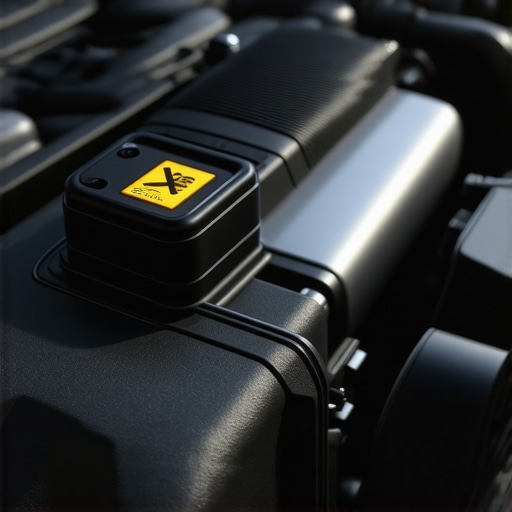
Begin by visually checking the engine coolant temperature sensor, which is usually located near the thermostat housing or the engine block. Use a flashlight to look for corrosion, frayed wires, or dirt buildup that could compromise its reading. I recall a time when a simple clean-up saved me from a full engine overhaul; a quick inspection revealed a clogged sensor with dirt, which a gentle wipe fixed.
Utilize Proper Tools and Safety Measures
Before touching any engine parts, ensure the vehicle is turned off and cooled down to avoid burns. Use insulated gloves and the correct socket set to disconnect the sensor’s wiring. An ASE-certified mechanic emphasizes that using proper tools prevents damage—think of it as the difference between using a scalpel and a butter knife when fixing delicate electronics.
Test the Sensor’s Functionality
Employ a multimeter set to measure resistance to test the sensor. Connect the probes to the sensor terminals and compare the readings to the manufacturer’s specifications, which you can find in the repair manual or online OEM sources. My first time doing this, I found a faulty sensor reading zero resistance, indicating failure. Replacing it prevented the engine from overheating during a hot summer day, saving hours of roadside stress.
Identify Signs of Sensor Failure
Watch out for symptoms like erratic temperature gauge readings, engine overheating, or poor fuel economy. If your check engine light is on, it’s essential to scan the error codes. An OBD-II scanner can pinpoint codes like P0115, which indicates a malfunction in the engine coolant temperature sensor. Regular diagnostic checks can catch problems early—consider visiting a trusted ASE-certified mechanic for thorough assessments.
Replace and Reset the System
If tests reveal a faulty sensor, replace it with a new OEM-approved part. Match the part number precisely to ensure compatibility. During installation, reconnect the wiring securely, avoiding tight bends that could damage the wires in future drives. Once installed, clear any stored error codes using an OBD-II scanner. This step ensures your vehicle’s computer recognizes the new sensor and avoids False fault signals that could trigger warning lights.
Verify the Fix with a Test Drive
Start your vehicle and monitor the temperature gauge for normal operation. Drive for a few miles, and keep an eye on the engine behavior and dashboard indicators. If the temperature stabilizes and the check engine light stays off, your repair was successful. I remember a client whose engine temperature lagged behind actual heat; after sensor replacement, the gauge responded accurately, enhancing safety and efficiency. Regular maintenance like this can prevent bigger issues—check out top oil change tips to keep your engine in check.Many car owners believe they’ve got maintenance figured out, especially when it comes to routine tasks like oil changes or trusting ASE certification as a perfect indicator of quality. But let’s dig deeper into some common misconceptions and advanced mistakes that even experienced drivers often overlook. Understanding these nuances could save you from costly repairs and improve your vehicle’s longevity.
Are ‘Certified’ Mechanics Always the Best Choice?
It’s a widespread assumption that ASE certification guarantees flawless service. While certification indicates a mechanic’s competency, it doesn’t necessarily mean they’ll diagnose or fix your car perfectly every time. Some shops might prioritize quick fixes over comprehensive solutions, leading to overlooked underlying issues. Research shows that even ASE-certified technicians can miss subtle problems, especially if they rely solely on diagnostic tools without proper experience. So, instead of just trusting the badge, seek reviews or recommendations from trusted sources when choosing a mechanic. Learn more about what ASE certification truly signifies to make informed decisions.
Why Skimping on Oil Changes Could Be Your Most Costly Mistake
Many drivers think that stretching oil change intervals to save money is harmless. However, this is a dangerous myth. Modern synthetic oils are designed to last longer, but they still degrade over time, especially under severe driving conditions. Over time, old oil loses its lubricating properties, leading to increased friction, wear, and even engine failure. An overlooked nuance is that a delayed oil change can cause fine deposits to build up, which might clog vital engine components and reduce efficiency. Regularly updating your oil, as recommended in top oil change tips, is crucial for preserving engine health—and ultimately saving you thousands in repairs.
What Advanced Signs Might Indicate Transmission Troubles Before They Engage?
Drain and transmission issues are often diagnosed only after noticeable slipping or harsh shifts occur. But experienced technicians monitor subtle signs that precede these problems. For example, slight delays when shifting or unexpected noises can hint at developing internal damage. If overlooked, these small issues escalate into complete transmission failure, which is one of the most expensive repairs. Regular diagnostic checks, especially if you’ve driven high mileage or pull heavy loads, are essential. For a deeper understanding, check out expert insights into transmission care. Remember, proactive maintenance beats costly emergencies.
The Trap of DIY Repairs Without Proper Knowledge
While DIY projects can be satisfying, attempting complex repairs like replacing a transmission or repairing the cooling system without proper experience can do more harm than good. Incorrect installation or overlooked details can cause leaks, misalignments, or component failures that might not be immediately visible. Always use quality tools and consult professional guidance or official manuals. For example, attempting a DIY transmission fluid flush without proper procedure can trap air bubbles or disturb delicate seals, leading to long-term damage. When in doubt, reach out to a qualified technician via our contact page for expert help. Remember, some repairs are better left to professionals to avoid escalating costs.
Have you ever fallen into this trap? Let me know in the comments and share your experience with car maintenance myths and mistakes. Staying informed is the first step to saving money and keeping your vehicle running smoothly.
Keeping It Working: Tools and Methods I Trust
Maintaining your vehicle’s transmission and engine health requires more than just basic knowledge—it demands the right tools and a disciplined approach. One tool I personally swear by is the OBD-II diagnostic scanner. Unlike generic code readers, I prefer advanced models like the BlueDriver Professional Scan Tool, which provide real-time data and comprehensive diagnostics. This enables me to catch issues like subtle vacuum leaks or sensor malfunctions before they escalate, saving hours and hundreds of dollars.
Additionally, I rely heavily on a multimeter with temperature and resistance testing capabilities. For example, accurately testing the engine coolant temperature sensor is crucial. I use a Fluke multimeter because of its precision and durability, ensuring that readings are reliable. Coupling this with a good quality set of socket wrenches and screwdrivers ensures that replacing sensors or filters is both quick and safe.
Beyond hardware, software like factory-specific repair manuals or trusted online databases like AutoFixClinic enhances my diagnostic accuracy. These resources usually contain detailed wiring diagrams and step-by-step procedures that are invaluable for complex repairs, especially on transmissions or turbo engines.
Stay Ahead with Preventive Maintenance
Regular oil changes using quality oils recommended in this guide help prevent buildup and prolong engine life, especially on turbocharged models. Scheduled checks of transmission fluid levels and condition—something many overlook—can prevent slipping and harsh shifting, which are early signs of internal issues.
Looking forward, I predict that integrating AI-powered diagnostic tools and remote monitoring systems will revolutionize how we maintain vehicles. These technologies will allow real-time health tracking, alerting you to issues the moment they occur, much like a personal health monitor. For now, however, when performing maintenance, I recommend starting with a detailed sensor inspection and utilizing your diagnostic tools regularly to stay ahead of costly repairs.
How do I maintain my transmission and oil systems over time?
One critical step is to adhere to a consistent maintenance schedule, including timely oil changes and transmission fluid replacements. Using recommended oils and replacing filters when indicated are essential practices. Don’t forget to check for leaks or worn-out seals—these can severely impact your vehicle’s performance if neglected. Implementing routine testing of sensors with a multimeter helps ensure they operate within specifications, preventing unexpected breakdowns. Lastly, always keep your tools organized and readily accessible—investing in a quality toolbox with labeled compartments can streamline your maintenance routine and reduce errors. To really step up your game, I suggest trying a comprehensive diagnostic scan every few months, especially if your vehicle is high-mileage or used in demanding conditions. This proactive approach can save you thousands in unplanned repairs. For expert guidance, consider reaching out to ASE-certified professionals through our contact page.
Unspoken Wisdom I Wish I Could Share About Car Care
One of the deepest lessons I learned was the importance of trusting quality over cheap fixes. Skimping on a proper sensor check, thinking I could save a few bucks, often led to costly repairs later. Now, I prioritize thorough diagnostics with trusted tools like the BlueDriver scan tool for accurate readings, recognizing that some investments in tools and training prevent bigger expenses down the road. Another insight is that never underestimate small signals; a slight delay in shifting or a flickering dashboard light can foreshadow major issues—acting early makes all the difference. Lastly, I realized that consistency beats reactive fixes. Regular inspections, combined with using OEM parts for replacements, extends the lifespan of vital components like sensors and transmissions, saving stress and money over time.