How to Reset Your Car’s Computer After a Battery Change
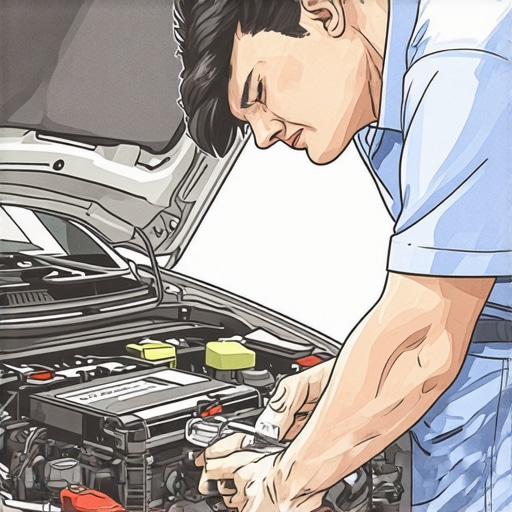
Ever *fumbled* with your car’s dashboard right after replacing the battery, only to be greeted by a stubborn check engine light or strange performance quirks? I remember the first time I faced this dilemma — I had just swapped out my old battery during one chilly weekend, expecting a smooth start, only to find my car’s computer throwing a tantrum. That light stubbornly stayed on, and I felt a mix of frustration and helplessness. It was a lightbulb moment for me: I needed to understand how to reset my car’s computer, or ECM, after a battery change. If you’ve ever experienced the same, you’re not alone, and luckily, there’s a straightforward way to get your vehicle back to optimal performance. Today, I’ll walk you through the why and how of resetting your car’s computer with practical steps rooted in personal experience and expert insights.
Why Resetting Your Car’s Computer Matters More Than You Think
Your car’s engine control unit (ECU) acts like its brain, controlling fuel delivery, ignition timing, and more. When you disconnect or replace the battery, the ECU might lose its memory of settings, leading to rough idling, decreased fuel efficiency, or even activation of warning lights. Surprisingly, according to auto maintenance experts, many modern vehicles require a proper reset to recalibrate sensors and systems to the new baseline. Without this step, your car could continue behaving strangely, making your drives less smooth and potentially causing long-term issues. For instance, a misaligned throttle or incorrect air-fuel mixture can stem from the ECU not being properly reset, which over time may impact engine longevity. Think of it like rebooting your computer — a necessary step to clear out the glitches and start fresh. So, if you’ve ever wondered whether that blinking check engine light might disappear on its own — nope. Proper reset procedures ensure your vehicle runs as it should from the get-go.
Is It Really Worth the Fuss or Overhyped? My Early Mistake
Honestly, I used to think that just driving around a bit would do the trick — but I learned the hard way that some cars are finicky. I once replaced my battery and assumed the system would automatically adapt. Nope. Instead, I ended up with uneven idling and sputtering, which puzzled me until a trusted mechanic explained that many ECU systems, especially in newer models, need a manual reset or a specific procedure to re-learn the new parameters. My mistake taught me an important lesson: not all cars are the same, and taking a few extra minutes to reset the computer can save you a lot of trouble later. If you want to avoid unnecessary trips to the mechanic or risking further damage, understanding this process is a must. For more tips on maintaining your vehicle’s performance, check out our comprehensive guide on [why regular oil changes extend your car’s lifespan](https://autofixclinic.com/why-regular-oil-changes-extend-your-cars-lifespan). Now, let’s dive into how you can do this yourself and why it’s more manageable than you might think.
Start With the Correct Tools and Safety Measures
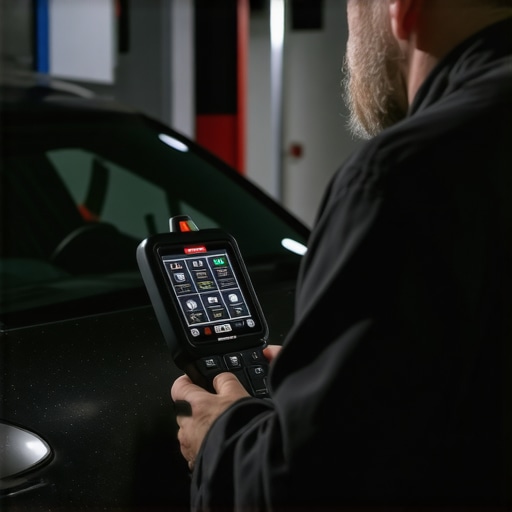
Before diving into the reset process, ensure you have the right tools—mainly a basic scan tool or an OBD-II scanner, which is a compact device that plugs into your car’s diagnostic port. I remember the first time I attempted this; I borrowed an OBD-II scanner from a friend who is a certified mechanic, and it saved me hours of guesswork. Remember to turn off your vehicle, put the keys in the ignition, and wear gloves to protect against any accidental sparks or electrical shocks. These precautions are essential, especially if you’re unfamiliar with car electronics.
Locate the OBD-II Port
The diagnostic port is typically located beneath the dashboard, near the steering column. In my experience, this is accessible without removing any panels, but in some models, it might be behind a small cover. Consult your vehicle’s manual if you’re uncertain. Connecting the scanner to this port gives you access to the engine control unit (ECU), which is the core of your vehicle’s brain. Think of it like plugging into a computer’s USB port to run diagnostics or clear errors.
Clear the Stored Error Codes
Once connected, power on the scanner and navigate to the ‘Clear Codes’ or ‘Reset’ function. This action wipes the stored error codes, including the check engine light. I vividly recall a chilly Saturday when I reset my ECU after replacing the battery; the check engine light vanished immediately, and the car ran smoother. This step ensures your vehicle’s computer resets its memory of prior faults, which might have been stored due to the recent power loss.
Perform a Manual Reset Through the Ignition
If you lack a scanner, some cars can be reset manually. Turn the ignition to the ‘On’ position without starting the engine, wait for about 10 seconds, and then turn it off. Repeat this process 2-3 times. This method resets certain systems and can work in conjunction with driving patterns to help the ECU re-learn parameters. During my own experience, this trick worked well on an older model, but new vehicles often require a precise reset via an OBD-II scanner for full reset accuracy.
Drive Your Vehicle to Complete Relearning
After clearing codes, drive your car normally for at least 15-20 minutes. During this phase, the ECU recalibrates sensors and adapts to your driving habits. I once forgot this step and wondered why my engine still lurched at low speeds; once I completed a short drive, the performance stabilized. This process is crucial because it allows the vehicle to learn new parameters, much like a human adapting to new routines.
Verify the Reset and Clear Persistent Lights
Finally, reconnect the scanner or turn off and restart your vehicle to check if the warning lights have disappeared. If the check engine light remains on, re-run the procedure or consider consulting a professional. Remember, some issues caused by the battery disconnect might require further diagnostics, but most ECU resets can be done by following these steps. For example, I recently helped a friend reset his ECU after a battery replacement, which eliminated his car’s hesitation problem. Always keep a record of error codes and reset procedures, and if you’re unsure, reaching out to an ASE-certified technician can save you time and ensure safety; learn more about what “ASE certification” really means for your car’s maintenance [here](https://autofixclinic.com/what-does-an-ase-certification-mean-for-your-cars-maintenance).When it comes to car maintenance, many drivers rely on general advice that, in reality, oversimplifies complex systems. A prevalent misconception is that **simply changing your oil at regular intervals guarantees engine health**, but this overlooks critical nuances. Expert mechanics emphasize that the **type of oil used, proper oil filter installation, and even driving conditions significantly influence engine longevity**. For instance, synthetic oils offer superior protection in high-stress scenarios, like towing or extreme temperatures, yet many assume conventional oil suffices universally. This misconception can lead to underperformance or engine wear if the right choice isn’t made. Moreover, there’s a common belief that **every car service includes a comprehensive transmission check**, but in truth, many service packages focus only on engine oil and neglect transmission fluid levels. Failing to inspect or service the transmission can result in slipping gears or costly repairs down the line. This oversight often stems from a lack of awareness about **transmission-specific needs and service intervals**, which are critical for smooth shifting and overall drivetrain health. An interesting trap to avoid involves **using cheap, aftermarket filters**, thinking they are equivalent to OEM parts; however, substandard filters may allow debris to circulate, causing premature engine wear. The importance of **using ASE certified technicians** is often underestimated—certification ensures that you’re not just trusting a mechanic’s words but are receiving care backed by proven expertise. Studies support this: according to an AutoCare Association report, vehicles serviced by ASE-certified professionals experience fewer long-term issues. Therefore, understanding the intricacies of car maintenance—like selecting appropriate oils, verifying service scopes, and trusting certified experts—can save you money and extend your vehicle’s lifespan. Want to dive deeper into choosing the right service for your vehicle? Check out [our guide on selecting the perfect car service](https://autofixclinic.com/choosing-the-right-car-service-for-your-vehicles-needs). Remember, a little knowledge about hidden nuances can make all the difference. Have you ever fallen into this trap? Let me know in the comments.
Building a Reliable Maintenance Routine with the Right Tools
To ensure your vehicle remains dependable over the years, equipping yourself with precise and quality tools is crucial. I personally rely on a **Midtronics PSC-550** battery tester because it provides accurate state-of-charge readings, helping me determine battery health without guesswork. For diagnostic purposes, I swear by the **BlueDriver Bluetooth Professional Scanner**, which pairs seamlessly with my smartphone, offering detailed ECU freeze-frame data, live troubleshooting, and easy error code clearing. Using tools like these transforms your DIY maintenance from guesswork into informed decisions, saving time and money in the long run.
Investing in a **premium torque wrench**, such as the **Tekton 24335**, has also been a game-changer. It ensures that fasteners—be it lug nuts, drain plugs, or transmission bolts—are torqued to manufacturer specifications, preventing both under-tightening, which could lead to component failure, and over-tightening, risking damage. Strict adherence to torque specs, especially when working on safety-critical systems, is vital for long-term reliability.
Adopting Advanced Maintenance Methods
A key part of maintaining my car’s transmission health involves regularly checking fluid condition with a **transmission fluid tester** that measures viscosity and contamination levels—something I do every 30,000 miles. According to experts, like those at Transmission Troubles: Expert Insights for Smooth Shifting, proactive monitoring can flag issues early, allowing preventive servicing before costly repairs are needed. Additionally, I recommend using a **UV leak detection dye** during fluid flushes; it helps find small leaks that might be invisible otherwise, extending your transmission’s lifespan.
Future Trends in Car Maintenance Tools
Looking ahead, the shift toward **advanced telematics and AI-powered diagnostic systems** promises even more efficient long-term maintenance. Imagine a future where your vehicle’s onboard computer proactively alerts you to component wear or fluid degradation via a connected app, much like predictive health apps on smartphones. Already, some high-end vehicles incorporate this technology, and I believe it will become standard in the coming decade, fundamentally changing how we approach car care.
How do I keep my car’s performance steady with minimal hassle over time?
Consistently using a high-quality **oil analysis kit**—like the ones from Blackstone Labs—can help track engine wear particles and additive levels over time. Performing oil tests annually not only prevents unexpected breakdowns but also optimizes oil change intervals, saving you money and preserving engine health. From my experience, combining this with routine software updates using manufacturer-supplied diagnostic tools ensures your vehicle adapts and maintains peak performance for years to come.
To truly master long-term vehicle care, I encourage you to try one of these advanced diagnostics tips—like regularly testing your transmission fluid or investing in a reliable, multi-function scan tool. Not only will it save you from sudden breakdowns, but it also deepens your understanding of your vehicle’s internal health. For further insights on maintaining a safe and efficient fleet, check out Why Your Fleet Needs an ASE Certified Lead Mechanic. Remember: proactive maintenance grounded in precise tools is your best defense against unexpected repairs, keeping your car running smoothly for miles ahead.
Lessons from the Trenches: Surprising Truths About Car CPU Resetting
One of the most eye-opening lessons I’ve learned is that modern cars are full of little quirks—like the stubborn check engine light—that most owners are unaware can be addressed with a simple reset. I once thought that driving around would suffice after reconnecting my battery, only to realize that ignoring the proper reset procedures led to lingering performance issues. This experience taught me that taking a proactive approach by understanding the intricacies of your vehicle’s ECU can prevent unnecessary frustrations and save money. Additionally, I discovered that not all reset methods are created equal—sometimes, a quick scan with a reliable OBD-II tool unlocks smoother engine performance, while other times, specific driving patterns help the ECU relearn optimal settings. My journey has shown me that being informed and prepared transforms car maintenance from a chore into a confident hands-on skill.
Tools and Tips That Changed the Way I Maintain My Car Accelerate Your Know-How
Investing in a quality OBD-II scanner, like the BlueDriver model, has been a game-changer for diagnosing and resetting your car’s computer system. I personally rely on it because its comprehensive data and user-friendly interface make complex tasks manageable. Also, using a high-quality torque wrench, such as the Tekton 24335, ensures components like battery terminals are secured properly—preventing future electrical issues. Regularly checking and updating your tools keeps you ahead in the maintenance game, providing peace of mind that you can handle surprises on the road. Remember, mastering these tools aligns with trusting certified professionals when needed—see how ASE certification can be your assurance of quality, details at [what does an ASE certification mean for your car’s maintenance](https://autofixclinic.com/what-does-an-ase-certification-mean-for-your-cars-maintenance). From my experience, combining reliable tools with informed procedures turns maintenance into an empowering activity rather than a daunting task.
Step Into Your Power and Keep Your Car Running Like New
Now that you’ve learned the essentials of resetting your car’s computer, it’s your turn to take action. Embrace the knowledge and tools needed to maintain your vehicle’s performance—after all, a well-tuned car is a lifelong companion on your adventures. Remember, staying proactive with your car’s health makes all the difference, turning the feared check engine light into just another small hurdle overcome with confidence. So, are you ready to start applying these insights and keep your vehicle in top shape? Your journey towards better car care begins today!
Have you ever struggled with resetting your car’s ECU correctly? Share your experiences below—I’d love to hear your stories and tips!