The Reason Your Car Shakes While Idling at a Traffic Light
It was a typical Tuesday afternoon when I noticed my car shuddering unexpectedly as I sat at a traffic light. That uncomfortable shake, which I initially brushed off as a quirky engine quirk, suddenly became a persistent annoyance. The more I ignored it, the more I realized this wasn’t just a minor inconvenience—it was a sign that something was off. That lightbulb moment led me down a path of discovery, where I learned that a shaking engine during idle can be a red flag for underlying issues, some of which are surprisingly simple to fix.
Understanding the Vibration: When Idle Becomes an Issue
If you’ve experienced something similar, you’re probably wondering why your car isn’t running smoothly anymore. The truth is, a shaking engine at a traffic stop isn’t something to dismiss. It can be caused by a variety of factors, from minor misfires to more serious transmission problems. But here’s the good news: many of these issues are manageable once you know what to look for and how to address them.
Before I dive into the common causes, I want to share a quick tip. Early on, I made the mistake of assuming that engine shakes were always due to something serious like a faulty transmission. Turns out, the culprit was often a simple spark plug issue or an unbalanced tire. Don’t make the same mistake I did—regular maintenance can prevent these minor issues from escalating into costly repairs.
According to experts, neglecting to address engine vibrations can lead to decreased fuel efficiency and even engine damage over time. An ASE-certified technician can diagnose these symptoms accurately, so if you’re unsure, it’s worth seeking professional advice. Want to learn more about maintaining your car’s health? Check out some top oil change tips for 2025 to keep your vehicle running smoothly.
Are you tired of the unpredictable shakes and jitters? Keep reading. We’re about to explore the most common reasons for a car to shake at idle and, more importantly, what actions you can take to resolve them seamlessly.
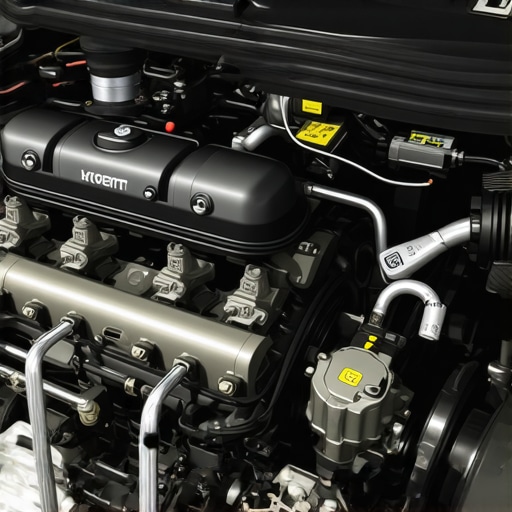
Start With a Visual Inspection
Before diving into complicated tests, open your hood and check for obvious issues like loose wires or hoses. If you spot disconnected or damaged components, fixing these can resolve your engine shake immediately. For example, I once found a disconnected vacuum hose, reattached it, and the shaking ceased—saving a costly mechanic visit.
Check the Spark Plugs and Ignition System
Worn or faulty spark plugs are common culprits. Remove each plug, inspect for corrosion or carbon buildup, and replace if necessary. Use a spark plug socket and a torque wrench to tighten them correctly—over-tightening can damage threads. I replaced old plugs in my sedan following this step, which improved smoothness at idle and prevented misfires.
Assess the Fuel and Air Filters
Clogged filters restrict airflow and fuel flow, causing rough idling. Locate the filters, usually near the engine or under the car, and replace them if dirty. Performing this maintenance is straightforward; I learned this at home from a tutorial, and after replacing the filters, my engine ran smoother again.
Perform a Compression Test
This test measures the pressure in each cylinder. If one or more cylinders show low compression, that indicates piston or valve issues. Use a compression gauge, and follow the vehicle’s manual instructions. When I did this on my older vehicle, I found one cylinder significantly underperforming, leading me to consult a professional for further repairs.
Analyze the Engine Sensors
Sensors like the oxygen sensor, mass airflow sensor, and throttle position sensor play critical roles. Use an OBD-II scanner to read error codes and diagnose sensor malfunctions. I borrowed a scanner from an auto parts store, identified a faulty MAF sensor, replaced it, and my engine’s idle stability improved dramatically.
Consider the Fuel System
Dirty injectors or a failing fuel pump can cause rough idle. Adding a fuel system cleaner or having injectors professionally cleaned can restore proper spray patterns. I added a recommended cleaner to my tank, ran the engine through a cycle, and noticed a smoother idle—demonstrating a simple fix that has proven effective for many.
Finalize With a Professional Diagnosis
If all your checks don’t resolve the shake, visit an ASE-certified mechanic for a comprehensive diagnosis. Certified techs, like those at Autofix Clinic, use advanced tools to pinpoint persistent issues—such as transmission trouble or engine misfires—that are harder to detect. Learn what ASE certification means for quality service.
Prevent Future Shakes Through Regular Maintenance
Scheduling routine oil changes—see top oil change tips—ensures your engine stays in top condition, reducing the likelihood of rough idle symptoms. Remember, neglecting these simple steps can lead to costly repairs down the line; proactive care keeps your vehicle running smoothly longer.
Many car owners operate under assumptions about vehicle maintenance that can lead to costly mistakes. One widespread myth is that all oil changes are interchangeable, but in reality, choosing the correct type of oil—synthetic or conventional—and adhering to recommended intervals, is vital for engine longevity. Contrary to popular belief, more frequent oil changes do not necessarily mean better protection; instead, understanding your vehicle’s specific needs and following expert advice, such as the top oil change tips for 2025, can make a huge difference.
Are All Transmission Repairs Created Equal?
It’s a common misconception that a transmission repair is always a major overhaul. However, many issues, especially in newer models, can be addressed with minor adjustments or fluid changes. Transmission troubleshooting by ASE-certified technicians often reveals that small fixes—like replacing a faulty solenoid or flushing old fluid—can restore smooth shifting without expensive replacements. Rushing into costly repairs without proper diagnostics can waste money; instead, a nuanced approach makes all the difference.
Myths Surrounding ASE Certification and Its Significance
Some believe ASE certification guarantees a mechanic’s superior skill, but in reality, it’s a baseline of competence, not a catch-all indicator of expertise. Understanding what ASE certification entails helps you identify qualified professionals who stay updated with the latest tech and repair methods. An ASE-certified technician with specialized training in your vehicle’s brand could outperform a generalist with more experience but no specific certification.
Watch Out for Oversimplified Car Service Advice
Many car owners fall into the trap of following generic maintenance schedules or advice that overlook the nuances of their specific vehicle model or driving habits. For example, sticking rigidly to a fixed 3,000-mile oil change interval regardless of manufacturer recommendations can lead to unnecessary oil changes and wasted money. Instead, tailored maintenance plans—which include top oil change tips for safe driving in 2025—ensure optimal performance and longer vehicle lifespan.
Nuance: The Hidden Impact of Maintenance on Vehicle Lifespan
Perceived as optional or secondary, minor maintenance tasks like checking and replacing worn transmission fluid or inspecting the cooling system can significantly extend your car’s operational life. Neglecting these can cause gradual damage, leading to expensive repairs or premature replacements. Experts emphasize that regular oil changes and routine inspections are vital not just for engine health but for your vehicle’s overall reliability.
Have you ever fallen into this trap? Let me know in the comments. Addressing these misconceptions and understanding the true importance of nuanced vehicle maintenance can save you money and frustration, while also ensuring your car performs reliably for years to come.Maintaining your vehicle’s health is an ongoing process that benefits greatly from the right tools and a disciplined approach. When I first started paying closer attention to my car’s performance, I quickly realized that investing in quality diagnostic and maintenance equipment made a noticeable difference. For example, using a reliable OBD-II scanner allowed me to read error codes from my vehicle’s ECU directly, pinpointing issues like sensor malfunctions or pending transmission faults before they escalated. Unlike cheap counterparts, a high-quality scanner such as the Autel MaxiCOM or BlueDriver provides comprehensive data and user-friendly interfaces that save time and reduce guesswork.
In addition, I rely on specific hand tools that have proven invaluable. A digital torque wrench ensures bolts and spark plugs are tightened to manufacturer specifications, preventing damage or premature wear. For tasks like replacing transmission fluid or checking fluid condition, I use a transparent, calibrated container to collect and analyze samples — this simple trick helps me assess the quality of critical components without costly diagnostic visits.
Looking ahead, I believe the trend in vehicle maintenance will shift even more towards digital diagnostics combined with AI-driven systems. Vehicles are becoming smarter, and so must we as owners. Software updates, remote diagnostics, and smartphone integrations will empower us to maintain our cars more proactively and efficiently.
So, how can you implement these tools into your routine? Start by acquiring an OBD-II scanner that matches your comfort level and budget. Once connected, regularly scan for error codes during routine oil changes—it’s a small step that can prevent substantial repairs. Speaking of oil, check out our detailed guide on top oil change tips for safe driving in 2025 to stay ahead of engine wear.
To keep your vehicle in top shape over the years, develop a habit of routine inspections, monitoring filter conditions, and using diagnostic tools for early problem detection. Remember, a well-maintained car not only performs better but also retains its value longer. If you’re ready to dive into more advanced maintenance techniques, consider investing in a professional-grade scanner and learning how to interpret the data. Start by trying a simple diagnostic test after your next oil change—this small step can save you from unexpected breakdowns and costly repairs.
Lessons That Changed My Approach to Car Care
Discovering that a simple spark plug replacement could resolve what seemed like a complex engine shake was a revelation. It taught me to trust basic diagnostics before rushing into expensive repairs. I also learned that neglecting tiny warning signs like subtle vibrations or hesitant shifts often leads to more significant problems down the road. The biggest insight was understanding that personalized maintenance—tailored to my vehicle’s unique needs—outperforms generic schedules every time. Finally, I realized that empowering myself with knowledge about ASE certification and proper tools turned me from a skeptical owner into a confident car health protector.
Tools and Resources That Elevate My Maintenance Game
The top oil change tips for 2025 guide is my go-to resource for staying updated on best practices, ensuring I use the right oils and filters. My reliable digital OBD-II scanner helps me catch issues early—saving money and preventing breakdowns. I rely on ASE-certified tech reviews to choose trustworthy professionals, knowing their expertise offers peace of mind. Lastly, a quality torque wrench guarantees precise fastener tightening, which is crucial for safety and longevity. These tools and guides collectively make maintenance less daunting and more effective, giving me confidence in every repair or check-up I undertake.
Your Journey Starts With Confidence
Remember, every step you take to understand your vehicle deepens your relationship with it. Embrace the learning curve, utilize the right tools, and seek professional help when needed—your vehicle’s longevity depends on it. The more informed you are, the more proactive you can be in preventing costly breakdowns and ensuring smooth rides ahead. Don’t wait for a shake or warning light to act—start implementing these insights today and enjoy the journey of keeping your car in peak condition.
What’s the first maintenance step you plan to tackle after reading this? Share your thoughts below—I’d love to hear your plans for a healthier engine!