The Hidden Signs Your Timing Belt is About to Snap
I remember the moment it happened like it was yesterday. I was cruising down the highway when suddenly, my car jolted worse than a roller coaster ride. The engine sputtered, and I felt a jolt so intense I feared I’d been rear-ended. Turns out, my timing belt had just about given up its fight—thankfully, I caught the warning signs in time. That brush with disaster was a wake-up call for me, and I bet many of you have experienced something similar, whether it’s strange noises, rough idling, or even a sudden breakdown.
Why Ignoring Timing Belt Warnings Could Cost You Big
Your vehicle’s timing belt might not be as flashy as a shiny new paint job or high-tech gadgets, but it’s absolutely crucial for your engine’s health. When it starts to fail, the signs can be subtle—slightly misaligned timing, strange ticking sounds, or a rough engine feel. Overlooking these clues can lead to catastrophic engine damage, often requiring an expensive repair or replacement.
To prevent a costly headache, it’s vital to understand the early, often hidden, signs your timing belt is near its breaking point. The good news? There are tangible, real-world cues that you can train yourself to notice, even if you’re not a mechanic.
Is It Really Worth Worrying About the Timing Belt?
I used to think those old mechanics’ tales about timing belts were overhyped. But early in my car care journey, I made a mistake—ignoring that odd squeal during startup. That squeak turned out to be a warning sign I wish I’d caught sooner. Trust me, following the advice on signs like belt fraying, cracking, or missing teeth can save you from a nightmare.
Regular maintenance is your best friend here. For guidance on keeping your vehicle in top shape, check out [how regular oil changes extend your car’s lifespan](https://autofixclinic.com/why-regular-oil-changes-extend-your-cars-lifespan). Not taking even the simplest warning signs seriously can cost a lot more than a scheduled tune-up.
By staying vigilant about your engine’s subtle cues, you can avoid the dreaded surprise of a snapped timing belt. Next, I’ll walk you through the specific signs to watch for, so you can catch trouble before it happens—and keep your vehicle running smoothly. Do you recall any odd noises or symptoms that led you to suspect timing belt issues? Share your experiences after reading through the tips ahead.
Inspect the Belt for Visible Damage
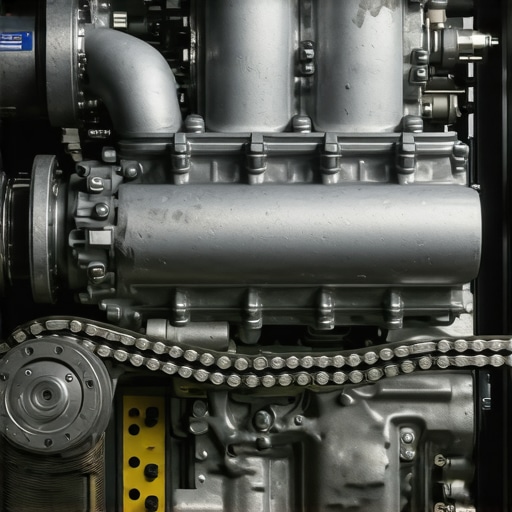
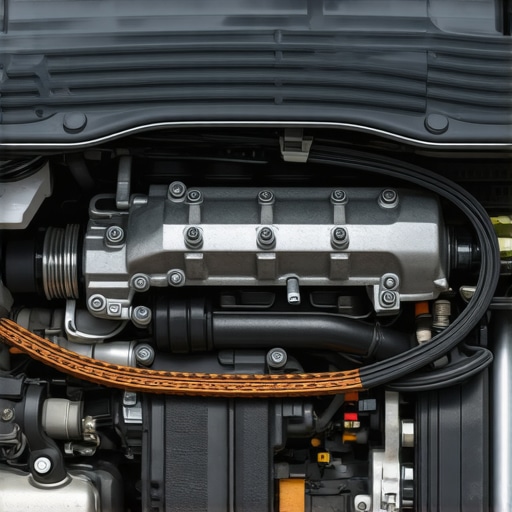
Start by opening your hood and locating the timing belt, which is usually behind a protective cover. Look for fraying, cracks, or missing teeth on the belt. In my experience, a quick visual check saved me from a costly engine repair. If you notice any damage, it’s crucial to replace the belt immediately—delaying can lead to catastrophic engine damage. Remember, wear signs are subtle; don’t dismiss minor cracks.
Listen for Unusual Engine Noises During Startup
Next, pay attention to the sounds your engine makes during startup. A squealing or chirping noise often indicates belt tension issues or aging components. I once ignored a squeal, which turned into a snapped belt and a day in the shop. To catch this early, start your engine and listen carefully—any strange sound warrants a professional inspection. Regularly scheduled service can prevent these surprises.
Assess Belt Tension and Alignment
Proper belt tension is vital for smooth operation. You can verify tension with a belt tension gauge, or check if the belt feels loose when pressed. Misaligned pulleys can cause uneven wear; look for signs like lopsided cracks or uneven fraying. I used a simple ruler to measure the tension, which helped identify an issue before the belt slipped or snapped. If tension or alignment is off, consult a mechanic or refer to your vehicle’s manual for adjustment procedures.
Detect Engine Misfires or Rough Idling
Engine misfires or rough idling are telltale signs of timing issues stemming from belt problems. During my own experience, a rough idle prompted a mechanic to check the timing, revealing a slipping belt. If your engine jerks or stalls unexpectedly, don’t ignore it. These symptoms often indicate that the timing belt isn’t synchronizing engine components properly, risking severe damage if not addressed promptly.
Perform a Compression Test
For a more in-depth diagnosis, conduct a compression test to verify internal engine timing. A significant difference in cylinder compression can indicate accurate timing failures. I borrowed a compression tester from a local auto parts store, which clarified the issue as a misaligned camshaft caused by a worn belt. While this step requires some technical skill, it provides concrete evidence of timing belt health.
Consult a Certified Technician for Precise Diagnosis
Finally, if uncertainties remain after your checks, seek a professional’s opinion. An ASE-certified mechanic can perform advanced diagnostics, such as using an oscilloscope to test ignition timing. Visiting a reputable shop—perhaps one recommended in this guide—ensures accurate assessment and prevents unnecessary belt replacements. Remember, early intervention is key for avoiding engine failure and costly repairs.
While most drivers understand that regular oil changes and ASE certification matter, the real depth of car maintenance often escapes them. Many believe that as long as oil is changed regularly, their vehicle is invincible—yet, neglecting subtle issues like transmission health or misinterpreting service recommendations can lead to premature failures. For instance, a common myth is that transmission fluid doesn’t need regular checks because it’s ‘lifetime’ fluid, but experts now warn this can cause unnoticed wear and eventual costly repairs. **Did you know that not all ASE-certified technicians possess equal expertise?** According to a study by the Automotive Service Association, only a fraction of technicians maintain ongoing training, which directly impacts diagnosis accuracy and repair quality. Learning the nuanced distinctions—such as recognizing signs of early transmission slippage or understanding the importance of specific fluid types—can significantly extend your vehicle’s lifespan. For example, the difference between a simple transmission drain and a full flush isn’t always obvious to laymen, yet choosing the wrong procedure can harm internal components. Moreover, many drivers underestimate the importance of timely service for complex systems like the cooling or ignition systems; a minor misfire or slight overheating could point to issues that worsen if ignored. Making wise decisions about service intervals, trusting certified mechanics with ongoing training, and understanding the finer points—like correctly diagnosing engine hesitation—are critical for real maintenance mastery.
So, are you catching on to the real distinctions that separate an average driver from a seasoned car owner? A regular oil change, while essential, isn’t the whole story. To genuinely protect your investment, familiarize yourself with **how proper transmission care can prevent costly repairs** and ensure smooth shifting over the years. Don’t fall into the trap of assuming safety comes from superficial checks; instead, inquire whether your mechanic fully diagnoses issues using tools like advanced diagnostics and understands the importance of system-specific fluids.
For more on what ASE certifications truly mean and how they impact your car’s maintenance, check out this detailed guide. And remember, consistent, nuanced care is your best defense against unexpected breakdowns. Have you ever fallen into this trap? Let me know in the comments.
Maintaining Your Vehicle for Long-Term Performance
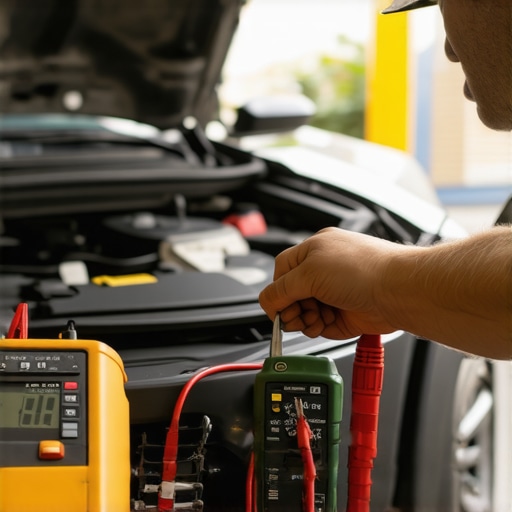
Keeping your vehicle in top shape requires more than just occasional oil changes. Investing in the right tools and adopting precise maintenance routines can extend your car’s lifespan and prevent costly repairs. I personally rely on a high-quality digital multimeter for electrical diagnostics, as it allows me to quickly identify issues like faulty sensors or starter problems. Additionally, a reliable torque wrench ensures I tighten fasteners to manufacturer specifications, preventing over-tightening or under-tightening that can lead to component failures.
Beyond basic tools, software likeOBD-II scan tools has revolutionized vehicle diagnostics. I use a Bluetooth-enabled scanner that pairs with my smartphone, enabling me to read and clear engine codes instantly. This approach helps me pinpoint issues early, especially with complex systems like transmission or emissions controls, without unnecessary trips to the mechanic. As technology advances, I predict integrated diagnostic apps combining hardware and AI will become standard, offering even more precise maintenance guidance.
How do I maintain my vehicle’s systems over time?
Establishing a regular maintenance schedule tailored to your vehicle’s needs is key. Following manufacturer guidelines—such as those outlined in this resource—ensures vital components like transmission fluid and filters are replaced before they cause damage. Incorporating checks for belts, hoses, and electrical systems at routine intervals helps catch potential problems early, saving you money and stress.
In my experience, learning to interpret dashboard warning lights and using diagnostic tools effectively can dramatically improve longevity. For example, a simple scan with an ASE-certified technician’s diagnostic tool can reveal hidden transmission issues or sensor faults that might not have obvious symptoms. These insights empower you to schedule targeted repairs, ensuring that crucial systems like transmission or engine management remain reliable.
Embracing scaled-up technology for better car care
As vehicles become more sophisticated, so does the need for specialized tools. I believe the future of vehicle maintenance lies in AI-driven diagnostics integrated with IoT sensors embedded in the car. These systems will continuously monitor vital parameters, alerting owners of issues like impending transmission slippage or oil degradation long before it becomes critical. Staying ahead means adopting these innovations early and maintaining a habit of proactive checks.
For now, my best tip is to invest in a good OBD-II scanner and familiarize yourself with interpreting the data it provides. Try diagnosing your vehicle’s transmission health based on real-time data—this simple step can lead to earlier repairs, less downtime, and better overall performance. Remember, consistent, informed maintenance is your best defense against unexpected breakdowns.

Image description: A professional mechanic using an OBD-II scanner to diagnose a vehicle’s transmission system.
Alt: Technician scanning a car’s transmission with a Bluetooth OBD-II device.
Title: Diagnosing Transmission Issues with Advanced Tools
Lessons from the Garage That Changed My Approach to Car Maintenance
One of the most impactful lessons I learned was to never dismiss small symptoms—the squeal during startup or a slight hesitation—because they often signal bigger issues like timing belt wear. I once ignored a warning light only to face a costly transmission rebuild. My biggest insight? Regularly checking belts, fluids, and listening to engine sounds can save you from surprises and thousands of dollars in repairs.
Another revelation was realizing that skilled diagnostics aren’t just for big repairs; they’re crucial for early detection. Investing in a good OBD-II scanner transformed how I monitor my vehicle’s health and avoided breakdowns. And, accepting that even ASE certification isn’t foolproof pushed me to seek ongoing education, reminding me that expert knowledge evolves over time, much like our driving habits.
Finally, I discovered that proactive maintenance—like proper belt tension checks and fluid analyses—can extend your transmission’s lifespan significantly. It’s these small, consistent actions that become the foundation of reliable vehicle operation, ensuring your car performs seamlessly for many miles ahead.