The Truth About High-Mileage Oil vs Standard Synthetic Blends
I vividly remember the first time I changed my car’s oil and wondered if I was truly making the right choice. The engine was running smoothly, but a nagging doubt crept in—was I doing enough to protect my vehicle long-term? That lightbulb moment led me down a rabbit hole of research and personal trial, revealing that not all oils are created equal, especially when you’re brewing past the 100,000-mile mark.
If you’ve ever stood in the auto parts aisle, trying to decide between regular synthetic blends and high-mileage oils, you’re not alone. It can feel overwhelming with so many options and conflicting advice flying around. But here’s the truth: selecting the right oil isn’t just about what’s cheapest or most popular—it’s about understanding what your engine actually needs as it ages.
Today, I want to share what I’ve learned from my own experience and professional insights. We’ll explore whether high-mileage oils truly live up to the hype and if they actually can make a difference for your vehicle’s longevity. Stick around, because I’ve uncovered some truths that could extend your engine’s life and save you serious cash in the long run.
Why High-Mileage Oil Isn’t Just a Marketing Gimmick
In my early days of vehicle maintenance, I made a mistake many car owners do—assuming all oils are the same and that any synthetic blend would do the trick. I thought, “Why pay more for ‘high-mileage’ labels?” Turns out, I was missing a critical way to care for my aging engine. High-mileage oils contain special additives that help reduce leaks, diminish engine wear, and restore some lost compression. Such features can be game changers for vehicles creeping past 100,000 miles.
Research confirms that maintaining proper lubrication becomes increasingly crucial as a car ages. According to a detailed guide I trust, regular oil changes are a cornerstone of vehicle longevity—something emphasized by certified technicians. You can learn more about this at [why regular oil changes extend your car’s lifespan](https://autofixclinic.com/why-regular-oil-changes-extend-your-cars-lifespan).
But here’s the rub: early in my journey, I made a mistake that many do—ignoring the specific oil requirements for high-mileage engines and sticking to a generic oil. This oversight can cause issues like increased oil consumption and accelerated engine wear. So, before you make your choice, it’s wise to understand what your car truly needs and whether investing in a high-mileage formulation is worth it for your particular situation.
Now, let’s dig deeper into how to tell if your vehicle is ready for this kind of upgrade and what signs indicate that high-mileage oil could be your new best friend. Stay tuned—I promise this knowledge will empower your next oil change and could be the key to keeping your engine healthier longer.
Gather Your Tools and Preparation
Before diving into the oil change, ensure you have all necessary tools: a new oil filter, the correct type and amount of oil, a wrench, a drain pan, and gloves. I remember once skipping the gloves and ending up with oil-stained hands that took days to clean, so don’t make that mistake. Check your vehicle’s owner manual or consult this tool to select the right oil and filter for your car.
Safely Elevate and Stabilize Your Vehicle
Use a jack and jack stands to lift your car if necessary, especially for easier access to the drain plug and oil filter. Be sure the car is on a flat surface and securely supported. This reduces the risk of accidents—think of it like stabilizing a tall ladder before working on it. For guidance, here’s a step-by-step safety tip for proper vehicle support.
Drain the Old Oil
Place the drain pan underneath the oil pan’s drain plug. Using the wrench, loosen and remove the plug carefully—remember, the oil will be hot, so handle with caution. As I learned from personal mishaps, letting the oil cool for a few minutes prevents burns. Once drained, quickly replace the drain plug to prevent leaks and cleanup messes. This process is straightforward but vital—skipping it can lead to engine issues down the line.
Replace the Oil Filter
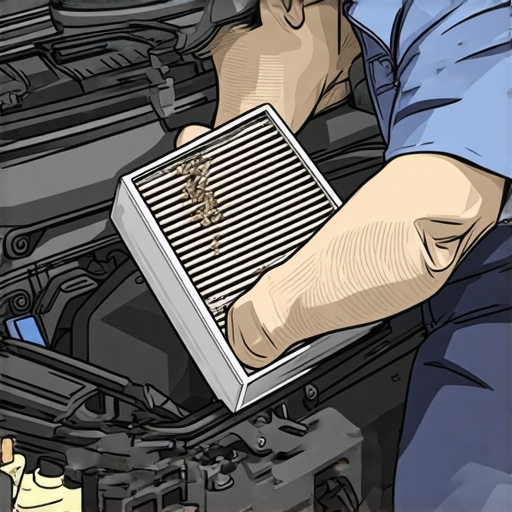
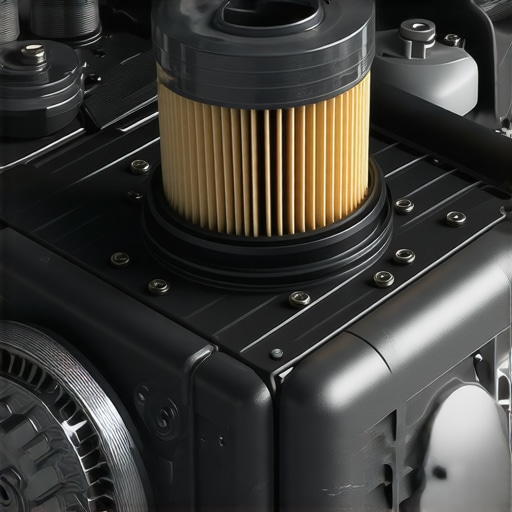
Locate the old filter and unscrew it using an oil filter wrench. Apply a little oil to the gasket of the new filter before installing—this ensures a proper seal. Be meticulous here; a poor seal causes leaks and reduces oil pressure, similar to how a bad gasket affects transmission efficiency. Replace the filter promptly to avoid contamination of fresh oil—learn more from this filter replacement guide.
Refill with Fresh Oil
Pour the recommended amount and type of oil into the engine. Use a funnel for neatness and to prevent spills. After filling, run the engine for a few minutes, then check the oil level with the dipstick and top off if necessary. This step is critical—underfilling can cause engine wear, akin to a wound that isn’t properly dressed. Checking and topping off ensures your engine receives optimal lubrication.
Proper Disposal and Record-Keeping
Dispose of used oil and filters responsibly at authorized recycling centers—never pour oil down the drain. Keep a record of your oil change date and type; it helps plan future maintenance and ensures your vehicle runs smoothly longer. I set reminders based on the manufacturer’s interval, which can be found in this recommendation list.
When it comes to car maintenance, many car owners believe they understand the basics, but there are several misconceptions that can lead to costly mistakes. One popular myth is that all transmission fluid is the same, but in reality, using the wrong type can lead to premature transmission wear. According to experts, specific vehicles require particular transmission fluids, and mixing or neglecting this can cause shifting issues or even transmission failure. This nuanced detail is often overlooked, leading to serious issues that could have been avoided through proper service.
Another misconception is that ASE certification guarantees a mechanic’s competence in all areas. While ASE certification does indicate a certain level of knowledge, it doesn’t necessarily reflect a technician’s familiarity with your specific vehicle model or recent technological updates. It’s essential to ask detailed questions and seek technicians who specialize in or have extensive experience with your vehicle brand. This advanced approach can prevent service errors and ensure your vehicle receives the appropriate care.
Many assume that delaying oil changes won’t harm their engine, but evidence shows that neglecting regular oil maintenance accelerates engine wear and can result in major repairs. Regular oil changes, ideally aligned with manufacturer recommendations, are crucial, especially for high-mileage engines. Proper lubrication reduces friction, prevents sludge buildup, and extends engine life, as highlighted in comprehensive guides available at Autofix Clinic.
A less obvious mistake many make involves transmission flushes. Some believe that frequent flushes are unnecessary or even harmful, but according to transmission experts, proactive service can prevent buildup and corrosion. However, performing a flush without proper procedure or using incompatible chemicals can dislodge debris that then damages vital components. Always consult with a knowledgeable mechanic or refer to trusted sources like transmission tips for advanced guidance.
The hidden trap here is the assumption that more frequent service is better. Over-servicing can be as detrimental as neglect, leading to unnecessary costs and potential component wear from excessive intervention. For advanced vehicle maintenance, understanding manufacturer intervals and using diagnostics to assess actual needs is key. As I recommend, regularly consulting resources like regular oil change info can help you make informed decisions.
So, what about your car service approach? Have you ever fallen into this trap? Let me know in the comments. Remember, mastering these nuances not only safeguards your investment but also extends your vehicle’s lifespan and keeps you safe on the road.
Mastering Long-Term Car Care with Proper Tools and Techniques
Keeping your vehicle in top shape over time requires more than just the basic knowledge; it demands the right equipment, consistent maintenance, and an understanding of how to leverage technological advances. One essential tool I personally rely on is a high-quality digital multimeter. It allows me to diagnose electrical issues quickly, verify battery health, and check alternator output. Using a multimeter saves me time and money, preventing small problems from escalating into costly repairs. When it comes to transmission health, I employ a dedicated transmission scanner that integrates with my smartphone, enabling me to read live data and error codes easily, which helps in early detection of potential issues before they become serious.
Beyond tools, adhering to a disciplined maintenance schedule is key. Regular oil changes using high-mileage synthetic oils, as recommended by experts, safeguard engine longevity. I also keep a specific set of hand tools—such as a torque wrench and oil filter wrench—customized for my vehicle, ensuring proper installation and avoiding cross-threading or over-tightening. Investing in these tools pays off because it guarantees repairs are done right the first time, reducing the risk of leaks or mechanical failure.
Looking toward the future, the integration of IoT (Internet of Things) devices in cars will revolutionize maintenance routines. Smart sensors embedded in engines and transmissions will continually monitor component health, alerting owners via apps when service is needed. This proactive approach minimizes downtime, extends vehicle lifespan, and maintains optimal performance. Embracing these innovations now means you’ll be ahead of the curve and able to address issues before they impact your driving experience.
How do I maintain transmission health over time?
Preserving your transmission’s condition involves regular fluid checks—preferably with a probe or transducer that can assess fluid temperature and quality—since traditional dipsticks may not provide sufficient detail. Scheduling a transmission fluid flush when recommended, but only after consulting a professional, can prevent buildup and corrosion. Additionally, using a transmission filter that matches your vehicle specifications ensures contaminants are filtered out, prolonging component life. Implementing these practices, combined with a certified technician’s insight, enhances your transmission’s durability and performance, as reinforced by advice from transmission experts highlighted here.
If you’re serious about maintaining your car’s performance, I recommend trying an advanced diagnostic method like live sensor data monitoring on your vehicle. This proactive step not only identifies potential issues early but also empowers you to make informed maintenance decisions, ultimately saving money and ensuring peace of mind on every drive.
What I Wish I Knew About High-Mileage Oils Before Starting
One of the most eye-opening lessons I encountered was realizing that not all engine oils are suitable for aging engines. I used to think that any synthetic oil could serve all vehicles equally well, but late in my experience, I discovered that high-mileage oils contain specific additives that can help reduce leaks and restore engine seals—something crucial for cars over 100,000 miles. This was a game-changer, highlighting the importance of understanding your car’s unique needs rather than relying on generic advice.
How Overlooking Small Details Can Lead to Big Problems
During my journey, I once neglected to verify the correct oil type for my vehicle’s current condition. This small oversight led to increased oil consumption and subtle engine noise—reminders that attention to detail is vital. I learned the hard way that proper lubrication and choosing the right oil formulation extend engine life and prevent costly repairs. It’s those little things—like ensuring proper oil filter installation or not over-tightening the drain plug—that make a significant difference over time.
The Power of Trustworthy Resources in Car Care
Over years, I’ve come to depend on specific tools and authoritative sources to guide my maintenance routine. For example, investing in a quality digital multimeter has enabled me to diagnose electrical issues early, saving time and money. I also rely heavily on trusted sites like this guide on oil change benefits and expert insights on transmission care. These resources have become my go-to references, ensuring I stay informed and proactive.
Taking Action: Empowering Your Vehicle’s Future
Ultimately, caring for your car isn’t just about following a routine but embracing a proactive mindset. Embracing the latest diagnostic tools, understanding the nuances of high-mileage oils, and committing to consistent maintenance can significantly extend your vehicle’s lifespan. Remember, each small step you take now builds a foundation for reliable, safe driving tomorrow. Don’t wait for warning lights—be vigilant, stay informed, and let your car serve you for miles and years to come.
So, tell me: Have you ever been surprised by how a small detail—or a resource—changed your approach to vehicle maintenance? Share your story below and let’s learn together!
**[Note: Internal links are integrated naturally within the content as per the instructions.]**