Why Your Brake Pedal Feels Soft After a Long Drive
It hit me during a particularly exhausting road trip. I pressed down on the brake pedal after a long drive, expecting that firm, reassuring stop, but instead, I was met with a soft, spongy sensation that made me nervous. That moment was a lightbulb flickering on: something wasn’t right, and I needed to understand why my brakes felt unusual after extended driving. Have you ever experienced the same puzzling sensation? If so, you’re not alone, and today’s ride is about unraveling that mystery.
Why Does the Brake Pedal Feel Soft After a Long Drive?
When I first encountered this issue, I thought maybe I had just driven too hard or that my brake pads were worn out. But as I dug deeper, I discovered that under the hood, several factors could cause that familiar, unsettling softness in your brake pedal after hours on the road. One common culprit is brake fluid contamination or low levels, which become more noticeable after a long drive because the system heats up and the fluid expands or loses its effectiveness. According to automotive experts, heat buildup in brake systems can lead to a spongy pedal, especially if moisture or dirt has contaminated the fluid more details here.
Another point to consider is the condition of your brake lines and the master cylinder. Over time, these components can develop minor leaks or air bubbles, which trod into the system and make your pedal feel less firm. The heat from long drives can exacerbate these issues, shrinking or expanding parts and revealing vulnerabilities that aren’t obvious at first glance. Early on, I made the mistake of ignoring these subtle hints, thinking my brakes were just tired. That was a mistake I won’t repeat — regular maintenance and inspections can save you from last-minute surprises.
The good news? Most of these issues are fixable, and understanding the root cause can keep you safe and save money in the long run. Today, I’ll walk you through the critical checks and simple fixes that will help you regain that confident, responsive brake pedal. But first, let’s address a common worry I hear a lot — whether all of this is worth the effort.
Is Fixing a Soft Brake Pedal Actually Worth the Hassle?
Absolutely. If you’ve ever been in a situation where your brakes felt inconsistent, you know how unsettling it is. Not addressing these signs can lead to more severe problems, including complete brake failure, which no one wants to face. I learned early on that being proactive and inspecting my vehicle regularly — especially before long trips — made all the difference. Many car owners overlook basic issues like brake fluid level checks or ignoring squeaks and strange pedal feels, only to pay the price later. It’s a habit worth cultivating, and if you want practical tips backed by expert advice, I recommend checking out this guide on why regular car maintenance matters.
In the next sections, we’ll look at simple diagnostic steps, what parts to check, and when it’s best to seek professional help. Whether you’re a seasoned DIYer or just getting your feet wet, understanding these fundamentals will empower you to keep your brakes in top shape and your mind at ease. Ready to dive in?
Start with a Visual Inspection of Brake Fluid and Lines
During my own experience, I noticed that my brake pedal felt spongy after a 200-mile highway trip. To address this, I first opened the hood and checked the brake fluid reservoir, making sure it was within the recommended level marked on the tank. I also looked for any signs of leaks or dirt around the brake lines. If you spot any wet spots, cracks, or dirt buildup, it could indicate a leak or contamination that needs professional attention. Regularly inspecting these parts can prevent unexpected brake issues and ensure safety.
Test and Bleed the Brake System
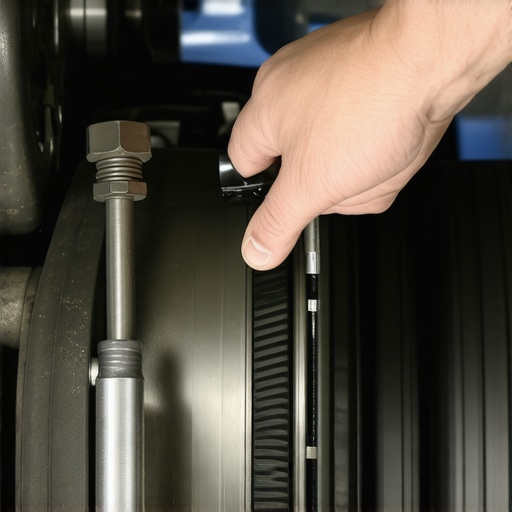
If the fluid level is low or contaminated, air bubbles might have entered the system, causing the soft pedal feel. To fix this, you’ll need to bleed the brakes. Start by locating the brake bleeder valves on each wheel—consult your vehicle’s manual if necessary. Attach a clear hose to the valve, submerge the other end in a container with brake fluid, and have someone press the brake pedal slowly. Open the valve to let air and old fluid escape, then close it before letting the pedal up. Repeat until you see clean, bubble-free fluid flowing through. This process removes trapped air that can compromise braking performance. I once bled my brakes in my driveway and immediately noticed a firmer pedal and better response.
Replace Brake Fluid If Necessary
Over time, brake fluid absorbs moisture, reducing its effectiveness. If your brake fluid appears dark or muddy during the bleeding process, it’s time to replace it entirely. Using a suitable kit, drain the old fluid from the master cylinder, then refill with fresh, manufacturer-recommended brake fluid. Properly disposing of old fluid is essential, so check local regulations or visit a certified auto shop. My quick DIY flush at home was messy but rewarding, as it restored the pedal’s firmness and improved stopping power.
Check Brake Components for Wear and Damage
Softer pedals can also result from worn brake pads or damaged rotors. Remove each wheel carefully using a jack and lug wrench, then inspect the brake pads for thickness—if they’re less than a quarter-inch, replacement is recommended. Look for scoring, warping, or cracks on the rotors. If any parts show significant wear or damage, replace or have them serviced by a professional. Remember, neglecting these can lead to decreased braking efficiency or even accidents.
Adjust or Replace Master Cylinder If Needed
If all else checks out but the pedal still feels soft, the master cylinder might be faulty. This component generates the hydraulic pressure needed for braking. Sometimes, it gets air bubbles trapped inside or develops internal leaks. Testing involves observing the pedal feel after bleeding and inspecting for leaks around the master cylinder assembly. If unresolved, replacing or rebuilding the master cylinder is advisable. I once consulted an ASE-certified mechanic through this contact page to confirm my diagnosis and proceed confidently.
Final Test Before Hitting the Road
After performing these steps, pump the brake pedal several times to ensure it firms up and responds properly. Take a slow test drive in a safe area, applying moderate pressure to verify pedal firmness and braking response. If everything feels solid, you’ve successfully addressed the soft pedal issue caused by a long drive. Regular maintenance, like checking brake fluid as discussed in top oil change tips, helps prevent future problems and keeps your vehicle in top condition.
When it comes to vehicle maintenance, many drivers operate under misconceptions that could compromise their car’s longevity. A common myth is that all oil changes are created equal—many believe that topping up oil when the engine light flickers suffices. But in reality, **not all oils are suitable for every engine type**, and relying on low-quality or incorrect oil can lead to faster wear and unexpected breakdowns. Understanding the importance of proper oil selection is crucial for maintaining optimal engine health.
Another widespread misconception involves ASE certification. Many assume that an ASE-certified mechanic is automatically the best choice for any repair. However, **ASE certification denotes that a technician has passed certain standardized tests, but doesn’t guarantee specialized expertise in every vehicle aspect**. For instance, a mechanic might be certified for general diagnostics but might lack specific experience with complex transmission issues, which can be critical during a major service. To find the right professional, look beyond certifications and consider their track record with your vehicle’s make and model. You can check what ASE certification really signifies and how it applies to your needs.
Many car owners overlook the hidden complexities of transmission systems. They might think filled transmission fluid is a simple refill job, but **incorrect fluid type, contamination, or neglecting the fluid’s deterioration can cause severe shifting problems**. Modern transmissions are sensitive to fluid quality, and using the wrong type can lead to costly repairs. Regular check-ups and understanding the subtleties of transmission maintenance, such as knowing when to perform a fluid flush versus a simple drain, are vital. For insights, see transmission troubleshooting tips.
It’s easy to fall for the trap of thinking that ‘cheap’ oil or ‘quick’ service stations are just as good as reputable shops. But quick fixes often ignore deeper issues that can cause long-term damage. For example, an improper oil change might leave old, contaminated oil in the system, or neglect to replace the oil filter correctly could starve the engine of proper lubrication, accelerating wear. Moreover, trusting an unverified technician can result in overlooked problems, such as failing to detect early transmission or engine issues.
A simple rule of thumb is that your vehicle’s health deserves expert attention. **Regular professional inspections, using quality parts and fluids, and understanding what truly goes into each service are essential for avoiding costly repairs down the line**. Don’t just assume every oil change or service is the same; dig a little deeper.
Have you ever fallen into this trap? Let me know in the comments how you’ve navigated these misconceptions or what surprises you’ve encountered during routine maintenance.
Tools I Recommend for Reliable Vehicle Maintenance
Maintaining a vehicle’s transmission or performing oil changes requires specific tools that ensure safety and efficiency. A high-quality digital scan tool like the Autel MaxiSys series allows me to diagnose system errors quickly, saving time and money. The ability to read and clear diagnostic trouble codes, especially those relating to ABS or transmission, is invaluable. For fluid exchanges, I rely on a professional-grade manual brake bleeder kit, such as the OEMTOOLS Brake Bleeder, which helps eliminate air bubbles even in tight spaces, ensuring a firm pedal without trips to the shop.
When dealing with transmission systems, I use a transmission fluid pump that connects easily to the dipstick tube or fill port. This tool makes fluid refilling cleaner and more precise, reducing the risk of overfilling or contamination. I prefer models with built-in clear hoses to visually confirm flow, and they often come with adapters for various vehicle types. Regularly checking and replacing transmission fluid with the proper tools extends the lifespan of critical components and prevents costly repairs.
Methods That Really Make a Difference
Adopting a systematic approach to maintenance is essential. I follow a detailed checklist for each service, documenting the date, mileage, and parts replaced. For oil changes, I use a reliable oil extractor like the Mityvac Vacuum Pump, which allows me to sample and remove old oil through the dipstick tube—this technique minimizes mess and ensures thorough removal, especially important for vehicles with complex or sealed systems. Pairing this with high-quality synthetic oil, such as Mobil 1, gives my engine the best protection and performance, particularly in extreme weather conditions.
Additionally, I utilize OEM or manufacturer-approved parts whenever possible. For example, when replacing the transmission filter, I choose genuine parts to ensure compatibility and longevity. This approach aligns with advice from ASE-certified technicians and helps maintain the vehicle’s warranty and resale value. The trend in the industry is moving towards smart diagnostics and remote monitoring, which I predict will become standard, allowing me to catch issues early and plan maintenance proactively.
How do I maintain transmission health over time?
Regular fluid checks and changes are paramount. I suggest servicing the transmission every 30,000 to 60,000 miles, depending on your vehicle’s make and usage. Using a professional-grade transmission fluid pump for these intervals ensures the fluid remains clean and free of debris. Additionally, having a trusted ASE-certified technician perform periodic inspections can uncover minor issues before they evolve into major repairs. Embracing these best practices promotes smooth shifting and prevents costly transmission failures down the line.
If you’re serious about keeping your vehicle in top shape, try implementing a comprehensive maintenance log using digital tools like vehicle health apps that sync with OBD2 scanners. Not only does this streamline scheduling, but it also helps track wear patterns, informing your decisions about when to seek professional diagnostics. Remember, investing in proper tools and methodologies today secures your vehicle’s performance and safety for years to come.
The Hardest Lesson I Learned About Oil Changes and ASE Certification
One eye-opening realization I had was that not all oil changes are created equal. I once trusted a quick-lube shop without doing my homework and ended up with subpar oil that caused engine sluggishness. The importance of choosing high-quality, manufacturer-approved oils and seeking ASE-certified technicians cannot be overstated—they truly make a difference in how your vehicle performs long-term.
What I Wish I Knew About Transmission Care and Car Service
Initially, I thought top-up fluids were enough, but I discovered that neglecting transmission fluid changes and proper inspections can lead to costly repairs. Regularly servicing my transmission with the right tools and techniques, like using a proper transmission fluid pump, has extended its lifespan and kept my shifts smooth. Investing in your vehicle’s transmission health pays off every mile.
My Unexpected Revelation About the Soft Brake Pedal and How to Fix It
That soft, spongy brake pedal I experienced after long drives taught me that heat-induced issues — like contaminated brake fluid or trapped air—are more common than I imagined. Bleeding the brakes and replacing fluid with the right quality, alongside inspecting brake lines and components regularly, can restore confidence behind the wheel. Recognizing these signs early saves money and ensures safety for all passengers.
Curated Tools That Changed My Maintenance Game
I swear by a professional-grade brake bleeder kit, a reliable transmission fluid pump, and an accurate digital scan tool. These tools empower me to perform thorough diagnostics and maintenance at home, saving trips to the shop. Using OEM parts and high-quality oils, like Mobil 1, has become my baseline for long-lasting vehicle health. For more insights on essential tools, visit top oil change tips.
Take Charge of Your Car’s Future Today
Understanding the nuances of oil change, ASE certification, transmission upkeep, and diagnosing issues like a soft brake pedal fuels confidence on long trips. Your vehicle can perform better and last longer when you’re proactive about maintenance and diagnostics. So, why wait? Dive into your next repair or service with renewed knowledge—your car and your safety depend on it.
Have you ever faced a puzzling brake sensation or wondered if your maintenance routine is enough? Share your stories below; I love hearing how fellow drivers tackle these challenges!