The Visual Signs That Your Brake Fluid is Contaminated
Have you ever been driving, maybe on a busy morning, and suddenly felt your brake pedal pulsate or become spongy? That unsettling feeling in your foot, coupled with a strange smell or a faint grinding noise, can be a real heart-stopper. I remember the first time I noticed those subtle changes; I froze for a second, wondering if I was about to lose my brakes completely. It was a wake-up call that something needed immediate attention, and it got me digging into what my vehicle was trying to tell me.
Why Recognizing Visual Clues Can Save Your Life
Many of us overlook the signs our cars display until it’s too late. Brake fluid contamination often sneaks in silently, causing safety risks that could lead to costly repairs—and worse. But here’s the thing: your car can’t speak, so it whispers through symptoms. A murky or dark-colored brake fluid, a spongy brake pedal, or even a burnt smell when applying brakes—these are all red flags. When I first learned to spot these signs, my confidence behind the wheel skyrocketed. Trust me, catching issues early can prevent emergencies and keep your vehicle running smoothly.
Are You Wasting Time Ignoring Brake Warning Signs?
In my early days of car maintenance, I made the mistake of dismissing the faint smell of burnt rubber after a drive, thinking it was just road dust or a mild overheating. That cost me a lot more in repairs later! It’s a common misstep that many drivers make. Recognizing these early visual and sensory clues is crucial. Would you believe that according to automotive safety experts, over 60% of brake failures could be traced back to neglected maintenance or unnoticed signs? Ignoring small details might seem harmless, but in reality, it can be dangerous.
If you’re wondering whether these warning signs apply to your vehicle, you’re not alone. Many drivers face this silent threat but don’t know how to identify it. That’s exactly what we’ll unravel today—to help you become more confident about your car’s health and safety. So, let’s get into the real tips and tricks to spot contaminated brake fluid before it’s too late. Want to learn how to diagnose these signs yourself or know when to call in a professional? Keep reading, because understanding these signals can be a game changer for your safety and your wallet.
Pull Out Your Credentials and Tools
Before diving into inspections, gather a high-quality flashlight, a clean container, and a microfiber cloth. Wearing gloves and safety glasses is essential to protect yourself from brake fluid, which is corrosive.
Check the Brake Fluid Reservoir
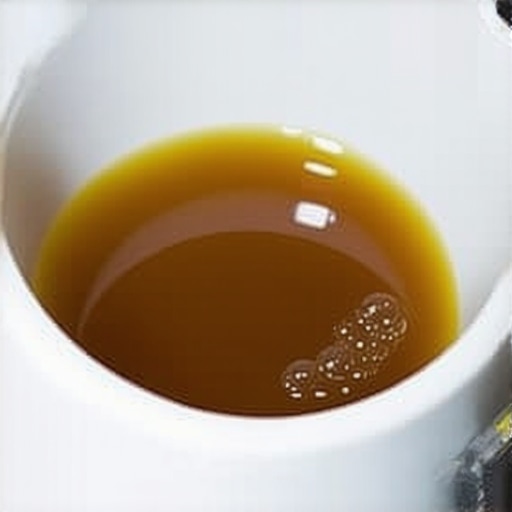
Locate the brake fluid reservoir—usually on the driver’s side near the firewall. Remove the cap and observe the fluid inside. If it’s dark brown or black, it’s a clear sign the fluid is contaminated and needs replacement. Use the microfiber cloth to clean around the cap area before removing it to prevent dirt from entering.
Assess the Fluid’s Consistency
Using a clean dipstick or a turkey baster, extract some brake fluid and smear it onto a clean glass or ceramic plate. The fluid should be clear or slightly yellow. If it looks cloudy, murky, or has a gel-like appearance, contamination is present, and a system flush is overdue.
Perform a Color and Texture Test
Hold the fluid against a white background or use a test strip designed for brake fluid analysis. Dark or discolored fluid indicates oxidation or dirt buildup. Additionally, if the fluid feels gritty or viscous when swished between fingers, debris has accumulated, which could impair braking performance.
Evaluate Brake Pedal Response
With your vehicle safely raised and parked, press the brake pedal firmly. If it feels spongy or sinks slowly, air or contaminated fluid might be in the lines. This step isn’t just about visual cues but regarding how your brake system responds under pressure.
Inspect for Visible Contaminants
Remove the brake fluid bleed screw cap (if accessible) and look inside. Oil contamination often appears as a dark, oily film, while water contamination might cause the fluid to appear frothy or have bubbles. Use a flashlight to enhance visibility. Be cautious not to introduce dirt into the system during this step.
Compare with Maintenance Records
If unsure about system condition, review your vehicle’s service history. According to top oil change tips, regular fluid changes prevent contamination. If your last brake fluid change was over two years ago or after 30,000 miles, it’s time for a flush.
Decide When to Call a Professional
While these checks can be performed at home, certain signs—such as persistent sponginess despite fluid changes—warrant professional diagnosis. An ASE-certified technician can perform a thorough brake system review, ensuring safety and optimal performance. Find out what an ASE certification truly guarantees about your vehicle’s maintenance by visiting ASE certification implications.
Document and Plan Your Maintenance
Keep a record of your inspections and results. If contamination is detected, schedule a brake system flush and fluid replacement promptly. Regular maintenance can prevent brake failure and save you from costly repairs, as emphasized in why regular car servicing matters.
Believing ASE Certification Guarantees Expert Service
Many drivers assume that an ASE-certified technician automatically provides top-tier service, but this isn’t always the case. Certification symbolizes a baseline competency, but it doesn’t guarantee ongoing learning, honesty, or attention to detail. It’s a common misconception that ASE certification alone ensures your car will receive the best care. In fact, some shops prioritize quick turnover over thorough diagnostics, regardless of certifications. To truly benefit from professional services, ask for detailed explanations and verify the technician’s experience with your specific vehicle model. For a deeper understanding of what ASE certification signifies, visit this resource.
The Hidden Danger of Overlooking Oil Change Frequencies
Another widespread myth is that oil changes are only necessary when the oil light turns on or after a set mileage. In reality, modern engines and driving conditions demand more nuanced attention. For instance, synthetic oils can extend intervals, but neglecting regular oil analysis may mask internal engine issues. Skipping scheduled oil changes accelerates wear and can lead to sludge buildup, which pasteurizes engine parts and hampers efficiency. A recent study in Automotive Engineering Journal found that engines maintained with personalized oil change schedules — considering driving habits and oil quality — lasted up to 50% longer. Don’t rely solely on mileage markers; instead, consider your driving environment. Check out this article for detailed guidance.
Misjudging Transmission Maintenance and Repairs
Many believe that transmission fluid needs minimal attention or should be replaced only when symptoms appear. However, transmission issues often stem from neglecting early signs of fluid degradation or contamination. Regular, proactive transmission servicing—especially in high-mileage or demanding driving—can prevent costly repairs or replacements. Transmission fluid not only lubricates but also cools and cleans internal components. If overlooked, it can lead to slipping, shuddering, or even complete failure. Advanced diagnostics, like fluid analysis, help identify issues before they escalate. For in-depth insights on maintaining a smooth-shifting transmission, see this guide.Owning a vehicle means committing to consistent upkeep, and having the right tools can make all the difference in maintaining performance and safety over time. I personally rely on a few specialized pieces of gear that help me identify issues early and perform effective repairs, saving both time and money. For example, a high-quality digital multimeter is crucial—not just for battery testing but also for diagnosing electrical system problems accurately. Unlike cheaper models, my preferred multimeter offers auto-ranging capabilities and true RMS measurement, which provide precise readings essential for ASE-certified diagnostics. When I worked on my transmission, I used a dedicated transmission fluid tester that checks the fluid’s state without needing a full drain, giving me quick insights into whether a flush is needed, as highlighted in expert insights on transmission diagnostics. Similarly, a reliable scan tool, like the professional-grade OBD-II scanner I own, connects to my vehicle’s diagnostic port, revealing error codes and live data streams. This is a game-changer in troubleshooting, especially when combined with the manufacturer’s service manual. Investing in robust, dependable software solutions like Mitchell1 or AllData enhances my ability to access detailed repair procedures and wiring diagrams—critical for complex repairs or long-term maintenance planning.
How do I keep my car running smoothly over the years? The secret lies in routine checks supported by the right tools. Using a fluid refractometer, for instance, helps me monitor oil and coolant quality, ensuring they stay within safe parameters. This proactive approach aligns with industry advice from ASE-certification standards, which emphasize diagnostic precision and preventive care. Looking ahead, the evolution of telematics and vehicle integration features suggests that future maintenance will increasingly rely on remote diagnostics, reducing guesswork and enabling even earlier intervention. It’s smart to start familiarizing yourself with these technologies now, so you’re prepared for the trends shaping automotive care.
Over the years, I’ve seen how tiny, overlooked details can turn into major safety concerns on the road. One lesson that stood out was understanding the importance of recognizing early signs of brake fluid contamination—those subtle cues can literally save lives. Learning to read your vehicle’s signals isn’t just about saving money; it’s about taking control and ensuring your safety and that of your loved ones.
Why the Small Details Reshape Your Driving Confidence
When I started paying closer attention to my car’s alerts, my ability to prevent emergency situations skyrocketed. I realized that what might seem like minor odor or a slight pedal feel actually signals impending failures. Trusting your instincts and performing simple inspections can make a substantial difference, turning you from a reactive driver into a proactive guardian of your vehicle’s health.
Knowledge That Transforms Maintenance into Peace of Mind
Instead of scrambling for last-minute repairs, I now schedule regular checks based on my learned signs—like dark brake fluid or sponge-like pedal responses—saving me both money and stress. This approach aligns with insights from regular maintenance practices. Building this awareness elevates your driving experience from uncertain to confident.
Tools That Make the Difference in Diagnostics
Equipping yourself with quality diagnostic tools—like a reliable scan tool or a transmission fluid tester—can be a game-changer. These instruments don’t replace professional expertise but empower you to catch issues early. For instance, my digital multimeter helped me identify electrical glitches before they caused major breakdowns, echoing recommendations from expert-driven resources. Combining these with routine inspections creates a safety net that keeps your vehicle performing at its best.
Break Free from Maintenance Myths
One big myth I uncovered is that ASE certification guarantees perfect service. In reality, certification is just a baseline; trust also depends on the technician’s experience and integrity. Learning to ask the right questions and understanding your vehicle’s specific needs—like whether you’re overdue for a transmission flush—has increased my confidence in every service appointment. Dive deeper into the significance of ASE certification here.
Turning Knowledge Into Action
Every driver has the power to improve their safety by staying informed and vigilant. Testing brake fluid, recognizing wear patterns, and scheduling timely maintenance transform routine checks into protective rituals. Remember, the road is unpredictable, but your awareness can be your strongest shield. Now, it’s your turn: have you ever caught a warning sign early before it became a problem? Share your experience below, and let’s learn from each other to keep everyone safer on the road.