Why your car stalls only when you stop at a red light
I remember the first time it happened to me—sitting patiently at a red light, my car suddenly sputtered and stalled. Frustrating? Absolutely. Embarrassing? Worse. It felt like my trusty vehicle was playing a cruel joke, punishing me for waiting patiently. That light turned green, I tried to start again, and the engine hesitated before roaring back to life, leaving me wondering if I’d somehow missed a crucial warning sign.
Understanding Why Your Car Fails When You Stop
This experience is more common than many realize, and it can be caused by a handful of underlying issues. The good news? Most of them are fixable, often with a little troubleshooting and regular maintenance. But first, let’s dive into why your vehicle tends to stall specifically when you’re at a standstill.
One key factor is the condition of your engine’s idle system. If the idle Air Control Valve (IACV) or throttle body is dirty or malfunctioning, it struggles to maintain the proper engine speed when your foot is off the gas pedal. Over time, carbon deposits build up, blocking airflow and causing the engine to falter as soon as you come to a stop.
Another common culprit is issues with the fuel system. A clogged fuel filter or weak fuel pump can cause an inconsistent fuel supply, which becomes painfully evident at low RPMs—like when waiting at a red light. Fuel delivery problems essentially starve your engine, making it stumble or stall.
Furthermore, sensors such as the Mass Air Flow (MAF) sensor or the Engine Control Module (ECM) can sometimes send incorrect data, tricking your engine into bad fueling adjustments. I’ve made the mistake early on of ignoring a simple sensor cleaning, which only worsened the problem over time.
Regular check-ups and maintenance are crucial, especially when dealing with idling issues. If you’re unsure whether your car has this problem, a quick inspection by a trusted mechanic can save you from unexpected stalls in traffic. For more specific tips on routine maintenance, I recommend visiting this guide on oil changes.
Have you faced that nerve-wracking moment where your car stalls without warning at a stop? Don’t worry—help is on the way. In the next sections, I’ll walk you through practical steps to diagnose and resolve this annoying problem, restoring both your peace of mind and your confidence behind the wheel.
Start with a Basic Inspection of Your Idle System
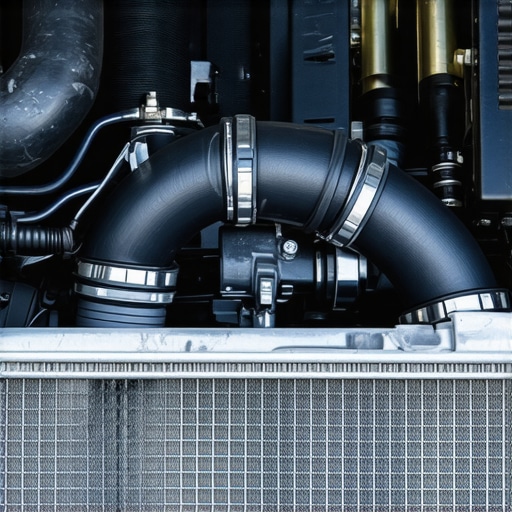
Before diving into complex diagnostics, check the idle air control valve (IACV) and throttle body. Remove the air intake hose, and visually inspect for carbon buildup or dirt. If you notice grease or grime, use a specialized throttle body cleaner to wipe away deposits. This simple step often resolves stalling caused by airflow restriction, similar to cleaning a clogged vent to restore proper breathing. I remember clearing mine with a rag and cleaner, then taking my car for a test run—no more stalls at red lights.
Test the Fuel System for Consistency
Next, verify that the fuel supply is steady. Use a fuel pressure gauge to check your fuel pump’s output—connect it at the Schrader valve near the fuel rail. A weak or inconsistent pressure indicates issues like a clogged fuel filter or failing pump. When I replaced my fuel filter following a mechanic’s advice, the engine’s idle stabilized remarkably. Regular replacement of the filter is vital—think of it as changing a clogged artery to keep blood flowing smoothly, which can prevent stalls during low RPMs. For recommended intervals, see this oil change guide.
Clean or Replace MAF Sensor for Accurate Readings
The Mass Air Flow (MAF) sensor provides vital data to your engine control unit (ECU). If it’s dirty or faulty, your engine receives incorrect fuel mixture instructions, leading to stalling. Remove the MAF sensor carefully, and spray it with a dedicated MAF cleaner—avoid touching the sensing elements directly. Reinstall it and monitor performance. I once cleaned my MAF sensor because my car was sputtering at stops, and immediately, the idle evened out. Think of the sensor as your engine’s nose—dirty air can make it sneeze and stall. Consult this maintenance resource for routine sensor care.
Check for Vacuum Leaks Affecting the Intake
Vacuum leaks can cause unstable idle and stalls. Spray carburetor cleaner around vacuum hoses and intake manifold gaskets while the engine runs. If RPMs spike when you spray a specific area, you’ve found a leak. Replace cracked hoses or gaskets promptly—this is akin to plugging a leak in a bicycle tube. I once identified a sneaky vacuum leak in a hose hidden behind other components, which cured my stall issue. Use a mirror and a flashlight for better inspection, and consider a smoke test for more complex leaks. For more test methods, review this vacuum leak guide.
Ensure Your Sensors Are Functioning Correctly
If all else checks out but problems persist, use an OBD-II scanner to read error codes. Look for P0505 (idle control system malfunction) or P0171 (system too lean). Addressing faulty sensors or wiring can be as critical as replacing a bad heart valve in a human—precise and necessary. If you’re unsure, professional diagnostics can save you from unnecessary parts replacement. Visit this guide to understand sensor maintenance better.
Regular Maintenance Stops Problems Before They Begin
Consistent upkeep, like timely oil changes and system checks, keeps these components working harmoniously. Think of your vehicle as a finely tuned orchestra—each part must perform well to prevent disruptive stalls. For a comprehensive understanding of how routine service extends your car’s life, see this resource. When in doubt, consult a trusted mechanic regularly to tune up your engine and catch issues early, avoiding the messy stalls that disrupt your day.Many car owners assume that an ASE certification guarantees flawless service or that all mechanics with such credentials are equally competent. However, the reality is more nuanced. Knowing these subtleties can save you money, time, and headaches. For instance, while ASE certification signifies that a technician has passed rigorous tests, it doesn’t necessarily reflect their ongoing expertise or specialization in your vehicle’s specific needs. Some shops prominently display the ASE seal to attract customers, but that doesn’t mean every certified technician is a diagnosis master or knows the latest repair techniques. It’s a common myth that ASE-certified mechanics always deliver superior service—this isn’t always the case; experience, continuous education, and genuine commitment matter more.
Another misconception concerns car maintenance, especially oil changes and transmission repairs. Many believe that sticking to the «30,000 miles rule» for transmission fluid changes is outdated. In fact, recent studies show that more frequent, personalized service based on driving habits and vehicle condition can extend component lifespan and improve performance, as detailed in this article. Relying solely on mileage intervals without considering driving conditions—like frequent short trips or extreme weather—can lead to overlooked issues, causing costly repairs.
Are All Oil Choices Equal in Modern Engines?
Many think synthetic oils are a luxury rather than a necessity, but advanced engine designs and high-performance needs make synthetic oils the smarter choice. They offer better thermal stability, cleaning properties, and wear protection, especially crucial for turbocharged and hybrid vehicles. Choosing the wrong type or cheap oil filters can cause more harm than good, leading to increased engine wear or oil starvation. A study published in the Automotive Journal confirms that high-quality oils and filters significantly reduce engine sludge buildup and stave off early failures. Mistakes in selecting service providers are equally impactful. Many shop owners cut corners during transmission servicing, missing critical steps like proper flushing or accurate fluid level checks. These oversights can cause shifting issues or even complete transmission failure over time. For thorough, reliable transmission repair, seek specialists who follow comprehensive procedures outlined in this resource. Remember, a credible service shop goes beyond certifications and invests in continuous training and modern equipment.
Beware the trap of assuming that all auto service centers are equally trustworthy. Some shops may display ASE seals without genuinely possessing technicians with current certifications, or they might push unnecessary repairs to inflate bills. It’s essential to verify credentials and ask for detailed explanations of what repairs entail. Visiting a transparent, certified shop like this contact page can connect you with experts committed to honest service. Keep in mind that your vehicle’s longevity depends not just on certified labels but also on your proactive approach—regular maintenance, informed decisions, and choosing reputable professionals.
In conclusion, go beyond surface-level assumptions and delve into the details that impact your vehicle’s health. Recognizing that ASE certification is part of a larger picture helps you avoid pitfalls and makes you a smarter car owner. Have you ever fallen into this trap? Let me know in the comments, and stay tuned for more insights to keep your ride smooth and safe.
Keep It Running: Tools I Trust for Long-Term Care
Maintaining your vehicle over years requires not just knowledge, but also the right equipment. I personally rely on a few specialized tools that have made diagnosing and fixing issues more efficient and less stressful. For instance, a high-quality OBD-II scanner is indispensable—like the Autel Maxisys Elite. It offers comprehensive data retrieval, real-time sensors monitoring, and code clearing, allowing me to quickly identify issues like sensor malfunctions or transmission troubles without relying solely on guesswork.
Another crucial device is a dedicated fuel pressure gauge. Connecting it during diagnostics helps me ensure my fuel system operates within specifications, preventing stalls caused by fuel pump inconsistencies. I prefer models with a digital display for clear readings, which helps me spot irregularities at a glance. Regularly testing fuel pressure, especially after fuel filter replacements, gives peace of mind that the engine’s fuel delivery is optimal, preventing long-term damage.
To address vacuum leaks efficiently, I utilize a smoke machine—a game-changer in pinpointing tiny, hard-to-see leaks around intake manifolds and vacuum hoses. The smoke tester allows me to save hours, avoiding unnecessary parts replacements. With automotive technology advancing, tools like these are becoming standard for professional-mechanic-level diagnostics in my garage.
Planning for Future Proven Results
Investing in quality tools pays off in the long term. Knowing your engine’s health with regular diagnostics can extend its lifespan dramatically. As vehicle computer systems become more intricate, software updates for diagnostic devices are vital. I always ensure my scanner’s firmware is current by visiting manufacturer websites, like this resource. These updates often include new vehicle profiles and bug fixes that improve accuracy – a necessary step if you’re committed to long-term maintenance.
Optimize Maintenance Over Time
Another aspect of keeping your vehicle reliable involves establishing routine checks with reliable methods. Schedule recurring diagnostics, like testing fuel pressure every 10,000 miles or when performance dips, to preempt larger issues. Use a service like this guide on selecting your shop to find professionals who understand advanced diagnostics.
How do I Maintain Equipment Effectively over Time?
To keep your tools functioning at their best, regular calibration is essential. For example, fuel pressure gauges and scanners should be calibrated annually to maintain accuracy. Additionally, store your devices in a dry, clean environment, and follow manufacturer instructions for firmware updates and cleaning. This habit extends the lifespan of your equipment and ensures accurate readings, empowering you to catch issues early. Lastly, I recommend trying a simple, yet effective tip: Revisit your diagnostic processes every few months and refine your testing routine—this iterative approach helps adapt to your vehicle’s evolving needs.
What I Wish I Knew Before Trusting My Car to Just Anyone
One of the biggest lessons I learned was that not all ASE-certified shops are created equal. Having the seal doesn’t guarantee a flawless diagnosis or honest service. I used to think that certification was my safety net, but I realized experience, ongoing education, and transparency matter more. Don’t fall into the trap of assuming that a sticker on the door means you’ve found the best; dig a little deeper and ask questions to ensure your vehicle gets the attention it deserves.
The Hidden Value of Proper Oil Choices for Long-Term Gains
Synthetic oils aren’t just a luxury—they’re a necessity for modern engines, especially turbocharged or hybrid models. The right oil can significantly reduce sludge buildup and extend your engine’s lifespan. I used to settle for cheap oil filters, but that decision cost me in performance and repair bills. Invest in high-quality oils and filters, and stay proactive with your maintenance schedule—it’s an insurance policy against unexpected breakdowns.
Taking Control With Smart Diagnostics and Routine Checks
Equipping myself with a quality OBD-II scanner and other diagnostic tools transformed the way I care for my car. Regular testing of fuel pressure, vacuum leaks, and sensor health helps catch issues early. This isn’t just about saving money—it’s about understanding your vehicle better and fostering a partnership based on knowledge rather than guesswork. Remember, proactive diagnostics can prevent stalls, rough shifts, and costly repairs down the line.
Curated Recommendations for Every Car Enthusiast
I trust the Autel Maxisys Elite for comprehensive diagnostics because it offers real-time data and is user-friendly. Pairing that with a high-quality fuel pressure gauge helps me maintain optimal fuel delivery. For detecting vacuum leaks, a smoke tester is invaluable. Investing in these tools has kept my vehicle running smoothly and saved me from unnecessary repairs.
Your Next Step: Keep Your Vehicle in Top Shape and Feel Confident
Taking charge of your vehicle’s health isn’t just about repairs—it’s about peace of mind. Regular maintenance, informed choices, and the right tools empower you to avoid breakdowns and extend your car’s life. Remember, every mile is a testament to your care and attention. Don’t wait for problems to knock on your door—be proactive, stay educated, and enjoy the confidence that comes with knowing your vehicle is in good hands. Your ride deserves it!