The reason your car smells like rotten eggs when you accelerate
There was a cold winter morning when I fired up my car and immediately noticed a foul, sulfur-like smell invading the cabin. It was so overwhelming I had to roll down the windows. Turns out, that rotten egg odor isn’t just a minor annoyance—it’s often a sign that something’s seriously wrong under the hood. That lightbulb moment made me realize how many car owners overlook this signal, dismissing it as a simple smell or a bad odor from the environment, only to discover costly repairs later. If you’ve ever been hit with that sudden, stomach-churning stench when hitting the gas, you’re not alone. Today, I want to share what I learned about this strange phenomenon and, more importantly, how to get to the root cause before it becomes a bigger headache.
Unpacking That Rotten Egg Smell: Why It Matters
That sulfurous odor can be a sign of a few key issues, and identifying it early can save you from costly repairs and engine damage. The most common culprit is the presence of hydrogen sulfide gas, which often indicates problems with the catalytic converter, exhaust system, or fuel mixture. I made the mistake early on of ignoring the smell, thinking it was just environmental. But ignoring warning signs can lead to damage to your catalytic converter—a vital component that reduces toxic emissions—and can cost hundreds to replace. Understanding the problem helps us know when to act quickly. For starters, a failing catalytic converter not only causes that foul smell but also pollutes the environment more and can trigger your check engine light. So, recognizing this smell isn’t just about comfort; it’s about safeguarding your vehicle and our planet. Curious if your car might also be showing subtle signs before the smell appears? Sometimes, issues like reduced fuel efficiency or sluggish acceleration go hand-in-hand. Knowing what to look for can be a game-changer.
Is It Just a Bad Smell or a Sign of Bigger Trouble?
One thing I learned the hard way is that the rotten eggs smell is often a symptom, not the root problem. Early on, I thought a quick tune-up would fix it, but it turned out my catalytic converter was clogged, and the issue was much deeper. Make sure not to dismiss those odors as just unpleasant—think of it as your car’s way of warning you about potential harm. When I first tackled this problem, I recommend doing your research, just like I did by reading trustworthy sources such as what ASE certification means. It helped me understand the importance of diagnostics from a certified technician. By catching this early, you can plan effective repairs that prolong your vehicle’s lifespan and ensure it’s running clean and efficient. Next, we’ll explore the practical steps to diagnose and fix the cause of that pesky smell—so you can get back to enjoying a fresh-smelling ride.
Test Your Exhaust System for Blockages
Start by inspecting your exhaust system because a clogged catalytic converter is a common cause of that sulfur smell. I once jacked up my car and removed the undercarriage cover to access the converter. Using a flashlight, I checked for build-up or damage. If you notice excessive soot or physically damaged parts, it’s time to replace or repair that component. Remember, a blocked converter not only causes odors but also reduces engine efficiency. For complex diagnostics, seeking an ASE certified technician can ensure proper identification of issues.
Analyze Fuel Mixture and Injector Function
Next, verify that your fuel injectors are clean and functioning correctly. Faulty injectors can cause the engine to run rich, leading to unburned fuel that produces sulfurous gases. I used carb cleaner spray to flush my injectors after removing the intake manifold. While doing so, I also replaced my air filter to prevent dirt from entering the engine. If you’re unsure about cleaning or replacing injectors, a professional service can give your fuel system a thorough check. Regular maintenance, like oil changes, helps keep internal parts clean and functioning optimally.
Assess Engine and Fuel System for Leaks
Check for leaks in hoses, gaskets, and connections that could allow raw fuel vapors to escape. I once found a small crack in a vacuum hose, which I sealed using high-temperature silicone. Leaks allow sulfurous gases to escape into the exhaust before catalysis, causing the smell. Using a smoke machine or soapy water spray can help locate leaks that aren’t visible to the naked eye. Ensuring tight seals prevents unburned fuel from producing harmful gases. For an overall tune-up, making sure your oil is clean and your transmission is operating smoothly can also prevent secondary issues; details on proper transmission care can be found here.
Replace or Repair Critical Components
Once diagnostics point to a faulty catalytic converter or damaged exhaust parts, plan for replacement. I learned that attempting a DIY fix on a catalytic converter was messy and labor-intensive, often better left to professionals. Before replacing, obtain a precise diagnosis, as some sensors might be misreading, leading to unnecessary repairs. When replacing parts, always ask your mechanic about their ASE certification—certified shops guarantee quality work. Proper component replacement restores your vehicle’s emissions performance and eliminates the sulfur scent effectively.
Schedule Routine Maintenance to Prevent Future Odors
After resolving the issue, stick to a maintenance schedule that includes regular oil changes, fuel system cleanings, and emissions checks. I set reminders to ensure my vehicle’s systems stay clean. Also, pay attention to subtle signs like reduced fuel efficiency or sluggish acceleration, which can indicate early problems that lead to odors. Maintaining your vehicle’s health not only keeps it smelling fresh but also extends its lifespan; learn more about oil change importance and other key services.
 Many drivers believe that choosing a shop with a shiny storefront or the lowest price guarantees quality maintenance, but this is a misconception worth scrutinizing. A common myth is that all ASE certification is equal across shops and technicians, which isn’t true. While ASE certification indicates a technician’s proficiency, the specific specialization—like L1 advanced diagnostics—is critical for complex issues. Relying solely on the ASE badge without considering the technician’s expertise in specific areas can lead to subpar repairs. Moreover, many car owners think that an oil change is just about swapping out the filter and oil. In reality, the quality of the oil, the type used, and the service interval all impact engine longevity. For instance, younger engines with turbochargers demand high-quality synthetic oils that can withstand higher temperatures and prevent turbo wear. Skipping or delaying oil changes, thinking they are unnecessary, can cause sludge buildup and reduce efficiency, as highlighted in studies on engine wear.
Another widespread misconception involves transmission maintenance. Many believe that if a vehicle shifts smoothly, there’s no need for further inspection until problems occur. However, internal transmission components are sensitive to fluid quality and temperature. Regularly scheduled transmission flushes can prevent costly repairs and extend lifespan. Ignoring signs like a sluggish shift or slipping can lead to damage that isn’t evident until the transmission completely fails. Experts recommend following manufacturer guidelines for transmission service, and for complex diagnostics or repairs, consulting an ASE-certified technician ensures quality work.
Beware of making service decisions based on incomplete information. For example, do not assume that using cheap, generic oil is a savings; it may save money upfront but could harm your engine long-term. Similarly, neglecting routine transmission fluid analysis can result in unnoticed wear. An advanced mistake many make is believing that newer car models require less maintenance. Modern vehicles are equipped with numerous sensors and computer diagnostics, but this does not eliminate the need for regular inspections. Instead, it means trusting a technician who understands the sophisticated systems, which emphasizes the importance of specialized ASE certifications.
Have you ever fallen into this trap? Let me know in the comments. Remember, understanding the nuances of service and maintenance helps you make better decisions, ensuring your vehicle remains reliable and safe for miles to come.
Maintaining a vehicle’s optimal performance involves more than just regular oil changes; it requires the right tools, methodical approaches, and a proactive mindset towards repairs and updates. As a car enthusiast and certified technician, I rely on specific equipment and software that ensure every maintenance task is performed efficiently and accurately. One indispensable tool I personally vouch for is an advanced OBD-II scanner like the Autel MaxiCOM MK808. This device allows me to read and clear diagnostic trouble codes, monitor live sensor data, and perform manufacturer-specific resets—all crucial for diagnosing issues like transmission faults or engine misfires. Using a quality scanner reduces the guesswork and helps identify problems before they escalate, saving money and time in the long run.
Complementing diagnostic tools, I recommend investing in a professional-grade compression tester for evaluating engine health. This tool provides precise readings of cylinder pressure, giving insights into piston, valve, and head gasket integrity—things that often cause long-term performance declines if neglected. I personally confirm cylinder health with a multimeter and a vacuum gauge, ensuring that fuel mixture, ignition timing, and compression are within optimal ranges. These gadgets, while straightforward, empower you to undertake preventive checks, potentially revealing issues like worn piston rings or valve leaks early.
When it comes to routine maintenance, I set up my workflow with reliable cleaning agents, such as a fuel injector cleaner like Chevron Techron Concentrate. Regular use helps prevent injector clogging, which can lead to poor fuel economy and uneven engine operation, especially in vehicles with high mileage or those subjected to short trips. Additionally, I leverage software like vehicle-specific maintenance apps that provide reminders based on your make and model, including transmission flush intervals or transmission fluid temperature checks.
Anticipating future trends, I believe that the integration of AI-based diagnostic software will revolutionize vehicle maintenance. These systems will analyze vast amounts of sensor data in real time, predicting failures before they occur and advising corrective actions autonomously. As this technology advances, you’ll see more dashboards providing predictive maintenance notifications—akin to a health monitor for your car—which will make keeping vehicles in prime condition more manageable than ever.
How do I maintain my vehicle’s performance over time?
Consistent maintenance is key—sticking to manufacturer-recommended schedules and utilizing diagnostic tools enhances longevity. Regularly inspecting your transmission fluid, as outlined in expert insights, helps prevent costly repairs. I also recommend performing a visual inspection of hoses and gaskets each season to catch leaks early. Moreover, adapting your maintenance routine based on the data from your diagnostics can save you from unexpected breakdowns and preserve your vehicle’s efficiency for years to come.
Now, I challenge you to try using an advanced OBD-II scanner to check for hidden or pending issues in your vehicle. Even if you’re a seasoned DIYer, this investment could be your first step toward a more predictable and cost-effective maintenance approach. Remember, staying ahead with proactive care not only prolongs your car’s lifespan but also ensures safer, smoother rides for the long term.
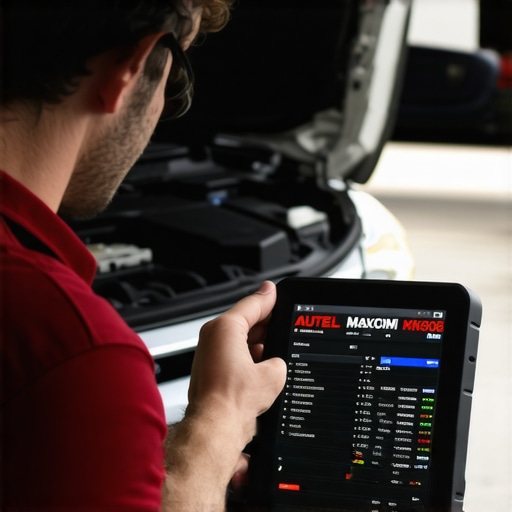
Image prompt: A mechanic using an Autel MaxiCOM MK808 scanner under the hood of a modern car, displaying diagnostic data on the device’s screen.
Realizations That Changed My Car Maintenance Approach
One of the most profound lessons I learned is that unfamiliar smells like the rotten egg odor should never be ignored—they’re nature’s warning signals. Initially, I thought it was just environmental, but uncovering the root cause revealed issues like a failing catalytic converter, which, if left unchecked, could lead to expensive repairs and environmental harm. This experience underscored the importance of being attentive to your vehicle’s signs and acting promptly.
Another insight was the value of proper diagnostics before attempting repairs. Jumping straight into replacement without verifying the actual problem can be costly and ineffective. Using certified tools and consulting with ASE-certified technicians ensures accurate diagnosis, saving time and money while protecting your vehicle’s longevity.
I also discovered that routine maintenance isn’t a one-time chore but a continuous process. Regular inspections of exhaust system components, fuel injectors, and hoses can preempt issues before they produce odors or performance problems. Consistent service, guided by expert knowledge, keeps your vehicle running smoothly and smelling fresh.
Tools and Resources That Elevate My Maintenance Game
Equipping myself with an advanced OBD-II scanner like the Autel MaxiCOM MK808 has been a game-changer. It provides detailed insights into engine health, helping me catch issues early. For engine assessments, I rely on a quality compression tester, which helps verify the condition of cylinders without expensive visits. Regular use of fuel injector cleaners, like Chevron Techron, keeps the fuel system clean, preventing odor-causing deposits. For staying organized, I use manufacturer-specific maintenance apps that alert me when service intervals are due, ensuring I don’t miss critical steps that could lead to problems.
Looking ahead, I believe that AI-powered diagnostic tools will further revolutionize vehicle maintenance, offering predictive insights that help prevent issues like sulfuric smells altogether. Staying updated with new technology and trusted resources amplifies my ability to maintain my vehicle effectively.
Take Action to Keep Your Car Smelling Fresh
The journey to a trouble-free, fresh-smelling ride requires awareness, the right tools, and proactive maintenance habits. By paying close attention to your car’s signals and leveraging expert guidance, you can avoid costly repairs and extend your vehicle’s life. So, I invite you to start experimenting with diagnostic tools and routine inspections today—your car and your wallet will thank you.
Have you ever encountered a subtle sign that saved you from a major repair? Share your story below and let’s learn from each other’s experiences.