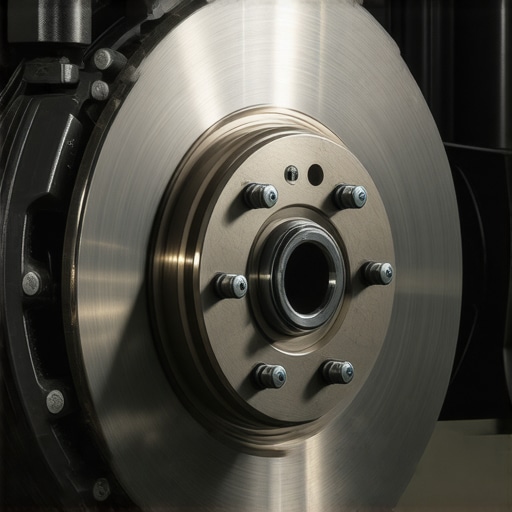
The truth about ceramic brake pads on daily drivers
It was a chilly morning, and I was in a rush. As I hit the brakes to stop at that familiar red light, I felt a strange, almost squealing sensation from the pedal. My heart sank. I had just replaced my brake pads, but they seemed louder and less responsive than before. That lightbulb moment made me realize—there’s more to brake pad choices than just price or brand, especially when it comes to my daily driver. If you’ve ever experienced similar frustrations, you’re not alone. Many drivers get misled by marketing hype or old misconceptions about ceramic brake pads, only to find themselves with subpar performance or unexpected issues.
Today, I promise to shed some honest light on this topic. We’ll explore whether ceramic brake pads truly deserve the hype and how they impact your daily driving experience. Whether you’re considering an upgrade or just want to avoid costly mistakes, this guide is for you.
Are Ceramic Brake Pads Really the Best for Daily Driving?
Let’s dive into what makes ceramic brake pads popular and whether they live up to their reputation. As someone who’s spent years working on cars and chatting with ASE certified technicians, I’ve seen firsthand how the right brake pads can make a real difference—or cause headaches.
One common misconception is that ceramic brake pads are always superior to semi-metallic or organic options. The truth is, they have advantages, like producing less brake dust and offering quieter operation. But they aren’t a one-size-fits-all solution. For everyday commuting, especially in stop-and-go traffic, some drivers find that ceramic pads don’t bite as quickly as traditional metallic pads, leading to softer pedal feel or less immediate stopping power.
Early in my DIY days, I made a costly mistake: I replaced my worn-out brake pads with cheap ceramic ones without considering my driving habits. The pads looked good and supposedly ‘lasted longer,’ but I noticed decreased responsiveness during quick stops. That experience taught me to look beyond the marketing and consider my specific needs.
If you’re asking yourself whether ceramic brake pads are actually worth the hype, you’re not alone. Many drivers wonder if they’re just a premium upgrade with no real benefit for daily drivers. Sometimes, the best choice depends on your vehicle, driving style, and expectations. For example, if most of your driving involves city stops and short trips, certain materials might serve you better. And if you’re concerned about safety and performance, it’s essential to understand the real differences.
To discover more about your vehicle’s maintenance standards, check out [what does an ASE certification mean for your car’s maintenance](https://autofixclinic.com/what-does-an-ase-certification-mean-for-your-cars-maintenance). Knowing whether your mechanic is ASE-certified can assure you of quality repairs and parts.
Now, before you decide on ceramic brake pads, let’s address common doubts and fears that might be holding you back.
Select the Perfect Brake Pads for Your Needs
Start by evaluating your typical driving habits. Do you primarily navigate city traffic or do you often drive on the highway? I recall a time when I switched to ceramic pads without considering my stop-and-go commuting; the softer pedal feel threw me off, leading to cautious driving until I adapted. To avoid this, test different materials like semi-metallic or organic options, which can offer better responsiveness in city conditions. Check your vehicle’s manual for recommended pad types and specifications.
Gather Quality Parts and Tools
Use reputable sources or trusted mechanics to acquire genuine brake pads. Investing in quality ensures longevity and safety. Next, gather necessary tools: jack, jack stands, lug wrench, C-clamp, and a brake caliper piston tool. During my last brake job, I nearly forgot the C-clamp, which delayed the process but taught me the importance of preparation. Always double-check your parts against your vehicle’s specs, and consider consulting [what does an ASE certification mean for your car’s maintenance](https://autofixclinic.com/what-does-an-ase-certification-mean-for-your-cars-maintenance) to ensure mechanic reliability.
Remove the Old Brake Pads Safely
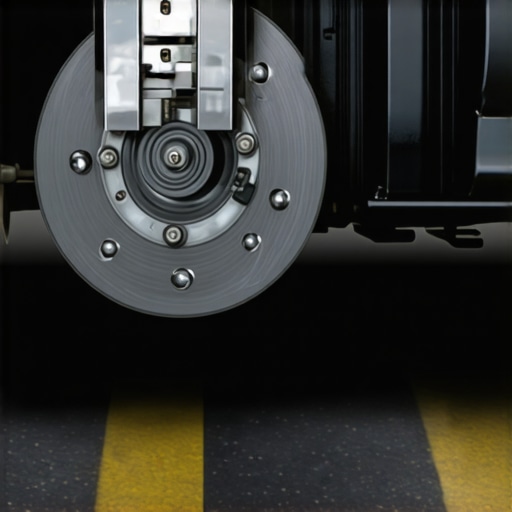
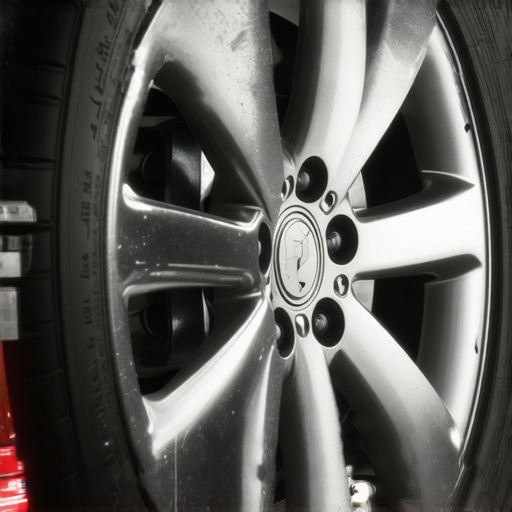
Loosen wheel lug nuts, then lift the vehicle securely with a jack and stand. Remove the wheel, exposing the brake caliper. Carefully unbolt the caliper to access the pads. Beware of pressing the brake pedal before reinstalling the caliper; doing so can cause issues with brake fluid. During my last replacement, I accidentally pressed the pedal with the caliper off, which introduced air into the system. Be mindful to keep the brake fluid reservoir capped. Use a brake caliper piston tool to retract the piston if necessary, facilitating installation of the new pads.
Install New Pads and Reassemble
Place the new brake pads into the caliper bracket, ensuring they are correctly oriented. Repress the caliper piston using the C-clamp to make room for the new pads if needed. Bolt the caliper back onto the rotor, tighten to manufacturer specifications. Reinstall the wheel, tighten lug nuts, and lower the vehicle. Always torque lug nuts to the recommended value, as under-tightening can cause wheel wobble. Before driving, pump the brake pedal gently to seat the new pads properly. Test drive at low speeds and listen for squeals or vibrations, which can indicate installation issues. For comprehensive safety checks, consider consulting professionals or [choosing the right car service for your vehicle’s needs](https://autofixclinic.com/choosing-the-right-car-service-for-your-vehicles-needs). This process ensures your brakes function optimally and extends their lifespan, promoting safe daily driving.Many car owners believe that routine oil changes, transmission servicing, and ASE certifications are straightforward, but there’s more beneath the surface that often gets overlooked. A common myth is that changing oil frequently is always better; in reality, expert guidance suggests that over-changing can be just as harmful as neglecting it, disrupting the oil’s protective properties over time. For example, recent studies highlight that synthetic oils with extended change intervals can actually enhance engine longevity when used correctly.
Another misconception involves transmission maintenance. Many assume that flushing the transmission fluid regularly prolongs its life indefinitely. However, improper flushing methods or using the wrong fluid type can damage delicate internal components. Professionals warn that a pan drop and filter change, combined with high-quality transmission fluid, often yields better results than full flushes unless specifically recommended by vehicle manufacturers.
Regarding ASE certification, a widespread belief is that all ASE-certified mechanics are equally skilled. In fact, ASE certifications are specialized. An ASE L1 certification in advanced diagnostics, for instance, indicates a technician’s proficiency in complex electrical and electronic systems—crucial knowledge in today’s vehicles. Protect your investment by verifying a technician’s specialization, which you can do through [ASE certification verification](https://autofixclinic.com/how-to-verify-a-shops-ase-status-without-asking-the-manager).
**Beware of the oops moments**: a common trap is assuming that a quick oil top-up is sufficient when in reality, old oil or incorrect transmission fluid can cause severe engine or transmission damage. For instance, mixing different oil types or neglecting to replace oil filters can accelerate wear. Regular comprehensive servicing, adhering to manufacturer recommendations, ensures that these components perform reliably over time.
So, what’s the real takeaway? It’s understanding that car maintenance is nuanced. Oversimplifying complex systems often leads to costly mistakes. For advanced insights on fluid choices and service intervals, check out [top oil change tips for safe driving in 2025](https://autofixclinic.com/top-oil-change-tips-for-safe-driving-in-2025). Remember, your vehicle’s health depends on informed decisions and trusted professionals. If you’re unsure whether your current mechanic is ASE-certified or skilled in diagnostics, consider reaching out via [our contact page](https://autofixclinic.com/contact-us).
Have you ever fallen into this trap? Let me know in the comments.
Gear Up with Precision Tools for Reliable Maintenance
Maintaining your vehicle’s critical systems requires more than just basic wrenches. I personally recommend investing in a quality digital torque wrench, such as the Norbar NEO, which offers precise torque settings to tighten bolts accurately—preventing over-tightening and potential damage. For fluid resealing, a high-quality oil filter wrench like the Lisle 63600 ensures a secure grip, especially when dealing with stubborn filters. To monitor your vehicle’s health, use an OBD-II scanner like the BlueDriver, which syncs with your smartphone and provides real-time diagnostics, saving time and money during routine inspections.
Leverage Software for Better Diagnostics
Beyond physical tools, diagnostic software plays a pivotal role. I rely on Autel MaxiCOM for comprehensive system checks—its database covers thousands of vehicle makes and models, making it invaluable for identifying hidden issues early. Additionally, using manufacturer-specific diagnostic apps, such as BMW ISTA or Ford IDS, ensures you access the most accurate data, especially when dealing with complex systems like transmission controls or advanced ADAS features. Embracing these digital tools helps me proactively maintain long-term vehicle health rather than just react to problems.
Preventative Maintenance Keeps Costs Down
Creating a maintenance schedule aligned with your vehicle’s usage is essential. Regular oil analysis tests—available through services like Blackstone Labs—can reveal wear particles and contamination levels, guiding you on oil change intervals more precisely. Pair this with scheduled transmission fluid checks, as discussed in professional insights, to extend your transmission’s lifespan. Adopting a proactive approach minimizes unexpected breakdowns and costly repairs, and it keeps your vehicle performing like new for tens of thousands of miles.
How do I keep my vehicle’s core systems in top shape over time?
Focus on consistency. Use quality parts and precision tools, embrace diagnostic technology, and follow manufacturer-recommended service intervals. For example, regularly verifying your vehicle’s diagnostics with an OBD-II scanner like BlueDriver can catch issues before they escalate. I personally set reminders using maintenance scheduling software like CarMD, which tracks mileage and alerts me when service is due. This habit not only preserves your car’s value but also guarantees safety and reliability during daily commutes or long trips. As OEMs evolve, expect diagnostic tools to integrate AI-driven analytics, making maintenance even smarter and more efficient in the future. So, try incorporating an advanced diagnostic app into your routine—they’re more affordable than ever and can save you thousands in the long run. To further enhance your maintenance game, consider reaching out via our contact page for personalized advice or guidance on selecting the right tools for your vehicle.
Lessons Hidden in Plain Sight That Changed Everything
One of the toughest lessons I learned was that not all certified mechanics are created equal—your ASE certification doesn’t always guarantee the level of expertise you expect. I once trusted a shop solely based on their blue seal, only to discover they missed subtle signs of transmission issues. It made me realize that continuous learning and personal research are essential; certifications are a great indicator but not the full story.
Another lightbulb moment was understanding how crucial proactive maintenance is. Waiting for warning lights or odd noises often leads to costly repairs. Regularly checking fluid levels and using diagnostic tools can prevent many problems from escalating—saving you money and stress in the long run. It’s about shifting from reactive to preventative care, especially when dealing with complex systems like transmissions and engines.
I also discovered that product quality makes all the difference. Cheap oil filters or transmission fluids can seem economical initially but often lead to premature wear. Trusting reputable brands and scrutinizing product specs has helped me extend vehicle life significantly. Never overlook the importance of proper parts—the right components are the silent heroes of reliable car service.
Tools and Resources I Trust for Smarter Car Care
My go-to diagnostic device is the BlueDriver OBD-II scanner because it provides comprehensive insights without breaking the bank. It connects easily to my smartphone and helps identify issues early—much better than waiting until something feels wrong. I also lean on the CarMD app for scheduling and maintenance reminders, ensuring I stay ahead of service needs and avoid emergency repairs.
For more in-depth system checks, I rely on Autel MaxiCOM, which covers a broad range of vehicle makes and models. It’s invaluable for diagnosing hard-to-find electrical or sensor problems, especially with modern vehicles that have intricate computer systems. Incorporating these tools into my routine has revolutionized how I maintain my vehicle and build confidence in DIY repairs.
Beyond hardware, I recommend reading trusted sources like the detailed guides found at Autofix Clinic. Their insights into fluid management and professional service tips elevate your understanding of vehicle health. Investing time in quality learning resources turns car maintenance from a chore into a rewarding skill—empowering you to keep your ride running smoothly for years to come.
Charge Forward with Confidence and Care
Taking control of your vehicle’s health isn’t just about avoiding breakdowns; it’s about enjoying peace of mind on every journey. Mastering the basics of car service, understanding the nuances of fluids and parts, and leveraging reliable diagnostic tools will make you a better, more informed vehicle owner. Remember, every mile driven is an opportunity to learn something new and to care better for your trusted companion on the road.
What’s the one car maintenance tip you wish you had known earlier? Share your experiences below—your story might inspire others to take a smarter, safer approach to car care.
,