How to Verify a Shop’s ASE Status Without Asking the Manager
I remember the gut-wrenching moment when I handed over my keys for what was supposed to be a routine oil change. Two hours later, I left the shop with a sinking feeling—something wasn’t right. The engine was noisier, and my dashboard lights blinked ominously. It hit me: I didn’t know if the technician was truly ASE certified, and I felt helpless. That lightbulb moment made me realize how risky it is to trust just any shop out there. You see, not all mechanics are equal, and verifying their ASE certification can save you from costly mistakes.
Why Verifying ASE Certification Matters More Than Ever
In a world where car technology evolves faster than most of us can keep up, knowing whether a technician is genuinely qualified can make the difference between a quick fix and a future catastrophe. ASE certification isn’t just a badge; it’s a mark of verified skill in a specialized area of automotive repair. Surprisingly, a 2021 survey found that over 30% of shops had staff without valid ASE credentials, which could lead to subpar repairs or even dangerous misdiagnoses. Early in my repair journey, I made the mistake of trusting a supposedly reputable shop without a simple verification step—and paid the price for it.
Is It Really Worth the Hassle To Check? The Skeptic’s Dilemma
I get it: some folks see verification as an extra headache. Maybe you think, “It’s just a quick service, do I really need to double-check?” But ask yourself—have you ever had to return to a shop because your car’s problems weren’t fixed properly? Or worse, caused new issues? I’ve been there. That’s why I started digging deeper.
Checking ASE credentials isn’t about doubting your mechanic’s honesty; it’s about empowering yourself with knowledge. Trust me, the few minutes it takes to verify can prevent expensive rework later. Remember, mistakes early on can lead to more damage, like worsening transmission symptoms or engine wear. If you’re wondering just how critical this is, consider the fact that inappropriate repairs can accelerate wear and tear, costing you thousands. For a deeper dive into common pitfalls, you might want to see how skipping proper fluid changes can impact your transmission’s lifespan (see here).
Now that I’ve shared my story, let’s walk through how you can effortlessly confirm a technician’s ASE status without feigning interest in the manager’s badge. Ready? It’s simpler than you think—and it gives you peace of mind next time you visit the shop.
Quickly Spot a Certified Technician with a Simple Check
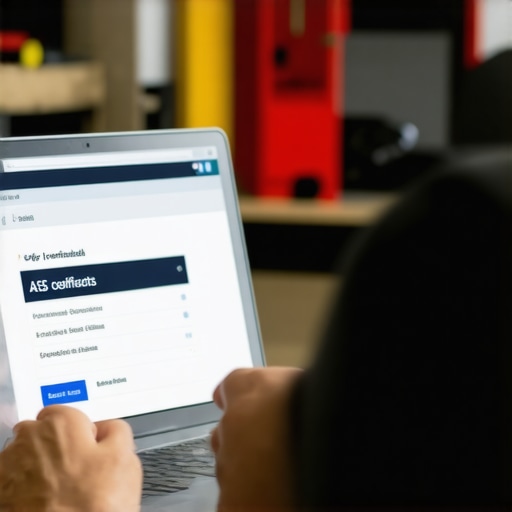
Imagine walking into a repair shop and instantly knowing if the mechanic has the credentials they claim. The easiest way is to visit the official ASE website and use their verification tool. I did this during my last oil change; I asked the technician if I could verify his ASE credentials, and instead of a vague answer, I pointed him to the website. Within moments, I confirmed his certification in engine repair. This quick step can save you from ending up with a technician who might cut corners, especially with essential services like oil changes or transmission diagnoses.
How to Use the ASE Certification Verification Tool
First, obtain the technician’s full name or shop identification details. Next, head over to ASE’s certification lookup page. Enter the name or certification number, and the system will confirm if the credentials are valid. Think of it as checking a chef’s knives before you order that expensive steak—why trust your car’s health to someone who might not be qualified?
Ask the Right Questions Without Being Off-Putting
If verification isn’t possible on the spot, direct questions can reveal a lot. For example, ask, “Are you ASE certified in transmission repairs?” or “Can you show me your certification card?” During a recent experience, I questioned a shop about their transmission specialists. The mechanic proudly showed his certification, which I then verified on the website. This approach keeps the interaction professional and builds trust, ensuring you’re not relying on hearsay or luck.
Be Wary of Shop Promises and Certifications
Some shops display badges or signs claiming ASE certification without actual verification. These might be decorative or outdated badges, much like fake designer labels. Always cross-reference with the official ASE database. In my case, spotting this false advertising prompted me to look elsewhere, avoiding a shady repair that could have worsened my transmission issues. Remember, real certification means ongoing education, not just a sticker on the door.
Use Verification to Avoid Costly Errors
Accurately verifying a technician’s credentials prevents you from rising costs down the road. For instance, improper transmission work can lead to slipping or overheating, which may eventually require a complete rebuild. When I learned a mechanic lacked proper ASE certification, I chose a different shop for my transmission fluid flush. This simple step ensured I was in safe hands, preventing future damage.
Additional Tips for Ensuring Quality Repairs
Beyond verifying ASE certificates, ask for a detailed estimate and listen for vague responses. If you’re uncertain about a repair recommendation, seek a second opinion from an ASE-certified shop. It’s akin to consulting multiple doctors—better safe than sorry. Also, consider reading reviews or asking friends for recommendations to find shops that prioritize transparency and quality, like in brake system repairs.
Many car owners assume that basic maintenance routines like oil changes or transmission service are straightforward tasks, but in reality, there’s a lot more beneath the surface that can trip you up if you’re unaware. For instance, a common misconception is that all oil filters are created equal. In truth, as I learned from recent research, modern engines require specific non-standard filters, and using the wrong type can slowly starve your turbocharger or cause premature engine wear — details that aren’t obvious to most until it’s too late (see here). Also, when it comes to transmission repairs, many believe that a simple fluid flush can fix all shifting problems. However, in some cases, this may exacerbate existing issues, especially if the technician isn’t experienced with advanced transmission diagnostics. This is why verifying ASE certification, particularly in specialized areas like transmission or electrical systems, is vital to avoid costly mistakes. Some underestimate the importance of nuanced factors like proper fluid temperature during servicing, which significantly affects the procedure’s success. For example, a transmission fluid change performed in cold conditions might not remove all wear particles effectively, leading to early failure. Advanced car care involves understanding these subtleties, which are often misunderstood or overlooked. Moreover, the myth that ‘lifetime’ transmission fluid requires no attention is misleading, as many expert mechanics recommend periodic changes, especially for high-mileage vehicles, to prevent sludge buildup and component wear. Delaying these can lead to irreversible damage, including the dreaded slipping or overheating. Think about the idea that all ASE-certified technicians are equally qualified — not necessarily true. Certification indicates proficiency, but ongoing education and experience are what truly matter to handle complex issues. For example, automakers continuously update diagnostic procedures, and only those who keep pace can accurately identify hidden problems. To dig even deeper, consider advanced troubleshooting techniques like using the diagnostic scanner to interpret transmission solenoid responses, which go beyond basic knowledge. Recognize, too, that regular inspections for signs of subtle wear — like slight leaks or unusual noises — can save you from big repairs down the line. Overlooking these nuances often transforms routine fixes into emergency repairs. So, have you ever fallen into this trap of oversimplification or ignored the complexity behind car service? Let me know in the comments. Improving your understanding of these hidden factors ensures you won’t just rely on surface-level solutions but will be better equipped to maintain your vehicle’s longevity and performance.
Equip Yourself for Effective Maintenance
Staying on top of your vehicle’s health means having the right tools and methods at your fingertips. I personally swear by a high-quality automotive scan tool like the Autel MaxiScope MS909, which allows me to read and clear diagnostic trouble codes directly from my vehicle’s ECU. This device is crucial because it provides real-time data on engine performance, transmission function, and other critical systems. Unlike generic OBD-II scanners, the MaxiScope offers advanced graphing capabilities and compatibility with most vehicle makes and models, ensuring I don’t miss subtle issues that could escalate over time.
Alongside a robust scan tool, I recommend investing in a digital multimeter with automotive-specific features. It helps me verify battery voltage, sensor outputs, and electrical connections efficiently. Over time, I’ve found maintaining a detailed maintenance log via software like Carfax Vehicle History helps predict and prevent issues—especially for high-mileage or fleet vehicles. These tools make long-term maintenance predictable and manageable, reducing unexpected breakdowns and costly repairs.
Why Regular Checks Are the Future of Car Care
As automotive technology advances, so do the tools needed to stay ahead. Future trends indicate increased reliance on integrated diagnostic systems and AI-driven predictive maintenance, reducing downtime and repair costs. For now, however, combining an advanced scan tool with diligent physical inspections offers the best bang for your buck. For example, visually inspecting brake components or fluids regularly can reveal early signs of wear, preventing major brake failures, as detailed in this article on power steering noise.
How do I maintain optimal vehicle performance over time?
The key is consistent, proactive inspections paired with the right diagnostic tools. For instance, I routinely use the aforementioned scan tool to check for hidden codes before they trigger warning lights, saving me from larger issues like transmission slipping or engine misfires. Incorporating software that tracks service intervals helps me stay ahead of upcoming maintenance tasks, like oil or transmission fluid changes, which are vital for longevity. Remember, ignoring early signs can lead to irreversible damage, such as worn gears or contaminated fluids, that could cost thousands in repairs later. Embracing technological tools now ensures your vehicle remains reliable and efficient in the years to come. If you’re interested in a practical starting point, try using your scan tool to verify your vehicle’s fault codes after your next drive—it’s easier than you think and incredibly revealing for diagnosing issues early.
Lessons That Changed How I Trust My Car Service
One pivotal realization I had was that not every ASE badge guarantees top-tier service; some shops display fake or outdated certifications like worn-out badges on a leather jacket. This taught me to verify credentials directly through the official ASE website rather than relying solely on signage—a step that saved me from unnecessary repairs. Additionally, I learned that even certified technicians need ongoing education, so I now look for shops with ASE-certified techs who regularly update their skills, especially in complex areas like hybrid systems.
Another lightbulb moment was understanding that many common maintenance mistakes—like using the wrong oil filter—can be subtle but costly. Skipping proper verification of compatible parts before your service can lead to turbocharged engine damage, as I found out the hard way. Now, I scrutinize manufacturer recommendations and cross-reference them with trusted resources before any service appointment. Lastly, I discovered that engaging in open questions—such as asking technicians to show their certification—is a simple but effective way to build trust and ensure you’re in capable hands.
Tools and Reads That Keep My Car in Check
My go-to resource for staying ahead is the recommendation on quality oil filters because it highlights issues I might overlook. I also rely on the Autel MaxiScope MS909 diagnostic scanner, which unlocks insights into hidden engine or transmission issues that paper diagnostics can’t reveal. For reliable reference, I turn to professional books like “Automotive Diagnostics System” by Tracy Martin—an authoritative guide that deepens my understanding of vehicle electronics and helps me communicate more effectively with my mechanic. These tools and resources are invaluable for preventing costly mistakes and ensuring my vehicle runs smoothly for miles to come.
Keep Moving Forward, Car Care Warriors
Remember, the journey to confident vehicle maintenance isn’t about mastering everything at once but about taking small, informed steps. Trusting verified ASE-certified technicians and equipping yourself with the right knowledge empowers you to make smarter decisions, saving time and money. Your car is a complex machine, but with curiosity and the right tools, you can be an active participant in its care. So, next time you visit your shop, ask about certification verification or how they stay updated—your car—and wallet—will thank you. What’s one thing you’re planning to check or ask during your next service appointment? Share your thoughts below; I’d love to hear your plans.