How to Spot an ASE Tech Who Specializes in Complex Electrical Issues
I’ll never forget the moment I almost handed over my keys to a shop that promised expert electrical diagnostics. The technician looked competent enough, but when my car still had that peculiar flickering dashboard and unexplained electrical glitches, I realized I might have been duped. It was a lightbulb moment: not all ASE-certified technicians truly understand the complexities of modern automotive electrical systems.
Why It’s Hard to Tell if Your Mechanic Understands Your Car’s Electrical Jigsaw
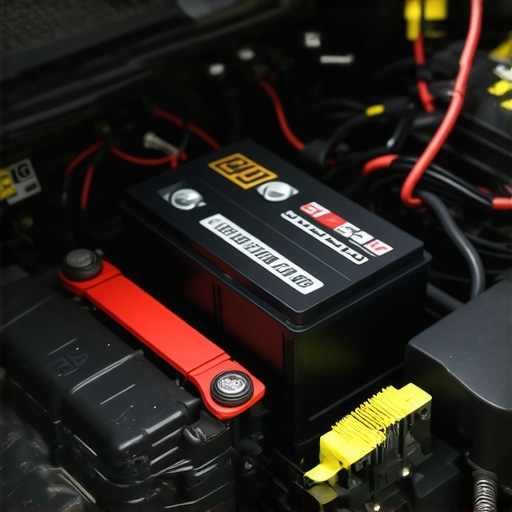
Modern vehicles are more like computers on wheels. With hundreds of interconnected electronic modules, a complex electrical problem can be daunting—but also a trap for mechanics who claim expertise without genuine specialization. Early on, I made the mistake of accepting a quick fix for my car’s intermittent no-start issue, only to find out later that the shop was misdiagnosing and patching symptoms rather than resolving the root cause. This experience taught me the importance of knowing how to identify whether a technician truly grasps complex electrical issues. If you’re tired of throwing money at repairs that don’t stick, you’ll want to know the secrets of spotting a real expert. To get started, consider how technicians communicate issues and whether they use specialized diagnostic tools. Experts who understand complex electrical problems will often reference specific diagnostic procedures, such as testing wiring harness continuity or voltage drops, which you can verify. For reliable guidance, check out this article on how to spot a genuine ASE-certified tech in seconds.
Is the ASE Certification Enough to Trust Your Mechanic with Complex Electrical Work?
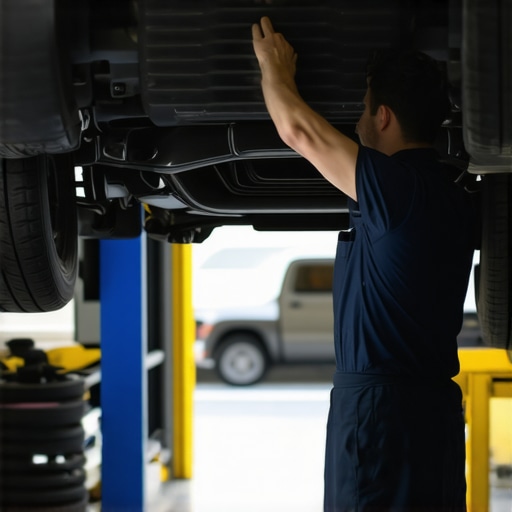
I used to assume that an ASE badge guaranteed mastery of all car systems. After my own misadventures, I realized that ASE certifications cover a broad range of skills, but they don’t necessarily guarantee deep expertise in complex electrical systems. A common mistake I made early on was relying solely on the badge without checking the technician’s experience with modern electrical diagnostics or their familiarity with vehicle-specific wiring diagrams. If you want to avoid similar pitfalls, it’s essential to ask specific questions about the mechanic’s recent experience with your car’s make and model, especially regarding electrical issues, and observe whether they use advanced diagnostic equipment. This approach, combined with some basic knowledge, can save you unnecessary headaches and expenses.
Verify Your Mechanic’s Diagnostic Skills
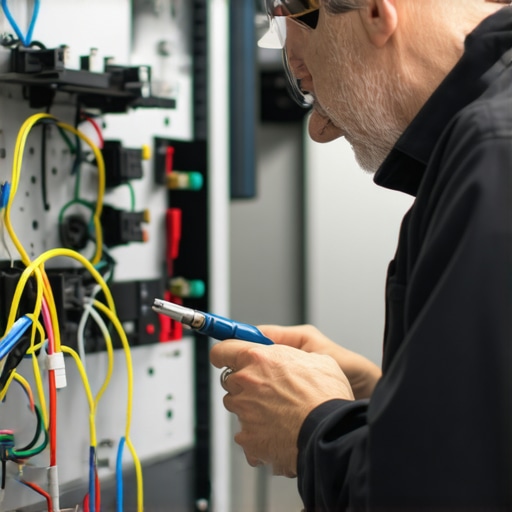
When your car exhibits electrical or transmission issues, don’t accept generic explanations. I once watched a technician struggle to interpret my wiring diagram, leading me to ask specific questions about their recent experience with my vehicle model. This simple step prevented costly misdiagnoses. To confidently assess their expertise, verify whether they use advanced diagnostic tools like oscilloscope or voltage testers, rather than relying solely on scanning devices. Remember, a genuine expert will articulate diagnostic procedures clearly, such as testing wiring continuity or measuring voltage drops. For more insights on this, see how to spot a genuine ASE-certified tech in seconds.
Performing a Proper Oil Change for Longevity
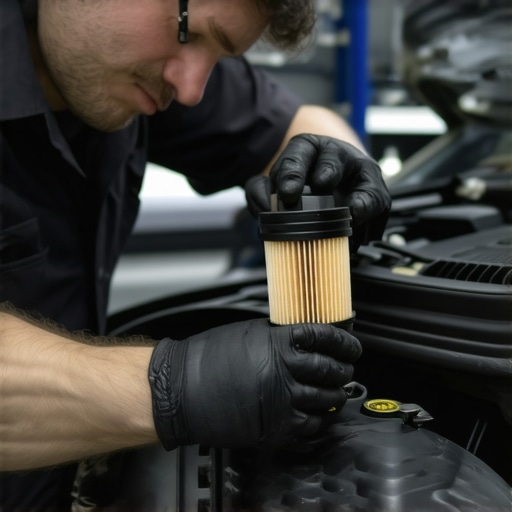
Next, tackling an oil change isn’t just about draining the old oil and pouring new. I once used a filter that was too thin, causing a slight leak that led to engine noise. The key is selecting the right filter and oil type specified for your vehicle, which protects vital parts like the camshaft and crankshaft bearings. Make sure to warm up the engine briefly before draining the oil, so contaminants flow out more completely. When topping off, verify levels with the dipstick or electronic sensor. After, monitor for any unusual noises or warning lights. For detailed procedures, check out why your car feels heavy and sluggish after an oil change.
Testing the Cooling System Effectively
Overheating can stem from various causes, but a common mistake is ignoring radiator fans that run excessively. Once, I used a thermal camera to identify that one fan was stuck due to a faulty relay, causing my engine to overheat during city stops. To diagnose properly, check the radiator fan relay, temperature sensors, and coolant levels. Engage the AC to see if the fan activates as it should; if not, suspect a relay or sensor fault. For an in-depth approach, visit why your radiator fans run for minutes after you turn off the engine.
Mastering Transmission Checks Without a Scanner
Understanding your transmission’s health involves more than just watching for slips. I once checked mine without tools by feeling for hesitation or rough shifts. If your car shifts into gear with a clunk, or if you notice delayed engagement, investigate further—check transmission fluid condition, level, and look for burnt smell or debris. For a deeper understanding, see why your automatic transmission is clunking into gear. Remember, normal operation is smooth and silent; any irregularity warrants a professional diagnosis.
Spotting Genuine Expertise in Hybrid Systems
Hybrid vehicles require specialized knowledge. I avoided shops that only advertised general services, as their technicians lacked experience with complex high-voltage components. When seeking a hybrid mechanic, ask about recent training or certifications specific to electric drive systems. Check whether they follow manufacturers’ service guidelines for batteries and inverters. For more details, read why your fleet repairs are costing more than they should. The right shop will have the tools and skills to handle these high-tech systems properly, saving you money and future headaches.
Many car owners rely on common wisdom and surface-level knowledge when it comes to transmission care, oil changes, and trusting ASE certifications. But—let’s dig deeper—what most people get wrong is the assumption that these aspects are always straightforward or error-proof. For instance, a prevalent myth is that an ASE certification alone guarantees a technician’s expertise in modern electrical or transmission systems. In reality, certifications represent a broad skill set, and specialization matters, especially with high-tech vehicles. An experienced ASE-certified mechanic might have limited recent exposure to advanced hybrid or transmission diagnostics. Relying solely on badges can set you up for misdiagnoses or unnecessary repairs.
Why Do We Still Fall for Old-School Fixes with Modern Cars?
A common mistake is applying generic solutions—like using a standard oil change interval of 3,000 miles—without considering your specific vehicle’s needs or driving habits. Modern engines and transmissions often require specialized oils or fluids (see this article), and using the wrong type can accelerate wear or cause slipping. For example, synthetic oils may outperform conventional in engines and transmissions, but many shops continue to push cheaper options, mistakenly believing all oils are equal. This oversight can lead to more frequent oil changes, increased wear, or even costly transmission repairs down the line.
Another trap is the outdated belief that a simple oil change is a low-effort maintenance task. In reality, it’s a nuanced process: picking the correct oil grade, installing the right filter, and ensuring proper torque to prevent leaks—all crucial for engine longevity. Skipping these details can cause issues like reduced performance and sluggishness. So, next time you hear “just an oil change,” remember: it’s more like a mini health check for your engine.
Discovering What Most Shops Overlook in Transmission Care
One advanced nuance that many technicians neglect is the importance of temperature management within the transmission system. An overheated transmission can perform poorly, slip, or even sustain damage, but many shops focus solely on fluid levels without considering heating issues. For example, high transmission temperatures during heavy towing or city driving can cause fluid breakdown, which isn’t always visible externally. Regularly monitoring transmission temperature—especially in automatic or CVT systems—can save you from premature rebuilds and breakdowns. Check out this guide to better understand how to keep your transmission cool and healthy.
Think about it: many transmission failures trace back to neglecting heat, not just low fluid levels. If you suspect overheating but don’t have access to professional diagnostics, a good practice is to observe shifts and responses during hard driving. Sudden slippage or sluggish shifts are red flags.
Then there’s the question of proper fluid selection. Many vehicle owners don’t realize that some modern transmissions—like CVTs—require specific non-standard fluids, and using generic or incorrect types can cause early failure. Always consult your vehicle’s manual or trusted mechanic for this detail.
In conclusion, what most people overlook is that car maintenance is layered; it’s the details, not just the basics, that determine long-term reliability. Don’t fall into the trap of thinking that a quick fix or superficial check will suffice. Stay informed, ask the right questions, and trust mechanics who are recent in their training and diagnostic approaches. How about you—have you ever fallen into this or another maintenance trap? Let me know in the comments!
Keeping It Working with Precision Tools and Methods
Maintaining your vehicle over the long haul requires more than basic knowledge—it demands the right tools and disciplined methods. I swear by certain diagnostic and maintenance equipment that have consistently given me confidence in my repairs and adjustments. For instance, an OBD-II scanner with live data capabilities is an indispensable first step. Unlike basic code readers, my preferred model allows me to view real-time data streams, which helps identify issues such as sensor delays or voltage irregularities that could lead to transmission slipping or poor engine performance.
Another vital tool is a digital multimeter. I rely on mine to perform voltage drop tests and continuity checks of electrical circuits, particularly when verifying wiring integrity after illness or accident. A simple test with it revealed a faulty ground connection that was causing intermittent electrical glitches — problems that a code scan alone wouldn’t pinpoint.
For fluid-related tasks, I invest in a vacuum pump and a dedicated fluid extractor. When I perform my own oil changes, these tools help me to remove old oil and replace filters meticulously, ensuring no residual debris causes long-term issues. Additionally, a thermal camera has become a game-changer for diagnosing cooling issues; it uncovers hidden hot spots—like a stuck radiator fan relay—that might not be apparent visually but could lead to overheating and turbo reliability problems.
Modern repairs also benefit from specialized software. For example, manufacturer-specific diagnosis software allows me to verify adaptations and resets that generic tools can’t handle. This is essential when dealing with newer hybrid systems or the latest transmission control modules, which I believe will eventually become standard in all vehicles. Looking ahead, I predict this trend will continue, with increased integration of AI-driven diagnostic tools that can analyze patterns beyond human capacity, making maintenance more efficient and precise.
How do I maintain these tools over time?
Regular calibration and careful storage are key. I keep my diagnostic devices in a humidity-controlled environment and run calibration routines as recommended by the manufacturer, such as the genuine ASE tech certification standards adapt to newer hardware. This ensures accurate readings and reliable diagnostics, which are critical for effective maintenance. Crafted properly, these tools can save money and frustration, extending your vehicle’s life and keeping it performing at peak. Think about incorporating such equipment into your routine maintenance—it’s often the difference between a quick fix and a lasting repair.
One tip I strongly urge everyone to try: invest in a good thermal camera. It might seem like a luxury, but the insights it provides into cooling system health are invaluable. For example, checking fan operation during engine warm-up or after a long drive can unveil subtleties that prevent overheating down the road. This proactive approach helps avoid costly repairs and ensures your car remains reliable for years to come.
The Hardest Lesson I Learned About transmission,car service,ASE certified,oil change
One of the most eye-opening realizations I had was the importance of continuous learning beyond certifications. I once trusted an ASE badge blindly, only to discover that mastery in automotive technology requires staying updated with evolving systems like hybrid drives and advanced electronics. This taught me to ask mechanics specific questions about recent training and hands-on experience with my vehicle’s unique features.
3 Myths About transmission,car service,ASE certified,oil change That Held Me Back
Myth one: An ASE certification guarantees top-tier knowledge — not necessarily true today, especially with rapidly changing vehicle tech. Myth two: An oil change is always just a quick drain and refill — but using the wrong oil or filter can shorten your engine’s life significantly. Myth three: Any mechanic can handle complex electrical diagnostics — specialization matters more than ever.
What Experts Won’t Tell You About transmission,car service,ASE certified,oil change
Many seasoned technicians hesitate to admit that equipment and ongoing training are crucial. Relying solely on old tools or outdated methods can lead to misdiagnosis, especially with high-tech vehicles. The real pros invest in advanced diagnostic tools and stay current through continuous education, which ultimately saves you money and stress.
Curated Tools That Changed My Approach
- OBD-II Scanner with Live Data: This tool helps me visualize real-time engine and transmission performance, catching issues before they escalate.
- Digital Multimeter: Vital for electrical troubleshooting, verifying wiring and sensor signals accurately.
- Thermal Camera: Unveils hidden overheating issues—from stuck fans to coolant flow problems—that otherwise escape notice.
- Manufacturer-Specific Diagnostic Software: Especially important for hybrid and high-tech systems, ensuring precise resets and calibrations.
Action for Vehicle Longevity
Your car’s care goes beyond routine oil changes. Incorporate regular diagnostics, upgrade your tools, and ask pointed questions when visiting mechanics. The investment in knowledge and quality tools pays off in vehicle reliability and safety. Remember, the difference between a fix and a lasting repair often lies in attention to detail and ongoing education.
Your Next Step in Vehicle Mastery
Stay curious, ask questions, and don’t settle for superficial fixes. Your car is more than transportation—it’s a complex machine that rewards those with a keen eye and a commitment to learning. How do you verify your mechanic’s expertise in electrical or transmission systems? Share your experiences below — I’d love to hear how you’re taking charge of your vehicle’s health!
,