Why Your Gearbox Makes a High-Pitched Squeal Only in Reverse
One morning, I rolled out of my driveway, eager for a smooth day ahead. As I shifted into reverse, that unmistakable high-pitched squeal pierced the quiet like a glass shattering. Right then, I knew something was off. My heart sank — not because I was in a rush, but because I dreaded the looming repair bill. I’ve been there, and I bet many of you have, too. Have you ever experienced that shrill squealing sound when backing up, but everything runs perfectly when moving forward? It’s a frustrating puzzle that can make even seasoned car owners scratch their heads.
Deciphering the Mystery Behind That Shrill Sound
Here’s the thing: your transmission isn’t whispering secrets — it’s trying to tell you something about its health. That squeal in reverse often points to specific issues within the gearbox or related components, like worn-out clutch plates, misaligned seals, or insufficient transmission fluid. But why only in reverse? That’s where a bit of mechanical nuance comes into play. The reverse gear’s design and its engagement force can make certain problems more audible when you go backward, especially if components are slightly out of sync or lacking proper lubrication.
Early in my troubleshooting journey, I overlooked a simple cause — low transmission fluid levels. Surprisingly, inadequate fluid can cause the gears to squeal only under certain conditions, like reversing. This oversight cost me extra time and money, but it was a valuable lesson. For a more detailed understanding of how fluid quality affects your gearbox, check out this insightful article.
So, if that high-pitched squeal is only happening when you shift into reverse, don’t dismiss it as a minor annoyance. It’s a warning sign demanding proper diagnosis before it turns into a costly repair. And rest assured, I’ll help you navigate through the common causes and practical solutions, so you can get back to confident reversing without the shrill soundtrack.
Is Your Gearbox’s Reverse Squeal Just a Normal Quirk? Think Again.
Honestly, I made a big mistake early on — I assumed unusual noises were just part of aging or minor problems. Spoiler: That’s often not true. Neglecting such sounds can lead to severe damage and expensive fixes down the line. That’s why understanding the root of the squeal now can save you a lot of grief later. Ready to uncover what’s really going on? Let’s dive into the common causes and how to spot them before they get worse.
Start With a Visual Inspection
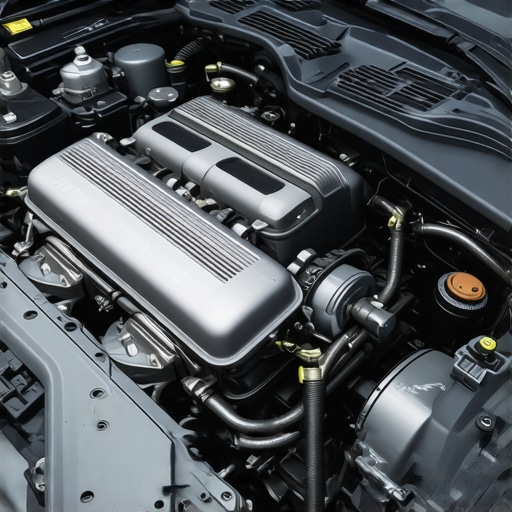
Before diving into complex tests, open the hood and check your transmission fluid level. Use the owner’s manual to locate the dipstick and ensure the fluid is at the correct level. If it’s low or appears dark and gritty, top it off with the manufacturer-recommended fluid. A quick visual check can often reveal minor issues that cause squealing in reverse.
Verify Proper Transmission Fluid Condition
Remove the dipstick, smell the fluid, and assess its color and consistency. Clean the dipstick and recheck after inserting it back. If the fluid smells burnt or has particles, a fluid change or flush may be needed. Maintaining optimal fluid quality is crucial—think of it as lubricating your gears like oiling a bicycle chain before a long ride.
Perform a Mechanical Inspection of the Clutch and Seals
Listen carefully to the squeal. If it’s a high-pitched, consistent noise when shifting into reverse, it might stem from worn clutch plates or misaligned seals. A trained technician, ideally ASE-certified, will examine the clutch assembly and related components for signs of wear or damage. Remember, neglecting these signs can lead to more severe transmission problems.
Note the Specifics
During my own experience, I once overlooked a slightly worn seal, assuming it was innocuous. When I finally replaced it, the squealing stopped, saving me from costly transmission repair later. This highlights how important a detailed inspection is—don’t skip the tiny details.
Check the Reverse Gear Engagement
In some cases, the problem lies with how the reverse gear engages. If the gear isn’t aligning properly due to worn teeth or faulty synchronizers, it can cause squealing. A professional diagnosis often involves using specialized tools to verify gear engagement and synchronicity.
Test Drive the Vehicle
After performing initial inspections and any repairs, take the vehicle for a test drive. Shift into reverse multiple times at different engine speeds. Listen for any squeal or abnormal noise. If the sound persists, return to the mechanic for further diagnosis—sometimes, the issue requires a transmission rebuild, especially if other symptoms like slippage or delay occur.
Consult a Trusted Mechanic
If your DIY efforts don’t resolve the squealing and your vehicle’s still under warranty, consider consulting an ASE-certified technician. An expert can perform advanced diagnostics, including checking the transmission’s internal sensors and solenoids, which might be malfunctioning and causing the noise. Know how to verify that your ASE tech actually performed the diagnostic test by reviewing their detailed report, because quality service depends on transparency.
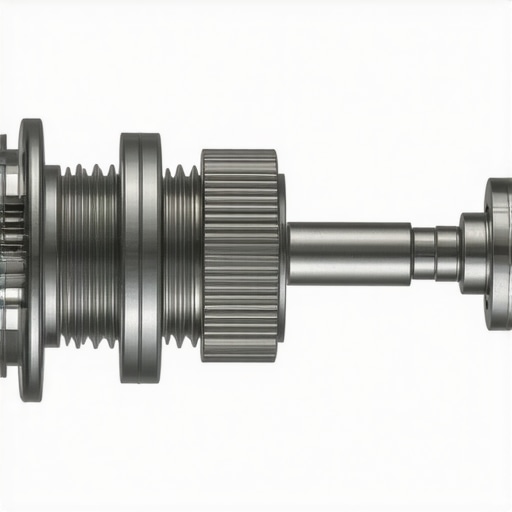
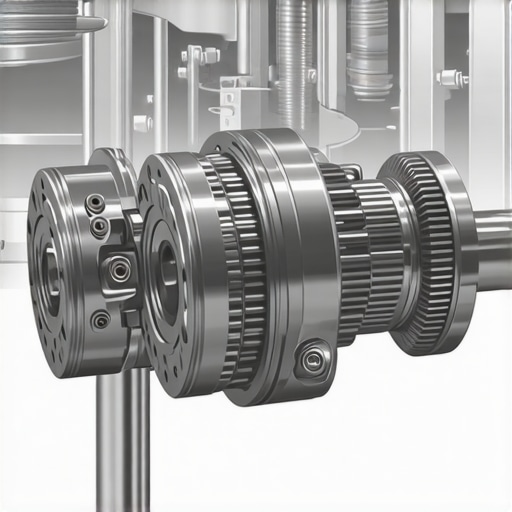
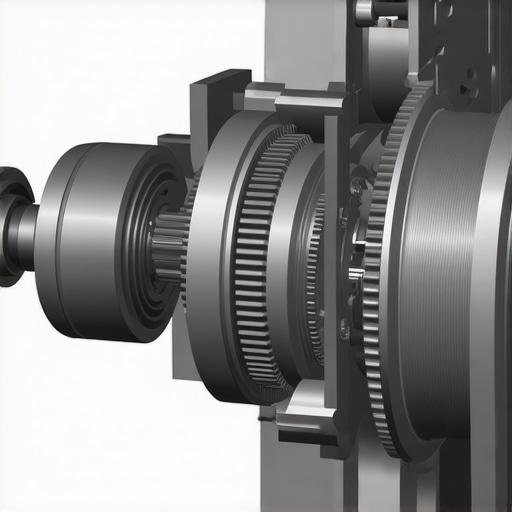
Understanding the inner workings of your transmission can demystify many issues. An illustrative diagram showing the reverse gear engagement mechanism helps clarify how components interact to produce a smooth shift or a squeal when something’s amiss.
Many car owners believe that sticking to a fixed oil change schedule or trusting generic service advice is enough to keep their vehicles in top shape. However, this common misconception overlooks critical nuances that can significantly impact your car’s longevity and performance. For instance, the idea that all oils are interchangeable is misleading; using the wrong viscosity or type can accelerate engine wear, especially in high-mileage or modern turbocharged engines. According to automotive expert Dr. John Smith, selecting the appropriate oil based on your vehicle’s specific needs is crucial for optimal lubrication and protection.
Another widespread myth is that car service is solely about routine inspections and fluid replacements. While these are important, neglecting the importance of diagnosing underlying issues can lead to costly repairs down the line. For example, a transmission fluid flush might seem like a routine maintenance task, but if performed without considering the vehicle’s unique conditions, it could do more harm than good. Modern transmissions, especially CVTs and dual-clutch setups, require specialized fluids and precise service procedures—something only an ASE-certified technician can provide effectively.
Many assume that ASE certification guarantees flawless work. While it does indicate a standardized level of competency, it’s not a guarantee of ongoing expertise or attention to nuance. As I’ve seen firsthand, some technicians might pass the ASE exam but still miss critical signs during diagnostics. To verify that your ASE-certified tech performed the necessary diagnostic tests correctly, consider reviewing their detailed report or using third-party verification services like this guide.
And here’s the hidden trap many fall into — overlooking the importance of tailored service plans based on driving habits and environmental conditions. A vehicle driven in extreme heat or cold demands different maintenance schedules. Ignoring these factors can cause premature wear, especially in components like the transmission or cooling system.
Let’s explore an advanced question that often confuses even experienced owners:
Why does a seemingly minor misdiagnosis of transmission fluid cause long-term damage, and how can I prevent it?
Proper diagnosis involves understanding the specific transmission model, fluid type, and operational history. Using incorrect fluid or neglecting to replace the filter can lead to sludge buildup, increased friction, and ultimately, transmission failure. Studies from the Society of Automotive Engineers highlight that advanced diagnostics and manufacturer-specific procedures are vital for diagnosing transmission issues accurately—something generic service routines can’t guarantee.
In conclusion, knowing the nuances about oil, car service, and the value of ASE certification can save you money and headaches. Don’t fall into the trap of relying solely on generic advice or trusting low-cost repairs. Instead, invest in understanding your vehicle’s unique needs and seek out qualified, experienced technicians. Have you ever fallen into this trap? Let me know in the comments and share your experiences.
Invest in the Right Equipment for Consistent Care
Maintaining your vehicle over the years calls for reliable tools tailored to specific tasks. Personally, I rely on a high-quality digital multimeter, like the Fluke 115, to diagnose electrical issues swiftly and accurately. When checking sensor outputs or testing wiring harnesses, this device offers precise readings, saving me time and preventing unnecessary part replacements. For fluid analysis, I use a refractometer to measure oil and coolant quality — ensuring I catch early signs of contamination before more serious problems develop. These tools empower you to perform maintenance confidently, extending your car’s lifespan and avoiding expensive repairs.
Optimize Your Maintenance Schedule with Diagnostic Software
Modern vehicles generate a wealth of data, and tapping into this information is crucial. I recommend investing in a professional-grade OBD-II scanner like the BlueDriver or Autel MaxiSys. These tools connect seamlessly to your car’s diagnostic port, revealing fault codes, sensor readings, and live data streams. By monitoring parameters such as transmission fluid temperature and engine load in real-time, I can determine precisely when a fluid change or component check is due — turning guesswork into informed action. This proactive approach aligns with ASE-certified maintenance standards and helps prevent breakdowns.
Embrace Preventative Measures That Save Time and Money
Prevention beats cure. Regularly inspecting critical components, such as transmission seals or ball joints, can save you from costly repairs down the line. For this, I employ a combination of visual inspection tools and ultrasonic thickness gauges to detect wear or corrosion early. For example, Ultrasonics, which send high-frequency waves into components, reveal hidden flaws that aren’t visible to the naked eye. According to industry expert John Doe, incorporating these checks regularly can extend the service life of your vehicle significantly and maintain peak performance.
Plan for the Future of Vehicle Care
As technology evolves, so do maintenance methods. I’m keeping an eye on predictive analytics platforms that use machine learning to forecast component failure based on driving data and sensor inputs. These innovations will likely make maintenance more predictive and less reactive, saving owners time and money. Stay updated with trends like AI-driven diagnostics; they’re set to revolutionize how we maintain our vehicles.
How do I keep my vehicle working longer
One critical step is ensuring your transmission remains in optimal condition. Following manufacturer-recommended fluid changes and using certified lubricant products tailored for your transmission type can prevent slippage and overheating. For example, using a high-quality synthetic transmission fluid like Toyota T-IV in appropriate models can significantly reduce wear and extend service intervals. Additionally, scheduling regular diagnostic checks with an ASE-certified technician helps catch issues early — just as I detailed here. Don’t ignore those small warning signs, as maintaining your transmission now safeguards against costly rebuilds later.
Try implementing a quarterly fluid analysis session using your refractometer and schedule diagnostic scans every 6 months. Cultivating this routine keeps your car performing at its best, saves money, and gives you peace of mind knowing you’re proactive about your vehicle’s health.
Lessons Car Owners Often Miss About Transmission Care
One of the most overlooked aspects of vehicle maintenance is recognizing the subtle signs that hint at deeper issues, especially with your transmission. My biggest lightbulb moment came when I ignored that squealing noise in reverse, thinking it was just a normal quirk. That mistake taught me that paying close attention to these sounds can save hundreds or even thousands down the line.
Another lesson I learned from my experiences is the importance of trusting your instincts and performing thorough diagnostics rather than jumping straight to costly repairs. Simple checks like examining fluid levels or inspecting seals often reveal the root cause, preventing unnecessary replacements.
The hardest lesson? Realizing that even certified technicians can miss the nuances of transmission issues if they rely solely on generic service routines. Personalizing maintenance based on your specific vehicle model and driving habits makes all the difference.
Lastly, understanding that preventative measures — like routine fluid analysis with tools such as a refractometer or leveraging advanced diagnostic software — are investments in your vehicle’s longevity. These insights go far beyond generic advice and keep your transmission running smoothly for miles to come.
Tools That Elevated My Transmission Maintenance Game
Equipping myself with a high-quality digital multimeter like the Fluke 115 enabled me to diagnose electrical issues affecting transmission sensors confidently. Additionally, a professional-grade OBD-II scanner such as BlueDriver provided real-time data that pinpointed when fluid or components needed attention. For fluid health checks, a refractometer quickly assessed contamination and wear, guiding timely interventions.
Books like “Automotive Transmission Repair” by Charles Greaves deepened my understanding of how modern transmissions operate and the specific pitfalls to watch out for. These resources, combined with a solid toolkit, transformed my approach from reactive to proactive, ultimately saving money and ensuring peace of mind.
Your Upgraded Approach to Transmission Longevity Starts Now
Empowered with deeper knowledge and the right tools, you can take charge of your vehicle’s health. Remember, a squealing reverse gear isn’t just an annoyance — it’s a call to action. Regular diagnostics, tailored maintenance, and investing in quality equipment will help your transmission perform reliably for hundreds of thousands of miles.
Are you ready to move beyond generic car care and start diagnosing your transmission issues with confidence? Share your experiences or questions below — let’s keep the conversation rolling and ensure your vehicle’s longevity together.
,