Why Your Modern CVT Requires Specific Non-Standard Fluid
It was one of those mornings when I was racing to get to work, only to be stuck behind a parade of cars crawling at a snail’s pace. As I sat there, fuming, I remembered the last time I took my car in for a routine oil change, and how everything seemed fine—until it wasn’t. That light flickered on my dashboard hours later, and suddenly, I was deep in a rabbit hole of transmission issues I didn’t fully understand. That moment was a lightbulb for me: not all fluids are created equal, especially when it comes to the modern CVT (Continuously Variable Transmission).
Unlocking the Hidden Secrets of Modern CVT Fluids
Is Your Car’s Fluid Just Ordinary? Or Is It Special?
Early on, I made the mistake of assuming that all transmission fluids were interchangeable. I watched a few YouTube videos, thought I was saving a buck by choosing a cheaper fluid, and figured, “How different could it be?” Turns out, quite a lot. Modern CVT transmissions require specific, non-standard fluids designed to work with the unique pulleys and belts that make CVTs so efficient. Using the wrong fluid can lead to premature wear, slipping, or even catastrophic failure. What I didn’t realize then was that the standard ATF (Automatic Transmission Fluid) I bought off the shelf simply isn’t engineered for these advanced systems. Choosing the right fluid is crucial—it’s the difference between a smooth ride and expensive repairs. Want to learn more about why mismatched fluids hurt your transmission? Check out this detailed breakdown on how brake fluid issues can mirror transmission fluid problems. If you’ve faced similar frustrations, stay with me, because I’ll guide you through how to identify whether your CVT fluid is up to snuff or needs an immediate upgrade. But first, let’s tackle a common question I hear all the time from fellow car enthusiasts.
Start with the Right Tools and Information
Before diving into the fluid check or change, gather your vehicle’s manual to identify the specific CVT fluid recommended by the manufacturer. Think of it as preparing your toolbox before a repair—using the correct tools ensures efficiency and safety. Remember, not all CVT fluids are interchangeable, so choose the exact specification. When I replaced my fluid last summer, I double-checked the manual and ordered the recommended brand; it saved me from potential guesswork.
Locate and Access the Transmission Fluid
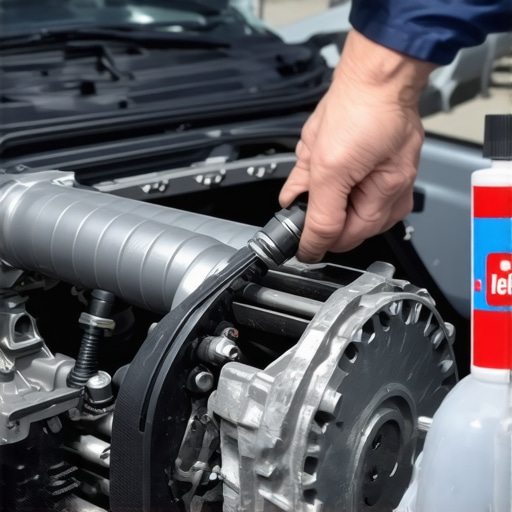
Many modern cars lack a traditional transmission dipstick, complicating the check. In such cases, consult a repair guide or use the step-by-step process for checking transmission fluid without a dipstick. I followed this method on my vehicle, which involved warming up the engine, parking on level ground, and locating the fill plug. Be prepared with the right socket wrench and gloves; safety and precision are key.
Notice the Fluid Color and Smell
Fresh CVT fluid is typically bright and has a slightly sweet or chemical scent. If the fluid appears dark, cloudy, or smells burnt, it’s a sign that it needs replacement. During my last check, I noticed the fluid was dark and slightly gritty—indicative of contamination and wear. Replacing it immediately can prevent costly transmission damage. Learn more about signs of transmission fluid degradation here.
Drain and Refill Correctly
Either drain the fluid through the drain plug or, if your vehicle has a sealed system, perform a fluid exchange using specialized equipment. I opted for a drain plug, ensuring to catch all fluid in a clean container for disposal. When refilling, add the manufacturer-specified amount slowly to avoid overfilling, which can cause pressure issues. Be meticulous—over time, small errors can accumulate, leading to transmission problems like slipping or delayed shifting.
Perform a Road Test and Re-Check
After completing the fluid change, warm up the engine, and carefully test drive the vehicle. Observe for smooth shifting and listen for unusual noises. Then, re-inspect the fluid level and condition. This step ensures your transmission operates optimally and helps catch any installation issues early. This method also reduces the risk of future slips or shuddering, as improper fluid levels are common culprits. For more on diagnosing shifting issues, visit how to detect transmission solenoid failure.
Regular Checks as Maintenance
Make fluid inspection part of your routine maintenance. Set reminders every 30,000 to 50,000 miles, depending on your driving conditions. The goal is early detection—catching dark, burnt, or low fluid before it causes major damage. This simple step can extend the lifespan of your CVT and save thousands in repairs down the line.
When in Doubt, Consult a Professional
If you notice issues like slipping, delayed engagement, or strange noises, seek professional help. While DIY methods are cost-effective and educational, some systems require specialized tools or knowledge. ASE-certified technicians can diagnose and rectify issues with precision, preventing further damage. Remember, improper handling can sometimes do more harm than good.
Many drivers believe they know the essentials of car maintenance, but in reality, numerous misconceptions and overlooked nuances can lead to costly mistakes. One widespread myth is that all transmission fluids are interchangeable—nothing could be further from the truth. Modern CVT systems require specialized fluids engineered for their unique pulleys and belts, and using standard automatic transmission fluid can cause slips and premature wear.
Why Do So Many Still Fall for These Myths?
The automotive industry is flooded with misinformation, often propagated by quick-lube shops or online videos emphasizing shortcuts. These false beliefs can lead owners to neglect proper maintenance schedules or choose inferior products, which may seem like savings but actually invite expensive repairs down the line. For example, neglecting to replace contaminated transmission fluid accelerates wear, impacting performance and longevity.
Another common mistake is assuming that ASE certification guarantees a flawless repair. While ASE-certified technicians possess proven expertise, it doesn’t mean they’re infallible or always up-to-date with the latest vehicle technology. Modern vehicles, especially hybrids and electrics, demand continuous training. Relying solely on certifications without asking detailed questions can result in misdiagnosis or unnecessary parts replacement. To ensure quality, ask technicians about recent training or their familiarity with specific system diagnostics.
What Might Be Overlooked During Oil Changes
Many drivers believe an oil change is a quick task, but neglecting the small details can be detrimental. For instance, failing to check or replace the oil filter properly can cause oil flow restrictions. Additionally, using the wrong oil viscosity or type—even if it seems minor—can affect engine efficiency. Furthermore, neglecting to inspect associated components like valve cover gaskets during oil changes might lead to leakage and more extensive repairs later. Remember, an oil change isn’t just about draining old oil; it’s a comprehensive maintenance check.
It’s vital to recognize the subtle differences that distinguish routine maintenance from critical actions. For example, knowing when your transmission slips can prevent catastrophic failures, but only if you’re aware of the advanced signs and act promptly. Do you think all certified mechanics are equally skilled? Or are some shop myths leading us astray? Have you ever fallen into this trap? Let me know in the comments.
Investing in Quality Tools for Long-Term Car Care
One of the most critical aspects of maintaining your vehicle is having the right tools that ensure precise work and prevent costly mistakes. I personally rely on a set of high-grade, metric and standard socket wrenches from brands like GearWrench and Craftsman, specifically because they provide a firm grip and durability, which is essential when dealing with stubborn bolts during transmission fluid changes. Additionally, a digital torque wrench, such as the Neiko 03713A, has been invaluable for setting the correct torque when tightening transmission pan bolts, avoiding over-tightening that can lead to leaks or damage. Using quality, reliable tools not only makes repairs safer but also extends the lifespan of your equipment, which is why I recommend investing in them early on. As vehicle technology advances, so does the complexity of diagnostics; therefore, owning a professional-grade scan tool like the Autel MaxiCOM can help identify issues before they become major problems, saving both time and money over the years.
Keep Your Maintenance Routine Up-to-Date
Consistent maintenance is the backbone of a reliable vehicle. I schedule a comprehensive inspection every 30,000 miles, focusing on fluid conditions, filter integrity, and transmission health. When performing fluid checks on modern cars without traditional dipsticks, I use a specialized transmission fluid test kit from Liqui Moly, which allows me to evaluate oil condition accurately without relying solely on visual cues. This proactive approach helps discover early signs of wear, such as metallic particles or burnt smell, which suggest the need for a fluid exchange sooner rather than later. Regularly checking your transmission fluid and other vital components ensures you catch issues before they cause expensive damage, aligning with the practices outlined in expert maintenance guides.
Why Routine Checks Benefit Your Vehicle’s Longevity
Regular inspections can dramatically extend your car’s lifespan. For instance, monitoring your oil and transmission fluid health prevents sludge buildup and fluid degradation, both of which impair system performance. I use an infrared thermometer from Fluke during oil temperature checks to confirm proper circulation and avoid overheating, which can cause transmission failure. Implementing a habit of spotting early warning signs—like changes in fluid color or unusual noises—makes a significant difference. Tools like the automotive stethoscope, specifically the Master Appliance – STETH-1 model, help me listen for abnormal sounds in the transmission or engine, catching problems before they escalate. Staying ahead with such diagnostics fosters confidence and keeps your vehicle reliable for years to come.
Scaling Maintenance as Your Fleet Grows
If you manage multiple vehicles, automation tools become invaluable. Fleet management software like Fleetio allows for scheduling maintenance reminders based on mileage and vehicle condition reports. Combining these systems with remote diagnostic devices, such as the FIXD Sensor, enables continuous monitoring of critical parameters like transmission temperature or oil pressure. According to industry experts, leveraging these tools reduces downtime and repair costs—keeping your fleet operational longer and more efficiently. I recommend starting with digital dashboards that sync with your devices; this setup simplifies tracking maintenance history and facilitates timely interventions, effectively scaling your vehicle care efforts.
Predicting Future Trends in Car Maintenance
Looking ahead, AI-powered diagnostic systems and IoT-connected components will revolutionize maintenance routines, offering real-time alerts and predictive analytics for your vehicle’s health. This evolution promises to minimize unexpected failures, especially in vital systems like the transmission. To stay ahead, adopting smart tools and integrations now will prepare you for a future where your car communicates its needs proactively. For example, using software that integrates transmission diagnostics with your smartphone can prompt you to schedule an oil or fluid change before issues develop, as outlined in the latest industry reports.
How do I maintain my vehicle’s essential systems over time?
Implementing a combination of high-quality tools, regular inspections, and predictive diagnostics is key to sustaining your vehicle’s optimal performance. Start by investing in reliable equipment like digital torque wrenches and scan tools, then develop a routine that includes checking fluid conditions and listening for early signs of trouble. Embrace technological advancements such as IoT sensors and fleet management software to monitor critical parameters continuously. Regularly updating your maintenance schedule based on real-time data ensures your car remains dependable, reducing costly repairs and extending its lifespan. Consult your vehicle’s manual and industry resources to refine your approach, and don’t hesitate to seek professional advice when needed.
Beyond the Manuals: The Unexpected Lessons Learned
- Trust Your Instincts Over the Checklist: Sometimes, knowing when something feels off is more valuable than following every step. I once ignored a slight delay in gear engagement, only to find myself stranded because of a neglected fluid issue. Listening to those subtle signs can save you from costly repairs.
- Not All Certifications Guarantee Reliability: An ASE certification is impressive, but real-world experience matters more. I met qualified technicians who knew their stuff and others who relied solely on certifications, missing nuanced problems. Choose practitioners who demonstrate hands-on expertise, especially with modern CVT systems.
- Engineered Fluids Are Worth the Investment: I tried switching to generic transmission fluids to save a few bucks, only to experience slipping and rough shifts shortly after. Investing in manufacturer-recommended, specialized CVT fluids prolonged my transmission’s lifespan and kept my drives smooth.
- Prevention Outweighs Repairs: Regular checkups and fluid analyses detect early signs of wear before symptoms appear. Using quick-diagnostic tools has saved me from expensive system overhauls, proving that proactive care is truly cost-effective.
Tools and Resources That Changed My Approach
- AutoEnginuity Scan Tool: This professional-grade analyzer helped me diagnose complex transmission issues accurately, saving troubleshooting time and guesswork.
- Liqui Moly Transmission Test Kits: These kits enable me to assess fluid health without visiting a shop, ensuring I stay ahead of potential problems.
- Vehicle-Specific Repair Manuals: Accessing detailed, manufacturer-approved guides has been instrumental in performing safe and effective DIY maintenance.
- Online Forums and Expert Communities: Engaging with seasoned mechanics and experienced car owners provides insights that you can’t find in generic how-to videos, deepening my understanding of modern vehicle systems.
Keep Moving Forward with Confidence
Your vehicle is more than just a machine—it’s a complex system that rewards attentive care and continuous learning. Embrace the lessons learned, equip yourself with quality tools, and never underestimate the power of proactive maintenance. Your car—and your wallet—will thank you for it. Have you faced an unexpected repair that taught you a valuable lesson? Share your story below and join the conversation!
,