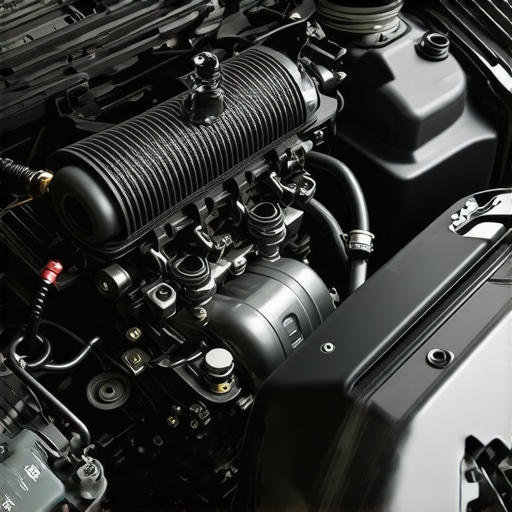
Power Steering Pump Whine: What to Check Before It Turns Into a Bigger Repair
A power steering pump whine usually means the system is struggling to build pressure, move fluid, or turn smoothly. The sound often gets louder when you turn the wheel, especially at low speed in a parking lot or driveway.
Do not diagnose it by the sound alone. A low fluid level, air in the system, a worn serpentine belt, a weak tensioner, a leaking hose, or a failing pump can all make a similar noise. The right first move is not replacing the pump. The right first move is checking the simple evidence in order.
Start With This Three-Minute Check
Before buying parts, park on level ground, set the parking brake, and open the hood. With the engine off, look for three things:
- Is the power steering fluid below the cold or hot mark on the reservoir?
- Is there wet fluid around the pump, reservoir, hoses, rack, or under the front of the vehicle?
- Does the serpentine belt look cracked, shiny, oil-soaked, loose, or frayed?
If the fluid is low and the belt is wet or glazed, topping off the reservoir may quiet the pump for a short time, but it does not fix the cause. A sealed system should not keep losing fluid. If the level drops again after a short drive, find the leak before the pump runs dry.
What the Whine Usually Means
A light whine when the wheel is turned can be a sign of low fluid or air being pulled into the pump. A louder groan at full lock can happen because the pump is under maximum load. Holding the steering wheel hard against the stop is not a good test; it can heat the fluid and stress the pump.
A high-pitched squeal can point more toward belt slip than pump failure. That is why belt condition matters. If the belt has been contaminated with oil, coolant, or cleaner, it may slip even if it looks mostly intact. I would not spray chemicals on it to quiet the noise. This is one reason the warning in never use degreaser on your serpentine belt matters: a belt that loses grip can make a good pump sound bad.
Check the Fluid, but Use the Correct Fluid
Look at the cap and the owner’s manual before adding anything. Some vehicles use dedicated power steering fluid. Others use ATF. Some later vehicles have electric power steering and no hydraulic fluid reservoir at all.
The process is simple:
- Check the level with the engine off unless your owner’s manual says otherwise.
- Use the cold or hot mark that matches the vehicle’s condition.
- Inspect the fluid color and smell. Very dark, burnt-smelling, or foamy fluid needs more attention than a simple top-off.
- Add only the specified fluid in small amounts, then recheck the level.
Foam in the reservoir usually means air is in the system. That can happen after a leak, a recent hose replacement, or a reservoir that was allowed to run too low. Air can make the pump whine even when the fluid level now looks correct.
Look for Leaks Before Blaming the Pump
Power steering leaks are often messy because fluid gets thrown around by the belt and airflow. Clean the area enough to see fresh fluid, then check again after a short drive.
Common leak points
- The return hose where it clamps to the reservoir
- The pressure hose crimp near the pump
- The pump shaft seal behind the pulley
- The steering rack boots
- The cooler lines, if the vehicle has a power steering cooler
If the rack boot is wet with power steering fluid, do not treat that as a harmless outer boot issue. Fluid inside the boot can mean the rack seal is leaking. A pump replacement will not solve that.
Inspect the Belt and Tensioner
The serpentine belt drives the power steering pump on many hydraulic systems. If the belt slips under load, the pump speed drops and the steering can feel heavy while the noise rises.
With the engine off, inspect the belt ribs. Look for missing chunks, cracks, shiny glazing, edge wear, or fluid contamination. Then check the tensioner. A weak tensioner can let a good belt slip when you turn the wheel at low speed.
If the belt has oil or coolant on it, do not just replace the belt and walk away. Fix the leak that contaminated it. Otherwise, the new belt can start slipping too.
When the Pump Itself Becomes the Main Suspect
The pump becomes more suspect after the basics check out: correct fluid, no active leaks, no foaming, belt in good condition, tensioner working, and pulley aligned.
A worn pump often whines more as steering load increases. You may also feel heavy steering at idle that improves slightly when engine speed rises. That pattern can suggest the pump is struggling to create pressure at low rpm, though pressure testing is the better way to confirm it.
A shop can test pump output with a power steering pressure gauge. That is more useful than replacing parts based on noise. If pressure is low and the rest of the system checks out, pump replacement becomes a more defensible repair.
Do Not Ignore Heavy Steering
A whine is one issue. Heavy steering is a safety issue. If the wheel suddenly becomes difficult to turn, especially at low speed, stop driving when you can do so safely and inspect the vehicle.
NHTSA recall documents repeatedly describe loss of power steering assist as a condition that can increase steering effort and raise crash risk, particularly at lower speeds. You can also check open safety recalls for your vehicle at NHTSA’s recall lookup.
Loss of assist does not always mean total loss of steering, but it can surprise a driver during parking, turning across traffic, or avoiding an obstacle. Treat a sudden change in steering effort as more than a maintenance annoyance.
What Not to Do
Do not keep topping off the reservoir every few days without finding the leak. Running the pump low can overheat and damage it.
Do not hold the steering wheel against full lock to “test” the system. A brief moment at the stop can happen during normal driving, but holding it there loads the pump and heats the fluid.
Do not add stop-leak as the first repair. It may swell seals for a while, but it can also leave you with the same leak and contaminated fluid. Use it only after understanding the risk and the value of the vehicle.
Do not assume every steering noise is the power steering pump. A bad idler pulley, alternator bearing, AC compressor bearing, or tensioner can sound similar from the driver’s seat.
How to Narrow Down the Noise
Use a simple pattern check. With the vehicle parked safely, listen at idle. Then turn the wheel slightly left and right without hitting full lock. If the noise rises only when steering load changes, the power steering system is more likely involved.
If the noise is present all the time and does not change with steering input, look more broadly at belt-driven accessories. If the noise changes with engine rpm but not with steering effort, the pump may not be the main issue.
If the symptom appears only during sharp turns, compare it with the checks in proper transmission maintenance. A turn-related symptom can come from more than one system, and the exact condition matters.
When a Flush Helps and When It Does Not
Fresh fluid can help when the old fluid is dark, aerated, contaminated, or overdue. It will not repair a failing pump bearing, a leaking rack seal, or a slipping belt.
A careful fluid exchange is usually safer than forcing aggressive chemicals through an old system. Remove old fluid from the reservoir, refill with the correct fluid, cycle the steering gently, and repeat until the fluid looks cleaner. Some vehicles need a specific bleeding procedure, especially after a hose or pump replacement.
If the pump was run dry or the fluid contains metal particles, a flush alone is not a repair. Metal in the fluid can point to internal component wear, and the system may need deeper inspection.
A Practical Order of Diagnosis
- Confirm whether the vehicle has hydraulic or electric power steering.
- Check the fluid level and type.
- Look for leaks around the pump, hoses, rack, reservoir, and cooler lines.
- Inspect the serpentine belt, pulleys, and tensioner.
- Check for foamy fluid or air in the system.
- Listen for whether the noise changes with steering load.
- Flush or exchange dirty fluid only after leak and belt checks.
- Pressure-test the pump before replacing it when the diagnosis is unclear.
That order prevents the common mistake: replacing the pump when the real issue is a $20 hose clamp, a slipping belt, or air entering through a leak.
What to Do Right Now
Open the hood and check the power steering fluid level, belt condition, and visible leaks before the next long drive. If the fluid is low, top it off only with the correct fluid, then check again after driving. If the whine returns, the level drops, the fluid foams, or the steering feels heavier than normal, stop treating it as a noise problem and get the system inspected.
For a related example of how small symptoms can point to a larger drivability issue, see here. And if you find belt contamination during your inspection, remember that degreaser can damage belts.