How Cheap Oil Filters Can Restrict Oil Flow to Your Turbocharger
A turbocharger does not get a separate supply of magic oil. It relies on the same engine oil system as the rest of the engine, and that oil has to pass through the filter before it reaches many critical parts. When the filter is wrong, restricted, poorly made, or left on too long, the turbo may be one of the first expensive components to suffer.
The problem is rarely dramatic at first. You may not hear grinding. You may not see smoke. The car may simply feel flatter under boost, take longer to spool, or show a brief oil pressure warning after start-up. By the time the turbo is whining, smoking, or leaking oil into the intake, the filter may no longer look like the obvious cause.
The real issue is oil flow, not just filter price
A low-cost oil filter is not automatically dangerous. A cheap filter that meets the correct specification is better than an expensive filter with the wrong thread, wrong bypass pressure, poor gasket fit, or weak filtration media. The question to ask is simple: can this filter supply clean oil at the required volume and pressure for this engine?
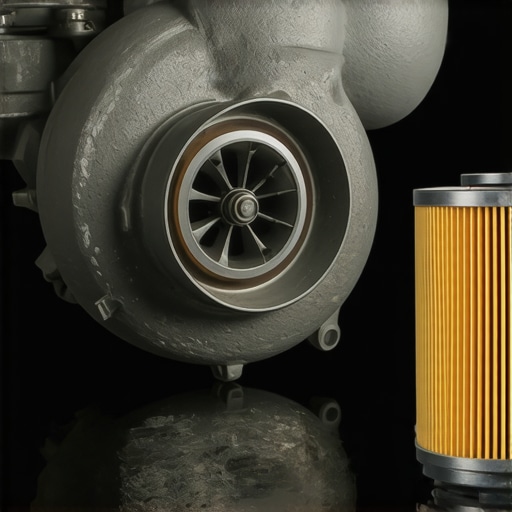
Turbochargers make that question more serious because the shaft can spin at extremely high speed and depends on a thin film of oil for support and cooling. If oil flow is delayed or reduced, the bearing area can overheat and wear. Turbo manufacturers commonly warn that oil starvation and contaminated oil are major causes of turbo failure. Precision Turbo, for example, tells installers to make sure the turbo receives oil from a filtered source and recommends a quality paper-element oil filter.
Source: Precision Turbo installation recommendations.
How a poor oil filter can starve a turbo
There are several ways a filter can create trouble. They do not all look the same, so guessing from symptoms alone is risky.
1. The filter media restricts flow too much
The filter media has to trap particles without choking the oil supply. If the media is poorly designed, too dense for the application, or begins collapsing internally, oil flow can drop. This is more noticeable during cold starts because thick oil already moves slowly.
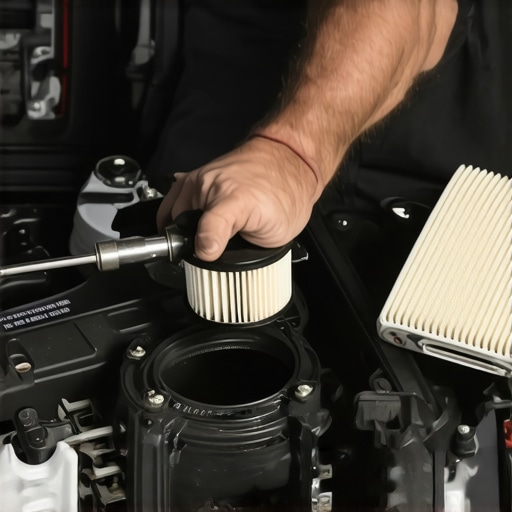
A practical check is to compare the replacement filter against the vehicle manufacturer’s specification, not just the parts-store screen. Look at the exact engine code, oil viscosity, filter part number, gasket size, thread size, and bypass valve specification where available. If the car has a turbocharged engine, do not assume the naturally aspirated version uses the same filter.
2. The bypass valve opens too early or too late
Most full-flow oil filters include a bypass valve. Its job is to keep oil moving if the filter becomes too restrictive, such as during a cold start or when the media is clogged. That sounds good, but the setting matters.
If the bypass opens too easily, unfiltered oil can circulate more often. If it opens too late, the engine may experience a larger pressure drop across the filter before oil bypasses the media. Neither condition is ideal for a turbocharger that needs clean and steady oil supply.
This is why “it fits” is not enough. A filter can screw onto the housing and still be wrong for the engine.
3. The anti-drainback valve does not hold oil
Many filters use an anti-drainback valve to help keep oil inside the filter after shutdown. If that valve is weak, hard, badly seated, or missing in an application that needs it, the filter may drain back while parked.
The driver may notice a longer rattle on start-up or a delay before oil pressure stabilizes. That short dry period is not good for bearings, timing components, or the turbo. One rough start will not always destroy a turbo, but repeated delayed lubrication is the kind of wear pattern that becomes expensive later.
4. The filter stays on past its useful life
A good filter can become a bad filter if it is left on too long. Short trips, dusty roads, fuel dilution, overheating, poor oil quality, and extended oil intervals can load the filter faster than expected.
This is where a lot of owners get caught. They follow a mileage number but ignore use pattern. A turbocharged engine used for short city trips, towing, spirited driving, or long idling may need shorter oil and filter intervals than the longest interval printed in a maintenance reminder.
What the warning signs usually look like
A restricted or unsuitable oil filter does not always trigger a clear fault code. Watch for patterns, especially after a recent oil change.
- Oil pressure light flickers at start-up: do not keep driving and hoping it clears. Check oil level first, then confirm the correct filter and oil viscosity were installed.
- Turbo noise changes: a new siren-like whine, scraping sound, or boost leak noise needs inspection. Do not blame the turbo before checking the oil supply and intake piping.
- Slower boost response: if the car feels lazy after service, verify the oil level, filter part number, air intake connections, and any disturbed hoses.
- Burning oil smell or smoke: this can come from turbo seal issues, crankcase pressure, drain restrictions, or oil overfill. The filter is only one possible cause.
- Metallic debris in drained oil or filter: stop treating this as a normal service item. Cut the filter open only if you know how to do it cleanly, or have a shop inspect it.
Oil that looks dark is not proof the filter failed. Oil darkens as it carries combustion byproducts. Grit, flakes, sludge, fuel smell, or repeated low-pressure symptoms matter more than color alone.
The right way to choose an oil filter for a turbo engine
Start with the owner’s manual or manufacturer service data. Then match the filter to the engine, not to the cheapest cross-reference on the shelf.
- Confirm the exact engine: model year is not enough. Use the engine code if possible.
- Match the oil viscosity and spec: the wrong oil can make a good filter behave badly, especially when cold.
- Use an OEM filter or a filter from a manufacturer that publishes specifications: look for bypass valve data, anti-drainback design, filtration rating, and application fitment.
- Inspect the old filter area before installation: make sure the old gasket did not stick to the housing. A double gasket can dump oil quickly.
- Prime where the design allows: on some vertical spin-on filters, pre-filling can reduce dry start time. Do not pre-fill a filter if the position will spill oil into places it does not belong.
- Check oil pressure behavior after start-up: listen for abnormal rattle and watch for warning lights before driving away.
Machinery Lubrication gives a useful technical overview of why micron rating, dirt-holding capacity, and flow characteristics all matter when choosing an oil filter. Those details are exactly why two filters that look similar on the outside can behave differently in service.
Source: Machinery Lubrication guide to choosing oil filters.
Do not diagnose a turbo failure from the filter alone
A failed turbo should make you inspect the whole oil path. Replacing the turbo without checking the cause can destroy the new unit quickly.
Use this order:
- Check the oil level and confirm the correct oil grade was used.
- Confirm the filter part number and installation date.
- Inspect for oil leaks at the filter, cooler housing, feed line, and drain line.
- Check the turbo oil feed line for restriction, kinks, sludge, or heat damage.
- Check the turbo oil drain. A restricted drain can push oil past seals and mimic turbo failure.
- Inspect the intake tract for oil pooling, loose clamps, or blocked air filter housing.
- Scan for related codes, but do not rely on codes alone. Oil supply problems may not set one.
This is also where broader maintenance habits matter. A car that has skipped other services may have the same pattern in its oil history. That is why we cover related maintenance costs in the hidden cost of skipping maintenance, and why older engines sometimes need a more careful oil choice, as explained in thicker oil advice.
When a cheaper filter may be acceptable
Price alone is not the test. A less expensive filter may be fine when it meets the vehicle specification, comes from a reputable supplier, has the correct bypass and anti-drainback design, and is changed on time.
Where I would not gamble is a turbocharged engine with unknown service history, sludge signs under the oil cap, repeated short-trip use, or a recent turbo replacement. In those cases, saving a few dollars on the filter is poor math. The filter is protecting a turbo that may cost many times more than the entire oil change.
Maintenance records protect you from guessing
Keep a simple record of oil changes: date, mileage, oil brand and viscosity, filter brand and part number, and any symptoms noticed before or after service. This takes one minute and can prevent a lot of guessing later.
If a turbo problem appears, that record helps answer useful questions. Did the noise start immediately after a filter change? Was a different filter brand used? Was the interval stretched? Was the oil changed after overheating, towing, or repeated short trips?
The same habit applies beyond engine oil. Fluid claims can be misunderstood, especially when “lifetime” wording gets treated as “never inspect.” We explain that issue in Studies show and our detailed analysis. Small leaks deserve the same attention, which is why An example here is my method for identifying rear main seal leaks.
What to do at your next oil change
Before the next service, write down your engine code, the oil specification, and the correct filter part number from the owner’s manual or trusted parts data. At the service counter or in your garage, verify the filter box before it goes on the engine. After the change, check for leaks, confirm the oil level, and listen to the first start.
If you already have turbo noise, smoke, low oil pressure warnings, or sluggish boost, do not just install a premium filter and call it fixed. Check the oil feed, oil drain, oil level, filter specification, and service history before the turbo becomes the most expensive guess on the car.