
The Hidden Drain on Your Battery During Overnight Parking
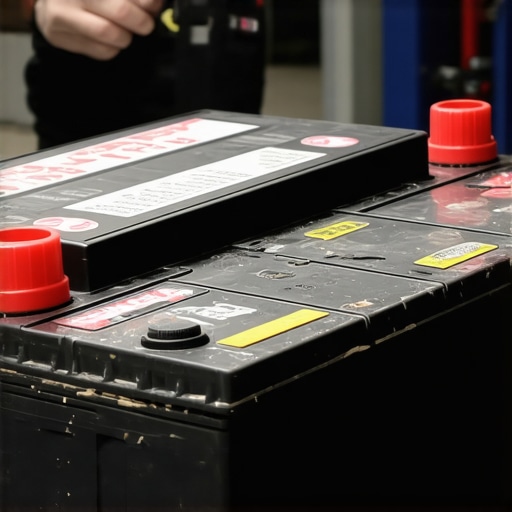
I remember the shock of discovering my car battery was dead after a cold night of parking—yet I hadn’t left any lights on or obvious accessories running. It felt like my vehicle had a secret, silently draining power, and I was just the unwitting victim. That moment was a lightbulb flickering on, revealing a sneaky little thief lurking in my car’s circuits. Since then, I’ve learned that there’s often more at play than meets the eye—specifically, a hidden drain that can sap your battery over time if you’re not careful.
Why Your Battery Drains Without Warning and How to Catch the Culprit
Many drivers face this frustration: a morning start that feels sluggish, or worse, a dead battery with no apparent reason. The truth is, your car’s electrical system can harbor a low-level constant draw, known as parasitic drain, which, if left unchecked, can deplete your battery even when the vehicle is off. This drain could stem from a variety of sources—faulty modules, aftermarket accessories, or even a slow, unnoticed leak in your wiring. The impact is not just inconvenient; it can lead to costly repairs or being stranded somewhere far from home. A startling fact from automotive experts reveals that up to 80% of battery failures are caused by electrical drains that are easy to overlook, especially if you haven’t taken the time to troubleshoot.
Early in my journey, I made the mistake of ignoring lingering electrical issues—assuming my battery was simply aging or the cold weather was to blame. That was a mistake that could have been costly. So, if you’ve ever faced a dead battery that recharges with a simple jump, or found your car refusing to start after a long period of parking, you’re not alone. The good news is, there are practical steps to identify and fix this covert drain before it drains your wallet.
If you’re battling a mysterious battery drain, know that you’re not helpless. Today, I’ll walk you through the signs to watch for, common causes, and a straightforward method to diagnose and eliminate this sneaky problem. And if you want to dig deeper into related issues—like water leaks in your cabin or faulty alternators—I’ve got links that will guide you through resolving those headaches, too. Ready to reclaim your car’s power and peace of mind? Let’s get started.
Prep Your Tools and Environment
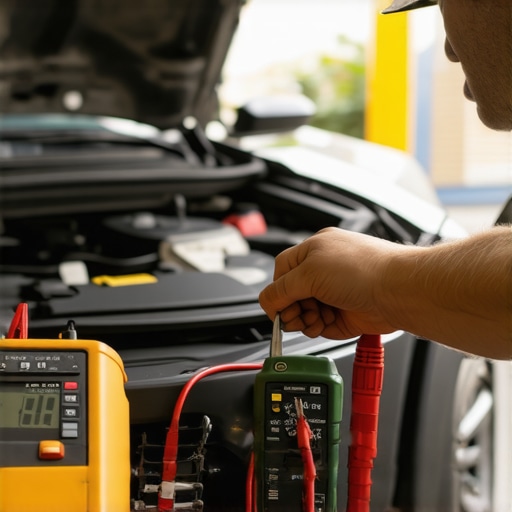
Before diving into troubleshooting, gather a digital multimeter, a set of screwdrivers, and your vehicle’s owner manual. Park your car in a dry, shaded spot to prevent false readings caused by extreme temperatures, and ensure all accessories like interior lights and aftermarket devices are turned off. This setup minimizes interference and protects your equipment.
Locate the Fuses and Disconnect the Battery
Consult your manual to identify the fuse box locations—usually under the dashboard or in the engine bay. Carefully remove the negative terminal clamp using a wrench, taking care not to touch metal tools to other terminals to avoid sparks. When disconnected, your vehicle is safer to work with and prevents accidental shorts.
Set Your Multimeter to Measure Current
Configure your multimeter to measure current (amperes). Connect the meter in series between the negative battery terminal and its cable—meaning your multimeter leads should bridge the gap, with one on the battery post and the other on the cable. This setup allows you to see how much current is flowing when the vehicle is off.
Identify the Normal Range and Look for Excessive Draw
Start the vehicle and then turn everything off; your multimeter should read less than 50 milliamps (0.05A). If it exceeds this—say, 100 milliamps or more—it indicates a parasitic drain. Remember, a significant drain can be as low as 50 milliamps; anything higher warrants further investigation.
Isolate the Power Consumer
Begin removing fuses one at a time, noting the multimeter reading after each removal. When the current drops significantly, the circuit associated with that fuse controls the drain. For instance, if pulling the interior light fuse drops the drain, the light or its switch may be faulty. Reinstall fuses after testing to prevent any unintended issues.
Keep a Record of Findings
Document which fuses affect the drain to narrow down potential culprits. For example, a malfunctioning relay might cause constant power drain to your audio system, providing a clear direction for repairs or component replacements. Remember, some fuses protect critical systems—be cautious with reassembly.
Inspect and Repair the Faulty Circuit
Trace the wiring and components linked to the problematic fuse using your owner’s manual. Check for corrosion, damaged wiring, or loose connections. If unsafe or uncertain repairs are needed, consult a professional. Sometimes, water leaks from worn seals, like those discussed in water leaks in the cabin, can cause electrical issues, so inspecting seals is also advisable.
Testing and Confirmation
After repairs, repeat the current measurement. The drain should now be within normal limits (<50 milliamps). If not, recheck your work, or consider other hidden circuits, such as outdated aftermarket alarms or malfunctioning modules. Remember, a consistent, low parasitic draw preserves your battery and keeps your car reliable.
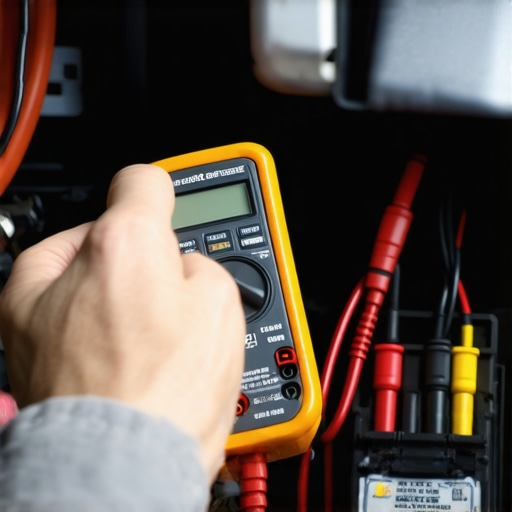
Use an image showing a person measuring current in a car’s fuse box for visual clarity.
When it comes to vehicle maintenance, many car owners rely heavily on common certifications and popular advice, assuming they cover every necessary aspect of vehicle care. However, even widely respected standards like ASE certification can sometimes give a false sense of security. The critical nuance often overlooked is that ASE certification primarily tests the theoretical knowledge and specific skill sets of technicians, not necessarily their ability to interpret evolving vehicle diagnostics or recognize subtle issues during routine service. For example, an ASE-certified mechanic might excel in diagnostics but still miss early signs of transmission slippage caused by emerging wear patterns that aren’t immediately apparent without in-depth analysis, leading to costly repairs down the line.
Are ASE Certifications Sufficient for Long-Term Reliability?
Many believe that hiring an ASE-certified technician guarantees comprehensive, long-lasting repairs, but that’s a misconception. The certification focuses on a standardized set of skills and knowledge at a specific point in time, which doesn’t always account for the rapid technological advancements seen in modern vehicles. For instance, with the increasing complexity of electronic control modules, some technicians might lack experience in digital diagnostics or neglect to detect hidden issues like minor leaks that can cascade into major failures, such as those related to water ingress causing electrical problems. Referencing the study by the Society of Automotive Engineers, continuous education is crucial because vehicle systems evolve faster than certification standards can keep pace with. Failing to recognize this leads to the trap of complacency—assuming all certified technicians are equally up-to-date, when in reality, ongoing training is vital for accurate diagnosis and superior service.
Beyond certification, understanding the nuances of transmission care is essential. Many car owners scoff at the idea of regular fluid changes, believing that claims of “lifetime fluids” are all myths. But that’s a myth in itself. Manufacturers’ claims of lifetime transmission fluid often ignore the fact that operational conditions—harsh driving, frequent stop-and-go traffic, or extreme weather—accelerate fluid degradation. Experts highlight that, in these scenarios, transmission fluid can become contaminated or lose lubricity, leading to early wear or damage. Relying on anecdotal evidence or ignoring manufacturer recommendations could result in costly repairs or premature transmission failure. Explore this further in our piece about the **truth about lifetime transmission fluid claims** to avoid your vehicle becoming a statistic.
When it comes to oil changes, many believe that synthetic oils last indefinitely or that more expensive oil guarantees longer intervals. But the real nuance lies in the quality and compatibility with your engine’s specific needs. Cheap synthetic oils might seem like a bargain but can cause turbocharger wear or sludge build-up if they don’t meet the required specifications. Similarly, sticking rigidly to a fixed mileage interval without considering driving conditions or oil condition can lead to neglecting early signs of engine stress. Regular oil analysis and understanding your vehicle’s unique demands help optimize performance and longevity, preventing issues like _oil sludge_ or _engine varnish_. For insights on this, see our detailed guide on **the sludge risk of following dashboards 10,000-mile interval**.
So, what’s the hidden trap beneath these common assumptions? It’s the oversight of technical nuances that can make or break your vehicle’s health. Relying solely on certifications, manufacturer claims, or generic advice often leads to preventable failures. The key is continuous education, understanding advanced diagnostic processes, and recognizing that every vehicle has its unique maintenance fingerprint. This deeper knowledge empowers you to ask better questions, demand higher standards, and ultimately preserve your investment.
Are you making these common mistakes without realizing it? Share your experiences or doubts in the comments, and let’s dig deeper together into the hidden aspects of car care. Remember: In automotive maintenance, a little extra insight can save you thousands.Maintaining your vehicle’s reliability and performance over time requires more than basic knowledge; it demands the right tools and techniques. One indispensable instrument I personally rely on is a high-quality digital multimeter. I prefer models with a auto-ranging function and a minimum of 10A capacity, like the Fluke 115, because they provide accurate readings quickly and help identify parasitic drains—crucial when troubleshooting complex electrical issues. I routinely use this to measure current draw from the battery, ensuring it stays within the safe range described in our detailed troubleshooting guides. For example, measuring less than 50 milliamps confirms there’s no excessive drain, saving me hundreds on unnecessary repairs.
Why I Swear by a Precision Brake Bleeder Kit
When it comes to brake maintenance, I don’t settle for generic pumps. Instead, I use a professional-grade brake bleeder kit, such as the ATE Power Professional, because it allows precise, mess-free bleeding of hydraulic systems. This ensures your brake fluid remains uncontaminated; as highlighted in our article about brake fluid quality, degraded fluid can lead to spongy pedals or even brake failure. Investing in proper tools like this prevents long-term damage and keeps safety at the forefront.
Leveraging Diagnostic Software for Transmission Checks
Modern cars rely heavily on their electronic control modules (ECMs). I recommend using manufacturer-specific OBD-II scan tools like Autel MaxiCOM or BlueDriver. These enable real-time data acquisition, revealing issues with transmission sensors or solenoids before they escalate. Regularly running diagnostic scans helps catch problems early, reducing the risk of costly repairs or replacing entire units. Given that many transmission failures stem from minor sensor malfunctions, software diagnostics are an invaluable investment—especially since, as per experts, early detection can extend transmission life significantly.
Protect Your Engine: Oil Analysis Kits
Monitoring your engine’s health is vital, and I use oil analysis kits like Oil Wise to assess wear metals and additive levels over time. By sending in samples periodically, I can determine if my synthetic oil is degrading faster than expected or if contaminants are present—potential signs that a water leak, discussed here, might be affecting your engine. This proactive approach allows me to schedule interventions before minor issues become major failures, such as sludge buildup or seal damage. In the future, I predict that in-car sensor technology will integrate these analyses, providing instant diagnostics at your fingertips, much like how telematics are transforming vehicle maintenance.
For anyone serious about extending their car’s lifespan and avoiding surprises, I highly recommend trying the multimeter method for electrical checks and investing in a quality diagnostic scanner. These tools have saved me multiple headaches and will do the same for you, offering peace of mind and a smoother driving experience. Remember, staying ahead with proper tools and techniques is key—don’t wait for a breakdown to start making an impact.As I reflect on my journey through automotive care, one enlightening lesson stands out: certifications, no matter how prestigious, are just the starting point. The real wisdom lies in continuous learning and questioning old assumptions. For example, I used to believe that an ASE certification guaranteed a mechanic’s expertise across all evolving vehicle technologies. But over time, I realized that practical experience and ongoing training are what truly separate good technicians from great ones. This epiphany pushed me to seek out specialized resources and stay updated with industry advancements, like the latest diagnostic tools or water leak detection methods, which you can explore at this resource. The key is understanding that certifications are milestones, not final destinations. Keep pushing, keep learning—your vehicle’s health depends on it.