Why Your Transmission Temperature is Climbing on the Highway
It was a scorching summer afternoon when I first noticed my dashboard warning light flickering erratically. I was cruising down the highway, feeling confident at 70 mph, when suddenly the transmission temperature gauge started climbing rapidly. Panic hit me—could I be headed for a breakdown miles from any decent repair shop? That moment was a lightbulb for me, realizing just how little I understood about my vehicle’s cooling systems and the importance of keeping transmission temperatures in check.
Keep Your Cool: Why High Transmission Temperatures Matter More Than You Think
When your transmission starts to overheat on the highway, it’s more than just a warning sign—it’s an urgent call for attention. Transmissions are complex components that operate under intense pressure and heat. The lubricants inside them are designed to keep parts moving smoothly, but when temperatures soar, those lubricants break down, leading to faster wear, slipping gears, and, in severe cases, total transmission failure. Regularly driving with elevated transmission temps can also cause what’s called *thermal breakdown* of the transmission fluid, which worsens as the heat increases.
From personal experience, I learned that ignoring this issue is a gamble I couldn’t afford to take. Imagine your car suddenly refusing to shift or, worse, seizing altogether—that’s a scenario no driver wants. Thankfully, early detection and maintenance can prevent most of these problems. Today, I’ll walk you through how to identify the signs early and what simple steps to take—so you don’t end up stranded like I nearly did.
And here’s a surprising fact to keep in mind: according to automotive experts, ignoring a small transmission leak—often the initial culprit—can lead to significant overheating and costly repairs later [source](https://autofixclinic.com/the-danger-of-leaving-a-small-transmission-leak-untreated). Understanding the root causes can save your wallet and your peace of mind.
Are you one of those drivers who’s felt that sudden surge in engine heat or noticed your transmission temperature climbing on a long drive? If so, stay tuned. We’re about to uncover the main reasons behind this phenomenon and how to keep your transmission cool—and reliable—no matter how hot the road gets.
Inspect Your Transmission Fluid Regularly
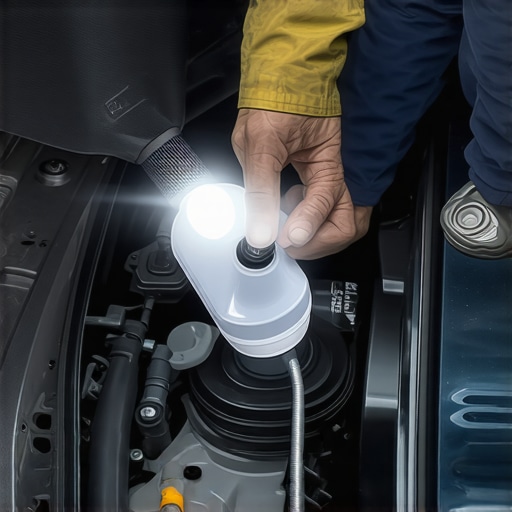
Start by checking your transmission fluid level and condition. Park your vehicle on a level surface, start the engine, and let it warm up. With the engine off, locate the transmission dipstick (consult your owner’s manual if unsure). Remove it, wipe it clean, reinsert, and then pull it out again to assess the fluid level and color. If the fluid appears dark or smells burnt, it’s time for a change. Instead of waiting for a scheduled service, consider performing a DIY fluid check to catch early signs of wear and prevent overheating.
Change Transmission Fluid on Time
Adhering to your vehicle manufacturer’s recommended maintenance intervals is crucial. Modern transmissions, especially CVTs, require specialized fluids that degrade faster if not replaced timely. I once missed my 30,000-mile mark and noticed shuddering during acceleration. After a quick drain-and-fill using manufacturer-approved fluid, the transmission operated smoothly again. Regular fluid changes help keep temperatures down, reduce wear, and extend the life of your transmission.
Address Leaks Immediately
Even a small transmission leak can lead to low fluid levels, causing overheating. If you notice puddles beneath your vehicle or a drop in fluid level during checks, do not delay repairs. For example, I found a minor leak near the rear main seal after noticing a faint puddle in my driveway. Using this guide, I identified the issue early and avoided costly repairs.
Identify and Fix Leaks Promptly
Leaking fluid not only lowers the transmission’s hydraulic pressure but also introduces contaminants that can accelerate overheating. A certified ASE technician can perform a pressure test to pinpoint leaks, but visual inspection for wetness or grime buildup around seals and hoses can give clues. Remember, ignoring a leak might lead to a complete transmission failure, which is far costlier than a simple seal replacement.
Monitor Transmission Temperature
Installing an aftermarket transmission temperature gauge provides real-time data. When I installed one after experiencing overheating on hot days, I could easily see when temps crossed safe thresholds. This real-time insight allows immediate action—like pulling over or turning on an external cooler—preventing damage. For newer models, integrated diagnostic systems may provide alerts; otherwise, an aftermarket gauge is a cost-effective investment.
Improve Cooling Capacity
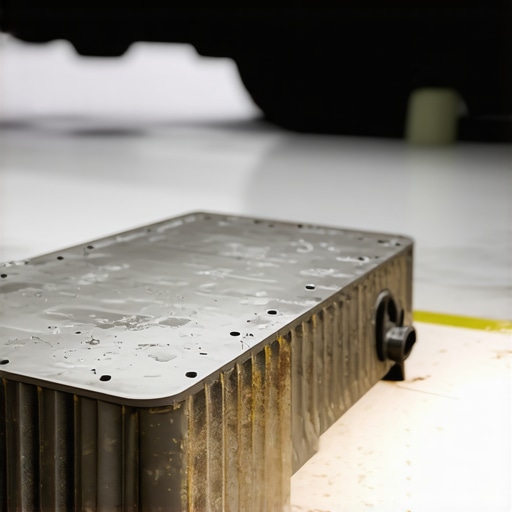
If your transmission consistently runs hot, consider upgrading the cooling system. Installing an auxiliary transmission cooler, similar to how radiators help regulate engine temps, can reduce stress during heavy loads or long drives. I added a heavy-duty cooler during a cross-country trip, which kept my transmission within optimal temperature range despite towing.
Maintain Your Cooling System
Regularly check your radiator and coolant levels, as overheating engine coolant can affect transmission temperatures indirectly. In some cases, a clogged radiator fan or debris blocking airflow causes higher engine and transmission temps. Cleaning cooling fans and replacing coolant as per schedule maintains optimal operation. Pay attention to fan operation—if you notice it runs constantly or runs for longer than usual, it indicates a cooling issue that needs addressing.
Stay Alert to Warning Signs
Pay attention to subtle signals like delayed shifting, slipping gears, or burning smell. Early detection prevents escalation. During a road trip, I noticed my transmission hesitating before engagement. Quick inspection revealed low fluid levels due to a small leak. Addressing this immediately prevented further damage. Using this resource helps you identify specific warning signs that need prompt action, safeguarding your transmission against overheating and failure.Many drivers assume that basic maintenance like oil changes suffices to keep a vehicle running smoothly, but there’s more to the story. A common misconception is that all oil changes are created equal; in reality, choosing the wrong type or neglecting the service interval can accelerate wear and costly repairs. For example, high-mileage or synthetic oils require specific considerations that many overlook. Moreover, the belief that more frequent oil changes always mean better protection isn’t necessarily true—overdoing it can lead to unnecessary expenses and environmental waste.
Is ASE Certification a Guarantee of Quality Maintenance?
While ASE certification indicates a technician’s proficiency, it doesn’t automatically translate to superior service. The certification verifies knowledge, but practical experience and ongoing training in specific vehicle systems are key to accurate diagnostics and effective repairs. Some shop owners focus on superficial certifications to attract customers, which can be misleading. According to a study by the Automotive Management Network, over 60% of consumers trust ASE certification as an indicator of quality, but real-world performance often depends on individual technician expertise.
Another hidden nuance is the assumption that all car service shops follow manufacturer guidelines closely. Skimping on certain procedures, like proper transmission fluid replacements or neglecting to address minor leaks early, can lead to thermal breakdown and expensive failures. For instance, many don’t realize that ignoring small transmission leaks—despite their seemingly minor appearance—can cause significant overheating issues over time, as discussed in this article.
Keep in mind that not all mechanics understand the complexities of modern transmissions, especially CVTs and dual-clutch systems, which require specialized fluids and diagnostics. Relying solely on a generic service schedule might overlook these nuances, increasing the risk of early component failure. This is why trusting certified technicians with ongoing training or those who specialize in specific vehicle types is crucial.
What about the use of aftermarket parts during repairs? Many think they save money, but substandard parts can jeopardize the vehicle’s longevity and safety. For critical components like transmission valves or filters, investing in OEM or high-quality aftermarket parts ensures optimal performance. In fact, installing a cheap oil filter or improper fluid can trap debris or cause pressure issues, leading to accelerated wear or damage. Learn how to identify when your vehicle’s maintenance is slipping into shortcuts with this guide.
Finally, a crucial mistake many make is neglecting the importance of close monitoring and proactive maintenance. Relying solely on the dashboard warning lights without regular inspections can be dangerous. Investing in a quality transmission temperature gauge or opting for early diagnostics can prevent catastrophic failures. As I’ve experienced firsthand, catching subtle signs early—like delayed shifts or odd smells—saves money and keeps your car dependable.
Remember, understanding these hidden nuances positions you as a more informed car owner. Have you ever fallen into this trap? Let me know in the comments.
Keep Your Car in Peak Condition with the Right Tools
Maintaining your vehicle over the years requires more than just good driving habits; it demands specialized tools and consistent techniques to ensure longevity and reliability. Personally, I rely on a high-quality OBD-II scanner like the Autel MaxiScan MS300 because it provides comprehensive diagnostics without breaking the bank. This device helps me quickly identify engine misfires, transmission issues, or sensor malfunctions, saving time and expensive repairs down the line.
For routine inspections, I swear by a good set of mechanic’s gloves and a LED flashlight like the Maglite LED 3D, which illuminates even hard-to-see engine compartments. These simple tools enable me to perform visual checks on hoses, belts, and fluid reservoirs with precision. Regularly inspecting transmission fluid for quality and leaks, as outlined in our guide, is crucial for keeping the transmission cool and avoiding thermal breakdown.
Why investing in specialized diagnostic software makes sense
While basic OBD readers are helpful, professional-grade diagnostic software like Fixed Ops Digital or manufacturer-specific tools give a deeper understanding of complex systems. These tools can perform active tests on components like the transmission control module or ABS system, ensuring everything functions harmoniously. As technology advances, cars are becoming smarter, and so should your maintenance approach. The trend points toward even more integrated diagnostics, making it essential to stay updated with the latest software versions and hardware interfaces.
Predicting the Future: Smarter Maintenance with AI and IoT
Looking ahead, vehicle diagnostics are increasingly leveraging artificial intelligence and the Internet of Things. Imagine a future where your vehicle proactively alerts you to impending issues—like a dying transmission cooler pump—before symptoms even appear. The integration of remote monitoring tools will enable both DIY enthusiasts and professionals to optimize maintenance schedules efficiently. Already, companies like Tesla are integrating over-the-air updates that improve system performance and fix bugs remotely, hinting at a future where proactive maintenance becomes the norm.
How do I maintain my transmission over time?
Implementing a combination of regular fluid checks, timely fluid replacements with manufacturer-approved oils, and installing aftermarket temperature gauges can greatly extend transmission life. Additionally, scheduling periodic professional inspections, especially if you tow or drive in harsh conditions, mitigates risks of overheating and thermal breakdown. Consider upgrading your cooling system with an auxiliary cooler, especially for heavy-duty use—it’s an investment that pays dividends by keeping temperatures stable and components healthy.
For example, maintaining a vigilant eye on leaks and temperature readings reduces the chances of costly failures. Remember that consistent maintenance begins with understanding your vehicle’s specific needs, which you can learn by consulting specialized guides and certified technicians. If you haven’t already, try installing a transmission temperature gauge—it’s a game-changer that offers real-time insights into your vehicle’s health, empowering you to take proactive steps before issues escalate.
Three Surprising Lessons That Changed My Approach to Car Maintenance
First, I realized that even small leaks, if ignored, can escalate quickly. Addressing leaks promptly, especially transmission leaks, can save you from major overhauls later (learn more here). Second, I learned that relying solely on generic service schedules isn’t enough; understanding your vehicle’s specific needs, especially with modern transmissions like CVTs, is crucial. Lastly, I discovered that investing in a quality transmission temperature gauge wasn’t just helpful—it was a game-changer for proactively preventing overheating and damage.
Tools and Resources That Truly Make a Difference
In my journey, I’ve come to trust certain tools for maintaining vehicle health. A reliable OBD-II scanner such as the Autel MaxiScan MS300 helps me catch engine and transmission issues early. For visual inspections, a good LED flashlight and mechanic’s gloves make routine checks more effective. I also recommend layered diagnostic software like Fixed Ops Digital, which provides deeper insights—especially beneficial if you’re dealing with complex systems or planning to upgrade to newer vehicle tech. These tools equip you to stay ahead of potential problems and maintain your vehicle’s longevity.
Your Next Step Toward Confident Driving
Stay proactive with your vehicle maintenance by incorporating these insights and tools into your routine. Remember, the key to a long-lasting transmission lies in early detection, regular service, and using the right resources. If you haven’t yet, installing a transmission temperature gauge can empower you to prevent costly damage before it occurs. Your vehicle is a valuable partner—treat it with knowledge and care, and it will reward you with dependability on every road. Are there specific transmission issues you’ve struggled with or solutions that worked wonders for you? Share below, and let’s learn together!
,