The Real Reason Your New Tires Are Wearing Out in the Middle
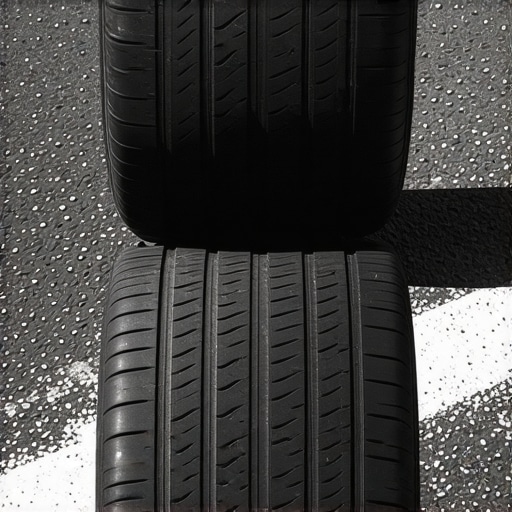
It was the last time I took my car for a tire rotation—standing there in the driveway, watching the technician tug at my brand-new tires—and suddenly I noticed something odd. The middle tread looked almost worn out, but the edges still had plenty of depth. How could this be? After all, I’d just replaced these tires a few months ago, expecting them to last a good 40,000 miles. That moment was my lightbulb moment, realizing that tire wear patterns aren’t always as straightforward as they seem.
Understanding the Real Reason Your Tires Wear Out in the Middle
Many drivers assume that uneven tire wear hints at misalignment or poor suspension, but when it’s the middle that wears more than the edges, it often points to a different culprit: over-inflation. When tires are inflated beyond the recommended pressure, the contact patch—the part of the tire touching the road—becomes smaller and stiffer in the middle. This causes more stress and friction there, accelerating wear.
I made the costly mistake early on of ignoring my tire pressure gauge and relying solely on visual checks or the automatic pump at the gas station. That’s a mistake I want you to avoid. Properly inflated tires, according to the [Tire Industry Association](https://autofixclinic.com/the-real-reason-your-car-smells-like-rotten-eggs-during-hard-acceleration), are pivotal not just for longevity but also for safety. Over-inflation can lead to a rougher ride, less traction, and worse, premature tire failure.
Are you constantly battling uneven tire wear or feeling perplexed when your new tires seem to lose tread faster than expected? If so, you’re not alone. Many drivers don’t realize that simple pressure checks can make a world of difference. In the next sections, I’ll walk you through exactly how to diagnose if over-inflation is to blame, how to set your tires up for longer life, and common pitfalls to avoid — no more guesswork, just straightforward tips from my personal experience. Stay tuned, because once you understand the real cause, you’ll save money and stay safer on the road.
Pick the Right Tools and Know Your Recommended Pressure
Start by grabbing a high-quality tire pressure gauge—digital or analog—and locate your vehicle’s recommended PSI (pounds per square inch), usually found on a sticker inside the driver’s door frame or in the owner’s manual. I remember the first time I checked my tires; I assumed the gas station pump’s pressure was accurate. It wasn’t. Using a reliable gauge saved me from premature tire wear.
Remove Valve Caps and Check Cold Tires
Unscrew the valve caps from each tire and gently press your pressure gauge onto the valve stem. Make sure the gauge is seated properly to get an accurate reading. For best results, measure when the tires are cold—ideally before driving or after they’ve been parked for at least three hours—because heat from driving can increase pressure readings temporarily.
Compare Readings to Manufacturer Recommendations
Read the pressure on your gauge and compare it to your car’s recommended PSI. If the pressure is too high, let some air out; if too low, add air. Don’t guess—use a reliable pump with an integrated pressure regulator or a separate air compressor with a gauge. I once overfilled my tires by just 2 PSI, which caused a rougher ride and uneven wear—a costly mistake I quickly corrected after doing proper pressure checks.
Adjust Tire Pressure Carefully
When letting air out, press the pin inside the valve stem or use the built-in release button on your pressure gauge. For adding air, attach the pump and fill slowly, checking the pressure frequently. Repeat this process for all tires, including the spare if it’s a full-size one. Remember, over-inflation is just as harmful as under-inflation and can lead to uneven wear similar to what can happen when your transmission hesitates during cold mornings—another common car issue I’ve experienced firsthand.
Recheck and Seal Valve Stems
After adjusting, press the gauge onto each valve stem again to ensure the pressure remains correct. Replace the valve caps tightly to prevent dirt and moisture from entering, which can cause leaks or slow deflation over time. Regularly doing this maintenance can extend your tire life significantly, saving you money and reducing the risk of blowouts on the highway.
Maintain Your Routine and Keep Records
Make checking tire pressure a monthly habit, especially before long trips or during seasonal changes. Keep a log of when you last checked and inflated your tires to track wear patterns or identify slow leaks early. Proper tire pressure not only improves safety but also optimizes fuel efficiency—a topic covered in depth [here](https://autofixclinic.com/the-hidden-reason-your-gas-mileage-dropped-suddenly). By following these straightforward steps, you transform tire maintenance from guesswork into a routine that works for your vehicle’s health, much like regular oil changes or transmission checkups.When it comes to vehicle maintenance, many car owners believe that sticking to the basic schedule and choosing the cheapest service will keep their engines running smoothly. However, even seasoned drivers often overlook the nuanced details that determine the true health of their vehicles. Let’s dig deeper into some common myths, advanced mistakes, and hidden pitfalls that can undermine your car’s longevity, especially concerning oil changes, transmission care, and professional servicing.
Why Relying Solely on Mileage Reminders Can Be a Trap
Many drivers follow the conventional wisdom of changing oil every 3,000 to 5,000 miles. But this approach neglects critical factors like driving conditions, climate, and engine type. Modern synthetic oils can last up to 7,500 or even 10,000 miles if used correctly. Relying strictly on odometer readings without considering real-world variables can lead to engine damage or premature wear—yet many skip the oil change altogether when the miles haven’t accumulated yet.
The Myth of Certified Mechanics Guaranteeing Perfect Repairs
Everyone assumes that ASE certification is a foolproof indicator of a mechanic’s expertise. While it signifies a certain level of knowledge, it doesn’t automatically translate to quality service. Some so-called ‘certified’ technicians may still follow generic procedures that overlook vehicle-specific nuances. For example, a common mistake is replacing transmission fluid without verifying the correct type or the vehicle’s unique needs—leading to issues like inappropriate fluid causing early failure. Check out [how to spot an ASE tech who genuinely understands your car](https://autofixclinic.com/how-to-spot-an-ase-tech-who-actually-understands-your-car) for tips.
Advanced Mistake: Ignoring Transmission Maintenance Nuances
Many car owners think that transmission care is just about fluid exchanges. But as vehicles age, the internal conditions and component wear demand a more sophisticated approach. For example, some assume that quick flushes will always extend transmission life, but aggressive flushing can sometimes dislodge debris and cause more harm than good, especially in high-mileage gearboxes. A better strategy involves inspecting for signs like slipping or hesitation and using diagnostic tools to assess internal fluid quality—something an experienced technician can evaluate with a [specialized diagnostic procedure](https://autofixclinic.com/how-to-know-if-your-transmission-needs-a-simple-fluid-top-off-or-a-full-rebuild).
Are Oil Changes Truly All About the Oil?
Think that topping up with the same oil every time suffices? Not quite. Recent studies highlight the importance of replacing filters regularly, inspecting valve seals, and considering engine design differences. Using the wrong oil viscosity or neglecting to replace the oil filter can lead to increased engine wear, sludge formation, and elevated oil pressure issues. Regular, thorough inspections—beyond just changing the oil—are vital for sustained engine health. To gauge whether your service is comprehensive, see how well your mechanic understands system-specific requirements, such as with [how to verify your ASE tech performed the proper diagnostic](https://autofixclinic.com/how-to-verify-your-ase-tech-actually-performed-the-diagnostic-test).
Have you ever fallen into this trap? Let me know in the comments. Remember, understanding these nuances empowers you to make smarter maintenance choices—saving money and extending your vehicle’s lifespan. Don’t settle for surface-level fixes; dig deeper and ensure your car gets the expert care it deserves.Maintaining your vehicle for the long haul requires more than just basic knowledge; it calls for the right tools, reliable methods, and a proactive approach. One of the most valuable investments I made was in a high-quality automotive scan tool, such as the BlueDriver Bluetooth OBD2 Scanner. This device allows me to diagnose engine codes, monitor real-time data, and check transmission parameters directly from my smartphone. Having this level of insight helps me catch potential issues early, saving costly repairs and preventing breakdowns. Additionally, I rely on a digital tire pressure gauge with a built-in backlight and hold function—precision matters when maintaining optimal pressure, especially for vehicles with complex TPMS systems. Consistent pressure checks, incorporated into my monthly routine, ensure even tire wear and better fuel efficiency. For fluid analysis, I use a transparency tester to evaluate oil color and clarity without needing to remove the oil cap—a quick step that can reveal engine health status. Looking ahead, the trend toward wireless diagnostic tools integrated with cloud software suggests that vehicle maintenance will become more accessible and comprehensive, empowering owners to monitor their vehicles remotely.
How do I maintain transmission health over time? One effective method is regular fluid testing, combined with proactive transmission flushes performed by certified ASE technicians. These professionals utilize diagnostic scanners to assess internal component function, which can prevent expensive repairs down the line. I particularly recommend checking out the detailed procedures outlined in [this guide](https://autofixclinic.com/the-secret-to-making-your-transmission-last-over-300000-miles), which emphasizes the importance of using manufacturer-approved fluids and diagnostic-driven maintenance schedules.
When selecting tools, opt for devices with strong reviews and compatibility with your vehicle’s make and model. For example, my OBD2 scanner supports CAN protocol decoding, ensuring accurate readings across different systems. Remember, investing in quality tools not only enhances diagnostic accuracy but also extends your vehicle’s lifespan. As the automotive technology landscape evolves—especially with the advent of sophisticated hybrid and electric systems—staying equipped with the latest gadgets becomes even more critical.
Consistently applying these tools and methods transforms maintenance from reactive fixing into a proactive strategy. I challenge you to try out a professional-grade diagnostic scanner on your next service. You’ll be surprised how much more you can understand about your car’s condition before a problem becomes costly. Proper maintenance isn’t just about fixing things when they break; it’s about knowing where potential issues lurk, so you can address them early and keep your vehicle running smoothly for hundreds of thousands of miles.
What The Pitfalls of Basic Maintenance Taught Me About Longevity
Early on, I believed that sticking to a simplistic maintenance routine—changing oils on schedule and trusting certified mechanics—was enough. But I soon realized that without understanding the specific needs of my vehicle, I was silently shortening its lifespan. The lightbulb moment was learning that each car has unique quirks, and tailored care can prevent costly breakdowns, especially with complex systems like transmissions.
Tools and Knowledge That Seriously Changed my Approach
Investing in a quality diagnostic scanner and understanding what particular signals mean helped me catch issues early. For example, knowing how to verify if my ASE-certified mechanic performed the proper diagnostic or if the transmission fluid needs a simple top-off can save hundreds. Trusted resources like [the secret to making your transmission last](https://autofixclinic.com/the-secret-to-making-your-transmission-last-over-300000-miles) became my go-to references when I wanted to go beyond generic advice.
Now, I Know The Real Power of Proactive Care
Taking control of my vehicle’s health through knowledgeable tool use and a deeper understanding of its unique systems has been empowering. Regular, specialized maintenance aligned with what my car specifically needs—not just what the dashboard suggests—has transformed my driving experience. This approach is a game-changer for anyone committed to maximizing their vehicle’s lifespan and performance.
What Unexpected Lesson Changed My Car Care Philosophy
The most surprising insight was that over-inflation and neglecting detailed diagnostic checks can accelerate wear faster than neglecting scheduled oil changes. As I delved deeper into my vehicle’s maintenance, I realized that being truly informed about what’s happening under the hood is the best investment I could make — and it’s accessible to everyone eager to learn.
Here’s My Practical Tip for You
Prioritize learning how to properly use trusted diagnostic tools and evaluate your vehicle’s signals. Regularly check not just the obvious, but also the hidden indicators of wear—like subtle noises, fluid color changes, or shifts in performance. The more you understand your car’s language, the better you can prevent issues before they escalate. For more specific guidance, explore [how to verify if an ASE tech performed the diagnostic test](https://autofixclinic.com/how-to-verify-your-ase-tech-actually-performed-the-diagnostic-test). Your future self will thank you for the extra effort.