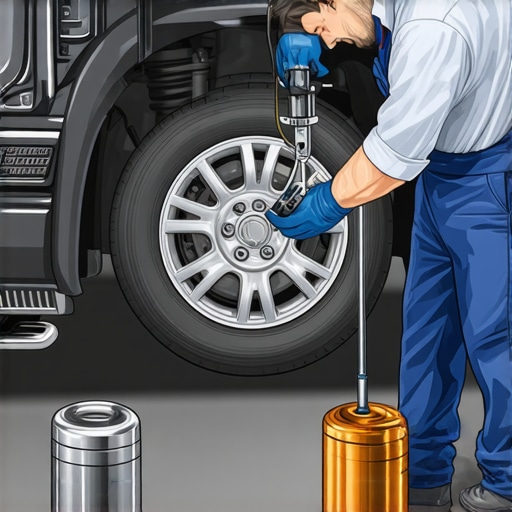
How to Check Your Transmission Fluid When Your Car Has No Dipstick
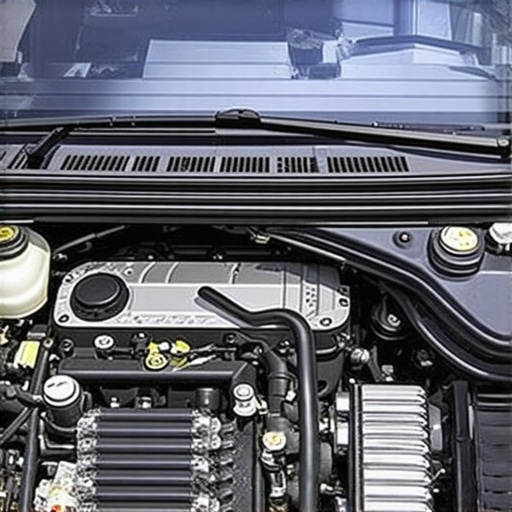
I remember the first time I looked under the hood of a modern car and realized there was no traditional dipstick to check the transmission fluid. It felt like stepping into the future, but honestly, it also felt like a puzzle I didn’t sign up for. I was midway through an oil change, eyes hunting for that little handle, when I saw—nothing. Just a sealed system. Frustrating, to say the least.
That moment was a lightbulb for me. I realized many drivers, just like you and I, are left scratching their heads over how to keep an eye on their transmission health, especially without that familiar dipstick. The good news? It’s entirely possible to check your transmission fluid—without crawling underneath with a wrench in hand—if you know the right steps.
Today, I promise to guide you through a straightforward, friendly process that will help you verify your transmission fluid level confidently. No need to guess or hope for the best. Whether you’re a seasoned DIYer or just trying to avoid a costly trip to the mechanic, I’ve got your back.
Why Modern Cars Make Checking Transmission Fluid a Little Tricky
In the past, cars came equipped with a visibly accessible dipstick, making routine checks and top-offs simple. But to improve aerodynamics, reduce engine noise, and prevent accidental contamination, most automakers now seal the transmission system tightly, eliminating that handy handle. This design shift keeps the fluid sealed and cleaner, but it does pose a challenge for owners wanting to keep tabs on their transmission health.
A key reason this matters? Transmission failures account for roughly 22% of vehicle breakdowns, and early detection of fluid issues can save you significant money and stress. If the fluid is low, dirty, or degraded, it can lead to slipping gears, shuddering, or even complete transmission failure. Knowing how to check it correctly is a critical step in maintaining your car’s longevity.
I’ll admit, I made a mistake early on—I tried to check the fluid from the outside without understanding how the sealed system works. That’s like trying to read a book through a locked door. Trust me, understanding the designed testing points is essential, and that’s what I want to share with you.
Curious if the task is worth the effort? Well, I can tell you that owning the knowledge to keep an eye on your transmission can prevent costly repairs down the line. Plus, it gives you peace of mind, knowing you’re actively caring for your vehicle rather than leaving it to chance.
Let’s dive into the practical steps to check your transmission fluid in a modern car, so you can keep things running smoothly without any guesswork or fear. Ready?
Locate the Transmission Fluid Dipstick or Inspection Port
In many newer vehicles, the traditional dipstick is absent. Instead, you might find an inspection port or fill plug on the transmission itself, often near the transmission pan or engine bay. My first attempt was under the hood, looking for the familiar handle, but after consulting my vehicle’s manual, I discovered the access point behind a plastic cover. Remember, confirm your access points before proceeding.
Prepare Your Vehicle for Checking
Warm Up the Engine and Transmission
Start your engine and let it run in park for a few minutes until the transmission reaches normal operating temperature. This ensures the fluid level reading is accurate, as cold or hot fluids expand or contract. I once checked my fluid when cold, only to find it dangerously low once warmed up—lesson learned. For precise guidance, consult your vehicle’s manual, since some models specify a particular temperature range.
Check the Fluid Level
Using the Inspection Port or Dipstick
If your car has a dipstick, pull it out, wipe it clean with a rag, then reinsert and remove it again to check the level. The markings indicate the proper range. For vehicles without a dipstick, carefully remove the inspection plug with a correctly sized tool, then observe the fluid level on the inside of the opening. When I first did this, I used a flashlight to see the fluid level clearly—trust me, good lighting makes a difference. Ensure the car is on level ground to get an accurate reading.
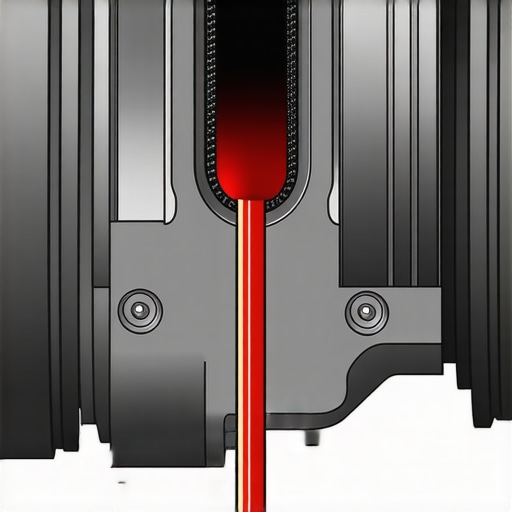
Image prompt: Diagram showing transmission inspection port and proper fluid level indication on a modern car transmission.
Evaluate the Condition of the Fluid
Beyond level, assess the fluid’s color and smell. Fresh transmission fluid is typically bright red and has a slightly sweet smell. If it looks dark, brownish, or has a burnt odor, it’s time for a exchange. Checking your fluid’s condition periodically can prevent issues like slipping or rough shifting, which are common signs that your transmission is struggling. For deeper insights, see how ASE-certified techs verify diagnostic tests.
Total Time and Frequency for Checks
The optimal frequency depends on your vehicle and driving habits, but generally, check at least every 30,000 miles or once a year. High-mileage vehicles or heavy-duty use may require more frequent attention. During my last oil change, I knocked out this check, which gave me peace of mind and avoided potential emergencies. Remember, regular inspection is an essential part of fleet maintenance scheduling.
Many vehicle owners operate under assumptions about car maintenance that can lead to costly mistakes. One prevalent myth is that all oil changes are interchangeable regardless of vehicle type or driving habits. In reality, fleet managers often advocate for shorter oil change intervals, especially with synthetic oils, to prevent engine sludge buildup, contrary to the outdated 3,000-mile rule. This nuance underscores the importance of understanding manufacturer recommendations and your driving conditions.
A common misconception about ASE (Automotive Service Excellence) certification is that it guarantees a mechanic’s perfection. While certification demonstrates a technician’s proven knowledge, it does not necessarily reflect their experience with specific vehicle models or the latest diagnostic tools. As discussed in expert verification methods, always ask for a technician’s specialties and experience levels, especially for complex tasks like transmission repairs.
When it comes to transmissions, many believe that it’s just about fluid levels. However, a critical hidden nuance is the type of transmission fluid used. Using the incorrect fluid, especially in European or advanced transmissions, can lead to immediate damage or long-term performance issues. Refer to proper fluid specifications to avoid this costly mistake.
Another trap lies in assuming that a transmission’s smooth shifting indicates health. Subtle signs like shuddering during hill climbs or delayed engagement are often overlooked. These symptoms could signal issues like a failing torque converter or clogged filters—details that require a trained eye. Regular diagnostics can uncover these hidden problems early, saving you money and stress.
A less obvious but crucial aspect is the significance of proper service intervals and diagnostics. Skipping routine checks or delaying fluid changes can lead to the buildup of metallic flakes and other contaminants, which accelerate component wear. According to research on engine sludge, these particles often originate from neglected maintenance and can impair transmission and engine longevity.
Understanding these nuances helps you avoid pitfalls and make informed decisions. For instance, if you’re unsure about your vehicle’s transmission health, consulting detailed diagnostic guides or seeking ASE-certified specialists can prevent bigger issues down the line. Remember, investing time in proper maintenance practices often pays dividends in reliability and resale value.
Have you ever fallen into this trap of misunderstanding routine maintenance? Let me know in the comments. Staying educated is the first step towards longer-lasting, smoother-running vehicles.Maintaining your vehicle’s transmission and overall engine health over time requires more than just basic checks; it demands precision tools and proven methods. Personally, I rely on a high-quality scan tool like the Autel MaxiSys Elite, which offers comprehensive diagnostics and live data streaming. This device helps me monitor crucial parameters such as transmission fluid temperature and sensor readings, enabling early detection of anomalies before they escalate. Additionally, I use a calibrated torque wrench to ensure that when I perform fluid drain-and-fill procedures, I apply the correct torque to bolts, preventing leaks or damage. Investing in a reliable multimeter, like the Fluke 117, has also been invaluable for testing electrical connections, especially when diagnosing transmission sensor issues.
Many technicians and enthusiasts now incorporate software such as Torque Pro or OBDLink for smartphone diagnostics. These apps provide an intuitive interface to read trouble codes, clear errors, and monitor live streams, making regular maintenance checks accessible even for DIYers. As vehicle technology evolves, integrating these tools into your routine becomes essential for maintaining a healthy transmission, especially in sealed systems where visual inspection isn’t straightforward.
Looking ahead, the trend is shifting toward wireless diagnostics and cloud-connected repair databases. Future tools will offer real-time alerts sent directly to your device, predicting failures based on usage patterns and sensor data. This proactive approach will drastically reduce the likelihood of sudden breakdowns.
**How do I maintain my transmission over time?** Regularly updating your diagnostic app’s firmware ensures compatibility with new vehicle models and software improvements. Pair this with scheduled check-ins using your scan tool every 10,000 miles—particularly if your vehicle is used for heavy-duty hauling or frequent city driving—and you’re well on your way to keeping your car in top condition. Remember, the key is consistent, informed maintenance rather than reactive repairs. Try integrating a smartphone app like Torque Pro into your routine and see how early warning signs can be detected before costly repairs are needed.
Over the years, my approach to vehicle maintenance has evolved dramatically, especially with the shift away from traditional dipsticks. One lesson I learned early on is that trusting visual cues alone isn’t enough—real confidence comes from understanding the intricacies of your car’s sealed systems. This insight has allowed me to prevent numerous potential issues, saving time and money. For instance, knowing the correct procedure for checking your transmission fluid can spot problems before they become costly repairs. Don’t let the complexity of modern vehicles intimidate you—equipping yourself with the right knowledge transforms maintenance into a manageable, even rewarding, task.
Lessons That Changed My Gear Shifting Philosophy
- Don’t Rely on Old Habits: Assuming an easy-to-access dipstick means simple maintenance is a mistake. Modern transmissions often hide their fluid levels behind sealed ports, so adapting your approach is crucial.
- Temperature Is Key: Checking transmission fluid when the engine is at operating temperature ensures accurate readings. Cold checks often lead to false alarms, which can cause unnecessary anxiety.
- Condition Over Level: It’s not just about the quantity but also how the fluid looks and smells. Dark, burnt-smelling fluid signals the need for a change, preventing long-term damage.
- Tools Are Your Friends: Investing in a quality scanner like the Autel MaxiSys Elite or a diagnostic app can provide early warnings about transmission strain or fluid health, avoiding emergency repairs.
- Stay Consistent with Checks: Regular monitoring—every 30,000 miles or annually—can keep your transmission running smoothly and extend its lifespan beyond expectations.
Tools That Make Maintenance Easier and Smarter
- High-Quality Scanner: Platforms such as [the Autel MaxiSys Elite](https://autofixclinic.com/how-to-verify-your-ase-tech-actually-performed-the-diagnostic-test) deliver comprehensive diagnostics, giving you peace of mind and proactive control.
- Smartphone Diagnostic Apps: Apps like Torque Pro can monitor live data, read codes, and help identify issues early, even in sealed systems.
- Calibrated Torque Wrench: Ensuring bolts are tightened properly prevents leaks or damage when replacing transmission fluid components.
- LED Flashlights and Leveling Tools: Good lighting and level surfaces ensure accurate readings, especially when inspecting transmission fluid on inaccessibly ports.
Seize Control Over Your Car’s Heartbeat
Maintaining your vehicle’s transmission doesn’t have to be daunting. With the right tools, knowledge, and approach, you can catch issues early and enjoy a smooth ride well into high mileage. Remember, investing in understanding your car’s nuances isn’t just about saving money; it’s about empowering yourself as a responsible and confident driver. Take charge today, and your vehicle will thank you for it.
Are you comfortable checking your transmission fluid, or does the idea still feel intimidating? Share your experiences below—I love hearing how fellow car enthusiasts approach maintenance!