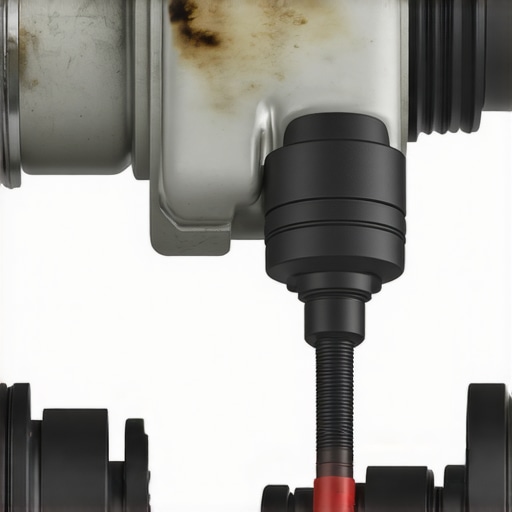
The Danger of Ignoring a Small Puddle of Pink Fluid in Your Driveway
One morning, as I backed out of my driveway, my foot accidentally brushed the brake pedal too hard, causing a strange, slippery spot to catch my eye. To my bewilderment, there was a tiny, shimmering puddle of pink fluid under my car. At first, I brushed it off as nothing more than some bizarre car wash runoff—after all, pink isn’t the color I expected for any car fluid, right? But that initial nonchalance was a mistake. Turns out, ignoring that small puddle could have led to some serious engine and transmission trouble.
So, what’s the big deal? Why would a seemingly innocuous pink puddle cause so much concern? Well, that tiny drop was a telltale sign of a deeper issue—specifically, a leak from your transmission or coolant system. Both are critical to your car’s health and your safety on the road. Ignoring even a small leak can eventually lead to costly repairs, breakdowns, or dangerous driving situations.
Today, I promise to walk you through how to identify these leaks early, understand what they mean, and most importantly, what steps to take before it’s too late. Because I’ve been there—trust me, a little knowledge can save you from a big headache.
Why Your Small Puddle of Pink Fluid Isn’t Just a Mess to Clean Up
In my early days of car ownership, I learned the hard way that a tiny leak is the car’s way of sending an SOS. That small patch, often mistaken for a spill or a coincidence, could actually be a sign of a crucial fluid system failing. It’s easy to dismiss it as dirt or a harmless drip, but if left unchecked, that leak can escalate, leading to more expensive repairs or even roadside breakdowns.
But here’s the truth—most drivers overlook leaks because they believe they’re minor or don’t understand the difference between various fluids underneath their car. A little pink puddle, for example, might be transmission fluid, coolant, or even power steering fluid. Each has distinct implications. Recognizing these leaks early can make the difference between a simple top-off and a full transmission rebuild.
In my experience, the first mistake many make is assuming the fluid is harmless or that it will evaporate on its own. That mindset can cost hundreds—sometimes thousands—down the line. Instead, I recommend inspecting your car regularly and learning to read what the fluids look and smell like. For instance, transmission fluid is usually red or pink, and it has a distinctive burnt-toast smell, which is a warning sign of impending trouble.
If you’ve ever experienced that sinking feeling—spotting a mysterious fluid on your driveway and wondering what it means—know that you’re not alone. Many drivers face this scare, but few act swiftly. That’s why I’m here to help you decode these early signals and prevent small issues from snowballing into major disasters.
To start, let’s answer an important question: How do you tell if that tiny pink puddle is a sign of a problem or just a harmless leak? And what should you do immediately after noticing it? Keep reading, because I’ll walk you through those steps next, sharing practical tips to catch and fix these leaks before they become a crisis.
Pinpoint the Source of the Leak
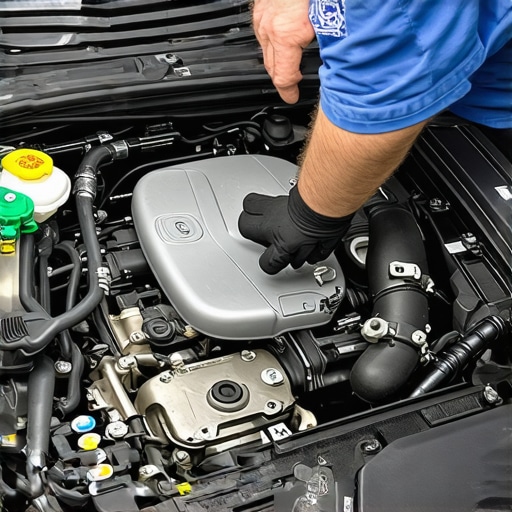
Start by inspecting the puddle under your car. Pink fluid often indicates transmission or coolant issues. Use a clean cloth or a strip of paper to see if the fluid adheres, and note its location relative to the vehicle’s parts. Remember, a leak from a transmission cooler line will occur near the radiator, while coolant leaks are typically around the radiator or hoses. For accurate diagnosis, lift your vehicle with a jack and secure it on jack stands to examine hard-to-see spots. When I encountered my first pink puddle, I carefully inspected underneath and found a cracked transmission cooler line—replacing it prevented a costly overhaul later.
Check Your Fluid Levels Methodically
After locating the source, verify the fluid levels in both your transmission and coolant reservoirs. Use the dipstick or filler cap to check. For transmission fluid, ensure the engine is warm, and the car is on a level surface, then pull out the dipstick, wipe it clean, re-insert, and read the level. If it’s below the recommended mark, top it off with the correct type, but be cautious; overfilling can cause damage. Always refer to your vehicle’s manual for specific instructions. Remember, low transmission fluid can cause slipping or shuddering, which might seem normal but is actually a warning sign. I once topped off my fluid, and the shifting smoothened immediately, saving me from an emergency.
Identify the Fluid Type Precisely
Determining whether the puddle is transmission fluid or coolant is crucial. Transmission fluid is usually red to pink, with a slightly sweet or burnt smell, and is slick. Coolant, on the other hand, can be green, orange, or pink, often with a sweet smell and a slimy texture. Use a test strip designed for automotive fluids or a refractometer for accuracy. When I noticed the pink puddle, I performed a simple test by dipping a clean cloth—red and slick meant transmission fluid, so I verified my transmission was leaking and scheduled repairs promptly. Recognizing these differences promptly can prevent misdiagnosis and inappropriate repairs, which could be costly or ineffective.
Clean Up and Monitor Carefully
Once you’ve identified and addressed the leak, clean the area thoroughly using degreasers or specific cleaning products. A clean surface makes future leaks easier to detect and verify. Regularly inspect your driveway and undercarriage, especially after long drives or harsh weather. Monitoring fluid leaks closely helps catch problems early—saving you money and avoiding roadside breakdowns. For example, I kept an eye on the repair site, ensuring the new hose held well during subsequent drives. Consistent checks act as early warning systems, especially if you notice a decline in driving smoothness or new puddles appearing.
Schedule a Professional Inspection
Even if you fix what you can see, it’s wise to consult an ASE-certified mechanic for a thorough diagnosis, especially for critical systems like transmission and cooling. Skilled technicians can spot hidden issues, perform pressure tests, and use specialized tools to detect internal leaks or worn-out components. My experience with a certified professional’s help confirmed a faulty transmission seal, which I would have overlooked. Proper diagnosis early on prevents minor repairs from escalating into expensive overhauls and keeps your vehicle running safely for miles to come.
Many car owners believe they understand vehicle maintenance, but there are nuances and misconceptions that can sabotage your car’s longevity and performance. One common myth is that all oil changes are created equal; in reality, using the wrong type or delaying oil changes can accelerate engine wear. An often-overlooked detail is expired or low-quality transmission fluid, which can cause slipping or shuddering, yet many neglect this vital service. Additionally, the significance of ASE certification isn’t always fully appreciated—many think it guarantees perfection, but as expert mechanics confirm, it simply indicates a certain level of training and competence, not expertise in all areas (source).
A critical mistake is believing that DIY oil changes are sufficient without proper inspection of filters and internal components. For instance, a contaminated oil filter can cause pressure drops, leading to engine damage. Moreover, the misconception that ‘lifetime’ transmission fluid won’t need replacing is dangerous; modern research indicates that even sealed units can benefit from periodic service to prevent costly repairs (source).
Beyond these myths lies a nuance often missed: the importance of matching OEM specifications precisely. Using generic parts or fluids might save money short-term but can lead to misfires, shuddering, or reduced fuel efficiency in the long run. For example, selecting the wrong oil viscosity can compromise engine seals or impede cold starts, especially in colder climates. Checking your manual for approved specifications is crucial.
Finally, beware of the trap of ignoring subtle signs such as delayed shifting or strange noises, which are signs your transmission may need attention before catastrophic failure. Many owners dismiss these as normal aging, but early intervention can save thousands. Regular inspections by ASE-certified technicians—verified through online verification—ensure you’re not falling prey to false assurance.
Remember, a little knowledge of these advanced details can make a significant difference. Have you ever fallen into this trap? Let me know in the comments.Maintaining your vehicle’s health over miles and years requires more than just basic knowledge; it demands the right tools and a strategic approach. Investing in quality equipment and understanding their proper use can save you hundreds, if not thousands, in repairs. For instance, I personally recommend acquiring a high-grade digital multimeter, like the Fluke 115, because it offers precise voltage readings essential for diagnosing electrical issues, which are increasingly complex in modern cars. Additionally, a reliable OBD-II scanner such as the BlueDriver helps quickly identify engine codes and monitor real-time data, streamlining troubleshooting sessions and preventing minor problems from escalating.
Apart from hardware, certain software tools have become indispensable. I utilize the OEM-specific repair databases like ALLDATAdiy, which provide manufacturer-approved procedures and diagrams. These resources are invaluable for DIY repairs, especially for transmission work or coolant system repairs, where precision is critical. As hybrid and electric vehicles grow in prevalence, staying updated with diagnostic software tailored for these technologies will become even more essential.
Tool maintenance cannot be overlooked; regularly calibrating and cleaning your diagnostic devices ensures accurate readings and extends their life. Keep tools like your torque wrench properly calibrated—using a calibration service once a year helps avoid under- or over-tightening critical components, which could compromise safety.
Looking forward, technology is evolving towards integrated diagnostic and maintenance platforms. Imagine an app that syncs with your vehicle’s ECU and provides real-time maintenance alerts, customized service schedules, and troubleshooting tips. As these systems become more accessible, DIY enthusiasts and professionals alike will benefit from more precise, user-friendly interfaces.
How do I maintain transmission health over time? One proactive measure is regularly inspecting and replacing transmission fluid before it shows signs of breakdown, as recommended in official ASE guidelines. Using a dedicated scanner to monitor transmission temperature and fluid condition can prevent costly failures and extend service intervals.
In my experience, combining quality physical tools with up-to-date software creates a robust maintenance routine. It’s a good idea to periodically check for updates from manufacturers of your diagnostic equipment. For example, newer models of the transmission fluid testers incorporate sensors that directly connect to diagnostic apps, providing ongoing health reports. This proactive approach aligns with modern best practices and positions you to catch issues before they become emergencies.
By investing in the right equipment and staying current with technological advancements, you set yourself up for long-term success. If you haven’t tried using a high-quality digital multimeter or an OEM-specific repair database yet, I encourage you to do so—it could make all the difference in keeping your vehicle performing optimally for miles to come.
Lessons I Wish I Grasped About Car Care Early On
- That tiny pink puddle I ignored turned out to be my transmission’s SOS call; trusting my instincts and understanding fluid colors could have saved me a lot of hassle later.
- Seeing an ASE certification isn’t a guarantee of perfection—learning to verify credentials online proved to be my safeguard against unreliable repairs.
- Regularly checking fluid levels and using proper tools is a small investment that pays off by extending your vehicle’s lifespan and avoiding costly breakdowns.
- The myth of ‘lifetime’ transmission fluid nearly cost me my transmission; staying informed about service intervals changed my approach to vehicle care.
Tools and Resources That Turn Maintenance Into Confidence
- OEM-specific repair databases like ALLDATAdiy have become my go-to, offering detailed diagrams and procedures that simplify complex repairs.
- Investing in a quality OBD-II scanner such as BlueDriver allows me to catch engine issues early, saving me time and money at the mechanic’s shop.
- High-grade diagnostic multimeters, like the Fluke 115, ensure precise electrical troubleshooting, especially valuable for modern vehicles laden with sensors.
- Online verification tools for ASE certifications help me ensure that my mechanic’s expertise is legitimate and trustworthy.
Your Next Step is Closer Than You Think
Arming yourself with knowledge about car transmission, engine, and fluid health elevates your role from a passive owner to an active guardian of your vehicle’s longevity. Don’t wait for a leak or warning light—regular inspections, learning fluid differences, and investing in good tools empower you to prevent small issues from turning into big problems. Trust me, your future self will thank you for being proactive. Now, tell me—have you ever caught a sign early that saved you from costly repairs? Drop your story below and inspire others to stay ahead of potential car mishaps.