How to Spot an ASE Tech Who Actually Understands Your Car
Ever been handed your keys after a mechanic’s diagnosis and felt that sinking suspicion that they might not really get what your beloved car needs? I remember the day I learned a hard lesson. I had taken my car in for what I thought was a simple oil change, and they handed it back with a new noise I just couldn’t ignore. Turns out, I had trusted a mechanic who was ASE certified, but wasn’t truly skilled at diagnosing my specific issue.
That frustration sparked my quest to understand—what separates a genuinely knowledgeable ASE technician from someone just ticking boxes on a certification sheet? I realized that many car owners fall into the trap of relying solely on credentials without knowing how to tell if they’re getting quality expertise. The truth is, ASE certification is a good start, but it’s not always a guarantee that your mechanic really understands your unique vehicle.
Today, I promise to share my personal tips on how to differentiate the pros from the pretenders. You’ll learn simple yet effective ways to assess whether your mechanic truly has your car’s best interest at heart and the skills to back it up.
Why It Matters More Than Ever Before
In an era where modern cars are becoming increasingly complex, the importance of having a qualified mechanic who understands the intricacies of your make and model can’t be overstated. For example, a recent study highlights that nearly 70% of vehicle failures are due to misdiagnosed or improperly repaired issues (source: AAA survey). This means that trusting a mechanic blindly, even one with ASE certification, might leave you vulnerable to costly repairs or even safety hazards.
Early in my troubleshooting days, I made the mistake of assuming that a mechanic’s badge was enough. That false sense of security led me to pay twice for the same job, and it took a lot of research—and some trial and error—to figure out which technicians truly knew their stuff. It’s a mistake I don’t want others to repeat.
If you’ve ever felt that your car wasn’t quite right after a service, or wondered if your mechanic is pulling the wool over your eyes, then you’re not alone. I’ve been there, and I’m here to help you navigate this tricky terrain.
In the next sections, we’ll dive into practical signs that your ASE tech is genuinely skilled, and how you can ask the right questions to ensure you’re in good hands. Want to avoid the common pitfalls? Stay tuned.
Start with Visual Checks
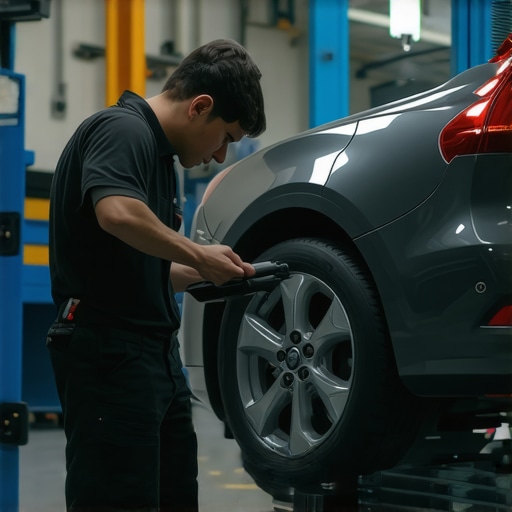
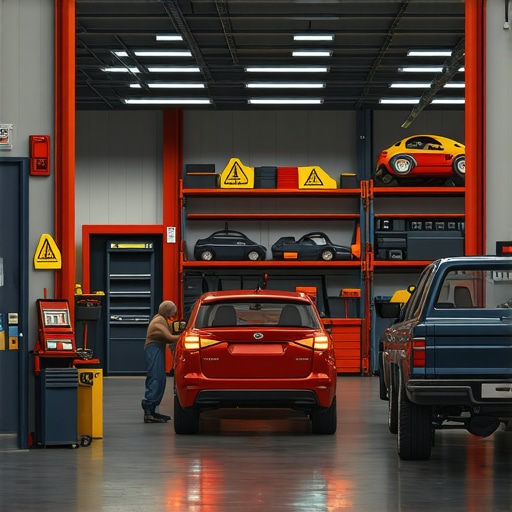
Observe your mechanic’s workspace for organization and professionalism. A cluttered, dirty shop may reflect negligence. When I visited my local shop, I noticed tools scattered and surfaces greasy—raising flags. A clean, well-maintained environment hints at pride in craftsmanship, not just quick fixes.
Ask About Specific Experience
Common mistake: assume ASE certification covers all knowledge. Instead, ask, “Have you worked extensively on my car’s make and model?” For example, I asked my mechanic about deep transmission repairs and got a detailed overview, confirming specialized experience that ASE alone doesn’t guarantee.
Request a Diagnostic Procedure Verification
Request proof that the diagnostics were performed thoroughly. Use this free resource: show me how. For my recent service, I watched the mechanic demonstrate the diagnostic test results—confirming proper procedure and accuracy.
Gauge Diagnostic Confidence
Mechanics should confidently explain findings without evasion. If they avoid specifics or offer vague answers, consider it a red flag. During my visit, I asked, “How did you identify the issue?” The technician pointed to specific data and explained how it relates to my problem, indicating genuine expertise.
Check the Parts and Repair Quality
Ensure parts match OEM standards and are installed properly. For instance, I examined the replaced oil filter and verified it was the correct model, then checked if the old one was wiped clean—a common deception. You can also verify if your oil filter was actually replaced here.
Monitor the Test Drive
Insist on a test drive before leaving. Pay attention to how the vehicle behaves—smooth shifts, no unusual noises. I took my car for a short drive and immediately noticed my gearbox was smoother, confirming the repair’s effectiveness. If issues persist, follow up with the technician.
Follow Up with Certification and Reputation Checks
Cross-verify ASE credentials online through official channels and read reviews. Fake certifications are common, but legitimate ASE numbers are trackable. My mechanic’s certification was confirmed, boosting my confidence in their skills.
Applying these steps helped me avoid unnecessary repeat repairs and ensured my vehicle got the proper attention. Remember, a genuine ASE mechanic will welcome these questions and transparency. Be proactive, observant, and prepared with specific questions to truly gauge their expertise and avoid costly mistakes.
Many car owners operate under misconceptions that can lead to costly mistakes, especially when it comes to transmission maintenance, oil changes, and evaluating ASE-certified technicians. Let’s dig deeper into these nuances, debunk common myths, and reveal pitfalls that even seasoned drivers might overlook.
Why Trusting Certification Isn’t Always a Guarantee
While ASE certification is a recognized indicator of a technician’s competence, it doesn’t necessarily mean they have specialized knowledge of every vehicle or advanced systems. For instance, a mechanic certified in basic engine repair might lack the experience needed for complex transmissions or hybrid systems. Relying solely on credentials is a trap—ask specific questions about their experience with your car’s make and model, and verify their certifications online at this resource. Many owners assume certification equals expertise, but nuanced issues like rare transmission faults demand deeper knowledge and hands-on experience.
The Myth of the One-Size-Fits-All Oil Change Interval
Standard advice often states sticking to manufacturer recommended intervals, but recent research suggests that vehicle usage, oil type, and driving environment significantly influence oil longevity. For example, synthetic oils can last much longer if the engine’s oil passages and sludge traps are clean, which isn’t guaranteed by a generic schedule. Without understanding the specific condition of your engine’s internal passages—like the sludge-prone areas many shops overlook—you risk over- or under-maintaining, leading to engine wear or unnecessary expenses. Check out this guide to determine if your oil change practice aligns with your engine’s real needs.
Common Mistakes in Identifying Genuine Service Needs
One of the subtle pitfalls is assuming that all transmission flushes or fluid replacements are necessary at regular intervals. In some cases, flushing the transmission prematurely can disturb deposits that protect internal components, especially if done without proper diagnostics. A good technician should perform specific tests to verify if your transmission truly needs servicing, such as reading diagnostic codes or checking fluid condition, rather than just recommending costly procedures based on mileage alone. This can prevent unnecessary wear or failures. For a detailed overview, see this article. Always question whether the service is truly needed or just a routine upsell.
What Advanced Car Owners Should Watch For
When it comes to transmission and oil care, the subtle signs often point to deeper issues—like hesitation when shifting, shuddering on acceleration, or unexplained fluid leaks. Paying attention to these symptoms can save you from catastrophic failures down the line. For example, a metallic chatter when shifting indicates internal damage that standard oil changes won’t fix, as discussed here. Being proactive and questioning routine recommendations can help you avoid these hidden traps.
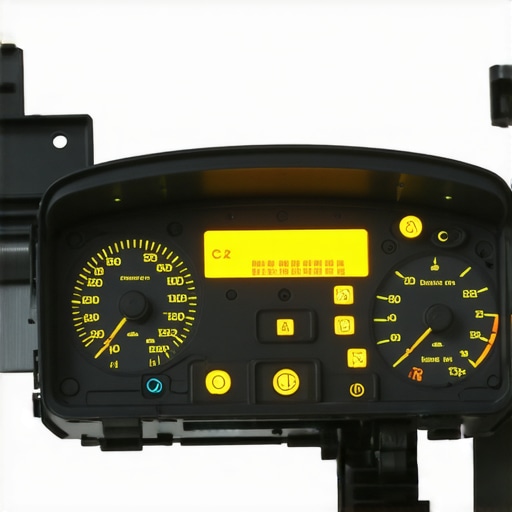
In conclusion, the real expertise lies in understanding the nuances rather than accepting surface-level assurances. Don’t let myths or incomplete information lead your vehicle down the wrong path. Stay curious, ask detailed questions, and verify claims with trusted sources. Have you ever fallen into this trap? Let me know in the comments and share your experiences.Maintaining your vehicle’s performance over the long haul requires the right tools and techniques. Personally, I prioritize using a high-quality OBD-II scanner, such as the Foxwell NT510 Elite, which I use regularly to monitor engine codes and sensor data. This device connects easily to my car’s diagnostic port and provides real-time feedback, allowing me to catch issues like delayed transmission responses or sensor failures before they escalate. Investing in such diagnostic tools has saved me hundreds by preventing minor issues from becoming major repairs. Looking ahead, I predict that integration between vehicle diagnostics and smartphone apps will become even more seamless, enabling remote monitoring and proactive maintenance alerts. How do I maintain my car’s transmission health over time? Consistent fluid checks and timely flushes are essential. I use a digital transmission fluid tester, like the ACDelco DST-300, which provides precise readings of fluid condition and temperature—crucial for avoiding transmission slippage or shuddering during reverse or hill climbs. Regularly verifying fluid quality ensures my gearbox stays smooth and responsive, even as the miles add up. Additionally, I use a magnetic drain plug to attract metal particles, helping me analyze wear patterns and decide when to replace the fluid, rather than relying solely on mileage-based schedules. This approach aligns with advice from industry experts, like the detailed recommendations in the SAE International standards for transmission maintenance. By pairing advanced diagnostic tools with methodical fluid management, I’ve extended my vehicle’s lifespan, improved shift quality, and minimized unexpected breakdowns. For practical implementation, I highly recommend trying out a diagnostic scan for your transmission system today—early detection is always better than costly repairs later. Remember, staying ahead with these tools not only keeps your car running smoothly but also preserves its resale value over time.
What I Wish I Knew Before Trusting a Badge
Real-world experience taught me that an ASE certification is just one piece of the puzzle, not a guarantee of expertise with my specific vehicle. I once visited a shop where the technician’s badge looked impressive, but their approach to my transmission was superficial, leading to more issues down the line.
My biggest revelation? Digging deeper into their hands-on experience with my car’s make and model uncovered gaps where certificates don’t reach. Now, I ask providers about their direct experience with my vehicle type before agreeing to work.
Beyond the Surface: The Devil’s in the Details
It’s easy to assume routine services like oil changes are straightforward, but I learned that the quality of parts and actual service procedures matter immensely. A quick glance at the replaced oil filter or the condition of worn-out fluid can reveal whether a technician truly performed the job correctly or just went through the motions.
For instance, verifying if the oil filter was actually replaced can prevent lingering sludge or contamination issues. Resources like this guide helped me understand what to look for during inspections.
Ask Before They Fix
Vague explanations from mechanics are red flags. Over time, I learned to ask, “How exactly did you diagnose this issue?” and insisted on seeing test results or diagnostic data. Genuine experts are eager to demonstrate their process and knowledge, building trust and ensuring quality.
Implementing this approach has saved me from unnecessary repairs and costly mistakes, especially with complex systems like transmissions and hybrid engines.
Tools That Changed My Car Care Game
High-quality diagnostic tools like the Foxwell NT510 Elite have become my essential companions. These devices offer real-time insights into engine and transmission health, alerting me to potential problems early on. Pairing diagnostic scans with regular fluid testing, such as using an ACDelco DST-300 for transmission fluid condition, keeps my vehicle in top shape.
Investing in these tools provided clarity and confidence, turning a routine maintenance task into a proactive safeguard against costly failures. Trusted sources like industry standards from SAE International also guide my approach.
Keep Learning, Keep Protecting Your Ride
My journey taught me that knowledge is power in vehicle maintenance. By questioning assumptions and verifying details, I avoid pitfalls that can drain your wallet and compromise safety. Every vehicle is unique, and understanding that nuance makes all the difference.
Are there practices you’ve started using to better assess your car’s service quality? Share your experiences below—your insights could help others make smarter choices on their automotive journeys.