Why Your Fleet Maintenance Schedule is Burning Through Your Profits
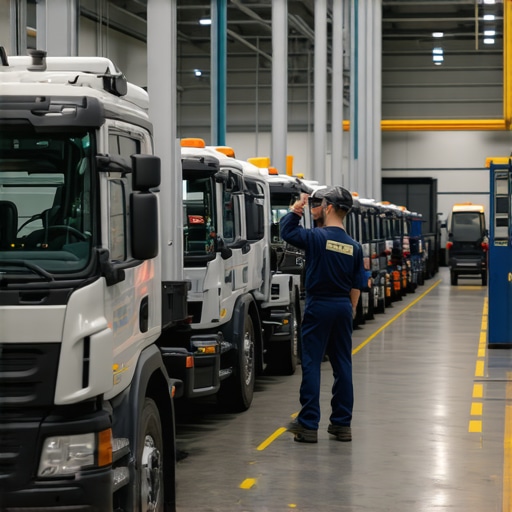
I remember the moment it hit me. We were on the busiest day of the month, dozens of trucks awaiting service, and my biggest client was calling, frustrated about repeated breakdowns. That sinking feeling? It was my fault. I had blindly followed a generic maintenance schedule, convinced that sticking to the factory intervals was enough. But in reality, those routine checks weren’t catching the real culprits—they were just delaying the inevitable, and in the process, bleeding my profits dry.
Facing the Harsh Truth About Maintenance Schedules
Many fleet owners fall into a trap early on. They trust the default schedules provided by manufacturers or the cheapest options available. But what if I told you that sticking to those standardized intervals without considering the unique demands of your fleet could be much more costly? I’ve learned from personal experience—and countless others’ stories—that a one-size-fits-all plan often leads to unnecessary repairs, increased downtime, and dwindling profits.
Actually, research shows that proactive, condition-based maintenance can reduce fleet operating costs by up to 30%. Understanding your specific vehicle needs isn’t just smart; it could be the lifeline your profits need. The key lies in customizing your schedule based on real-world usage, not just ticking off service boxes. And if you’re wondering whether your current approach is doing more harm than good, believe me—you’re not alone. Many operators miss the signs of early component failure because they’re following outdated or generic maintenance plans.
Have you recently faced unexpected repairs or higher costs that don’t seem justified? If so, it might be time to reevaluate how you schedule maintenance.
Is Your Maintenance Routine Actually Worth the Hype?
In my early days, I was guilty of following vague recommendations from online forums and even some pitfalls I read about in industry blogs. The biggest mistake? Assuming that more frequent oil changes or over-servicing would always save me money. Turns out, that’s a false economy. Overdoing routine checks not only wastes resources but can sometimes mask underlying issues, leading to catastrophic failures down the road.
To avoid falling into this trap, I’ve learned to trust licensed professionals who understand the nuances of ASE-certified repairs. For a deeper dive into how to verify your mechanic’s credentials and ensure you get quality service, check out [how to verify an ASE certification number online](https://autofixclinic.com/how-to-verify-an-ase-certification-number-online). Ensuring your team is equipped with real expertise is half the battle won.
Ultimately, the goal is to strike a balance—prevent failures before they happen without sacrificing your bottom line. Next, we’ll explore how to identify which maintenance tasks are essential for your fleet’s longevity and profitability. But first, let’s unpack some common misconceptions that might be costing you dearly.
Assess Your Vehicle’s Unique Needs
Begin by evaluating how your fleet or personal vehicle is used daily. Consider factors like driving distance, load weight, and environmental conditions. This data will inform your maintenance intervals, moving away from generic schedules. For example, if your trucks operate in harsh terrains, increase the frequency of inspections on critical components like transmissions and suspensions.
Implement Condition-Based Monitoring
Invest in diagnostic tools that provide real-time data. Use sensors to track oil pressure, transmission temperature, and brake pad wear. As I experienced with a recent fleet upgrade, installing a transmission temperature monitor prevented a costly breakdown by alerting us to overheating before failure. Regular data analysis enables targeted maintenance, reducing unnecessary service and preventing unexpected failures.
Focus on Transmission Health
Regularly check transmission fluid levels and quality, understanding that synthetic fluids need different care—see why modern CVT transmissions require specialized fluid. Replace fluids at manufacturer-recommended intervals but adjust based on conditions. If a transmission feels notchy or slips, it’s a sign to consult a qualified ASE technician, not to ignore symptoms—more on how to spot a competent ASE mechanic.
Prioritize Fluid and Filter Changes
Changing engine oil on a schedule is fundamental, but many overlook critical filters. Use high-quality filters to prevent contaminants from circulating—see how to verify ASE certification when selecting your service provider. Replace transmission and differential fluids proactively, especially if you notice sluggish shifting, which could be linked to gear lag caused by tired fluids.
Conduct Visual Inspections Frequently
Don’t wait for warning lights—perform weekly visual checks for leaks, cracked hoses, or worn belts. For instance, a small oil leak detected early can save thousands; see the engine part most overlooked during oil changes.
Train Your Team in ASE Best Practices
Ensure your mechanics are ASE-certified, which guarantees expertise in diagnostics and repairs. To verify credentials, use this online ASE certification check. Regular training keeps your team updated on newest vehicle technologies, decreasing repair times and errors.
Balance Maintenance with Costs
Avoid over-servicing or neglecting critical systems in pursuit of short-term savings. Use data-driven decision-making: if a component shows no deterioration, delay replacement. Conversely, prioritize repairs that prevent major failures—like addressing early signs of transmission wear before complete failure strikes. Remember, each proactive step adds up to longer vehicle life and lower total costs.
When it comes to automotive repairs and maintenance, many believe that an ASE certification is a foolproof badge of expertise. But in my experience, this badge alone doesn’t guarantee a mechanic’s competence or the quality of service. The common misconception is that ASE certification equals perfect knowledge, but the reality is more nuanced. One critical detail often missed is that not all ASE-certified technicians stay updated with the latest vehicle technologies, especially with the rapid advancements in areas like hybrid and electric vehicles.
Could Your ASE-Certified Technician Handle Modern Car Complexities?
Many assume ASE certification implies mastery over all vehicle types and models, but this isn’t always true. For instance, newer vehicles equipped with GDI engines or advanced driver-assistance systems require specialized training beyond standard ASE exams. Relying solely on the certification without verifying specific expertise—like knowledge of turbocharged engines or CVT transmissions—can lead to flawed diagnostics and costly mistakes. For example, if your mechanic isn’t familiar with recent developments in CVT transmission care, you risk future slipping and fluid breakdown. Having a mechanic check their ongoing education records or certifications in specific vehicle systems can save you from expensive misdiagnoses. A common sneaky trap is assuming that ASE certification means the mechanic is qualified to perform complex jobs like fluid changes on hybrid transmissions or diagnosing subtle electronic faults. In reality, some workshops focus on quick fixes rather than comprehensive diagnostics, which can cause you to miss underlying issues until they escalate. Always ask about recent training or specialized certifications; it signals a genuine commitment to staying current in this fast-evolving field. Don’t forget, research shows that technicians who pursue ongoing education provide better diagnostics and longer-lasting repairs, especially when working on sophisticated systems. So, the takeaway is: a badge on your mechanic’s uniform is a starting point, not the final word. You need to dig a little deeper—verify their recent training, specific skills, and familiarity with the latest vehicle technologies. This is especially true for critical services like oil changes or transmission repairs, where precision matters to prevent long-term damage. If you want to ensure you’re getting top-tier service, consider checking their credentials online via resources like ASE certification verification tools. Having a trustworthy, well-trained technician can make all the difference in extending your vehicle’s lifespan and saving money. Remember, knowledge is always evolving—your mechanic’s commitment to continuous learning is your best assurance of quality. Have you ever fallen into this trap of believing that certification alone guarantees expert service? Let me know in the comments.Maintaining your vehicle’s optimal performance requires more than just basic checks; it demands precision tools and proven techniques. One of my favorite instruments is the automotive scan tool, specifically the Autel MaxiSys MS909. I personally rely on this device because it offers comprehensive diagnostics, compatibility with most vehicle brands, and troubleshooting capabilities that go beyond generic code reading. It allows me to interpret complex sensor data in real-time, which is essential for proactive maintenance, especially for transmission and oil system issues. For instance, monitoring transmission temperatures through this tool helped me prevent a costly failure, demonstrating its value vividly.
Another critical aspect is software management. I use specialized diagnostic programs like Bosch ESI[tronic], which provide detailed repair procedures and updates directly from manufacturers. Staying current with software updates ensures that I can access the latest vehicle data, especially crucial for hybrid or newer models that incorporate advanced electronic systems. This proactive approach aligns with the future of vehicle diagnostics where data-driven maintenance is becoming the norm.
When it comes to physical tools, I recommend investing in high-quality, dedicated fluid testers. A digital oil tester, for example, enables me to evaluate oil health without relying solely on visual cues. Considering that many modern engines, particularly GDI types, suffer from sludge buildup faster, verifying oil quality has become a routine that saves me from premature engine issues. Regularly testing oil and transmission fluids prevents neglecting early signs of degradation, which could lead to catastrophic failures like those discussed in this article on CVT fluid.
What I predict for the future is the increasing integration of AI and machine learning into diagnostic tools, enabling even smarter maintenance scheduling. These systems could analyze historical data to predict component failures before symptoms appear, revolutionizing how we keep vehicles running.
How do I maintain transmission health over time? One effective method is to establish a regular schedule of fluid checks and changes, especially for vehicles driven in harsh conditions. Using tools like the transmission fluid testing kits or performing temperature monitoring ensures that the fluid remains within optimal parameters, preventing issues such as gear slipping or late shifting, which are signs of deteriorating fluid quality. As highlighted in this guide on transmission fluid, timely fluid replacement is one of the simplest yet most impactful ways to prolong transmission life.
I challenge you to test your current transmission fluid with a digital tester this week. Not only will it give you tangible data, but it will also provide peace of mind knowing you’re actively managing your vehicle’s health. Remember, the right tools combined with attentive maintenance practices are your best defense against unexpected breakdowns and costly repairs.
Lessons I Wish I Learned Before Relying Solely on Certifications
One of my biggest mistakes was trusting an ASE badge without probing deeper into my mechanic’s recent specialized training, especially for newer vehicle models. Certification is a great start, but continuous learning is vital in this rapidly evolving industry.
Over-servicing can be just as harmful as neglect. I once replaced an engine oil on a schedule that was too frequent, only to discover it masked subtle signs of sludge buildup, leading to engine problems months later. Balance is key—more isn’t always better.
I realized that investing in diagnostic tools, like digital oil testers and advanced scan devices, drastically improves my ability to perform proactive maintenance. These tools give me insights that prevent costly breakdowns and extend vehicle lifespan.
Tools and Knowledge That Changed My Approach
My trusted toolkit includes the Autel MaxiSys MS909, which offers comprehensive diagnostics for nearly all vehicle makes. It saves me time and helps me catch issues early, especially in transmissions and hybrid systems.
Books like “Automotive Technology” by Jack Erjavec have transformed my understanding of modern vehicle systems. Staying updated through such resources ensures I don’t miss critical technological developments—an essential for ASE technicians aiming for excellence.
Online verification tools, such as the ASE certification check, keep me confident in my team’s credentials. Continuous education and proper certification are your best shield against becoming complacent with your vehicle maintenance routine.
Your Drive to Better Vehicle Care Starts Today
Taking ownership of your vehicle’s health means embracing continual learning, investing in the right diagnostic tools, and working with genuinely qualified professionals. Small steps now can save you from major headaches later. Remember, quality maintenance isn’t just about fixing problems—it’s about preventing them and ensuring your vehicle serves you reliably for years to come.