The Dangerous Mistake of Overfilling Your Automatic Transmission
Have you ever topped off your transmission fluid, thinking more is better? I did, and it ended up costing me more than I ever expected. That moment of pride in saving a few bucks turned into a headache filled with strange shifting sensations and a visit to my trusted ASE-certified mechanic. It was only then I realized how an often-overlooked mistake—overfilling your automatic transmission—can cause serious harm.
Why Overfilling Your Transmission Fluid Is a Mistake Most People Make
It seems logical, right? More fluid, better lubrication, less wear. But the truth is, excess transmission fluid creates increased pressure inside the gearbox. This pressure doesn’t just stay benign; it can lead to foaming, leaks, and even damage to seals and components. Early on, I noticed my car shifting a little rougher, a subtle jolt every time I hit a stoplight. But I brushed it off, assuming it was normal. It wasn’t until my transmission started slipping unexpectedly that I realized I had overfilled it.
Imagine your transmission as a delicate ecosystem; too much fluid is just as damaging as too little. Experts agree that overfilling can cause hydraulic lift issues, leading to erratic shifts and potential mechanical failure if left unchecked. A study in automotive maintenance highlights that overfilled transmission fluid is a common cause of early transmission failure (source: [autofixclinic.com](https://autofixclinic.com/why-your-high-mileage-engine-suddenly-craves-thicker-oil)).
So, how do you know if you’re risking this hidden disaster? That’s what we’ll explore next. But first, let me ask—is your car exhibiting signs of transmission trouble that you might be dismissing as normal? If so, it’s worth checking your fluid levels carefully.
Now that I’ve shared my mistake and the risks involved, let’s dive into how you can identify the correct fluid level and avoid the costly consequences of overfilling. Stay with me—your transmission will thank you.
Locate the Transmission Dipstick and Prepare Your Vehicle
Start by parking your car on a level surface, engaging the parking brake, and turning off the engine. Open the hood and find the transmission fluid dipstick, usually labeled. For example, I once took 15 minutes to locate mine behind the engine bay, which is a common mistake. Ensuring the vehicle is cool prevents inaccurate readings caused by fluid expansion. Consult your owner’s manual if needed.
Learn How to Read the Transmission Fluid Level Correctly
Pull out the dipstick, wipe it clean with a lint-free cloth, then reinsert it fully. Remove it again to check the fluid level against the marked indicators—‘Full’ and ‘Low’ or ‘Add’ lines. Remember that transmission fluid should be at or slightly below the ‘Full’ mark when cold. I once overfilled mine slightly, which led to shifting issues, illustrating the importance of precise measurement.
Understand Fluid Viscosity and Color
Inspect the fluid’s color and consistency. Healthy transmission fluid is pinkish or red, transparent, and slightly sweet-smelling. If it’s dark, brown, or has a burnt odor, consider draining and replacing it. Regularly checking these signs helps prevent damage.
Top Off or Drain to Correct Overfill
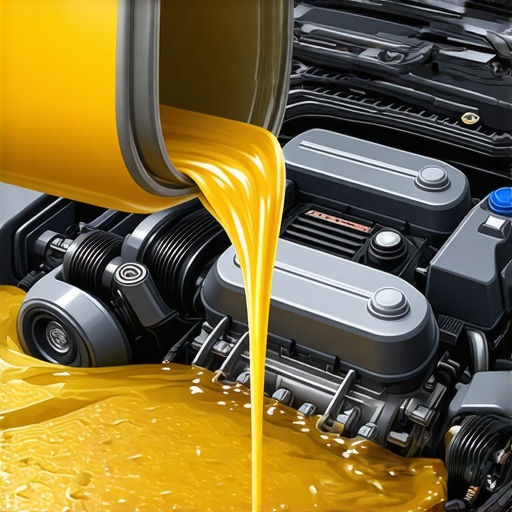
If the level is below the proper mark, add the correct type of transmission fluid a little at a time using a funnel. Do not overfill—remember, too much is as harmful as too little. I learned this the hard way when I added fluid hastily, causing foaming and shifting problems. For vehicles with complex gearboxes like CVTs, consider professional service such as professional diagnosis.
If overfilled, the solution involves carefully draining excess fluid through the drain plug or having a mechanic perform a fluid exchange. This step is critical; overfilling can lead to seal leaks and increased pressure, risking expensive repairs. Remember, always verify fluid type compatibility, especially if your vehicle recommends synthetic options like bio-synthetic oils.
Regular Checks Prevent Future Mishaps
Make transmission fluid level checks a routine part of your vehicle maintenance—ideally every 30,000 miles or as recommended. During these checks, also examine for contamination or metal flakes, which could indicate wear. A swift inspection can reveal issues before they escalate into costly repairs.
Record Your Maintenance and Monitor Vehicle Behavior
Keep a log of your fluid checks and top-offs. Notice any shifting irregularities or warning signs like slipping or harsh shifts. Addressing these early maintains smooth operation and extends your transmission’s lifespan, saving you money and stress. I personally use a maintenance journal to track service intervals, which helps me stay proactive.
Many car owners believe that all transmission fluid is created equal, but in reality, the nuances are subtle yet crucial. For instance, some think that topping off transmission fluid with any brand suffices, but expert guidance suggests using the precise type specified by your vehicle’s manufacturer. Skipping this detail can lead to slipping, overheating, or seal damage. A common misconception is that comprehensive transmission services, like fluid flushes, are unnecessary unless there’s a clear problem. However, routine maintenance, performed by ASE-certified technicians, can preempt costly failures by addressing issues before symptoms manifest. Be cautious of the trap where neglecting early signs—such as minor shifting irregularities—leads to significant repairs. Regularly checking your transmission fluid for correct level and color is fundamental; dark, burnt-smelling fluid signals overdue service and potential internal wear. Interestingly, many underestimate the importance of high-quality synthetic oil in transmission longevity. Choosing the right lubricant enhances temperature stability and reduces breakdown. Advanced repair scenarios often involve diagnosing issues with sensor inputs or solenoid operation, which basic oil changes won’t resolve. An effective strategy combines routine checkups with expert diagnostics to prolong your transmission’s life. Also, consider that some car owners overlook the significance of proper fluid level due to inadequate service procedures. ASE-certified technicians double-check these details, ensuring optimal performance. Remember, transmission health isn’t solely about fluid—it’s intertwined with linked components like the torque converter and valve body, which may require specialized attention. Avoid falling into the trap of assuming “if it drives, it’s fine,” because subtle signs like delayed shifting or shuddering despite recent service could indicate deeper problems. A 2026 study emphasizes that early intervention maintains vehicle reliability and safety. Make sure your maintenance respects the nuances and complexities of modern transmissions. Have you ever fallen into this trap? Let me know in the comments.
Essential Tools for Reliable Transmission Maintenance
To ensure your transmission stays smooth and responsive over the years, investing in precise and durable tools is crucial. I personally rely on a high-quality digital torque wrench set to accurately tighten transmission bolts to manufacturer specifications, preventing leaks or damage. A telescoping magnetic pick-up tool helps retrieve fallen nuts or clips in tight engine bay spaces, saving both time and frustration. For fluid level checks, a digital scan tool that can read transmission error codes offers proactive insights, allowing me to catch issues before they escalate.
When performing fluid top-offs or flushes, I use a professional-grade fluid transfer pump. This allows precise control, minimizing overfill risk—something I learned the hard way by overestimating traditional syringes. A bleed hose kit is invaluable for removing trapped air post-service, ensuring optimal hydraulic pressure. For parts replacement, I favor Sterile Grade Inspection Mirrors, which give clear access to hard-to-see components, especially when dealing with complex CVT or dual-clutch systems.
Software and Diagnostics That Make Maintenance Smarter
Modern transmission systems are increasingly dependent on onboard electronic controls. I recommend a trusted OEM-specific diagnostic scanner compatible with your vehicle. This tool provides real-time data on gear shifts, solenoid operations, and sensor performance. By analyzing data logs, I can identify subtle signs of impending failure, such as irregular transmission fluid temperature fluctuations, which helps plan timely interventions.
Additionally, maintenance software like AutoHex is a game-changer. It enables you to reset adaptive transmission control modules after fluid changes, optimizing shift points and prolonging component life. I always update my tools and software to stay compatible with latest vehicle models and firmware updates, which is vital considering the rapid evolution in transmission tech.
Long-Term Care Strategies for Transmission Health
Consistency and precision are key. Regularly using a combination of high-quality synthetic transmission fluids, like those recommended in this guide, along with advanced diagnostic tools, allows you to monitor your transmission’s health over time. Calibration resets and firmware updates performed during professional servicing can correct minor irregularities and help your vehicle adapt to changing conditions, ultimately extending its lifespan.
Predictive maintenance, aided by OBD-II data logging, will become even more essential as vehicles incorporate more complex electronics. Future trends point toward AI-driven maintenance diagnostics, which promise even greater precision—something I eagerly look forward to integrating into my routine to catch issues early.
How do I maintain transmission smoothness as the vehicle ages?
By conducting regular fluid analysis, utilizing precision tools, and leveraging diagnostic software, you create a proactive maintenance routine that keeps your transmission running effortlessly. Don’t hesitate to invest in these specialized tools—your car’s longevity depends on it. For example, I recommend trying a professional-grade fluid transfer pump combined with a compatible scan tool to streamline your service process. Proper maintenance isn’t just about fixing problems—it’s about preventing them from occurring in the first place.

The Hard Lessons That Changed My Transmission Approach
One of the most profound lessons I learned was that more transmission fluid isn’t always better—sometimes, overfilling can be just as damaging as running low. I used to think topping off meant protecting my gearbox, but I discovered that excess fluid increases internal pressure, leading to foaming and leaks. This realization pushed me to develop a more careful approach, always checking levels accurately and understanding my vehicle’s specific needs. It taught me that meticulous, informed maintenance beats quick fixes every time.
Secondly, I found out the importance of using the right tools and diagnostic software. Relying solely on visual checks or generic advice can overlook subtle signs of impending problems. Investing in quality tools and genuine manufacturer-specific diagnostics allows me to catch issues early, saving me money and stress down the road. These lessons emphasized that proactive, educated care truly protects your transmission’s longevity.
Lastly, I understood that routine maintenance isn’t just a task—it’s a mindset. Regular fluid checks, paying attention to fluid color and smell, and recording service history are vital habits. These small acts create a big impact over time, preventing failures and ensuring smooth gear shifts. Embracing consistent, detail-oriented care transformed my relationship with my vehicle from reactive to proactive, a lesson I wish I’d learned sooner.
Gear Up with My Trusted Tools and Resources
For anyone serious about transmission health, I recommend starting with a quality digital torque wrench—it ensures bolts are tightened to exact specs, preventing leaks or damage. A reliable diagnostic scanner tailored to your vehicle model offers immediate insights into shift patterns and sensor performance, making early detection possible. I trust professional-grade software for resetting transmission modules after service, which keeps everything running smoothly. Additionally, a premium fluid transfer pump provides precise control during top-offs or fluid exchanges, minimizing overfill risks. These tools form the backbone of my maintenance routine, giving me confidence in my car’s longevity.
In terms of reading materials, I highly suggest the comprehensive guide on synthetic oils and engine longevity—it’s helped me understand how proper lubrication complements transmission care. Learning about metal flakes and contaminants in oil is eye-opening, reminding me how critical clean fluids are. Lastly, staying updated with latest vehicle tech articles keeps me ahead of potential issues, ensuring my maintenance approach remains effective.
Take Charge of Your Transmission’s Future
Invest in consistent, informed care, and your transmission can serve you reliably for years to come. Remember, the key lies in understanding your vehicle’s specific requirements and the importance of routine checks. Your proactive approach not only saves money but also enhances driving comfort and safety. The journey to a healthier transmission starts with a conscious commitment—take that step today, and experience the difference in your vehicle’s performance.
What’s your biggest challenge when it comes to transmission maintenance? Share your story below—your insights might inspire someone else to start their own journey toward better vehicle care.