The Real Reason Your New Brake Pads are Already Squeaking
It was late one evening when I realized my brand-new brake pads, freshly installed just a few weeks ago, started squeaking loudly enough to wake the neighbors. I had just gone through the hassle of replacing them myself, thinking I was finally done with car maintenance headaches. But that telltale high-pitched squeal? It felt like a slap in the face. Frustration turned to curiosity, and suddenly I was diving into the *real* reasons behind squeaky brake pads — even when they’re new.
The Secret Behind the Squeak in Fresh Brake Pads
Many drivers assume that squeaking brakes signal worn-out pads or poor installation, but surprisingly, that’s often not the case. Sometimes, squealing is a normal process during the break-in period or due to tiny manufacturing residues. However, it can also be caused by improper installation, inadequate lubrication, or a coating that’s simply not suited for your driving conditions. What I learned early on — and want to share — is that understanding the cause can save you money and help prevent harm to your braking system.
Are you tired of the noise after every stop even though your brakes are new? Have you wondered whether this squeaking means something more serious? You’re not alone. Many drivers face this pesky problem and worry about what it signals. The good news? With a bit of knowledge and some simple checks, you can often resolve it yourself before it becomes a bigger issue.
Is the Squeaking Worth Worrying About?
My first mistake was ignoring the squeak altogether. I thought it was just a break-in sound, but it turned out to be a sign of incorrect pad installation and a lack of anti-squeal lubrication — problems that could have been fixed easily if I’d acted sooner. As noted by professional mechanics, many brake squeals are avoidable with proper procedures like applying a high-temperature brake lubricant or choosing the right pads suited for your vehicle’s conditions. If you’re experiencing this, it’s worth investigating further.
Now, I’m confident enough to tell you that understanding the nuances of brake squeal can extend the life of your braking system and keep your driving smooth and safe. Next, I’ll walk you through the most common causes and simple fixes, so you won’t have to suffer through that annoying noise any longer. Ready to silence those squeaks? Let’s get into it.
Inspect Your Brake Pads for Proper Installation
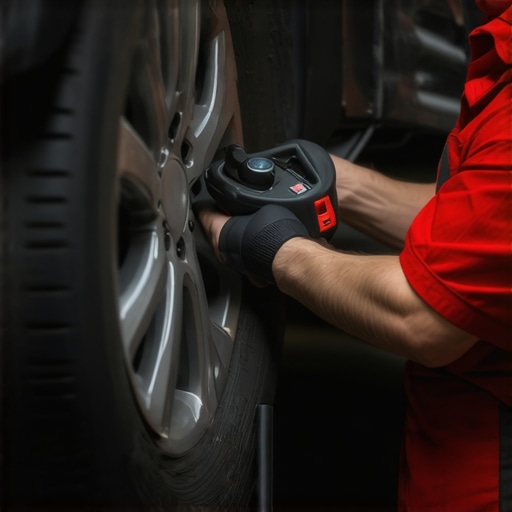
Start by safely lifting your vehicle using a jack and secure it on jack stands. Remove the wheel to access your brake assembly. Check whether the brake pads are correctly seated in their calipers. Proper alignment ensures even contact surface, reducing squealing. During my last fix, I found my pads slightly misaligned, which caused unnecessary noise. Realigning them immediately made a noticeable difference.
Clean and Lubricate Brake Components
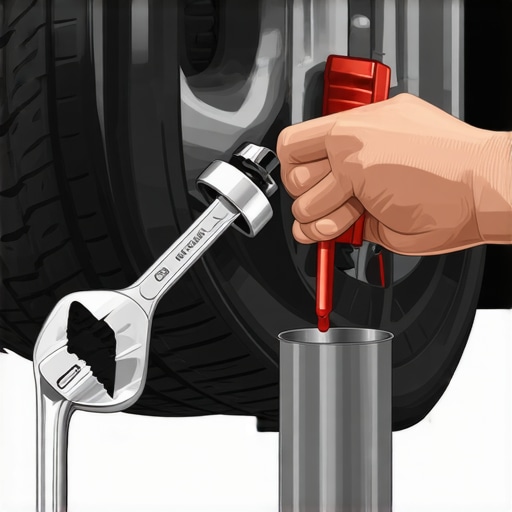
Use brake cleaner spray on rotors, pads, and calipers to remove residual dust, brake dust, or manufacturing debris that can cause squeal. Apply high-temperature brake lubricant on the back of pads and caliper slides—this prevents vibration and reduces noise. In my experience, neglected lubrication often leads to squealing, especially after new pad installation.
Identify and Remove Anti-Squeal Shims
Inspect if your brake pads have anti-squeal shims; sometimes, these become dirty or misaligned. Removing and replacing them with new, properly positioned shims can eliminate persistent squeaks. During a recent DIY job, I replaced worn shims, which drastically cut down the noise.
Choose the Right Brake Pads and Hardware
Not all brake pads are created equal. Some materials, like ceramic, are quieter but may cost more. Consider the driving conditions and vehicle type when selecting pads. Additionally, ensure you’re purchasing quality hardware pieces compatible with your model. If your local shop refuses to install non-OEM parts, it might be worth checking out this guide for tips on choosing reliable parts.
Perform a Break-In Procedure
For new brake pads, a proper break-in can prevent early squealing. This involves repeated gentle stops from moderate speeds to generate heat and deposit a thin layer of brake pad material onto the rotor surface. During my last replacement, I followed the manufacturer’s break-in instructions meticulously, leading to quieter operation over weeks.
Test the Noise Level and Final Checks
After reassembling everything, test drive your vehicle in a safe area. Listen for any squeal or vibration. If noise persists, recheck pad alignment and lubrication. For stubborn issues, it’s useful to consult specialized resources like this article to troubleshoot related brake or transmission issues that might cause noise overlaps.
 Many car owners operate under misconceptions about oil changes, vehicle servicing, and the roles of ASE certification and transmission health. The common myth that changing oil every few thousand miles is universally sufficient ignores the nuances of modern engines and driving conditions. In reality, factors like oil viscosity, synthetic blends, and engine design significantly influence optimal maintenance schedules. For example, recent studies highlight that synthetic oils can last up to 7,500 miles or more under ideal conditions, contradicting the traditional 3,000-mile rule, but only if the oil is appropriate for your engine type—especially with advanced turbocharged or hybrid systems.
A crucial mistake is trusting generic service intervals without considering your actual driving habits; frequent short trips or extreme temperatures demand more tailored approaches. Professional ASE-certified technicians emphasize that relying solely on the mileage or the vehicle’s oil change indicator can lead to overlooked issues like engine sludge or premature wear, which can severely compromise performance and longevity. An advanced concern involves transmission maintenance: many overlook the importance of fluid quality and compatibility, especially in modern CVT or hybrid transmissions, which require specialized fluids for smooth operation. Skipping timely fluid changes or using incorrect fluids increases the risk of slipping, shuddering, or complete failure.
Countless drivers fall prey to the trap of assuming all oils and services are interchangeable; however, as experts point out, using the wrong type or neglecting critical parts like magnetic filters can accelerate engine wear. Staying informed about factors like the impact of bio-synthetic oils— which can be incompatible with certain filters—saves you from unexpected breakdowns. This detail’s significance is supported by recent research indicating that engine components like worn valves and pistons often result from cumulative neglect that began with improper oil selection and infrequent service.
For advanced drivers, understanding these nuances isn’t optional; it’s essential for safeguarding your investment and ensuring optimal performance. Keep abreast of dedicated guides on vehicle-specific maintenance to avoid costly mistakes. For instance, exploring how ASE-certified technicians extend engine life can reveal preventative measures you might not consider—like timely transmission flushing or addressing early signs of fluid breakdown. Remember, your car’s health depends on informed choices rather than generic advice. Have you ever fallen into this trap? Let me know in the comments.Maintaining your vehicle’s optimal performance requires more than just basic knowledge; it demands the right tools and a strategic approach that aligns with modern automotive technology. As the industry evolves, especially with vehicles like the 2026 models featuring advanced transmission systems and hybrid engines, staying equipped with specialized equipment becomes vital. For instance, upgrading to a high-quality scan tool, such as the Autel MaxiCOM series, allows precise diagnostics, especially for complex systems like CVTs and hybrid powertrains, ensuring that you’re detecting issues before they escalate. Additionally, employing a reliable battery load tester helps prevent unexpected breakdowns, particularly in extreme weather conditions, saving you costly repairs down the road.
Beyond hardware, leveraging advanced software solutions like OEM-specific diagnostic apps enables deeper insights into your vehicle’s health, facilitating proactive maintenance. Personally, I rely on these tools daily to identify early signs of fluid degradation, such as consistent fuel smell from the hybrid oil or subtle transmission hesitations, which can be signs of impending failure. Regularly updating your diagnostic software is equally important, as automotive tech updates firmware to improve diagnostics and repair guidance.
Long-term results hinge on a disciplined maintenance schedule, integrating the use of these tools. For example, routinely checking the condition of your transmission fluid and ensuring it’s within the correct viscosity can prevent costly repairs—like those discussed in the article about 2026 CVT issues. Scheduling professional inspections annually, with an ASE-certified technician, ensures that the complexities of modern engines are addressed comprehensively.
Looking ahead, the trend points toward smarter diagnostics and real-time health monitoring integrated directly into vehicles. Future vehicles may feature built-in sensors feeding data directly to your smartphone, allowing for even more precise maintenance planning and fewer surprises on the road. Preparing for this upcoming evolution means investing in adaptable tools now.
**How do I maintain my vehicle’s performance over time?** Regularly utilizing advanced diagnostic tools, adhering to a tailored maintenance schedule, and staying informed about technological updates are key. For example, monitoring your hybrid oil if you notice a fuel smell can prevent severe engine wear; details about this are discussed extensively in guides on hybrid maintenance.
To get started, try integrating a professional-grade diagnostic scanner into your routine inspection—it’s a game changer for early fault detection. Remember, prevention is always more cost-effective than repair. Stay ahead by investing in these tools and developing a disciplined maintenance mindset.
What I Wish I Knew About Brake Squeal Before It Pushed Me to the Limit
One of the most valuable lessons I learned was that not all squeaking indicates trouble—sometimes, it’s just part of the break-in process or minor manufacturing residues. Recognizing this saved me from unnecessary repairs and costs. I also discovered that proper lubrication and correct shim placement are essential to prevent future noise, and ignoring these details can lead to persistent squeals and even brake system damage. Trusting my own inspection skills grew as I learned to identify signs of improper installation, which empowered me to act confidently and efficiently.
Tools and Guides That Changed How I Approach Car Maintenance
Investing in quality diagnostic tools, like an OEM-specific scan tool, provided insights I previously lacked, especially for modern hybrid and CVT systems. Reading trusted resources like this guide on installation issues or transmission fixes helped me understand the complexities and made DIY fixes achievable. These resources bridged the gap between guesswork and precise solutions, making vehicle upkeep less daunting and more rewarding.
Keep Your Vehicle’s Heart Happy and Your Mind at Ease
The journey to a quieter, more reliable vehicle is ongoing but incredibly worth it. Every time I address a squeal or a vibration proactively, I extend the life of my brake system and ensure safer drives. Embracing continuous learning and taking small, informed steps transform car maintenance from a chore into a confidence-building routine. So, I invite you to explore these insights and tools — your vehicle (and your nerves) will thank you. Ready to silence those squeaks for good? Share your experiences or questions below.