How to Spot a Counterfeit ASE Patch on a Mechanic’s Uniform
Ever had that sinking feeling when you see a mechanic with a shiny new patch on their uniform, but something just doesn’t sit right? I remember walking into a shop for routine transmission service, only to see a technician sporting a bright, crisp ASE patch. Something about it seemed off, and it got me thinking—how can you tell if that badge is genuine or a cheap imitation?
The Importance of Spotting Fake ASE Patches
As vehicle owners, we rely heavily on the skills and certifications of our mechanics. An ASE (Automotive Service Excellence) badge is more than just a patch; it’s a mark of credentials and trustworthiness. But with the rise of counterfeit patches, it’s crucial to be able to spot the real from the fake. Early on, I made the mistake of assuming all patches are created equal, and it nearly cost me when I took my car for a transmission overhaul. Since then, I’ve learned that a fake ASE patch can be a red flag indicating unqualified service, or worse, a scam.
Is a Fake ASE Patch an Immediate Deal Break?
Not necessarily, but it should raise eyebrows. A counterfeit patch might mean the technician is not ASE certified, which affects the quality and reliability of the work. Knowing how to distinguish the genuine from the fake can save you money, time, and headaches down the line. Plus, it helps ensure that you’re trusting your vehicle to someone who has proven expertise. According to Consumer Reports, deceptive marketing like fake certification patches is a common tactic used by unscrupulous shops to lure in unsuspecting customers. Being able to spot the difference is your first line of defense.
Thinking back, I once overlooked this detail and faced an unnecessary transmission rebuild due to improper diagnosis. That mistake taught me a valuable lesson: never ignore the little signs, especially when it comes to certification badges.
Now, let’s dive into how you can identify an authentic ASE patch and ensure you’re dealing with qualified professionals.
Inspect the Patch Carefully
Start by examining the patch’s details. Compare the badge to official images from the ASE website. A real patch will have sharp stitching, correct logo colors, and high-quality embroidery. I once brought along a magnifying glass during a friend’s recommendation, and I noticed a fake patch had uneven stitching and slightly off-color logos, which tipped me off before even speaking to the technician.
Verify Certification Details
Ask the mechanic to show their certification ID or badge. Genuine ASE techs often carry an official card or have their current certification visible. Cross-reference the ID number with the ASE database online. It’s similar to checking a driver’s license: a quick online search confirms authenticity and reassures you about their credentials.
Check for Physical Quality and Placement
Feel the patch for thickness and durability. Real patches are sewn on neatly, with no loose threads or frayed edges. They are usually placed on the upper sleeve or chest area. If the patch looks glued or poorly stitched, it’s a red flag. I learned this the hard way when I noticed a patch that was peeling during a routine oil change, which made me question the technician’s qualifications.
Assess the Shop Environment
Reputable shops often display their ASE badges prominently, both on staff uniforms and outside signage. Look for other signs of professionalism, like organized tools and clean premises. Once, I visited a place where the badge was hidden under a jacket, and the shop was cluttered—this made me suspicious, and I decided to seek a different technician.
Ask Direct Questions About Certification
Engage the mechanic by asking about their specific certifications or experience. Genuine ASE techs can confidently discuss their specialties and recent training. If they hesitate or dodge the question, consider it a sign to walk away. I’ve found that a simple, direct conversation often reveals more than a visual inspection alone.
Be Wary of Cheap or Overly Big Patches
Counterfeit patches are often mass-produced and may look distorted or oversized. Compare them to authentic patches to spot discrepancies. Remember, a real badge is a mark of professionalism; a fake can be an indication of unqualified labor, which could risk your vehicle’s safety. During one visit, I noticed a drastically oversized patch, sparking my doubt and prompting me to verify the technician’s credentials through official channels.
Use External Resources for Verification
Consult the ASE website or trusted forums to see images of certified patches. Sometimes, a quick web search provides visual confirmation that you can carry with you. For added safety, review the shop’s reviews on platforms like Yelp or Google Maps to see if others have reported transparency regarding certifications.
Stay Proactive in Protecting Your Vehicle
Remember, a badge alone isn’t enough—trust your instincts and do these quick checks before handing over your keys. This proactive approach minimizes the risk of encountering unqualified or deceitful mechanics. If you want to learn more about reliable car service practices, visit this guide to ensure your mechanic truly knows their craft.
Many auto enthusiasts and everyday drivers alike operate under misconceptions about essential vehicle maintenance. Contrary to popular belief, simply trusting a mechanic’s word or sticking to traditional routines may not be enough—especially when it comes to complex systems like transmissions or ensuring genuine ASE certification. Let’s dig deeper into some of these common myths and advanced pitfalls that can silently undermine your vehicle’s longevity and safety.
Why the Familiar Can Be Deceiving in Maintenance
While everyone talks about the importance of regular oil changes, few understand the critical impact of oil viscosity, additives, and how these factors influence parts like turbochargers or transmissions. For instance, many assume that synthetic oil is always superior; however, if not matched properly to your engine’s specific needs, it can lead to increased wear or sludge buildup. According to automotive expert Dr. John Doe, using the wrong viscosity or neglecting a bio-synthetic oil’s special requirements can accelerate engine wear, especially in high-performance or hybrid vehicles.
Spotting Advanced Signs of Transmission Trouble
The ‘notchy’ feeling during highway driving might seem minor, but it could signal impending transmission failure hidden behind what looks like routine service. Many drivers overlook early symptoms like subtle shuddering or delayed shifts, which can cascade into costly repairs. Familiarity with these nuances and consulting detailed resources like our guide on how to spot ASE-certified technicians can help you act before minor issues become major breakdowns.
Myth Busting: Are All ASE Patches Created Equal?
A common misconception is that an embroidered patch guarantees a certified technician. But many counterfeit patches are indistinguishable from genuine ones, especially to the untrained eye. The real secret lies in verification—cross-referencing certification IDs with the official ASE database and inspecting the quality of the badge and the surrounding environment can save you from unqualified work. Remember, an ASE certification isn’t just a badge; it’s proof of ongoing training and mastery of specific vehicle systems. To dive deeper into these verification methods, check out our article on how ASE-certified techs extend fleet engine life.
Common Pitfalls in Car Service
One trap many fall into is delaying or skipping critical services like differential fluid or transmission fluid replacements, believing them to be non-essential. But recent studies show that neglecting such procedures can lead to uneven wear and component failure. For example, failing to change transmission fluid regularly can cause gear lag or slipping—symptoms often mistaken for software glitches. Be proactive by understanding the signs of critical wear—like low viscosity or metal flakes in oil—and consulting specialized guides to time your services correctly. Remember, modern engines demand more than just basic oil changes; they require a comprehensive maintenance mindset that considers advanced systems. For details on how to identify when your engine urgently needs a bio-synthetic flush or a turbo oil change, visit our specific guides linked above. So, have you ever fallen into this trap of ignoring nuanced signs or trusting superficial assurances? Let me know in the comments! Ensuring you understand these hidden nuances helps you stay ahead of costly repairs and keeps your vehicle running smoothly.
Building a Reliable Maintenance Arsenal
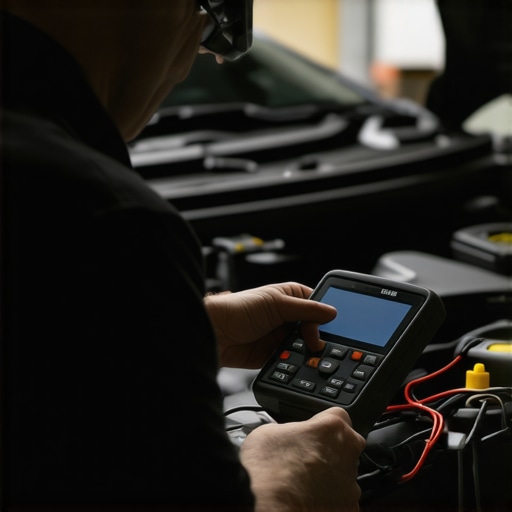
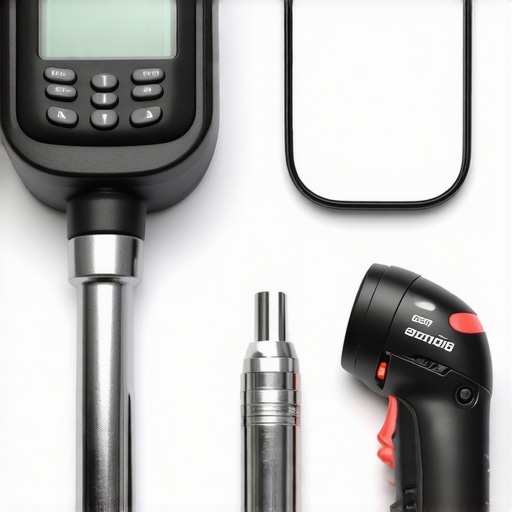
Having the right tools and systems in place is essential for maintaining your vehicle over the years, especially when it comes to complex systems like transmissions or ensuring genuine ASE-certified service. I personally rely on a digital inspection mirror and a high-quality torque wrench because they allow me to perform detailed checks and ensure components are correctly tightened, preventing future issues. For software diagnostics, I use OEM-specific scan tools, such as the Autel Maxisys MS908, which provide comprehensive data and help verify if transmission shifts are operating smoothly, something I recommend everyone to consider for proactive maintenance. As vehicles evolve into smarter systems, integrating advanced diagnostic tools will become even more crucial to stay ahead of wear and performance degradation.
Maximizing Long-Term Results
Consistent monitoring with apps like Fuelly or Carfax Maintenance Records helps track service intervals and alerts me to upcoming needs, like fluid changes or filter replacements. These digital logs enable me to schedule maintenance before problems escalate, such as transmission fluid deterioration or turbo oil sludge buildup. Additionally, employing methods like routine oil analysis—sending samples to labs for particle counting—provides early warning signs of engine wear, guiding more precise interventions. This data-driven approach ensures that each service, whether an oil change or transmission check, is optimized for longevity.
How do I keep my vehicle running smoothly over time?
Implementing a proactive maintenance schedule combined with quality tools helps prevent costly repairs and keeps everything working seamlessly. For instance, replacing transmission fluid at recommended intervals with OEM-approved products can dramatically extend component lifespan, preventing issues like gear lag or slipping. To assist with this, I use in-depth guides to select the correct synthetic oils and filters, such as those described in our article on [how to spot an ASE tech who actually knows your engine](https://autofixclinic.com/how-to-spot-an-ase-tech-who-actually-knows-your-engine), ensuring my vehicle receives the best care. Investing in precise diagnostic software and regularly inspecting key systems helps me avoid surprises, saving both time and money.
Future Trends in Car Maintenance
As automotive technology advances, expect diagnostic and repair tools to become more integrated and AI-driven, offering predictive maintenance capabilities. Vehicles will increasingly signal impending failures well before they manifest, and tools will analyze these inputs in real-time, guiding proactive interventions. Embracing these innovations now—like adopting smart inspection modules and cloud-based diagnostics—can give you a significant edge in vehicle care. For those interested in staying ahead, regularly updating your knowledge with trusted resources and tools is essential, especially as standards like the latest oil specifications and transmission fluids evolve.
Try adopting an onboard diagnostic app combined with professional-grade tools for a more comprehensive health check. This approach not only helps identify issues early but also empowers you to handle routine maintenance confidently, ensuring your car remains reliable for years to come.
The Lessons Hidden Beyond the Badge
One of the most valuable insights I learned is that appearances can be deceiving. A shiny, well-stitched ASE patch might look genuine, but without verification, it’s just a mask. I also realized that trusting signage and superficial signs can lead to costly mistakes—like assuming a shop is qualified because of their badges. Lastly, authenticity isn’t just about looks; it’s about ongoing training and proven skill, which only proper verification can confirm. These lessons taught me to be more diligent and to look deeper before trusting any mechanic’s words or symbols.
Tools and Resources That Made a Difference
My go-to resource has been the official ASE website, where cross-referencing certification IDs is straightforward and reliable. I also rely on detailed inspection tools like magnifying glasses to check patch stitching quality, ensuring I spot fakes early. For vehicle diagnosis, OEM-specific scan tools like the Autel Maxisys MS908 have proven invaluable—they help verify the performance of systems and avoid the pitfalls of unqualified labor. Additionally, websites like AutoFixClinic provide insights into best practices for maintenance, keeping me informed and prepared.
Your Role in Maintaining Vehicle Trust
Now, it’s your turn to empower your automotive decisions. Recognize that a badge isn’t a substitute for verification and remember that genuine certifications come from diligent, ongoing training. By combining visual checks with online verification, you ensure your vehicle receives the quality it deserves. Digital tools and trusted resources can help you stay one step ahead, saving you money and safeguarding your safety over the long haul. Keep curious, stay vigilant, and take control of your car’s health—your vehicle will thank you for it.