The Reason Your Steering Wheel Shakes Specifically at Highway Speeds
One evening, I was cruising down the highway, feeling pretty good about my car’s performance—or so I thought. Suddenly, my steering wheel started to shimmy and shake violently at 70 miles per hour. It was startling, almost like my car had a mind of its own. Frustration quickly turned to realization: this wasn’t just a minor annoyance; it was a signal that something serious was wrong. I’ve learned the hard way that ignoring these symptoms can lead to bigger, more costly repairs down the road.
Why Does My Steering Wheel Shake Only at Highway Speeds?
If you’re like I was, you might be wondering, “Why only at high speeds?” It turns out that this common issue often stems from imbalanced wheels, misaligned tires, or even worn suspension parts. During my own misadventures, I initially thought it was just a tire balance problem. But after several failed attempts at ‘quick fixes,’ I discovered that the root cause was something much more insidious—something an ASE-certified technician could have spotted early on. To avoid unnecessary expenses, it’s crucial to understand the real causes behind this shaking.
Is This Car Problem Really Worth the Fuss?
Now, I’ll admit, I was skeptical at first. Like many, I believed that a bit of vibration was just part of owning a car that’s been around the block. However, I made a costly mistake early on by ignoring the warning signs. That led to uneven tire wear and even damage to my steering rack. Don’t let this happen to you. When in doubt, get your alignment checked. Proper maintenance can save you hundreds, maybe thousands, over time.
In the sections ahead, I’ll walk you through the common reasons your steering wheel might shake and what practical steps you can take to fix it—without spending a fortune or trusting just any mechanic. But first, let’s get honest about a mistake I made that you definitely should avoid.
My Early Mistake: Jumping Straight to Cheap Repairs
When I first noticed my car vibrating, I took it to the cheapest shop I could find. That was a mistake. They quickly rotated my tires and charged me a small fee. Little did I know that without a comprehensive inspection, the real problem could persist—and sometimes even worsen. This experience taught me that trusting cheap, quick fixes often leads to more problems down the line. Instead, I now prioritize thorough diagnostics, and I recommend you do too. For detailed guidance, consider reading about common signs that your car service was actually done right, like the three key indicators.
Ready to uncover what’s really making your steering wheel shake and discover the smartest ways to fix it once and for all? Let’s dive into the root causes and get your drive smooth again.
,
Perform a Visual Inspection of Your Wheels and Tires
Start by parking your vehicle on a level surface and inspecting all four tires for uneven wear, cracks, or embedded objects. Use a flashlight to check for any sidewall bulges or cuts. This initial check can reveal obvious issues like a bent wheel or a nail that could cause imbalance. When I noticed my steering wheel wobbling, I first re-examined my tires and discovered a flat spot—an easy fix that I overlooked before heading to the shop.
Verify Tire Balance and Alignment
Next, ensure your wheels are properly balanced and aligned. If your car has been driven over potholes or curbs, misalignment can cause shaking at highway speeds. I remember taking my car to a shop that used a state-of-the-art balancer. They showed me the imbalance—one wheel had 0.3 oz more weight than the rest. Rebalancing immediately smoothed out my ride. For a DIY check, you can review https://autofixclinic.com/the-simple-visual-test-that-proves-your-synthetic-oil-is-actually-new to see how detailed visual tests can help spot issues early.
Check and Replace Worn Suspension Components
Worn or damaged suspension parts like tie rods, ball joints, or sway bar links can cause instability. Use a pry bar to gently test for excessive play or looseness in these components. During my troubleshooting, I replaced worn tie rods, which completely eliminated the steering shimmy. Don’t forget: a loose suspension part is like a loose screw in a machine—it can vibrate violently under stress. A trusted method is consulting with an ASE-certified technician—learn how to spot fake certifications here: https://autofixclinic.com/what-to-know-about-ase-certifications-before-letting-anyone-work-on-your-car.
Assess and Replace Worn or Damaged Wheel Bearings
Wheel bearings enable smooth rotation; if they degrade, you’ll feel vibrations and hear humming noises. Jack up your car and rotate each wheel by hand, checking for resistance or roughness. I replaced my worn wheel bearings following a guide I found online, which was a messy process but well worth it for the quietness after. If you’re unsure, have a mechanic perform a bearing test rather than risking a roadside failure.
Tackle Brake System and Rotors
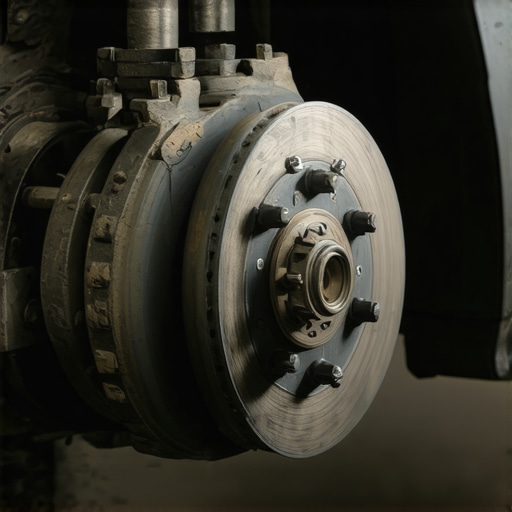
Warped rotors or sticking brake calipers can transmit vibrations through the steering wheel. Remove your wheels and visually inspect rotors for warping or grooves. You might be able to feel a pulsation when applying brakes that correlates with the vibration. During my fix, resurfacing or replacing warped rotors restored smoothness at high speed. For detailed rotor assessment, https://autofixclinic.com/why-your-transmission-shudders-when-you-hit-40-mph is a helpful resource, especially since brake issues can sometimes masquerade as suspension problems.
Perform a Comprehensive Alignment Check
Misaligned wheels cause uneven tire wear and instability. Use a professional alignment service or a DIY laser alignment tool if you have experience. After alignment, I noticed a significant reduction in steering shake. Remember, even a minor misalignment can escalate during highway travel, so it’s a critical step. You might also want to verify your oil quality, which affects overall vehicle performance—learn how to spot fake synthetic oil here: https://autofixclinic.com/the-simple-visual-test-that-proves-your-synthetic-oil-is-actually-new.
Test Drive and Fine-Tune
Once you’ve addressed the potential issues, take your car for a test drive. Accelerate gradually to highway speeds and steer straight. If the shaking persists, revisit previous steps or consult a professional. My experience shows that systematically ruling out each cause saves money and prevents unnecessary parts replacements. Remember, a shaky steering wheel isn’t just an annoyance—it’s a warning sign that shouldn’t be ignored.
Many car owners believe that basic oil changes and ASE certification guarantee long-term vehicle health, but beneath the surface lie nuances that often go unnoticed. For instance, the notion that all ASE-certified technicians provide the same quality service is a misconception; in reality, certification verifies specific skills but doesn’t guarantee thorough diagnostics or honesty. Relying solely on standard oil changes without considering synthetic alternatives or evaluating oil quality can lead to engine wear—checking your synthetic oil’s freshness with this visual test helps ensure you’re protecting your engine effectively. Additionally, many assume that transmission issues are solely related to fluid levels; however, modern transmissions require precise fluid specifications and regular flushing—avoiding the trap of neglecting this can prevent costly repairs. One common myth is that premium oils always last longer; while they often have better properties, they still need to be changed at appropriate intervals, especially in complex, GDI engines prone to carbon build-up, which can be mitigated through specialized cleaning. Advanced mistakes like ignoring the importance of proper filter quality, particularly in high-performance or hybrid vehicles, can accelerate wear—consider the risks of fake filters and learn how to spot them. A misguided belief is that quick, inexpensive oil filters are sufficient, but studies show that using high-grade filters not only ensures better dirt and metal particle capture but also prolongs engine life. What most fail to recognize is that maintenance is a balance of timely interventions, quality parts, and understanding your vehicle’s unique demands. Skipping or delaying these steps might save pennies upfront but costs much more long-term. Make sure to stay vigilant, and don’t fall for easy myths. Have you ever fallen into this trap? Let me know in the comments.
How do I maintain my vehicle over time?
Staying on top of your car’s health requires the right tools and a strategic approach. I personally rely on a few key pieces of equipment that have proven invaluable for diagnosing issues early and performing routine maintenance effectively. One must-have is a quality OBD-II scanner. I use the BlueDriver because it pairs seamlessly with my smartphone, providing detailed codes and real-time data that help me understand my vehicle’s inner workings without expensive trips to the shop. This device is especially handy when monitoring complex systems like turbochargers or transmissions, which can sometimes throw confusing codes.
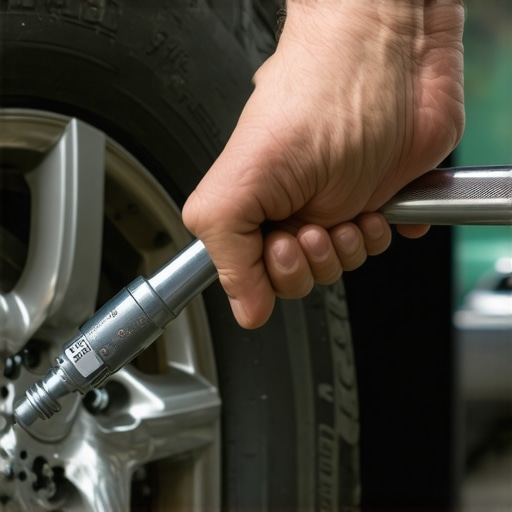
Another essential is a set of precision torque wrenches. Precise torque application is critical, especially when working on critical components like wheel hubs or suspension parts. I prefer the GearWrench Electronic Torque Wrench for its digital readouts, ensuring I tighten bolts to manufacturer specifications. Over-tightening or under-tightening can accelerate component wear or cause safety issues, so accurate tools save both money and stress.
When it comes to fluid management, I advocate the use of a dedicated oil extractor pump. This tool allows me to change synthetic oils more cleanly and efficiently, reducing contamination risks. Plus, it makes checking and replacing fluids like transmission and brake fluid straightforward. I’ve noticed that consistent fluid upkeep—guided by professional resources like these guidelines—significantly extends component life and smooths operation.
Software-wise, I use diagnostic platforms that are compatible with my scanner. Apps like OBDeleven or Car Scanner provide not just error codes but also live sensor data and adaptation functions. These tools help me monitor engine health, transmission status, and even tire pressures remotely. As technology advances, I predict these digital diagnostics will become even more integrated, offering real-time alerts that can preempt failures before they happen.
For maintenance over the long haul, setting a schedule aligned with your vehicle’s specifications is paramount. I follow manufacturer recommendations and cross-reference with credible sources like ASE guidelines to keep my vehicle performing optimally. Remember, conventional wisdom isn’t enough; investing in the right tools ensures you catch issues early and perform repairs correctly the first time.
Start by trying out a professional-grade OBD-II scanner—it’s a game-changer. Regularly check your fluid levels and quality, especially if you drive a GDI engine (gasoline direct injection), known for carbon build-up issues. Keep tools like torque wrenches and fluid extractors handy, and educate yourself with trusted resources. With these strategies and equipment, you’ll not only extend the life of your vehicle but also gain peace of mind every time you hit the road.

The Surprising Lessons Behind Reliable Car Service
Through my journey with car maintenance, I’ve realized that the most valuable insights aren’t always advertised. The real lesson? Many safeguards we assume to be standard—like ASE certification—don’t always guarantee thorough diagnostics. I once trusted a technician solely because of their badge, only to discover overlooked signs that could have prevented costly repairs. It’s about learning to read between the lines and trusting your instincts, especially when dealing with complex systems like transmissions.
Tools and Resources That Transformed My Approach
Over time, I found that investing in a high-quality OBD-II scanner, such as the BlueDriver, empowered me to catch issues early. Regularly checking fluid quality with simple visual tests, detailed methods for synthetic oil validation, and understanding when parts like wheel bearings or tie rods need attention have been game-changers. These tools aren’t just gadgets—they’re your first line of defense against unpredictable breakdowns, especially in high-mileage or complex vehicles.
Keep Moving Forward and Trust Your Gut
Remember, every shake, squeal, or hesitation tells a story—listen carefully. Embrace the process of regular checks, learn about your vehicle, and don’t shy away from asking your mechanic pointed questions like these critical inquiries. Your car isn’t just a machine; it’s an extension of your care and attention. When you combine knowledge, the right tools, and a vigilant attitude, you transform vehicle maintenance from a chore into a dependable part of your routine. So, will you take charge and become the expert your car needs? I’d love to hear your thoughts—what challenges have you faced with your transmission or oil changes? Drop your experience below, and let’s learn together.