How to Diagnose a Whining Noise in Your Rear Differential
Ever been cruising down the highway when suddenly, you hear a strange, high-pitched whine coming from the back of your vehicle? It’s enough to make your stomach tighten—especially when you realize it’s been there for a while, but you just hoped it would disappear on its own. I remember the first time I encountered this issue; I was miles from home, and that persistent whining was growing louder, turning what should have been a relaxing drive into a nerve-wracking puzzle. It hit me — I needed to figure out what was wrong before something costly happened.
Spotting the Real Culprit Behind the Whining
In my early days of DIY car troubleshooting, I made the mistake of ignoring odd noises, thinking they’d go away or that they weren’t serious. Big mistake. That small whine turned out to be a signal that something in my rear differential was on its way to failing. The good news? With a bit of patience and some basic knowledge, I learned how to diagnose this kind of noise myself.
Today, I’ll take you through the steps I wish I had known from the start. We’ll look at common causes, how to listen for specific signs, and when it’s time to call in a professional. Because let’s face it—diagnosing a whining noise can be tricky if you’re new to the game, but it’s possible to get a good handle on it without tearing your vehicle apart.
Have you noticed that whining sound and wondered if it’s serious? Keep reading—I’ll help you sort out what’s happening under your car and, more importantly, how to fix it before it becomes a costly repair.
Is the Whining Actually a Major Problem Worth Worrying About?
One thing I learned early on was not to jump to conclusions based on noise alone. That persistent whine could be a simple thing like low differential fluid, or it could be a sign of worn gears or bearings. My biggest mistake was assuming it was nothing, which only led to more expensive repairs down the line. Now I know, and I want to save you that headache. If you’re curious about more transmission-related tips that can prevent costly breakdowns, you might want to check out this detailed guide on [transmission troubleshooting](https://autofixclinic.com/transmission-troubles-expert-insights-for-smooth-shifting). It’s packed with insights that can help you stay ahead of issues before they hit the repair shop.
As always, the key is catching the problem early. Let’s dive into the specifics of diagnosing that elusive whine and how to tackle it head-on.
Locate the Source of the Whine
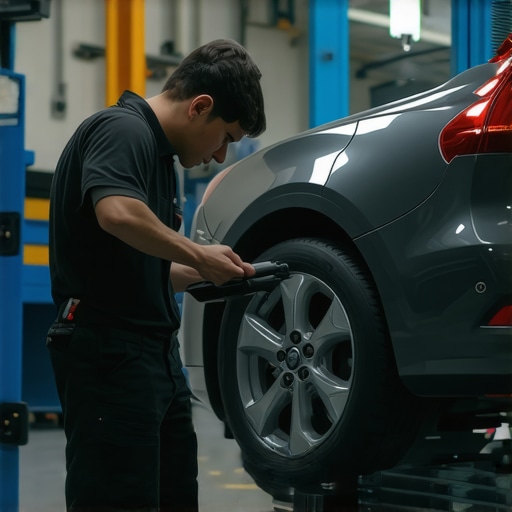
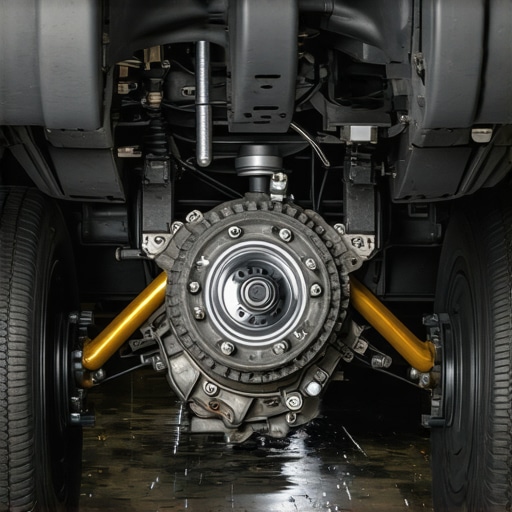
First, get under your vehicle safely using jack stands or a lift. Listen carefully to pinpoint where the whining originates—rear, front, or engine bay. During my own experience, I crawled under my car on a rainy day and used a mechanic’s stethoscope to isolate the sound. It turned out to be the differential, a common culprit that often suffers from low or degraded fluid.
Check Differential Fluid Levels
Start by locating your differential, typically at the rear axle. Remove the fill plug and use a clean finger or a dipstick to assess fluid level and condition. If the fluid is low or smells burnt, it’s time for a change. Low fluid reduces lubrication, causing gears to grind and produce that high-pitched whine. This step is a quick fix and can prevent further damage.
Refilling differential fluid is straightforward—use the manufacturer’s recommended gear oil, often indicated in your owner’s manual. Remember, overfilling can cause foaming and slippage, so fill to the proper level. If you’re unsure, consult a trusted professional service for assistance.
Examine Drive Belts and Alternators
Sometimes, the whining isn’t from the differential but from a slipping serpentine belt or failing alternator. These components produce a squeal when they’re worn or loose. I once replaced a failing belt after noticing the noise intensified on hot days, which made my car sputter occasionally. To inspect belts, visually check for cracks, fraying, or glazing. Use a belt tension gauge or press down on the belt midway—if it deflects more than half an inch, it’s too loose. Tightening or replacing the belt can eliminate the noise.
Assess Transmission Fluid Quality
If your whining occurs during acceleration or shifting, the transmission might be at fault. Transmission fluid acts like blood—lubricating and cooling critical parts. Dark, burnt-smelling fluid signifies degradation. I once changed my transmission fluid following a rough shift, and the improvement was immediate. Use a transmission fluid that meets your vehicle’s specifications. Regularly scheduled oil changes and fluid replacements can stave off many issues, including whining noises.
Inspect the Wheel Bearings and Axles
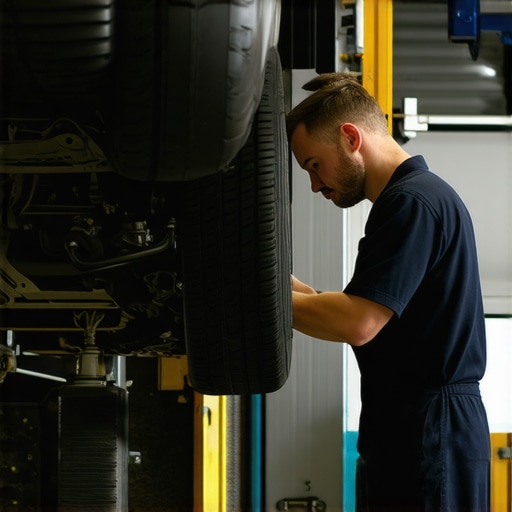
Wheel bearings can create a whining or humming sound if worn. A quick test: with the vehicle on a lift or jack, grasp the wheel at 12 and 6 o’clock positions, then rock it—excessive play indicates worn bearings. During my own diagnosis, I noticed the tires had uneven wear on the inside edges. Replacing the bearings and aligning the wheels resolved the issue. Always consider professional help for precision repairs, or learn more about choosing proper car service.
When to Call in the Pros
If these steps don’t resolve the noise or if you’re unsure about performing them safely, it’s wise to consult a certified mechanic—preferably ASE-certified, which guarantees a standard of expertise. They can perform a thorough diagnosis, including checking for worn gears, bearings, or internal transmission issues. Sometimes, a complex problem like damaged planetary gears requires professional repair to prevent further damage or breakdown. Remember, early detection helps you avoid costly repairs later, and routine maintenance is your best defense against unexpected noises.
When it comes to vehicle upkeep, there’s a lot of misinformation that can lead even seasoned car owners astray. One common misconception is that all transmission fluids are interchangeable; in reality, using the wrong type, such as a universal transmission fluid instead of the specific formulation recommended by your manufacturer, can accelerate component wear and cause costly failures. This is a trap many fall into, assuming that a generic fluid will do the job, but as outlined in [the critical nuances of transmission fluid](https://autofixclinic.com/the-hidden-cost-of-using-universal-transmission-fluid), compatibility matters immensely.
Another myth is that once you service your vehicle at an ASE-certified shop, you’re completely shielded from future issues. While ASE certification does indicate a high standard of technician training, it doesn’t guarantee that all maintenance was optimal or that follow-up care isn’t necessary. In fact, understanding what an ASE certification truly signifies can help you question and verify services, ensuring ongoing vehicle health. Dive deeper into this topic with [what ASE certification actually means](https://autofixclinic.com/what-does-an-ase-certification-mean-for-your-cars-maintenance).
Many drivers also believe that oil changes are only necessary after a set mileage or time interval, but overlooking the importance of quality oil and the specifics of your engine’s needs can be a mistake. For example, some high-performance engines require synthetic oils with specific additives; using conventional oil might compromise engine longevity. To optimize your engine health, consider [the top oil change tips for 2025](https://autofixclinic.com/top-oil-change-tips-for-safe-driving-in-2025), which emphasize tailored approaches over one-size-fits-all routines.
Furthermore, there’s a tendency to ignore minor signs of transmission issues, such as slight slipping or unusual noises, assuming they will resolve themselves. This common oversight can lead to severe damage. A prime example: neglecting early warning indicators might cause transmission failure, which experts warn could be avoided with timely intervention. Learn more about how to spot these signs before they escalate by visiting [the expert insights on transmission troubleshooting](https://autofixclinic.com/transmission-troubles-expert-insights-for-smooth-shifting).
Now, consider this: How many of us rely solely on the brand reputation or certification status without understanding the subtleties of car maintenance? Recognizing the hidden nuances—such as choosing the correct fluids, understanding the scope of certifications, and respecting the importance of regular, tailored service—can dramatically extend your vehicle’s lifespan.
**Are you falling into these common traps, or have you uncovered your own hidden pitfalls in car maintenance? Share your experiences and questions in the comments below!**
Remember, being informed is the first step to smarter, more cost-effective vehicle care. For more in-depth guidance, always consult trusted sources and consider professional advice tailored to your specific vehicle and driving habits.
Getting the Right Equipment for Long-Term Success
Maintaining your vehicle effectively requires investing in specific tools that offer precision and durability. Personally, I rely on a high-quality digital torque wrench for all bolt tightening tasks. Unlike basic models, my torque wrench provides accurate readings down to 1 ft-lb, ensuring I don’t over-tighten sensitive components like control arms or wheel lugs. This precision not only prolongs the life of parts but also prevents costly failures over time.
Another indispensable piece of equipment is an automotive scan tool. I use a Bluetooth-enabled OBD-II scanner compatible with my smartphone, which allows me to monitor real-time data and quickly identify issues, such as transmission trouble codes, before they escalate. This proactive approach aligns with the future of car maintenance, where diagnostic software will increasingly automate troubleshooting tasks, saving both time and money.
For fluid maintenance, I swear by a good fluid extractor pump. It simplifies the process of changing fluids like oil or transmission fluid, especially in awkward or hard-to-reach spots. My favorite model has a transparent hose that allows me to see the fluid flow, minimizing messes and ensuring I remove the maximum amount of old oil without overfilling during refill.
In addition, a quality car jack and jack stands are non-negotiable. I opt for a telescoping hydraulic jack that offers a wide lifting capacity and ease of use, minimizing physical strain and enhancing safety during tire rotations or differential checks. Remember, always ensure your jacks and stands meet SAE standards and are rated for your vehicle’s weight—safety first!
How do I keep my tools in top shape over time?
Regular calibration and cleaning are essential. For instance, my torque wrench’s calibration is checked annually using certified calibration services, which prevents accuracy drift. Keeping tools clean and properly stored in a dedicated toolbox prevents rust and damage, extending their lifespan significantly. When dealing with sensitive tools like my scan tool or torque wrench, I also ensure the batteries and internal electronics are checked periodically.
Looking ahead, the trend is shifting toward smarter tools integrated with cloud-based diagnostics and AI-driven recommendations. Imagine a future where your car’s maintenance history is stored in a secure cloud, automatically suggesting parts replacements or service intervals based on driving habits. Adopting current advanced tools now can prepare you for this seamless, intelligent maintenance ecosystem.
If you haven’t yet, try out a digital torque wrench for your next maintenance—its precision will surprise you and help prevent over-torquing that might cause long-term damage. Plus, syncing a Bluetooth scanner with your smartphone makes proactive diagnostics more accessible and affordable than ever.
For continued success, remember to choose tools that meet industry safety standards, like those recommended by the ASE certification guidelines. Regular maintenance of your tools is just as vital as servicing your vehicle—well-maintained tools ensure accurate work and extend their usability, saving you money and stress down the line. Take control of your vehicle care today by outfitting yourself with reliable, precise equipment, and watch your car’s longevity improve exponentially.
Lessons from the Trenches of Car Care
One of the most eye-opening lessons I learned was that not every noise or warning sign means doom; often, it’s a subtle nudge from your vehicle to pay attention. I used to dismiss minor shifts or whispers under the hood, thinking they were normal wear. But overlooking those signs cost me dearly—a failed transmission that could have been avoided with timely fluid checks or professional diagnosis. Now, I understand that every squeal or hesitation is an opportunity to dig deeper, learn, and prevent costly repairs.
Another revelation was how crucial using the correct fluids is. Switching to a universal transmission fluid without verifying compatibility was a trap I fell into, leading to more wear and tear. Reading through this guide saved me from future mishaps, emphasizing the importance of following manufacturer recommendations. Trust me, these tiny details can be the difference between a smooth ride and a costly overhaul.
And finally, embracing ongoing education about car maintenance transformed my approach. Attending workshops, reading credible sources, and investing in reliable tools turned me from a reactive car owner into a proactive guardian of my vehicle’s health. It’s empowering to know that with the right knowledge and attitude, you can extend your car’s lifespan significantly and save money in the process.
My Toolkit for Reliable Car Maintenance
Over the years, I’ve gathered some indispensable tools that every car enthusiast or responsible owner should consider. A certified ASE technician’s advice guided me to invest in a high-precision digital torque wrench, ensuring bolts are tightened correctly without damaging components. For diagnosing issues early, a Bluetooth-enabled OBD-II scanner has been a game-changer, making real-time monitoring accessible and affordable.
Changing fluids has become less of a chore thanks to a quality fluid extractor pump—getting old oil or transmission fluid out is now quick and clean. And safety isn’t compromised with a sturdy hydraulic jack and well-rated jack stands, which provide peace of mind during DIY repairs. Regular calibration and maintenance of my tools, inspired by industry standards, keep everything performing accurately, helping me avoid sneaky mistakes that could jeopardize safety and long-term reliability.
Your Next Step in Car Confidence
The world of transmission, oil changes, and professional car service is complex but immensely rewarding. With each preventive step, from checking differential fluid to choosing the right ASE-certified shop, you’re building resilience against unexpected breakdowns. Embrace continuous learning, invest in quality tools, and stay vigilant for signs like whining noises or shifting issues. Your vehicle’s health isn’t just about avoiding repairs; it’s about feeling confident on every journey you take.
What’s the first step you plan to take today to improve your car maintenance routine? Share below—I’d love to hear your plans and experiences!
,