How to Protect Your Car’s Undercarriage From Rust This Winter
I remember the chilly morning when I first noticed that dreaded reddish-orange streak creeping along my car’s underside—an unmistakable sign of rust beginning to take hold. That moment hit me like a punch to the gut. As someone who’s spent years tinkering with engines and keeping my vehicle in top shape, I knew preventive action was essential. But I also realized many drivers overlook this silent threat, especially with winter approaching.
Why Winter Is the Most Critical Time to Guard Against Rust
Winter brings more than just icy roads; it ushers in a host of conditions that accelerate undercarriage corrosion. Salt, brine, and moisture settle into every nook and cranny, setting the stage for rust to establish itself before you even realize it. I’ve learned from my own experience that neglecting this can lead to costly repairs down the line—trust me, replacing a rusted-out frame isn’t exactly budget-friendly. Ensuring your vehicle’s undercarriage stays protected isn’t just about aesthetics; it’s about safety, longevity, and saving money in the long run.
Wondering if Protecting the Undercarriage Is Really Worth the Effort?
I used to shrug off the importance of undercarriage treatments until I made the mistake of ignoring it during a particularly harsh winter. By spring, my car’s frame had developed significant corrosion, and I had to invest in repairs that could have been avoided. I learned the hard way that proactive steps, like proper cleaning and applying rust-proof coatings, are vital. To deepen your understanding, check out how certified technicians, especially those with ASE certification, recommend maintaining your car’s structural integrity.
So, if you’ve ever faced the frustration of discovering rust just when you thought it was too late—trust me—you’re not alone. In the upcoming sections, I’ll share practical, easy-to-implement strategies to shield your undercarriage from winter’s relentless assault. Let’s dive into what you can do today to prevent your vehicle from turning into a rusty relic and keep it running smoothly for many winters to come.
Start with a Thorough Underbody Inspection
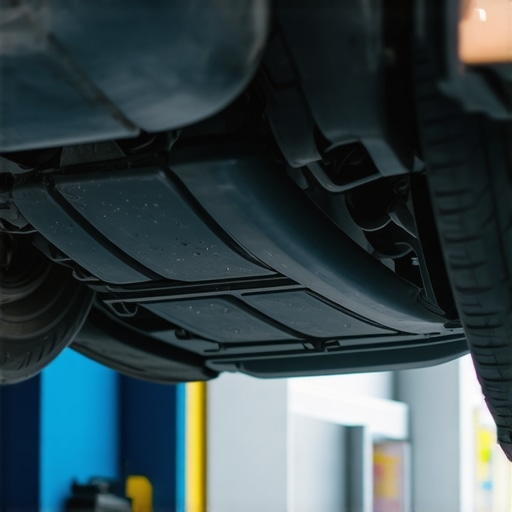
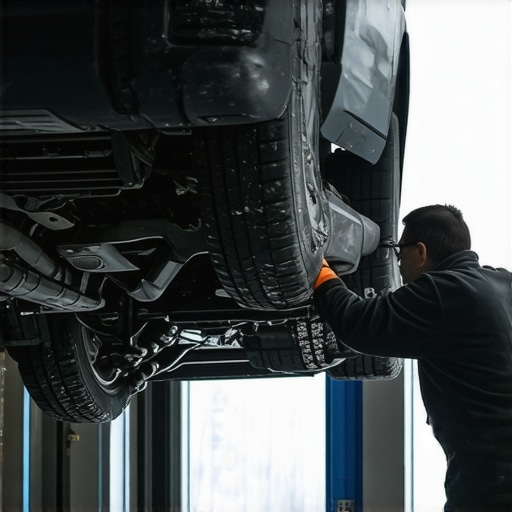
Before winter hits, crawl under your vehicle and look for existing rust spots or damage. This step is crucial because addressing minor issues early prevents them from worsening. During my own winter prep, I spent an hour with a flashlight and a mirror, discovering a small scrape near the wheel well that I cleaned and treated immediately. This proactive approach saved me from costly repairs later.
Clean the Undercarriage Regularly
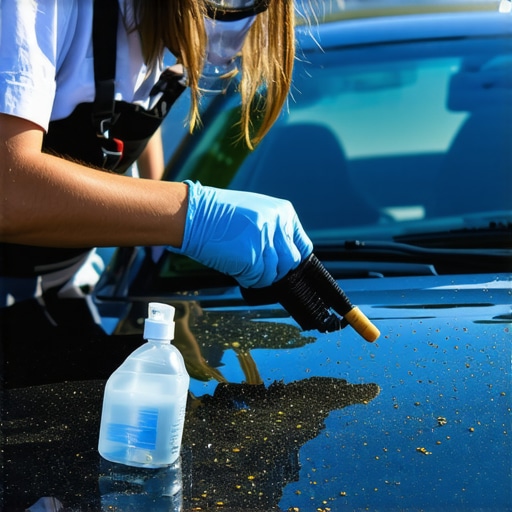
Salt and grime accumulate quickly, accelerating corrosion. Use a high-pressure hose or a professional cleaning station to wash your undercarriage at least once a month during winter. I once used a garden hose with a spray nozzle to rinse off the salt after driving on salted roads. Adding a degreasing solution helped remove stubborn grime, leaving the metal surfaces clear of corrosive materials. This routine maintenance is vital and should not be skipped.
Apply a Quality Rust-Proof Coating
Once clean, coat your undercarriage with a vapor or oil-based rust inhibitor. These products create a protective barrier that repels moisture and salt. During my last application, I used a spray-on rubberized undercoat, which I applied evenly to all vulnerable areas. It took about an hour, but I noticed an immediate difference. For the best results, consider having a professional technician, especially one with ASE certification, handle the job for optimal application.
Protect Vulnerable Components and Seals
Focus on wheel wells, frame rails, and exhaust parts, which are most prone to rust. Use a spray sealant or a wax-based coating on these spots. I personally used a silicone-based spray, which provided a flexible, durable layer. Regular reapplication every few months maintains protection, especially after snowstorms. Remember, neglecting these areas can lead to leaks or structural failures that compromise safety.
Consider Professional Rust Prevention Treatments
If DIY isn’t your style, professional services offer advanced options like hot-dip galvanizing or undercoating with specialized compounds. These treatments are more extensive but provide long-term protection. I opted for a professional undercoating service, and within a few days, my vehicle felt securely protected. Trusting experienced technicians, particularly those familiar with your vehicle type, ensures you get the most effective treatment.
Maintain Your Vehicle with Regular Mechanical Checks
In addition to rust prevention, stay on top of essential maintenance. Regular oil changes, for example, prevent engine stress during cold weather—learn more about how oil changes extend vehicle life. Similarly, a well-maintained transmission, checked by an ASE-certified technician, ensures smooth shifting despite winter’s challenges. Proper maintenance prevents small issues from snowballing into expensive repairs, preserving your vehicle for years to come.
Monitor and Address Rust Issues Promptly
Even with prevention, stay vigilant. If you notice bubbling paint, rust holes, or creaking sounds, address them immediately. Treat rust spots with a rust converter and reapply protective coatings as needed. Early intervention can stop corrosion from spreading and saving you significant costs. I remember catching a tiny rust spot on the frame during a routine service, and promptly sealing it. That quick action prevented the problem from worsening and extended my vehicle’s lifespan.
Many car owners believe that sticking to basic service routines is enough to keep their vehicles running smoothly, but deeper nuances often go unnoticed. For instance, a widespread misconception is that an oil change is solely about changing the filter and adding new oil; however, the type of oil used and the service interval tailored to your driving habits are critical factors. Using synthetic oil, especially in modern GDI engines, offers superior protection and fuel efficiency, a point emphasized by experts. Moreover, many assume that a simple transmission flush restores optimal function, but in reality, understanding the specific transmission issue—like slipping or hard shifts—is essential before choosing the right maintenance approach; check out insights on transmission troubleshooting. An often-overlooked detail is the significance of ASE certification; technicians with this credential are trained to diagnose complex issues accurately, ensuring longevity and safety for your vehicle. Don’t fall for the trap of cheap, quick fixes without proper diagnostics. Instead, focus on comprehensive care by consulting qualified professionals. Did you know that neglecting small irregularities detected during routine checks could lead to costly repairs or breakdowns? This is why a proactive approach—like regular mechanical checks—can save hundreds or thousands in the long run. A common mistake is assuming that vehicle maintenance is only necessary when symptoms appear; the truth is, preventive care, especially with advanced components like modern turbo engines, requires staying ahead of issues through scheduled inspections and fluid analysis. For example, understanding how to identify early signs of transmission overheating can prevent catastrophic failures—see diagnosing slipping. A crucial advanced tip is ensuring that your service provider thoroughly verifies ASE credentials and uses the correct parts, which can be confirmed through their online profiles or at contact page. Falling into these misconceptions can cost more over time, so educate yourself on the finer points of vehicle maintenance. Are you aware of the subtle signs that indicate your car might need more than just an oil change? For insightful guidance, exploring reputable sources and certified technicians will help you make informed decisions. Remember, proactive, nuanced maintenance is your best defense against unexpected breakdowns and expensive repairs. Have you ever fallen into this trap? Let me know in the comments.
Keeping it Working with the Right Tools
Having the proper equipment is vital for anyone serious about maintaining their vehicle, especially when aiming for long-term durability and safety. I personally swear by a few specific tools that make diagnostics and repairs more accurate and less stressful. For example, a high-quality OBD-II scanner, like the Autel MaxiCOM series, provides immediate insights into engine issues, transmission troubles, and sensor malfunctions. It’s a game-changer, especially when diagnosing complex problems without immediately rushing to a mechanic. Additionally, a digital multimeter from Fluke ensures accurate readings of electrical components, which is crucial when verifying battery health or inspecting wiring integrity—simple checks can save you from costly replacements down the line.
When it comes to fluid inspections, I rely on a precision oil extractor — the Pela 6000 — which allows me to change engine oil quickly and thoroughly without the mess of traditional draining. Consistent and accurate oil management extends engine life and maintains peak performance, especially if you follow recommended oil change tips. For transmission diagnostics, I use a dedicated transmission scanner that can read live data, providing real-time insights that device from general-purpose tools can’t capture. This aligns with expert advice highlighting the importance of specialized diagnostic tools for transmission performance.
How do I maintain my tools over time?
Keeping your diagnostic and repair tools calibrated and clean is essential. Regularly update your software for scanners, store them in dry, static-free environments, and check soldered connections or batteries every few months. I also recommend revisiting manufacturer manuals or trusted online forums to stay informed about upgrades or best practices. Investing in quality tools isn’t just about immediate fixes—it’s preparing for reliable, ongoing maintenance that saves money and time in the long run. As technology advances, tools like cordless electric impact wrenches have become indispensable, especially for scalable projects like suspension replacements or transmission work. My advice is to select tools that are backed by certifications or endorsements, such as those from the Automotive Service Excellence (ASE), ensuring professional-grade reliability. To verify your technician’s credentials, I suggest reviewing their ASE certification status through their official portal, which can be linked via their profile or at this page.
Looking ahead, the trend points toward smarter, wireless diagnostic tools integrated with mobile apps, allowing even hobbyists to perform sophisticated analysis. This evolution will empower vehicle owners and DIY enthusiasts to catch issues earlier, ensuring their cars stay in prime condition for years. So, I challenge you to try one of these advanced tools—perhaps investing in a quality OBD-II scanner—and experience how it transforms your approach to vehicle care. Your future self will thank you for the efforts you make today to keep your vehicle in top shape.
The Hardest Lesson I Learned About Car Service, Oil Change, Transmission, ASE Certified
One of the most profound lessons I’ve gleaned from years of vehicle maintenance is that neglecting the undercarriage during winter can lead to irreversible damage and costly repairs. I once dismissed minor rust spots, thinking they were superficial, only to discover how quickly corrosion can compromise structural integrity. Now, I know firsthand that early intervention and regular inspections, especially with advice from ASE-certified technicians, are essential to avoid those expensive surprises.
My Toolbox for Winter-Proofing Your Vehicle
Over time, I’ve come to trust a set of specific tools that make rust prevention and maintenance more manageable. My high-quality OBD-II scanner from Autel helps me catch engine issues early, while a Fluke digital multimeter ensures electrical systems are in top shape—both critical during cold months. Additionally, I rely on the Pela 6000 oil extractor for efficient oil changes, ensuring my engine runs smoothly regardless of the weather. These tools, combined with professional services like expert undercoating, provide peace of mind and extend vehicle lifespan.
Your Next Step: Protect, Inspect, and Thrive
Now, it’s your turn to take charge of winter vehicle care. Start with a thorough underbody inspection, followed by regular cleaning to wash away salt and grime. Apply a robust rust-proof coating and don’t hesitate to seek professional treatments if needed. Remember, proactive maintenance not only shields your car from rust but also keeps it performing reliably for years to come. Equip yourself with the right tools and knowledge, and your vehicle will thank you every winter.
Have you ever struggled with identifying early signs of rust or corrosion?
Share your experiences or questions below—I’d love to hear what’s worked for you or any challenges you’ve faced in maintaining your vehicle during winter months.