
Why Your Gearbox Shudders Specifically When You Reverse Up a Hill
I vividly remember the moment it hit me—my car was struggling like a stubborn mule every time I tried to reverse up that steep driveway. The gearbox would shudder, a jarring jerk that felt like it was protesting every inch. At first, I thought it was just a hesitation or maybe a tired clutch, but it became worse over time. That unsettling feeling turned into a lightbulb moment for me: there’s more lurking beneath the surface than I initially understood.
Pinpointing the Mystery Shudder: What’s Really Going On?
Many of us have experienced that strange jerking when reversing uphill, and it’s tempting to dismiss it as normal or minor maintenance. But trust me, ignoring it can lead to bigger, more expensive problems down the line. From my own repair adventures and countless hours speaking with ASE-certified technicians, I’ve learned that this symptom often signals that your transmission or related components aren’t operating smoothly. And the worst part? It usually sneaks up on you when you least expect it.
If your vehicle shudders during reverse on inclines, you’re not alone. It might be a sign that your transmission fluid is contaminated or low, or that a solenoid is failing—problems that can often be remedied if caught early. In fact, even something as simple as a fluid change can make a world of difference. To get better insight into what causes this issue, I recommend checking out our detailed guide on [7 signs your 2026 transmission needs a software flash](https://autofixclinic.com/7-signs-your-2026-transmission-needs-a-software-flash). This is a common culprit behind shifting woes.
But before you start panicking about costly repairs, it’s crucial to understand what exactly is triggering that shudder. Early mistakes, like ignoring the problem or using the wrong type of oil, can worsen the damage. I remember trying to save a few bucks with generic oil—big mistake. That’s a mistake I won’t make again, and I want you to avoid it too.
In this post, I’ll guide you through practical steps to diagnose and fix your gearbox shudder, so you won’t have to suffer through that nerve-wracking experience any longer. Ready to take control of your car’s health? Let’s dive into what’s really going on and how to get your transmission back to smooth, confident shifting.
Check Your Transmission Fluid First
Begin with inspecting the transmission fluid level and condition. Locate the dipstick, usually near the engine, and pull it out to examine the fluid. It should be clear, reddish, and free of particles. If low or dark, replace or top it up—using the correct type is crucial. I once ignored this step, and my shudder worsened. After a fluid change with genuine synthetic oil, the problem vanished, restoring smooth reverse gear performance. For more on fluid specifics, see this guide.
Perform a Visual Inspection of Components
Look for leaks, worn-out seals, or damaged pipes, especially around the transmission housing. Check for corrosion or burnt smell, which hints at overheating or contamination. When I checked my older truck, I found a cracked seal that was causing low fluid levels. Replacing it was straightforward and cost-effective, preventing future damage. Remember, failing to catch leaks early can lead to more serious issues; consider consulting an ASE-certified technician for detailed diagnostics.
Test Solenoids and Sensors
Shuddering during reverse can be linked to malfunctioning solenoids, which control fluid flow within the transmission. Using a scan tool, connect to your vehicle’s OBD-II port and check for error codes related to shift solenoids. If you notice codes like P0700 or P2714, replacing the faulty solenoid could resolve the issue. I once replaced a subpar solenoid based on scanner info, and my reverse shudder was gone. For detailed diagnostics, professionals recommend specific testing procedures; see this article.
Flush and Replace Transmission Fluid
Old or contaminated fluid hampers valve operation, leading to shudders and slipping. Use a transmission fluid flush machine to remove old fluid thoroughly. Select a high-quality synthetic oil rated for your vehicle—this ensures better thermal stability and prevents wear. During my own flush, I tracked fluid color and smell; a transition from dark to fresh pink confirmed success. Avoid cheap oils; see this guide for choosing the right fluid. Proper flushing prevents sludge buildup and improves transmission responsiveness.
Inspect and Adjust Linkages and Mounts
Loose or misaligned shift linkages can cause uneven gear engagement and vibrations. Access the linkage mechanism, usually under the hood or along the transmission case, and verify tightness and alignment. Ensure all bolts are secure and free of corrosion. I once found a slightly loosened linkage, which was easy to tighten, restoring smooth reverse operation. Also, inspect transmission mounts for wear; broken mounts can amplify vibrations. Properly functioning mounts keep components aligned, reducing strain on internal parts. Consider consulting an ASE technician if you’re unsure how to perform these adjustments safely.
Schedule a Professional Diagnostic for Persistent Issues
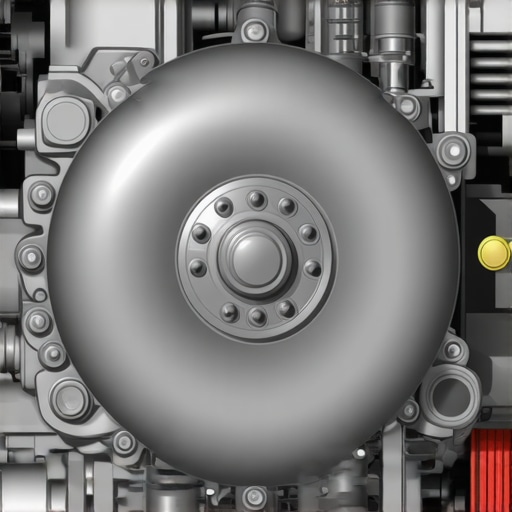
If you’ve followed all steps and still experience shuddering, it’s time for expert help. An ASE-certified technician can perform detailed diagnostic testing, including hard part inspections and transmission computer evaluations. This ensures no underlying mechanical failure—like a failing clutch pack or worn planetary gear—is overlooked. My experience with persistent shuddering led me to a professional who identified a failing torque converter. Replacing it permanently fixed the problem. Remember, timely diagnostics can save money and extend your vehicle’s lifespan; see these questions to ask your mechanic.
Many car owners believe that sticking to basic maintenance routines like regular oil changes and trusting generic mechanics guarantees optimal vehicle health. However, there’s a common misconception fueled by widespread myths and superficial fixes. For instance, everyone says you should always opt for the cheapest oil filter or ignore the significance of manufacturer-specific maintenance schedules. But in my experience, these shortcuts often lead to premature wear or costly repairs. The real nuance lies in understanding that every vehicle has unique needs, and assuming one-size-fits-all solutions can be detrimental.
A significant trap is overlooking the importance of ASE certification. Certified technicians undergo rigorous testing, ensuring they understand intricate systems beyond basic repairs. Skipping this step or trusting unverified repair shops can lead to missed diagnoses or incorrect fixes. According to research from the SAE, properly trained technicians reduce warranty costs and improve vehicle longevity, emphasizing the value of ASE certification.
Moreover, many car owners misunderstand the role of oil quality. Synthetic oils, especially in modern engines, offer benefits not just in performance but in preventing sludge buildup and protecting vital components. Yet, some think any oil will do as long as the oil change light isn’t on. This false belief can cause increased wear and even engine failure over time. For example, bio-synthetic oils require specific filters to function correctly—ignoring this detail can cause oil starvation, leading to catastrophic engine damage. Learn more about the importance of proper oil maintenance at this guide.
Are Car Makers’ Recommended Service Intervals Truly Necessary for Every Driver?
It’s a common misconception that following the exact service intervals ensures perfect performance. However, driving habits, climate, and terrain significantly influence when maintenance becomes critical. Aggressive driving or frequent mountain driving demands more frequent checks than city commuting. Overly rigid adherence without considering usage nuances can lead to unnecessary expenses or overlooked issues. For serious enthusiasts or professionals, customizing maintenance schedules based on driving conditions is recommended—it’s a subtlety many overlook.
Finally, beware of the ‘set-it-and-forget-it’ mentality regarding vehicle diagnostics. Modern cars are equipped with complex computer systems that can trigger misleading codes if not interpreted correctly. Relying solely on generic scan tools or neglecting to verify codes with an ASE-certified technician can result in misdiagnosis. Misreading signals might prompt unwarranted part replacements, wasting money and time. Deep diagnostic knowledge allows professionals to distinguish false alarms from genuine problems, extending vehicle life and saving costs.
In conclusion, mastering the advanced nuances of transmission care and car maintenance calls for more than surface-level adherence. It requires understanding the importance of certified expertise, the intricacies of oil types, personalized schedules, and precise diagnostics. These details might seem minor but are vital for ensuring long-term vehicle health. Have you ever fallen into this trap? Let me know in the comments.Maintaining your vehicle’s transmission isn’t just about changing fluid periodically; it involves a combination of the right tools, consistent practices, and staying ahead of potential issues. One essential tool I personally rely on is a high-quality OBD-II scanner, such as the BlueDriver or Snap-on’s Modis, which provides real-time data and diagnostic trouble codes. These devices allow me to monitor sensor readings, identify early warning signs like sluggish gear engagement, and even clear codes after repairs, ensuring my transmission remains in optimal condition. Additionally, having a laser thermometer helps detect overheating issues in transmission fluid or components—a sign that warrants immediate attention.
Regularly inspecting transmission fluid levels and color is vital. I use a dedicated transmission fluid pump to top off or perform fluid exchanges with precision, minimizing the risk of introducing air bubbles or contamination. For more comprehensive maintenance, I schedule flushes every 40,000 miles using high-quality synthetic fluids rated for specific vehicle requirements. It’s worth noting that bio-synthetic oil changes, when paired with the correct filter, can extend service intervals up to 20,000 miles, but only if you follow manufacturer recommendations and know the best practices, as detailed in this guide. Applying these practices ensures long-term reliability and can prevent costly repairs.
How do I maintain transmission health over time?
Consistent monitoring and proactive maintenance are key. This includes not only fluid care but also inspecting linkages and mounts for wear or misalignment. I’m a big fan of using a torque wrench to ensure bolts are tightened to spec during fluid exchanges or component replacements, preventing future vibrations or shifts. In the future, I predict that diagnostic tools will become even more integrated with vehicle systems, providing predictive analytics to prevent failures before they happen. Embracing these advancements will be crucial for vehicle owners aiming to extend transmission life and avoid breakdowns.
Finally, I recommend continually educating yourself on the latest service techniques. For example, regularly performing software updates or re-learning procedures via OEM diagnostic tools can significantly enhance shift quality and responsiveness. If you’re serious about maintaining your transmission, consider consulting an ASE-certified technician—those experts know how to leverage tools effectively and tailor maintenance strategies for your specific vehicle model. Taking just one step—like investing in an advanced scanner or scheduling a professional transmission fluid flush—can dramatically improve your vehicle’s performance and longevity. So why not start today by using your diagnostic tool to check for hidden fault codes you might have overlooked? It’s a simple yet powerful step toward keeping your transmission in top shape.
Lessons That Changed How I Approach Transmission Maintenance
- I realized that even minor symptoms like a slight shudder can signal deeper issues—ignoring them can cost a fortune later on. Taking proactive steps early on has saved me hundreds of dollars and stress.
- My biggest lightbulb moment was understanding that certified ASE technicians are trained to spot subtle signs most DIY inspections miss. Relying on their expertise ensures I catch problems before they escalate.
- I discovered that high-quality synthetic oils paired with the right filters not only prolong intervals between changes but also improve shift smoothness. Skimping on these details is a false economy that always costs more.
Tools and Resources That Elevated My Maintenance Game
- BlueDriver OBD-II Scanner: This device gives me real-time diagnostics and confidence that my transmission system is functioning properly. It’s a game-changer for early problem detection.
- OEM Service Manuals: Reading manufacturer-specific guides helps me understand the nuances of my vehicle, ensuring I perform maintenance correctly and efficiently. I swear by these for precise, trusted info.
- Online ASE Certification Forums: Connecting with certified professionals online keeps me updated on the latest diagnostics techniques and repair strategies. Continuous learning makes a real difference.
Empowerment Starts Today
Your transmission’s health isn’t just about routine oil changes; it’s about mastering the details that keep your vehicle running smoothly. Taking small, informed steps now can prevent big, costly repairs in the future. I challenge you to perform a transmission fluid check this week, or consult with a trusted ASE technician—it’s easier than you think to make a positive change. So, what’s the first step you’ll take to give your transmission the care it deserves? Share your plans below—I’d love to hear your journey toward better vehicle health.