That Subtle Jerk in Second Gear Might Just Be a Cheap Solenoid
I remember the exact moment I felt it—driving home after a routine oil change, expecting smooth shifting and answerless rides. Instead, I got a faint, almost ghostly jerk when my car shifted into second gear. Not enough to send me to the mechanic in a panic, but enough to make me suspicious. That creeping, subtle hesitation? It was a wake-up call that something wasn’t right. I’d experienced this before, often chalked it up to normal wear, but this time, it felt different—and persistent.
Could a Cheap Solenoid Be to Blame for Your Car’s Shifts?
This experience sparked my curiosity. The truth is, that faint jerk in second gear could very well be a simple, inexpensive fix—a failing solenoid—rather than an overhaul of your entire transmission. I’ve learned that many drivers dismiss small transmission quirks as normal, especially after an oil change or routine maintenance. But as I dug deeper, I discovered that many of these issues are tied to something surprisingly affordable: a cheap solenoid or a minor sensor glitch. My personal experience led me to a simple realization: not every rough shift signals catastrophic damage. Sometimes, it’s just a cheap solenoid screwing up the delicate dance of gears.
In today’s post, I’ll walk you through how to spot if your subtle jerk is a sign of something minor, and more importantly, how you can fix it without sinking big bucks into a total rebuild. My goal is to help you avoid unnecessary repairs by understanding the real culprits behind that second gear hesitation. Ever faced this problem and wondered if it’s worth fixing now or waiting until it worsens? You’re not alone. Many car owners have been in your shoes, thinking, “Is this just a cheap solenoid, or do I need a new transmission?”
Is the Fix Really That Simple, or Is It a Money Trap?
Early in my own journey, I made a common mistake: I assumed every shifting issue meant a major repair. I shrugged off minor hesitations and roughness, thinking they’d disappear. Turns out, ignoring these quirks can lead to bigger problems down the line. According to automotive experts, such subtle symptoms are often caused by malfunctioning solenoids, which control hydraulic flow in the transmission—an inexpensive part that’s easy to replace for a skilled DIYer or a trusted mechanic. For more insights into what to watch out for, check out this guide on transmission jerking.
With a bit of knowledge and a clear approach, you can diagnose whether that annoying second gear hesitation is just a cheap solenoid or something more serious. The good news? It’s often within reach and doesn’t require a full transmission overhaul. Ready to explore the signs and fixes that could save you hundreds? Let’s dive in before the problem gets worse.
Start with a Visual Inspection of Your Transmission
Before diving into complex tests, open your hood and look for obvious issues. Check for fluid leaks, damaged wires, or loose connections around the transmission area. I once found a cracked hose that was causing inconsistent hydraulic pressure, leading to rough shifts. Replacing it was straightforward and immediately improved my transmission behavior.
Test the Transmission Fluid Level and Condition
Low or dirty fluid can cause slipping or hesitation. Pull out the dipstick (if accessible) or check the fluid level via the transmission quick-check port. If the fluid smells burnt, appears dark, or contains particles, it’s time for a fluid change. I had a scenario where a simple fluid replacement fixed a persistent second gear jerk, saving me hundreds on repairs. For the best results, ensure you use the correct synthetic oil and check the level after warming up the engine—cold fluid readings are misleading.
Identify Symptoms of Malfunctioning Solenoids
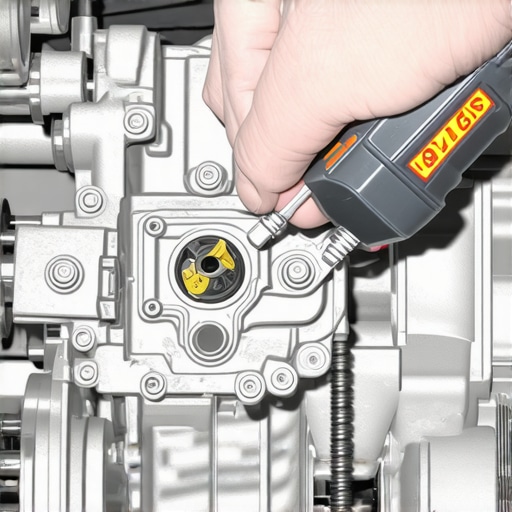
Transmission solenoids are tiny electrically controlled valves that regulate hydraulic fluid flow. Faulty solenoids can cause delayed shifts, slippage, or harsh engagement. To diagnose, shift into park, turn off the engine, and listen for the solenoid clicking. If you suspect a problem, you can perform an electrical test with a multimeter or have a trained ASE tech check the resistance. Remember, solenoid failures are often caused by electrical issues or contaminated fluid. Reading about how to spot an ASE-certified mechanic can help you find someone capable of handling this check accurately.
Use the Right Diagnostic Tools
Accessing your vehicle’s fault codes with an OBD-II scanner reveals specific transmission trouble codes. A common code for solenoid problems is P0750. While codes point you in the right direction, they need interpretation. I borrowed a high-quality scanner and cross-referenced codes with repair tutorials like this guide. This helped me confirm if the solenoids were at fault or if other parts needed attention.
Perform a Controlled Test Drive
After initial checks and repairs, test drive your car on different terrains. Accelerate smoothly and observe shift points. If you notice hesitation only during certain conditions—like cold starts or on inclines—it might be a sensor or hydraulic issue. Document your observations; a detailed report assists mechanics and helps you track patterns. This step reminds me of when I tested my car after replacing a solenoid; the hesitation was gone, and shifts felt seamless.
Consider a Software Update or Relearn Procedure
Modern transmissions rely heavily on software calibration. Sometimes, a simple ECU flash or relearn process restores proper shift timings. Many mechanics can perform this quickly; some car models have software updates available online. I once updated my car’s firmware, and it resolved a persistent lurch without replacing any hardware. Check if your vehicle manufacturer offers official software updates—guided by info from this resource.
Replace the Solenoids When Necessary
If your tests point toward faulty solenoids, replacing them is often the most cost-effective fix. Remember, solenoid replacement involves draining transmission fluid, removing the valve body, and swapping the defective component. As a DIY project, it’s doable with proper tools and patience, but always refer to your vehicle’s service manual. In my experience, replacing a worn solenoid restored smoothness, preventing a costly transmission rebuild. For detailed guidance, see this guide to ASE-certified repairs.
By following these concrete steps—inspection, fluid check, electrical diagnosis, test drive, software update, and component replacement—you can effectively identify and fix the roots of transmission hesitation. Remember, small issues like a failing solenoid are often inexpensive to resolve and can prolong your transmission’s lifespan significantly.
Myth Busting: What Everyone Gets Wrong About ASE Certification and Car Maintenance
Many car owners believe that simply finding an ASE-certified mechanic guarantees a flawless service. While ASE certification indicates a certain level of expertise, it does not automatically mean your technician is the best choice for complex issues like transmission repair or specialized oil changes. In fact, relying solely on the label can be a trap—some ASE-certified techs may still follow generic procedures that overlook vehicle-specific nuances.
One common misconception is that all oil changes are created equal. In reality, using the right synthetic oil and performing the proper oil change interval tailored to your vehicle’s needs can prevent costly problems like turbo sludge buildup. Many overlook these details, leading to engine wear and reduced performance over time. For instance, bio-synthetic oils require specific filters and handling to maximize their benefits.
Why do so many get transmission service wrong and what can go wrong?
The transmission often gets neglected until it starts slipping or jerking, but this delay in maintenance can cause permanent damage. Common mistakes include ignoring subtle hesitation signs or misdiagnosing issues as minor sensor glitches. Advanced drivers know that a small hesitation can be caused by failing solenoids, contaminated fluid, or software glitches—issues that require precise diagnosis. Simply topping off fluid or replacing filters without understanding the root cause might only delay more significant failures. For in-depth troubleshooting, check out questions to ask your ASE tech.
Furthermore, many car owners fall into the trap of thinking that a quick oil change or a simple service will fix complex transmission issues, which isn’t always true. Modern transmissions rely heavily on electronic controls and software recalibration. Sometimes, a firmware update or a relearn cycle can restore smooth shifting—yet many mechanics overlook these steps, leading to premature transmission replacement. I recommend reading this guide on transmission fixes for advanced solutions.
Can overlooking nuanced maintenance actually damage your vehicle?
Absolutely. For example, neglecting to perform the correct transmission fluid change interval, especially when using synthetic oils like those discussed in this resource, can lead to sludge buildup and sensor errors that harden over time. Small signs such as delayed shifts or subtle jerks are often early indicators of larger problems. Recognizing these nuances can extend your vehicle’s lifespan and save you from costly repairs.
In conclusion, while certifications and routine services matter, understanding the intricate details—like fluid chemistry, software calibration, and component-specific issues—is crucial. Don’t fall into the trap of oversimplification; your vehicle’s health depends on paying attention to these hidden nuances. Have you ever fallen into this trap? Let me know in the comments.
Keeping It Working: Tools I Recommend for Car Maintenance
Maintaining your vehicle’s transmission and oil system requires not just knowledge, but also precision tools that ensure reliable diagnostics and repairs. I’ve found that using high-quality, specific equipment makes all the difference in diagnosing issues early and performing effective repairs. One indispensable tool I personally rely on is a professional-grade OBD-II scanner. Unlike generic code readers, my preferred scanner provides detailed transmission fault codes and real-time sensor data, which is crucial when verifying issues like slipping or hesitations. For instance, spotting a code like P0750 immediately points to a solenoid problem, allowing me to decide whether to replace a component or perform software updates. Learn more about how to select an ASE-certified tech here.
Another tool I value highly is a transmission fluid tester. With this device, I can quickly assess the fluid’s viscosity and contamination levels without costly lab analysis. This quick check often reveals whether a simple fluid change suffices or if deeper repairs are needed. I also recommend a multi-meter with automotive testing modes for electrical diagnostics, especially when verifying solenoid resistances or wiring integrity. Precise electrical testing can distinguish between electrical faults and mechanical wear, guiding targeted repairs and saving money.
For software-related adjustments, like ECU recalibration or transmission relearning procedures, I use a professional-grade programming interface. These tools empower me to perform firmware updates and reset shift adaptives, often resolving shifting issues without hardware replacements. As vehicles advance toward integrated electronic systems, the importance of such specialized gadgets will only grow, aligning with the future trend of smarter self-diagnosing cars.
Consistent maintenance also benefits from routine quality synthetic oils. My go-to is a full-synthetic, high-mileage oil, combined with a magnetic oil drain plug. This simple upgrade traps metal particles, reducing wear and extending the oil’s life, which in turn preserves transmission health. Regular oil analysis tests, which I periodically perform, can document long-term results, giving insights into engine and transmission health over time. Remember, sticking with OEM-recommended fluids and filters—especially premium synthetic variants—serves as a long-term investment in your vehicle’s longevity.
What steps should I take to keep my transmission and oil systems in top shape over time?
A practical approach involves scheduling regular intervals for oil changes using high-quality synthetic oils and filters, monitoring transmission fluid levels and quality, and conducting proactive diagnostics with the right tools. In doing so, you’ll identify minor issues—like slight hesitations—before they escalate into costly repairs. For example, routinely testing transmission fluid viscosity can preempt failures caused by low viscosity or contamination, often linked to this warning sign. Additionally, maintaining awareness of software updates ensures your vehicle adapts to system changes, preventing sluggish shifting or unexpected glitches.
As automotive technology advances, tools like integrated diagnostic software and sensor testing devices will become more compact and user-friendly, making DIY maintenance more accessible. In the near future, vehicles may even perform self-assessments and notify owners when maintenance is due, reducing reliance on external tools.
To keep your transmission and oil system optimized, I recommend adopting a routine that includes periodic fluid analysis, electrical system checks, and updating your vehicle’s software. Don’t shy away from investing in quality diagnostic equipment—it’s worth every penny, especially when it helps prevent unexpected breakdowns. For your next step, try performing a visual inspection combined with a transmission fluid viscosity test; this simple practice can reveal early signs of trouble. Remember, proactive maintenance today means smoother, more reliable drives tomorrow.
Lessons from the Front Lines of Transmission TLC
One of my most eye-opening lessons was realizing that not every hesitation or jerk signals a costly overhaul. I once dismissed minor rough shifts as temporary glitches, only to find out they were signs of failing solenoids that I could replace myself or have fixed affordably. The biggest takeaway? Paying attention to small symptoms and understanding that often, simple fixes—like a fluid change or software update—can extend your transmission’s life significantly.
Another insight was discovering how a good grasp of ASE certification and proper diagnostic tools transforms the repair experience. I learned that relying solely on certifications without understanding specific vehicle nuances can lead to missed opportunities for budget-friendly repairs. It’s not just about certification; it’s about knowing the right questions to ask and tools to use to get to the root of the issue.
A final lesson was how crucial ongoing maintenance and proactive diagnosis are in preventing major failures. Regular transmission fluid analysis, electrical checks, and staying updated with software patches can save you from unexpectedly being stranded. It’s a bit like giving your car a health check before problems manifest—saving money and downtime in the long run.