The One Noise Your Transmission Makes Before It Completely Quits
It was a quiet Sunday morning when I first heard it — that unsettling, rhythmic thumping coming from my car’s transmission. At first, I thought it was just a weird noise, maybe something caught in the wheels. But as I accelerated, the sound persisted, growing a little louder and more insistent. Then came the light bulb moment: this was the *one noise* indicating my transmission was on its last legs.
That experience was a wake-up call. I realized I had been ignoring subtle signs — the odd shifts, the slight delay between gear changes — that hinted trouble brewing. Often, drivers overlook these sounds or dismiss them as minor glitches, not understanding how close they are to a costly breakdown.
Today, I want to share with you what I’ve learned about that telltale noise that signals your transmission is about to quit. Specifically, we’ll uncover why that noise happens, what it actually means for your car’s health, and how to address it before it turns into a major repair. Because trust me, catching this early can save you a ton of money and stress.
The Hidden Meaning Behind That Startup Transmission Noise
You might be wondering, “Is that noise really a big deal?” Well, it often is. That rhythmic thumping or whirring before a transmission failure is sometimes an early warning sign that your transmission fluid is contaminated, low, or has become unresponsive— issues that can cause your gearbox to slip, jerk, or even completely fail.
In my early days, I made the mistake of ignoring these sounds, assuming they’d disappear after a quick check or oil refill. Instead, I learned the hard way that such noises could be rooted in deeper problems, like worn-out internal components or low-quality fluid. That realization pushed me to educate myself, leading to preventive measures like regular inspections and fluid checks.
If you’re curious about how to prevent your transmission from seizing, I recommend exploring some specific signs that your system might be failing early on. For an in-depth look, check out [this guide on why your transmission might be slipping only when hot](https://autofixclinic.com/why-your-2026-transmission-slips-only-when-hot-3-fast-fixes). Recognizing the early signs can help you avoid situations where you’re stranded on the side of the road.
Have you experienced that initial strange noise before your transmission acted up? If so, you’re not alone. Many drivers dismiss it as normal or forget about it until it’s too late. But with a little knowledge and prompt action, you can prevent a complete breakdown.
Next, we’ll go over some practical steps you can take now to interpret that noise correctly and respond effectively. Because the goal is to keep your car shifting smoothly and your wallet intact, before that one noise turns into a costly repair.
Get Your Hands Dirty: Inspect the Transmission Fluid
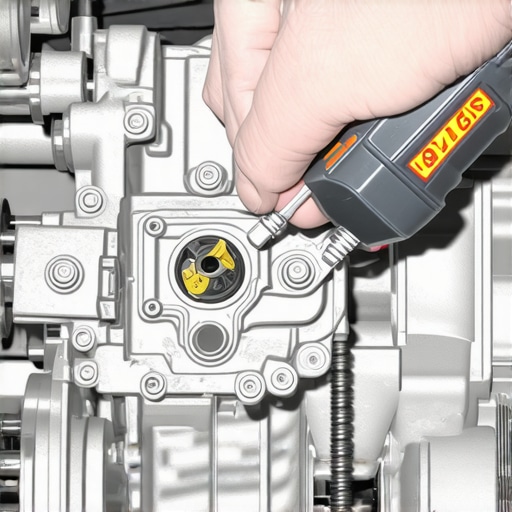
Start by locating your transmission fluid dipstick, usually near the engine bay. Park your car on level ground and let it cool down to prevent burns. Remove the dipstick, wipe it clean with a lint-free cloth, then reinsert and pull it out to check fluid level and condition. If the fluid is below the recommended level or appears dark, gritty, or smells burnt, it’s a clear sign you need a fluid change.
Remember, transmission fluid is like the lifeblood of your gearbox; it lubricates, cools, and transmits power. Think of it as the oil in a human joint—without enough or clean fluid, the entire process grinds to a halt. Regular checks and timely top-ups can prevent gear slipping and harsh shifting, saving you from costly repairs.
Drain and Replace with Confidence
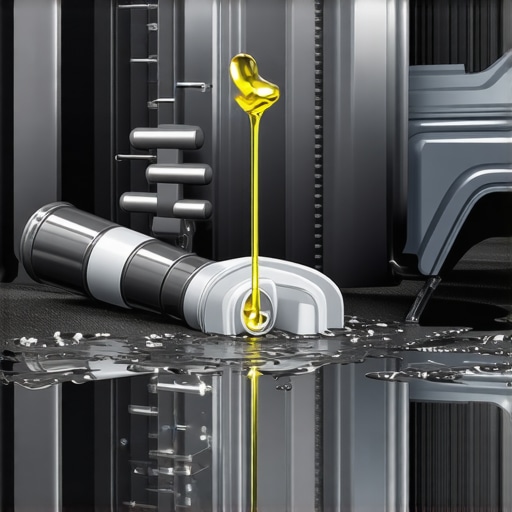
For a thorough refresh, draining old, contaminated fluid is essential. Locate the transmission drain plug beneath your vehicle and carefully drain into a suitable container. Prepare new synthetic or high-quality mineral transmission fluid recommended for your model—consult your owner’s manual or an ASE-certified technician for guidance.
Refill slowly, verifying the correct level with the dipstick. Pouring too much can cause pressure issues, while too little leads to inadequate lubrication. Use a funnel to prevent spills, and double-check the level after running the engine and shifting gears through all positions to circulate the new fluid thoroughly.
Listen and Observe: Test Drive with a Critical Ear
After the fluid change, start your engine and take your car for a test drive on different road types. Pay close attention to whether the noise diminishes or persists. If you still hear rhythmic thumping or jerking, it indicates deeper issues like worn internal components or damaged synchronizers. In that case, consider consulting professional diagnostics to identify the root cause.
In my experience, a simple fluid flush sometimes masks underlying mechanical wear. If problems remain, a comprehensive internal inspection might be necessary. Don’t ignore persistent noises; they often escalate quickly, turning minor fixes into major expenses.
Use Quality Parts and Follow Up
Always opt for genuine, manufacturer-approved transmission fluids and parts. Cheap oils or recycled fluids may seem economical but can cause more harm over time. Regularly scheduled service intervals—aligned with recommended maintenance plans—ensure your transmission stays in prime condition.
Remember, even after addressing initial noise, keep an ear out for any new symptoms like delayed engagement or slipping. Proactive maintenance and prompt response to odd sounds can extend your transmission’s lifespan significantly, often avoiding costly rebuilds or replacements altogether.
Many car owners believe that simply changing the oil or trusting that a quick service will keep the transmission healthy is enough, but in reality, there’s a lot of nuance most people overlook. One common misconception is that all transmission fluids are created equal; however, modern transmissions require highly specific, often synthetic, fluids that serve a variety of advanced functions beyond basic lubrication. Using generic or recycled oils can lead to accelerated wear, as these options lack the necessary additives and viscosity stability needed for modern gearboxes. It’s a trap many fall into, especially at quick-lube shops that prioritize speed over precision, risking long-term damage.
Another misconception is that ASE certification guarantees thorough expertise, but in practice, many technicians focus on routine tasks and might lack in-depth knowledge of intricate transmission systems. While ASE certification indicates a certain level of competence, it doesn’t necessarily reflect familiarity with the latest vehicle technologies or manufacturer-specific procedures. This gap can lead to misdiagnosis or inadequate repairs, especially in complex modern systems like hybrids or CVTs.
Advanced car owners should be aware of the importance of proper diagnostics and tailored maintenance plans. For example, ignoring subtle signs like shifting irregularities or delayed response can cause minor issues to escalate into costly failures. Recognizing that not all service providers have the same level of expertise is crucial. It’s worth consulting detailed guides or trusted sources—like [this comprehensive post on transmission shifts](https://autofixclinic.com/4-transmission-shifts-you-should-never-ignore-in-2026-ase-advice)—to ensure your vehicle receives appropriate care.
Have you ever fallen into this trap? Let me know in the comments.
Another crucial detail often missed is the hidden impact of low-quality or incorrect oils in preventative maintenance. Many assume that topping off with any oil will suffice, but in high-precision systems, inadequate fluids can cause premature wear or even complete transmission failure. Regularly verifying the quality and specifications of the oil used, and following manufacturer recommendations, can make a significant difference. To understand how subpar oils affect your vehicle, check out [this guide on low-grade oil risks](https://autofixclinic.com/4-signs-your-2026-oil-change-used-low-grade-recycled-fluid).
Furthermore, advanced owners should consider the benefits of diagnostics like soft reset procedures and software flashes. These processes can restore optimal performance, especially in newer models with electronic control modules. Skipping these updates or ignoring warning codes can reduce the lifespan of your transmission and engine. For insights into software-related fixes, visit [this article on tuning and reprogramming](https://autofixclinic.com/7-signs-your-2026-transmission-needs-a-software-flash).
The bottom line is that excellent vehicle maintenance involves more than just routine oil changes. It requires understanding the nuances specific to your vehicle’s make and model, recognizing the limitations of quick service options, and investing in diagnostics when in doubt. Only by peeling back these layers can you truly ensure the longevity and reliability of your transmission and engine. Remember, neglecting these details often results in significant expenses—so stay informed and proactive.
Stay curious, and always ask your mechanic about the specifications, quality, and compatibility of the parts and fluids being used. Because in the world of automotive care, the devil is in the details.
Interested in more advanced tips? Explore [this guide on the hidden signs your engine needs synthetic oil](https://autofixclinic.com/4-hidden-signs-your-2026-engine-needs-a-bio-synthetic-flush) for insider knowledge.
Equipping Yourself with the Right Tools for Transmission Care
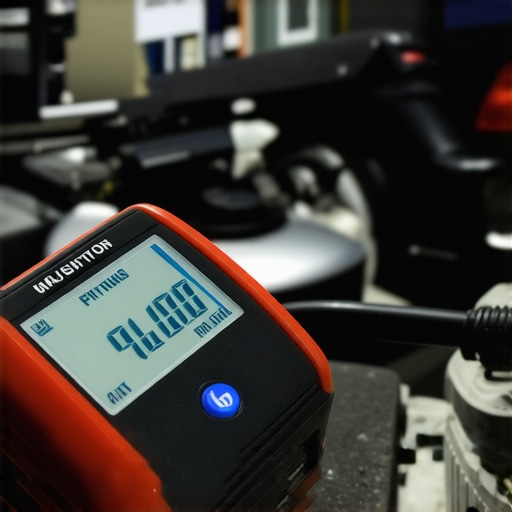
Maintaining your vehicle’s transmission isn’t just about checking the fluid; it requires precision tools and proven methods. I personally rely on a high-quality digital transmission fluid tester, which allows me to assess the condition of my fluid accurately without guesswork. Unlike traditional dipstick checks, a digital tester provides instant readings on viscosity and contamination levels, helping me decide whether a fluid change is due. Furthermore, I invest in a professional-grade scan tool compatible with my car’s make and model, enabling me to read transmission-specific error codes and monitor real-time data like temperature and pressure. This proactive approach prevents minor issues from escalating into costly repairs.
Adopt Proven Maintenance Practices to Extend Your Transmission’s Life
Implementing scheduled fluid changes, using manufacturer-approved oils, and performing software updates are essential. I regularly follow a maintenance checklist that includes reviewing fluid condition every 15,000 miles, ensuring the use of OEM-recommended synthetic oils, and updating ECU software via authorized dealerships. These steps align with recommendations from ASE-certified technicians and keep components like clutch packs and solenoids operating efficiently. As technology evolves, so does the need for updated diagnostic procedures—expect more vehicles to incorporate transmission control modules that require software flashes, similar to [this advice on transmission software updates](https://autofixclinic.com/7-signs-your-2026-transmission-needs-a-software-flash). Staying current ensures your shifting remains smooth and reliable over time.
Long-Term Results Depend on Consistency and Expert Support
Consistency is key; sticking to routine inspections and fluid changes yields long-lasting benefits. In my experience, scheduling semi-annual professional inspections with an ASE-certified technician helps catch emerging issues early. They can perform comprehensive diagnostics, including checking for fluid aeration and internal wear, which are often overlooked. Investing in quality parts—genuine filters, OE-rated oils, and OEM components—reduces the risk of premature failure. Looking ahead, I predict that vehicle diagnostics will become increasingly integrated with IoT technology, providing real-time alerts about transmission health directly to your smartphone, making maintenance more intuitive and proactive. Embracing these trends can save you thousands and keep your transmission humming well past the initial signs of trouble.
How can I keep my transmission healthy over time?
The best approach involves a combination of regular fluid checks, using the right tools like digital testers and scan tools, and partnering with ASE-certified technicians for routine diagnostics and software updates. Remember, neglecting these small but crucial details can lead to bigger problems down the road. For a practical step, try scheduling a thorough fluid analysis today and see how your transmission health measures up. This proactive move often reveals hidden contamination or wear that isn’t visible to the naked eye and allows you to address issues before they become expensive repairs.
Lessons From My Transmission Journey That Nobody Tells You
One of the biggest lessons I learned the hard way is that waiting for obvious warning signs can be costly. Small irregularities like delayed shifts or a slight thump are often dismissed, but they’re early signals that your transmission is giving you a nudge. Recognizing these subtle hints is crucial because, as I discovered, addressing them early saves hundreds, sometimes thousands, in repairs.
Another insight is the importance of quality over cost. Opting for cheap fluids or skipping regular diagnostics might seem like saving upfront, but it often results in more significant expenses down the line. Investing in genuine fluids and expert checks aligns with what trusted resources recommend for longevity.
Finally, I realized that relying solely on experience isn’t enough. Continually educating myself about my vehicle’s needs, especially in today’s tech-driven era, makes all the difference. Modern transmissions demand more precise care, and staying informed helps prevent premature failures.
Gear Up: Tools and Techniques That Made a Difference
Having the right diagnostic gear, like a digital transmission fluid tester and a high-quality scan tool, empowered me to assess my car’s health more accurately. These tools can reveal contamination or pressure issues long before a breakdown occurs, aligning with advice from automotive experts.
Regular software updates and internal diagnostics from certified technicians are also vital. They ensure that my vehicle’s electronic control modules are functioning correctly, especially in newer models where software glitches can mimic mechanical problems. Embracing technology has genuinely extended my transmission’s lifespan.
Keep Pushing Forward with Confidence
The road to a reliable vehicle is paved with knowledge, consistent maintenance, and proactive care. Remember, understanding your car’s signals and trusting qualified professionals can turn a looming repair into a minor tweak. The effort invested today pays off with smoother drives and fewer surprises tomorrow. To dive deeper into specific troubleshooting tips, explore this guide on fixing transmission hunting.