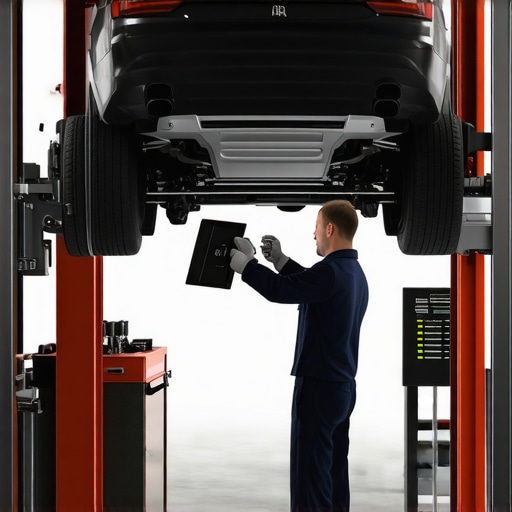
Ever had the sinking feeling after a quick oil change that maybe, just maybe, it wasn’t done right? I remember the frustration of taking my car to a new service center, trusting they’d do a thorough job, only to find strange noises or performance hiccups weeks later. That lightbulb moment hit me hard: how can I be sure my oil change was truly done correctly, especially with 2026 looming and vehicle tech advancing faster than ever?
In this post, I’ll share my personal journey and reveal the three simple, practical ways I’ve learned to verify if my oil change was spot-on. No more guessing games or relying solely on trust—these methods are like having an ASE-certified mechanic in your pocket.
Why Ensuring Your Oil Change Is Up to Par Matters More Than Ever
Modern vehicles rely heavily on precise maintenance, especially as 2026 approaches and manufacturers stretch the limits of engine durability. Skipping or botching an oil change can lead not only to premature engine wear but also to costly repairs that might surpass the price of the service itself. According to automotive experts, improper oil maintenance can cause engine sludge and reduce efficiency, impacting your car’s longevity.1 That’s why knowing how to verify your oil change is not just smart—it’s essential for peace of mind and long-term savings.
Yet, I failed to do this early on. In my rush to save a few bucks, I overlooked key indicators that the job wasn’t done right. It was only after a rough engine tune-up and feeling uneasy about the service that I realized I needed a better system for checking my work. Making this mistake taught me a vital lesson: you shouldn’t just trust your mechanic or the service sticker on your windshield. Instead, arm yourself with proven verification methods.
Today, I’ll guide you through three effective ways I use to double-check that my 2026 oil change was done correctly. These tips aren’t just about verifying; they’re about empowering you to take control of your vehicle’s health.
Is It Really Worth the Effort to Verify Your Oil Change?
Let’s be honest—some might wonder if these extra steps are worth it. I used to think so, until I experienced a transmission issue that might have been avoided with proper oil maintenance. Not checking can lead to slipping transmission or even catastrophic failure, which often costs thousands to repair. If you’re serious about longevity and reliability, these simple checks can save you a lot of headaches—and money. Curious about how effective this can be? You might want to look into [top transmission oil change strategies from ASE-certified pros](https://autofixclinic.com/top-transmission-oil-change-strategies-from-ase-certified-pros) for deeper insight into maintaining your vehicle’s drivetrain.
So, if you’re tired of relying solely on service receipts and wish you had a more concrete way to confirm your oil change’s quality, keep reading. Let’s get into the practical steps that will give you peace of mind every time you turn the key.
Check the Oil Level with a Visual Inspection
After your recent oil change, wait a few minutes for the engine to cool slightly, then open the hood and locate the dipstick—usually marked with bright coloring or labels. Pull it out, wipe it clean with a rag, then reinsert it fully before pulling it out again. Look at the oil level on the dipstick: it should be between the ‘MIN’ and ‘MAX’ markers. If the level is below ‘MIN,’ your mechanic might have underfilled or skipped this step, which can cause engine damage.
Remember, an overfilled engine can also cause issues, so aim for the recommended level. Checking this is like inspecting a cup of coffee before taking a sip—if there’s too little or too much, the experience won’t be optimal.
In one instance, I noticed my oil level was just below the minimum after a service. I took my car back to the shop, and they quickly corrected the fill, preventing potential engine wear. Don’t overlook this step; it’s your first line of defense against engine problems.
Perform a Stop-Leak Test to Detect Sludge or Contamination
This step involves starting your car and letting it run at idle for a few minutes. Carefully open the oil fill cap—if you notice sludge, grit, or a strange smell, your oil might not be clean, or the job wasn’t properly done. A clean, slightly viscous oil is a good sign. If the oil appears dark or gritty, consider consulting a mechanic or referring to this guide for further diagnostics.
Once, I experienced a rough idle and dark oil after a service. A quick oil check revealed contamination, prompting me to seek a reputable mechanic with ASE certification. Regularly performing this simple test can save you from more costly repairs down the line.
Use Technology to Monitor Oil Health
Installing an oil monitoring device or using a vehicle diagnostic app can provide real-time updates on oil quality and engine health. These tools assess parameters like oil viscosity, temperature, and contamination levels—giving you a clear picture beyond what the eye can see. For the tech-savvy, this is like having a virtual mechanic always on standby. Click here to explore vehicle maintenance tech options.
In my case, I used a smartphone adapter connected to an app, which alerted me when oil viscosity dropped below safe levels. This alert prompted an immediate check and, if needed, a quick refill or service. Utilizing these tools ensures you catch issues early, especially as cars become more advanced nearing 2026.
Many car owners operate under a series of misconceptions when it comes to oil changes and vehicle maintenance, often leading to costly mistakes. One prevailing myth is that a standard oil change is a simple, routine task that doesn’t require specific attention beyond replacing the oil. However, seasoned ASE-certified technicians know that proper service involves much more: precise oil selection, correct filling procedures, and thorough inspection for potential issues. Overlooking these nuances can result in engine sludge, reduced fuel efficiency, and premature wear.
A common trap is believing that all oil is created equal. Synthetic oils, for instance, have different properties and durability compared to conventional oils, and choosing the wrong type for your vehicle’s make and model can accelerate wear. Moreover, many assume that checking the oil level only after a service suffices, but without monitoring oil quality and contamination over time, small issues can go unnoticed until they compound into serious damage.
**Mastering Advanced Car Maintenance Techniques**
Engaging with an ASE-certified mechanic isn’t just about getting a service; it’s about understanding the quality and conditions of your vehicle’s vital fluids. For example, a detailed transmission inspection can reveal early signs of impending failure that, if addressed proactively, save you thousands, especially with the upcoming 2026 vehicle technologies. Many drivers underestimate the complexity of transmission systems, believing that they are simply sealed units.
Are Your Transmission Fluids Really in Good Shape?
The truth is, transmission issues often surface long before a warning light appears. Contaminated or burnt transmission fluid can cause hard shifting, slipping, or overheating, which are signs that the fluid is no longer performing optimally. Regularly consulting guides like this resource can help you identify early symptoms and avoid costly repairs.
**Common Misapplications That Damage Your Car**
One misconception is delaying or neglecting recommended service intervals. Many think that extending oil change intervals beyond manufacturer recommendations is cost-saving, but studies show this practice increases engine sludge buildup and wear, shortening vehicle lifespan. In fact, using an innovative approach to oil life monitoring—such as tech-based sensors—can provide real-time data, ensuring maintenance is scheduled only when necessary, thereby optimizing costs.
**Beware of Hidden Risks During Service**
Another trap to avoid is not verifying the quality of the oil after a service. Low-quality oils, improper filling, or missed inspections can silently degrade engine health. For this reason, engaging with ASE-certified shops that adhere to high standards is crucial. These professionals conduct meticulous checks, including oil viscosity testing and leak inspections, which many overlook.
In summary, the devil is truly in the details when it comes to vehicle maintenance. Understanding these nuances and myths can extend your car’s life and keep it performing at peak levels well into 2026 and beyond. Have you ever fallen into this trap? Let me know in the comments, and remember: informed drivers make smarter choices.
Keep It Working with Precision Tools and Practices
To ensure your vehicle remains running smoothly, especially as 2026 approaches with new technological standards, investing in the right tools is essential. I personally rely on a high-quality digital oil tester that provides real-time data on viscosity and contamination levels. This device helps me determine precisely when my oil needs changing, avoiding unnecessary service intervals and catching issues early. Similar tools can often be found at automotive specialty stores or through trusted online suppliers. Additionally, I utilize an OBD-II scan tool compatible with smartphone apps, which I use to monitor engine parameters, including transmission fluid temperature and sensor health. For example, in my routine, I connect this device before and after oil changes to verify that the transmission isn’t overheating or slipping—a common sign of contaminated or degraded transmission fluid that often goes unnoticed. Using these gadgets empowers me to perform proactive maintenance, saving money and extending my vehicle’s lifespan. Looking ahead, I predict the adoption of AI-powered diagnostic systems will become standard, providing even more accurate, real-time insights and automating maintenance alerts derived from aggregated vehicle data.
How do I maintain these tools over time?
Proper calibration and regular updates are critical. I ensure my digital testers are calibrated annually and update their firmware via manufacturer websites. This practice guarantees accurate readings and reliable diagnostics, especially crucial for ASE-certified transmission and oil services that demand precision. Regular maintenance of these tools helps prevent misdiagnoses and unnecessary repairs, aligning with expert advice from top automotive technicians.
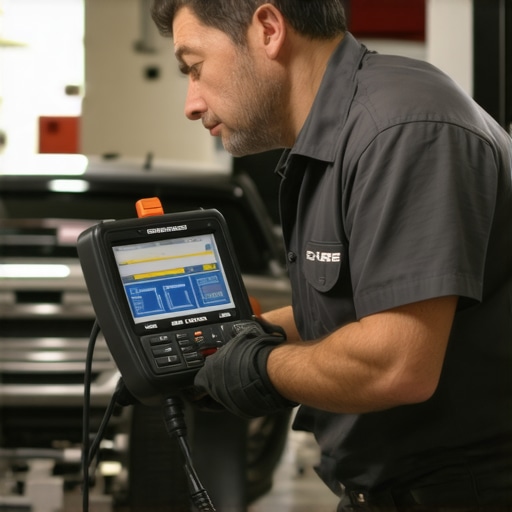
For instance, I once caught early signs of transmission wear by noticing abnormal readings on my scanner, prompting me to seek professional ASE certification repairs before costly damage occurred. I highly recommend trying an OBD-II scanner integrated with a dedicated app—you might uncover hidden issues lurking beneath the surface before they escalate. To delve deeper into reliable diagnostics, check out this resource.
Over the course of my automotive journey, I realized that the real game-changers often lie beyond the surface of simple oil replacements. One lightbulb moment was understanding that a trustworthy oil change isn’t just about the mechanic or the sticker—it’s about empowering yourself with knowledge and tools that unveil the hidden health of your engine. This insight has transformed how I approach vehicle maintenance, helping me spot issues early and save substantial repair costs.
Lessons That Changed How I Maintain My Car
- Consistent Monitoring Beats Relying on Trust: I used to depend solely on service stickers, but now I check my dipstick regularly, catching underfilled engines before damage occurs.
- Tech Is My Ally: Using affordable diagnostic tools like OBD-II scanners provides real-time insights, helping me intervene proactively rather than reactively.
- Not All Oils Are Equal: Educating myself on synthetic versus conventional oils made me select the right type, enhancing engine longevity especially as 2026 nears.
- Understanding My Vehicle’s Signals: Recognizing subtle signs like idle roughness or unusual smells has prevented costly repairs, turning maintenance into an early detection practice.
- Expert Advice Matters: Consulting ASE-certified mechanics and reliable online resources ensures I stay ahead with the latest best practices for transmission and oil health.
Tools and Guides I Trust to Keep My Car Healthy
- ASE-certified diagnostic tools: Their precision gives me confidence in my checks and saves money over time.
- Transmission maintenance guides: These resources deepen my understanding of the critical interplay between oil health and transmission performance.
- Specialist articles: They highlight early warning signs to watch for, especially as vehicle tech advances.
- Local ASE-certified services: I trust professionals who adhere to high standards and continually update their skills.
Your Next Step in Confident Car Care and Maintenance
Now, I encourage you not to wait for warning signs or rely solely on what anyone tells you. Embrace the proactive mindset by harnessing simple checks, investing in the right tools, and seeking expert guidance. The road to reliable, long-lasting vehicle performance is paved with informed decisions—especially as 2026 approaches and vehicle technology becomes even more sophisticated. Keep learning, stay vigilant, and enjoy the freedom that comes with taking control of your car’s health.
Have you ever caught a car maintenance mistake early? Share your story below and let’s learn together!
![4 Signs Your 2026 Oil Change Interval Is Too Long [Proven]](https://autofixclinic.com/wp-content/uploads/2026/02/4-Signs-Your-2026-Oil-Change-Interval-Is-Too-Long-Proven.jpeg)
Michael Adams
Reading through this post really hit home for me. I’ve always just trusted the mechanic’s word and the service sticker, but after experiencing a rough idle and noticing dark, gritty oil on my fill cap, I started questioning if I was doing enough to verify my oil change. The visual inspection and stop-leak test mentioned here are simple yet effective checks that I’ve now incorporated into my routine. I’ve also been considering investing in a good OBD-II scanner because I believe technology can be a game-changer for proactive maintenance, especially with how vehicle systems are becoming more complex.
What’s been your experience with digital tools for car care? Have you found any particular brand or model that’s particularly reliable? I’d love to hear other tips on maintaining engine health as we gear up for the technological advancements leading into 2026.