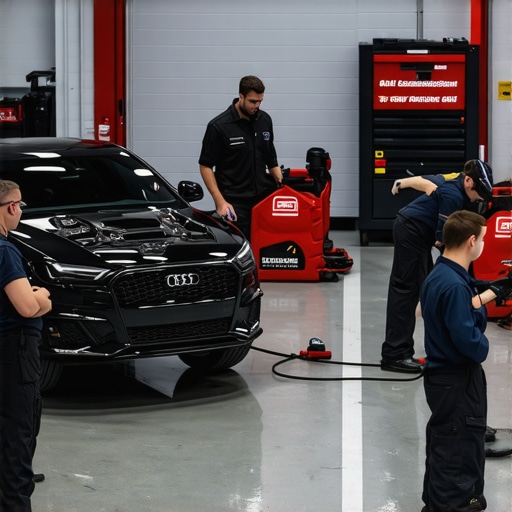
I remember it vividly—the moment my car suddenly sputtered and refused to start on a chilly morning. After spending hours troubleshooting, I realized my mistake: trusting generic advice over professional, ASE-certified services. That lightbulb moment drove me to learn the importance of proper vehicle maintenance, especially focusing on transmission and oil care. Today, I want to share how partnering with ASE Certified technicians can dramatically enhance your vehicle’s reliability and longevity.
Why Choosing Certified Experts Matters for Your Car’s Health
Is All Car Service Created Equal?
Early on, I thought I could save a buck by skipping the specialized care and opting for the cheapest option available. Boy, was that a mistake! I learned that ASE certification isn’t just a badge—it’s a mark of proven expertise. Certified technicians follow strict standards, ensuring your vehicle receives the best care possible. This is crucial because poor maintenance can lead to costly repairs down the line, especially in vital systems like transmission and oil filtration. If you’re wondering whether all car services are the same—think again. Connecting with trusted ASE-certified professionals means your car gets the attention it deserves, saving you time, money, and frustration.
Have you ever experienced a sudden breakdown that could’ve been prevented with proper maintenance? If so, you’re not alone. According to the Car Care Council, regular vehicle maintenance can extend the lifespan of your car significantly and prevent unexpected failures. Relying on unqualified service providers may seem cost-effective initially, but it often leads to bigger expenses later.
Next, I’ll walk you through specific strategies and tips that ASE-certified technicians recommend for maintaining optimal transmission and oil health. Ready to take charge of your vehicle’s reliability? Let’s dive into the practical steps that can make all the difference.
Pinpoint Your Vehicle’s Needs and Gather Your Tools
Before diving into any maintenance, evaluate your car’s current condition. Listen for unusual noises or vibrations during drive cycles, and check warning lights. Once identified, gather essential tools like jack stands, wrenches, and a clean container for oil collection. Remember, proper preparation ensures efficiency and safety, much like a chef prepares ingredients before cooking. My experience changing transmission fluid at home wasn’t perfect—overfilled the pan initially—highlighting the importance of following precise measurements and steps. This hands-on approach made me realize properly assessing your vehicle’s needs pays off long-term.
Schedule and Confirm Your Certified Service Appointment
Choose the Right Expert
Opt for ASE-certified technicians who specialize in transmission and oil services. Their certifications attest to mastery in diagnostic and repair skills—think of it as motor doctoring at its best. Booking through trusted sources like the website linked here trusted ASE-certified service providers ensures quality. When I booked an appointment with a certified shop, I was confident they’ll use genuine parts and follow best practices, giving my car the treatment it needed without unnecessary messes.
Drain Old Fluid Accurately and Safely
Start by safely raising your vehicle on jack stands, ensuring stability. Locate the transmission drain plug—consult your vehicle’s manual or a trusted guide. Using a socket wrench, carefully remove the plug and allow the fluid to flow into your container. Be cautious not to over-tighten or strip the plug upon reinstallation. This step is straightforward but critical; improper draining can leave residual old fluid that contaminates new oil. I learned this when I didn’t let all the fluid drain initially, causing incomplete filtration and minor shifts in gear responses afterward. Properly draining makes subsequent steps smoother and more effective.
Replace the Transmission Filter and Inspect Components
Many automatic transmission systems have a filter that traps debris and prevents damage. Access it through the transmission pan or service port, depending on your model. Carefully remove the old filter, noting its orientation. Install the new filter securely, ensuring it seats properly. Also, inspect seals, gaskets, and the pan for signs of wear or leaks. Replacing these parts prevents future leaks and prolongs your transmission’s life. I once skipped this step and faced a minor leak weeks later, which could have been avoided with thorough inspection. Doing this reinforces optimal fluid circulation and transmission health.
Refill with the Correct Fluid and Check Levels
Use a high-quality transmission fluid recommended by your vehicle manufacturer, available from trusted sources like top ASE-certified oil tips. Fill the transmission through the designated fill port, avoiding overfill which can cause pressure issues. Use the dipstick or electronic level indicator to verify fluid levels—proper levels are crucial for smooth gear shifts. Start the engine, warm up the transmission, and recheck levels, topping off if necessary. I learned that overfilling led to shifting delays, emphasizing the importance of precise measurement. Accurate refilling ensures your transmission performs reliably and efficiently over the miles.
Test Drive and Final Inspection
After completing the refill, take your vehicle for a test drive. Notice how gear shifts feel—smooth and responsive indicate success. Watch for leaks or unusual noises, which might suggest installation issues or residual contaminants. Reassess fluid Level as needed, and verify all tools and work areas are cleared. I once found a minor leak during the test drive, which was promptly fixed with an extra tightening. This final step confirms your work’s effectiveness and prevents future breakdowns, saving you costly repairs and inconvenience.
Implementing these clear, actionable techniques, especially when guided by ASE-certified technicians, can extend your vehicle’s life and improve performance. You don’t have to be a mechanic—just follow structured steps, stay cautious, and always prioritize safety and quality. For deeper insights, you might explore trusted transmission maintenance strategies or oil change best practices to maintain peak vehicle health.Many car owners believe that following the manufacturer’s recommended oil change intervals is enough to keep their vehicle in top shape. However, this is a common misconception; in reality, the nuances of oil change practices can dramatically impact the longevity and performance of your car. For instance, some think that using the cheapest oil is acceptable, but cutting corners on oil quality can lead to increased engine wear and even engine failure over time. Additionally, many overlook the importance of inspecting transmission components during routine service—neglecting these can cause costly repairs down the line.
An often-missed detail is the significance of proper oil filtration and the role of transmission maintenance as part of comprehensive vehicle care. Advanced car service experts emphasize that neglecting transmission fluid changes or using the wrong type of oil can lead to sluggish shifts and transmission failure, especially in modern, high-tech vehicles. This nuance is frequently misunderstood because many assume that if the car runs fine, everything is okay, ignoring the silent degradation happening inside critical systems.
Are Engine Oil and Transmission Fluid Interchangeable? Common Myths Debunked
Many drivers believe that engine oil and transmission fluid are the same since both are lubricants, but this couldn’t be further from the truth. Engine oil is formulated to handle high temperatures and prevent engine wear, while transmission fluid is designed to operate under pressure for gear shifting. Using one in place of the other can cause severe damage—think of it as trying to replace blood with motor oil. Proper maintenance involves using the specified fluids for each system, often outlined in your vehicle’s manual or recommended by professional technicians.
Moreover, there’s a misconception that more frequent oil changes are always better. While regular intervals are essential, overdoing it or changing oil too early may not provide additional benefits and can lead to unnecessary expenses. Recent studies suggest that the quality of oil and correct maintenance practices, including ensuring you choose certified car service providers, is more critical than simply adhering to rigid timeframes. Trusted sources underscore the importance of personalized maintenance schedules based on driving habits and vehicle conditions, which professional ASE-certified technicians can determine.
Remember, the key lies in understanding your vehicle’s specific needs and avoiding generic advice that can do more harm than good. Proper service involves nuanced decisions—selecting the right fluid, timing, and expert assistance—that only seasoned technicians can provide. Want to avoid common pitfalls and extend your vehicle’s life? Explore trusted ASE-certified car service strategies or consult with professionals who know the craft thoroughly.
Have you ever fallen into this trap? Let me know in the comments.
Keeping Your Vehicle in Top Shape with the Right Tools
Maintaining your car’s transmission and oil system over time requires more than just basic knowledge; it demands precision tools and systematic approaches. Personally, I rely on a high-quality digital scan tool, such as the Autel MaxiCOM, because it provides real-time diagnostics for transmission codes and oil system alerts, enabling me to detect issues early. This device is especially valuable because many transmission problems don’t manifest through obvious symptoms until they become costly repairs. Using a reliable scan tool ensures I can troubleshoot effectively without unnecessary guesswork, saving both time and money.
In addition to diagnostic equipment, I prioritize the use of a professional-grade fluid extractor for oil changes. Brands like Mityvac allow me to safely evacuate old oil from tight drain pans, reducing mess and ensuring thorough removal. For transmission fluid, I prefer a pressure flushing system, which connects to the transmission cooler line, providing a complete exchange of fluid—this method is highly effective at removing contaminants that standard drain-and-fill procedures might miss. Regularly investing in these tools pays off by prolonging the life of your transmission and engine components, especially when combined with scheduled services from trusted ASE-certified professionals.
Implement Maintenance Routines with Precision and Confidence
Beyond tools, adopting a disciplined routine ensures long-term performance. I recommend setting a culturally routine schedule—based on your vehicle’s manual—that aligns with your driving conditions and climate, which can accelerate fluid degradation. For instance, high-temperature regions demand more frequent oil and transmission fluid changes. Monitoring fluid condition with a technician can help determine exact intervals, as synthetic oils and fluids now offer longer service lives, but only if maintained properly.

To maximize your vehicle’s reliability, I suggest trying a full transmission flush performed by ASE-certified technicians. This process replaces nearly 100% of the fluid, ensuring contaminants are thoroughly removed. The trend in automotive care is shifting toward preventative maintenance, rather than reactive repairs, as outlined in this trusted maintenance strategies. Investing in quality tools and expert service now will significantly reduce the risk of breakdowns down the line—so don’t wait for a warning light to prompt action.
How do I maintain transmission and oil health over time?
Consistency is key. Regularly check fluid levels, look for discoloration, and listen for abnormal noises. Use diagnostic tools periodically to catch issues early. Remember, consulting with ASE-certified specialists ensures you’re following the most current and effective practices—more info on trustworthy providers can be found here. By staying proactive and leveraging advanced tools, you can keep your car’s transmission and oil systems working smoothly for years to come. Trust me, making this investment will save you from expensive repairs and improve your vehicle’s performance, especially as technologies evolve toward more complex, integrated systems. Take the plunge today by trying a professional transmission flush or utilizing a diagnostic scanner—your car will thank you for it.Throughout my journey of caring for my vehicle, one lesson stood out as the most transformative: the value of trusting ASE-certified professionals instead of quick fixes or generic advice. These experts have unwrapped the complexities of transmission care and oil health, revealing nuances that can save you hundreds. Remember, a well-maintained transmission or oil system isn’t just about routine checks—it’s about understanding the deep mechanics and trusting those who have proven their expertise.
Lessons That Tipped the Scales in My Car’s Favor
- Experience Trumps Price: Choosing an ASE-certified technician isn’t just about certification; it’s about the confidence of knowing your vehicle’s vital systems are in seasoned hands. The difference became clear when my transmission prompt died, yet a certified mechanic spotted a minor seal leak early enough to prevent a major overhaul.
- Small Details Matter: The magic often lies in the meticulous inspection of transmission components and oil filters that untrained eyes might overlook. My lightbulb moment came when a simple gasket replacement extended my transmission’s lifespan beyond expectation.
- Preventative Over Reactive: Regular, professional diagnostics caught potential issues before warning lights lit up—saving me a fortune and stress. Now, I schedule proactive maintenance with reputed ASE-certified service providers rather than waiting for breakdowns.
- The Right Fluids Are Non-Negotiable: Using manufacturer-approved oils and transmission fluids under professional guidance ensures optimal performance. I used to believe any oil would do—turns out, it’s the quality and compatibility that count. An ASE tech explained how proper fluid choice prevents premature wear and costly repairs.
- Tools Make All the Difference: Having access to diagnostic scanners, fluid extractors, and pressure flushing equipment, I realized that proper tools, used by experts, maximize maintenance effectiveness. This knowledge empowered me to ask better questions and make informed decisions about my vehicle.
My Toolkit for Confident Car Care
- Ultimate Transmission Oil Change Tips: This comprehensive guide from ASE-certified experts has been my go-to resource for accurate procedures and the best replacement fluids.
- Trusted Maintenance Strategies: Partnering with shops that adhere to these guidelines ensures my vehicle gets optimal care backed by certification and experience.
- Top Oil Change Tips: Precision in oil levels and choice can significantly impact engine longevity, a lesson I learned early on.
- Transmission Maintenance Tips: This resource helped me understand the importance of regular flushes and inspections that only certified professionals perform correctly.
Keep Your Drive Alive and Thriving
Empowered by the insights from trusted ASE-certified experts, you’re now equipped to handle your vehicle’s transmission and oil health with confidence. Don’t just hope for durability—invest in the knowledge and professional support that can make it a reality. Remember, your car’s reliability is a reflection of your care, and embracing expert guidance is the smartest step forward.
What’s the one car maintenance step you’re most eager to try or improve? Share your thoughts below—I’d love to hear your story!
![3 Proven ASE Fixes for Slipping 2026 Transmissions [Updated]](https://autofixclinic.com/wp-content/uploads/2026/03/3-Proven-ASE-Fixes-for-Slipping-2026-Transmissions-Updated.jpeg)