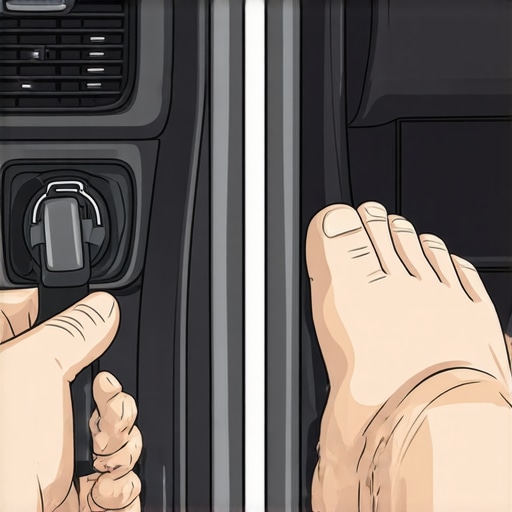
Why your brake pedal feels rock hard on the first start of the day
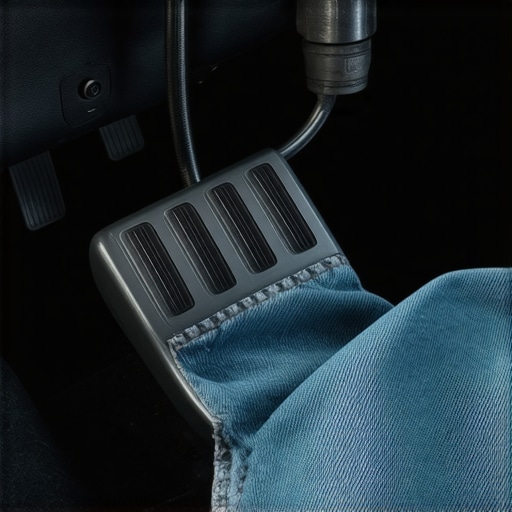
There I was, stepping on my brake pedal first thing in the morning, expecting that smooth, firm feel I rely on. Instead, I was met with a sensation that felt like pressing against solid stone. My heart sank—was my braking system failing? It’s a feeling many drivers experience at some point, and let me tell you, it’s more common than you might think. That initial stiffness can be nerve-wracking, especially when safety is at stake. But here’s the thing—I’ve been through this myself, and I’ve uncovered the reasons behind this morning surprise. Today, I’ll share what I learned to get that pedal back to normal and keep you safe on the road.
Understanding the Morning Brake Pedal Dilemma
It’s frustrating, isn’t it? You turn on your engine, press the brake pedal only to find it feels unyielding, almost as if it’s glued to the floor. Usually, after a few presses, it firms up, and everything seems fine. But that initial stiffness can cause concern, leading many to wonder if it’s a sign of impending disaster. In reality, this problem often roots in simple issues like accumulated moisture, air bubbles in the brake lines, or slight corrosion in the system. Knowing what causes this can help you address it quickly—saving you from unnecessary worries or costly repairs.
Early in my own experience, I made the mistake of ignoring this symptom. I thought maybe it was just a cold morning or a fluke. That was a mistake. Overlooking minor signs can lead to more serious issues down the line. As I researched, I learned that moisture buildup is a common culprit—water in the brake fluid can freeze overnight, creating a rigid pedal that loosens up once it warms. This fact is supported by automotive experts who emphasize the importance of regular brake fluid changes to prevent moisture-related problems (see here).
Now, I know what to check every morning—looking at your brake fluid’s condition and ensuring it’s topped up with fresh fluid can make a real difference. So, what’s next? We’re diving into practical steps to eliminate that rock-hard pedal and keep your braking system healthy, especially during those chilly mornings that can make things worse.
Is Thrusting into Repairs Actually Worth the Investment?
I understand why many drivers feel skeptical. After all, time and money are limited, and you might worry about crash repairs versus routine maintenance. Early in my career, I once ignored the signs, thinking I could ‘wait it out’—big mistake. That hesitation cost me more, both in money and safety. So, trust me when I say that addressing these issues promptly, including routine checks like brake fluid testing, is a smart move. Want to learn more about maintaining your brake system? Check out this resource to see why regular maintenance extends your vehicle’s lifespan and keeps you safe on the road.
Inspect the Brake Fluid and Reservoir
Start by locating your brake fluid reservoir, typically near the firewall on the driver’s side. Remove the cap and check the fluid level—it should be between the “MIN” and “MAX” marks. If it’s low, top it off with the manufacturer-recommended brake fluid, preferably new. Old or contaminated fluid can cause a stiff pedal due to moisture buildup or particles. I once found my fluid nearly empty during a cold morning, which made the pedal unresponsive. Replenishing it instantly improved pedal feel. Make sure to use high-quality brake fluid, as inferior types can cause corrosion and further issues.
Bleed the Brakes to Remove Air Bubbles
Air in brake lines is a common culprit for a hard pedal—think of it like a tiny bubble trapped in a straw preventing fluid from flowing smoothly. To fix this, you’ll need a helper and a wrench. Locate the bleed screws on each wheel caliper or drum. Attach a clear tube over the bleed valve, dipping it into a container with fresh brake fluid. Have your assistant press the brake pedal slowly until they see fluid and bubbles escape, then open the screw briefly. Close it before they release the pedal to prevent air from re-entering. Repeat until the pedal firm up. I recommend doing this on all four wheels for a comprehensive fix. For more detailed procedures, refer to this guide.
Restore System Pressure with a Power Bleed
If manual bleeding doesn’t do the trick, a power bleeder can apply consistent pressure, pushing out trapped air more effectively. I’ve used a portable brake bleeding kit that connects to your brake fluid reservoir and compressor. It’s especially useful after replacing hydraulic components. Be cautious to follow the device instructions carefully to avoid over-pressurizing the system or introducing dirt. This step ensures the hydraulic system maintains optimal pressure, giving you a firm pedal every time. A well-maintained system like this not only fixes stiffness but prolongs component lifespan. For advanced techniques, see regular maintenance tips.
Check the Brake Components for Corrosion or Damage
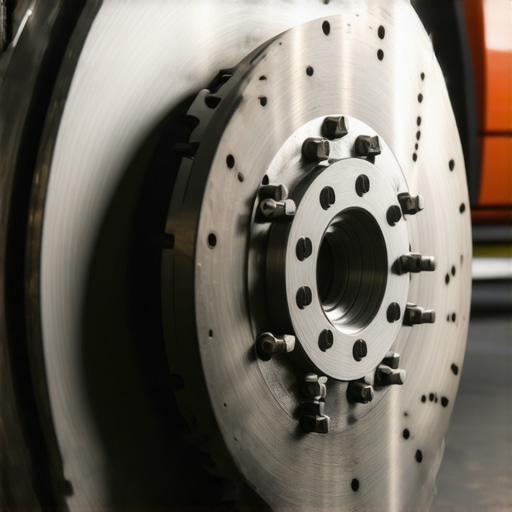
Inspect brake pads, rotors, and calipers for rust, cracks, or uneven wear. Corrosion can cause calipers to stick, making pedal feel hard. I once found my calipers seized after a winter trip, which required cleaning and lubricating the slides. Use a wire brush to remove surface rust and apply high-temperature lubricant to moving parts. Replace worn pads or warped rotors to restore proper braking function. This is critical because sticking calipers keep pressure on the brake pads, preventing full release and leading to pedal stiffness. For your vehicle, consider consulting an ASE certified technician to ensure thorough inspection—a standard of quality emphasized in ASE certification insights.
Synchronize the Brake System and Test Drive
After completing these steps, gently pump the brake pedal a dozen times to build pressure. Then, carefully test drive in a safe area to assess responsiveness. If the pedal feels firm and responsive, you’ve likely addressed the root cause. If issues persist, consider inspecting the master cylinder or vacuum booster, as they can also cause pedal stiffness. Remember, regular brake system checks—especially before winter—prevent surprises on cold mornings. For deeper understanding, check out tips for choosing proper car service.Many car owners believe that an ASE certification guarantees a mechanic’s expertise, that standard oil changes keep engines running forever, and that transmission repairs are straightforward fixes. But in reality, there’s more beneath the surface.
First, **ASE certification is often misinterpreted as a badge of perfection**. While it signifies that a technician has passed rigorous testing, it doesn’t necessarily mean they have experience with your specific vehicle model or its unique quirks. Some shops might advertise ASE-certified techs to boost credibility, but quick assumptions can be costly. To ensure quality, ask for detailed maintenance histories and consider reviews—remember, certification is just one piece of the puzzle.
**Common myths about oil changes can lead drivers astray**. Many believe that changing oil every 3,000 miles is mandatory for modern engines. However, according to automotive experts, high-quality synthetic oils can safely extend this interval to 7,500 or even 10,000 miles. Overchanging oil not only wastes money but also risks exposing engine components to unnecessary drain intervals, possibly causing leaks or sludge buildup if the drain isn’t done properly.
When it comes to **transmission maintenance**, the misconception is that transmission fluid lasts the lifetime of your vehicle. In truth, transmission fluid degrades over time, collecting debris and losing its lubricating properties. Regularly scheduled flushes and fluid replacements are vital to prevent slipping, overheating, and costly repairs. Advanced drivers should ask: “What are the signs that my transmission fluid needs replacement?”—see this detailed guide to stay ahead of potential failures.
**Beware of the oops factor: the trap of neglecting small issues**. Ignoring a slipping clutch or delayed shifts might seem minor initially, but these are warning signs of impending transmission failure. Failure to address them early can lead to complete transmission rebuilds or replacements, which are significantly more expensive than routine checks.
**Are all car services created equal?** Absolutely not. While a generic auto shop might offer quick fixes, specialized technicians with experience in your vehicle’s make and model can detect nuanced faults that others might overlook. For example, subtle transmission solenoid issues can cause erratic shifting, but only experienced, well-trained technicians will diagnose this correctly.
Finally, the importance of doing your own research cannot be overstated. Regularly reviewing trusted sources, such as expert publications and verified tutorials, helps you understand when a simple oil change is enough or when a more thorough transmission diagnosis is warranted. Remember, proactive maintenance and informed choices extend the life of your vehicle.
Have you ever fallen into this trap? Let me know in the comments, and stay an educated car owner by visiting our contact page for personalized advice.
Choosing the Right Troubleshooting Equipment for Ongoing Care
Maintaining your vehicle’s transmission, oil life, and overall service requires not just knowledge but also the right tools. I personally rely on a high-quality scanner like the Autel MaxiSys MS909, which provides comprehensive diagnostic codes, live data, and special functions specific to transmission systems. This device helps me not only identify issues quickly but also verify the effectiveness of repairs without the need for multiple trips to the shop. Investing in a professional-grade scanner might seem costly initially, but it pays dividends over time by catching potential problems early and confirming proper repairs.
Strategic Maintenance Scheduling Software
Beyond physical tools, I use maintenance management software such as Fleetio to keep track of service intervals, fluid changes, and component inspections. This cloud-based tool syncs across devices, sending reminders for next oil change, transmission fluid flush, or ASE-recommended inspections. By automating these reminders, I ensure my vehicles receive timely attention, which prolongs their lifespan and optimizes performance. Look for software that allows customization based on your vehicle’s particular make and model, ensuring you never miss a critical maintenance window.
Implementing a Long-Term Inspection Routine
Regular visual inspections form the backbone of preventive maintenance. I schedule routine checks every 5,000 miles, inspecting transmission fluid color and smell, brake component wear, and oil leaks. Using a compact endoscope camera like the Depstech USB Digital Microscope allows me to peer into tight spots like the transmission pan or behind the engine without disassembly. Capturing images and videos helps me record issues over time and compare changes, highlighting patterns that signal impending failures. This proactive approach reduces unexpected breakdowns and costly repairs.
Predictions on Future Trends in Vehicle Care
The automotive industry is leaning increasingly towards integrated telematics and predictive analytics. I predict that in the near future, vehicles will come equipped with onboard sensors linked to cloud AI, alerting owners about component degradation before symptoms occur. This advancement will likely make routine maintenance more precise, reducing guesswork and improving safety margins. Staying ahead means adopting smart diagnostic tools now and partnering with ASE-certified technicians who embrace these technologies, as outlined in this resource.
How do I keep my transmission system performing over time?
Ensuring your transmission remains smooth and responsive involves a combination of regular fluid changes, using high-quality oils, and monitoring for unusual noises or shifting issues. Employing a transmission-specific scanner can help detect early signs of wear, such as solenoid malfunction or electronic faults. Additionally, scheduling professional flushes every 30,000 to 50,000 miles based on your vehicle’s specifications significantly reduces the risk of failures. Consider trying out advanced diagnostics with tools like the ones I’ve mentioned, which provide real-time data and help prevent catastrophic breakdowns before they happen.
What I Learned the Hard Way About Trusting Quick Fixes
One of my biggest revelations was that ignoring early signs of brake system issues often leads to more complex and costly repairs. I used to think that a stiff pedal on cold mornings was just a minor inconvenience, but I discovered it’s often a warning sign of moisture buildup or air in the lines. Recognizing these clues early, like inspecting brake fluid regularly, can save you money and keep you safe.
Why Routine Checks Beat Surprises
Regularly monitoring your brake fluid condition and performing preventive maintenance has saved me from sudden breakdowns. Learning to ‘listen’ to my vehicle’s subtle cues—like changes in pedal feel or unusual noises—has empowered me to act before small problems turn into emergencies. This approach underscores that consistent inspections are your best defense against unexpected failures.
The Power of Proper Tools and Knowledge
Having the right diagnostic tools, such as a quality scanner, enables early detection of transmission or brake issues. Combining this with credible resources like recommended maintenance practices has transformed my approach from reactive to proactive. Investing time and resources into proper equipment and education pays dividends in vehicle longevity.
From My Mistakes to Your Advantage
Learning from my missteps—like neglecting minor fluid level drops or delayed inspections—has taught me that small, consistent actions are keys to reliable vehicle performance. Don’t wait for a warning light to turn on; instead, trust your instincts and stay ahead with regular care, ensuring your car continues to serve you safely and efficiently.
Make Your Car’s Health a Priority Today
Now that you know these insider lessons, it’s time to implement routine checks and use quality tools for ongoing car care. Remember, understanding your vehicle’s signals and addressing issues early not only extends its lifespan but also keeps you safe on every journey. Are you ready to take the next step in mastering your vehicle’s maintenance?
What small maintenance habit have you found most effective in keeping your car running smoothly? Share your experience below!