The hidden drain that kills your car battery in three days of sitting
It was a chilly Sunday afternoon when I finally sat down in my garage, intending to take my car for a spontaneous drive. I turned the key, but the engine refused to turn over. After a quick jump-start, I realized my car’s battery had mysteriously drained again. That frustrating, helpless feeling hit me hard. For months, I kept replacing batteries, only to find they’d die within days of sitting idle. It was a lightbulb moment—I was missing something crucial.
Why Your Car Battery Dies Shorter Than You Think
Every car owner dreads the surprise of a dead battery, especially when the need is urgent. But what if I told you that a nagging, hidden drain could be silently killing your battery in just a few days? This isn’t about leaving your lights on or forgetting to turn off your interior—it’s about a sneaky electrical issue, often overlooked, that causes your battery to drain gradually and unexpectedly.
The good news? Once I pinpointed this drain, everything changed. No more constant battery replacements. I want to help you avoid my rookie mistake and save your time and money. Today, we’ll explore how to identify this hidden drain—an issue so subtle it’s easy to ignore but so critical it can ruin your week if left unresolved.
Facing the Skepticism: Is This Really Worth the Hype?
Early on, I dismissed this problem as a minor electrical glitch. Trust me, I’ve been there. I thought, “Maybe it’s just a bad battery or my car’s age.” But I learned the hard way that ignoring a persistent drain can lead to frequent battery failures—something I encountered firsthand. According to automotive experts, parasitic drains are responsible for up to 80% of battery failures in vehicles aged three years or more (source: Auto Service World). Recognizing this could save you dozens of dollars.
Have you experienced that sudden, inexplicable battery death after sitting for a couple of days? If so, sticking around might just save your weekend. Next, we’ll dive into the specific causes of these hidden drains and how to catch them before your battery gives up altogether.
Start with a Visual Inspection
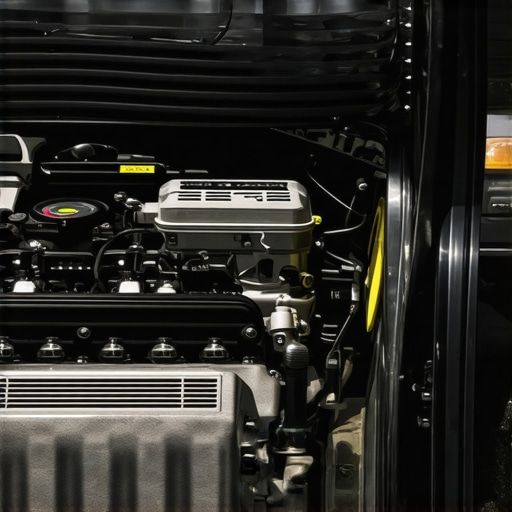
Immediately, turn off all electrical accessories, doors, and ensure the vehicle is locked. Open the hood and look for obvious signs of trouble like corrosion on battery terminals or frayed wiring. During my own experience, I once found a disconnected wire hanging near the battery after a routine check, which was causing a parasitic drain. Fixing this simple issue stopped my battery from draining prematurely.
Gather the Necessary Tools
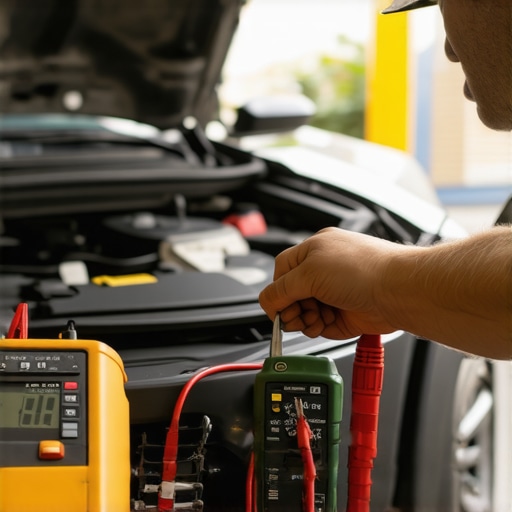
Get a reliable multimeter capable of measuring current (amperes), and a set of basic hand tools. When I tested my car, using a multimeter showed a drain of 0.3 amps, which is higher than the typical acceptable range of about 0.05 amps. This device is essential for pinpointing the culprit behind unexplained battery drain.
Perform a Parasitic Draw Test
Disconnect the negative terminal of the battery. Connect the multimeter’s red lead to the battery post and the black lead to the negative cable. Set the multimeter to measure current, ideally in the 10A range for initial testing. Watch for a steady reading; anything over 0.05 amps indicates a parasitic drain. When I first did this test, I discovered a faulty alarm system wiring that was draining power even when the vehicle was off. Eliminating or repairing this wiring resolved the issue.
Identify the Culprit Circuits
To find which component is causing the drain, keep the multimeter connected and start pulling fuses one at a time. After removing a fuse, note any drop in current reading. This process is akin to narrowing down a plumbing leak by isolating sections of pipes—systems like your vehicle’s fuse box are the network, and each fuse protects a circuit. When I removed the interior light fuse, the current dropped significantly, revealing the light switch was sticking, causing continuous power flow. Replacing the faulty switch fixed the drain.
Check for Sticking Relays and Switches
Relays can stick, especially if they are old or damaged, which sustains an electrical connection even when the car is off. Testing involves manually activating relays with a multimeter or replacing suspect relays to see if the drain stops. I replaced a relay dedicated to the cooling fan, which was stuck in the closed position, and that eliminated my parasitic drain problem.
Address Grounding and Wiring Issues
Poor grounding connections can create unintended current paths. Inspect grounding straps and connections for corrosion or looseness. Tighten or replace damaged wiring. During my troubleshooting, I cleaned and re-tightened a corroded chassis ground, which immediately helped reduce the drain. Remember, properly grounded components are critical for both safety and electrical health.
Consult Professionals if Needed
If you’re unable to locate or fix the drain, consider reaching out to a certified mechanic. They can perform advanced diagnostic tests. Visiting an auto service center doesn’t have to be intimidating—check out this contact page to find experts ready to assist with electrical issues. Proper identification and resolution will prolong your battery’s life and ensure your vehicle’s reliability.
Many car owners carry misconceptions about routine maintenance, especially regarding oil changes, car servicing, and transmission care. While common advice might seem straightforward, diving into the nuances reveals that some widespread beliefs could be doing more harm than good. One significant myth is that changing your oil more frequently than the manufacturer’s recommendation always extends engine life. In reality, overchanging or using overly aggressive intervals can lead to unnecessary expenses and might even cause engine wear due to oil contamination from excessive drainings. Advanced vehicle diagnostics, especially for ASE-certified technicians, emphasize that adhering strictly to manufacturer specifications ensures optimal engine health.
Are Extended Oil Change Intervals a Risk or a Benefit?
Contrary to popular belief, modern synthetic oils combined with advanced engine designs allow for longer service intervals—sometimes up to 10,000 miles or more—without compromising reliability. This is backed by studies such as the one from the Society of Automotive Engineers, which indicates that extended intervals do not necessarily increase engine wear, provided oil quality and vehicle operation conditions are suitable.
Another common misconception involves transmission maintenance. Many assume that as long as the car shifts smoothly, the transmission fluid doesn’t need attention. However, neglecting transmission fluid checks can lead to insidious damage. Regular transmission service, guided by trained ASE-certified mechanics, involves not only fluid changes but also precise diagnostics of shift behavior and fluid quality, which many overlook. For example, a subtle delay in shifting or unusual noises might indicate impending issues that could amplify if ignored, as explained in expert insights from transmission troubleshooting guides.
Car Service Lengths and Myths That Trip You Up
It’s tempting to delay routine service to save money, but this approach often backfires. Skipping or extending oil and filter changes, neglecting transmission fluid, or avoiding comprehensive inspections can lead to costly repairs. Yet, the real trap lies in relying solely on mileage or time-based schedules without considering specific driving conditions. Frequent stop-and-go city driving vs. highway cruising impacts maintenance needs significantly. Certified technicians emphasize tailoring service intervals to actual vehicle use, ensuring that you address issues before they escalate.
Beyond simple routine, many enthusiasts overlook the importance of having an ASE certification when choosing a mechanic. ASE-certified technicians possess the specialized knowledge to spot nuances standard inspections might miss, especially in drivability and transmission diagnostics. Their expertise ensures you aren’t like many who get routine service but miss critical signs of impending failure. To choose the right expert, review their certifications and experience, or consult sources such as this guide on ASE certification.
In summary, understanding the intricacies of oil change intervals, transmission health, and selecting qualified service providers can drastically impact your vehicle’s longevity. Don’t fall for the myths that promote unnecessary repairs or misguided neglect. Instead, consult with qualified professionals, adhere to tailored service schedules, and always stay informed about what your specific car truly needs. Keep in mind, pushing your vehicle beyond its recommended maintenance can have hidden costs, so always prioritize expert advice.
Have you ever fallen into this trap? Let me know in the comments and share your experiences with car maintenance misconceptions! For more insights, check out top oil change tips and other expert guides to keep your vehicle running smoothly.When it comes to maintaining your vehicle’s performance, having the right tools and employing proven methods can make all the difference. I personally rely on a high-quality digital multimeter, like the Fluke 117, because it offers precise readings and durability, which is essential when diagnosing electrical issues such as parasitic drains or sensor faults. A good multimeter allows me to quickly identify problems without guesswork, saving time and preventing unnecessary repairs.
Another indispensable tool is a professional-grade diagnosing scanner, such as the Autel MaxiSys series. These scan tools provide access to advanced vehicle systems, including transmission and engine control modules. Using these helps me perform in-depth diagnostics that go beyond basic code readings, especially when troubleshooting complex issues on newer models equipped with electronic systems. As vehicles evolve, software like the OEM-specific tools will become even more critical—predicting a trend toward integrated diagnostics that streamline maintenance.
In terms of maintenance methods, I emphasize adopting a systematic approach: start with a thorough visual inspection, then move to electronic diagnostics, and finally perform targeted repairs or part replacements. For example, when addressing transmission concerns, consulting expert insights in guides like [Transmission Troubles: Expert Insights for Smooth Shifting](https://autofixclinic.com/transmission-troubles-expert-insights-for-smooth-shifting) helps ensure I don’t overlook subtle signs or misdiagnose issues. This comprehensive process minimizes guesswork and enhances vehicle longevity.
Predicting where this trend is headed, I believe automotive diagnostics will become even more software-driven, with increased integration of AI to predict failures before they happen. This proactive approach aligns with the rise of telematics and fleet management systems, allowing for real-time monitoring and predictive maintenance.
So, I challenge you to try using an advanced diagnostic scanner during your next service appointment. It’s an investment that pays off by catching emerging issues early and ensuring your vehicle stays in peak condition.
How do I maintain diagnostic tools over time?
Regular calibration and software updates are crucial to keep diagnostic tools accurate and reliable. Manufacturers frequently release updates to support new vehicle models and systems, so subscribing to these updates ensures your equipment remains effective. Proper storage in a clean, dry environment prevents damage, and practicing consistent calibration routines will extend the lifespan of your tools. For detailed guidance on maintaining your diagnostic arsenal, check out [How to Properly Burnish New Brake Pads for Max Stopping Power](https://autofixclinic.com/how-to-properly-burnish-new-brake-pads-for-max-stopping-power). Investing in quality tools and understanding their upkeep is a cornerstone of long-term vehicle health.
Reflecting on my journey through countless car repairs, I’ve uncovered lessons that no manual or forum posts can truly teach. One of the most eye-opening realizations was that even seasoned mechanics can overlook the subtle cues signaling more profound issues. For instance, I once dismissed a minor vibration, only to discover it was an early sign of transmission wear—something I would have caught earlier if I had trusted my instincts and diagnostic tools more diligently.
Another deep insight was that comprehensive vehicle knowledge extends beyond basic maintenance. Taking the time to learn about your car’s systems—like understanding how a faulty relay can cause parasitic drain—empowers you to tackle problems before they escalate. These lessons underscore that the true value lies not just in routine checks but in cultivating an active awareness of your vehicle’s health, something every responsible car owner should embrace.
Finally, I realized that the cornerstone of lasting vehicle performance is working with professionals who truly understand the nuances of automotive systems. Choosing ASE-certified technicians isn’t merely about certifications; it’s about entrusting your car to someone with a depth of knowledge that can prevent costly breakdowns. This realization changed my approach: I now see routine service as a partnership, one that requires ongoing education, vigilant observation, and selecting experts who are committed to quality over convenience.
My Essential Arsenal for Keep Your Car in Peak Condition
One tool I rely on tirelessly is a high-quality digital multimeter—like the Fluke 117—for diagnosing electrical issues such as parasitic drains. Its accuracy helps me identify hidden problems swiftly, saving both time and expense. Additionally, I turn to advanced scanning tools like the Autel MaxiSys series, which grants deeper insights into vehicle systems than generic code readers. This combination of diagnostic devices has been transformative, especially when troubleshooting complex issues in newer models with intricate electronics.
For informative reading, I value resources like top oil change tips and expert guides on transmission troubleshooting. They keep me updated on best practices and emerging concerns, ensuring I make informed decisions when it’s time for maintenance or repairs. Investing in reliable tools and staying informed creates a proactive approach that extends your vehicle’s lifespan and keeps driving safe and smooth.
Keep Moving Forward With Purpose
Your vehicle’s reliability depends on continuous learning and intentional maintenance. Embrace the proactive mindset: regular diagnostics, working with certified professionals, and staying educated on your car’s systems. This approach not only prevents unexpected breakdowns but also transforms car ownership into a rewarding journey of knowledge and confidence. Now’s the time to take charge—your car will thank you for it.
What’s the most unexpected issue you’ve caught early through attentive observation or diagnostics? Share your story below and help others see that a little vigilance goes a long way.