
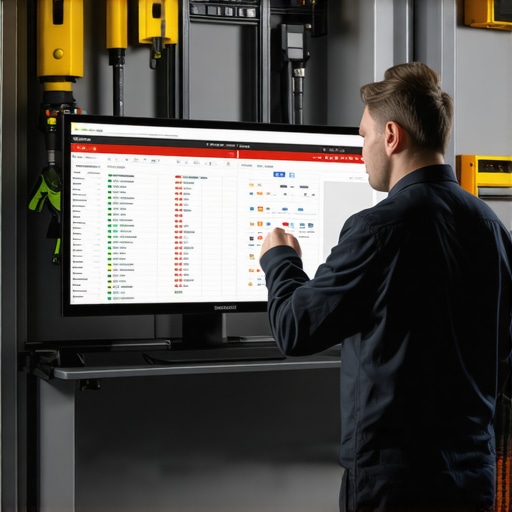
The Best Way to Organize Fleet Maintenance Schedules
I remember the moment vividly: it was a Monday morning, and as I pulled into the yard, one of our delivery vans sputtered and died right at the gate. The engine sputtered like a dying fish, and I knew right then—my fleet’s maintenance was a mess. That lightbulb moment hit me hard. I realized that without a proper system in place, I was flying blind, constantly hostage to unexpected breakdowns and costly repairs.
The Hidden Trap of Poor Fleet Maintenance Scheduling
Let’s be honest. Managing a fleet isn’t just about keeping the wheels turning; it’s about preventing those little issues from snowballing into costly disasters. Early on, I made a critical mistake: I relied solely on drivers’ reports and ad hoc repairs. It was chaotic, inconsistent, and led to more breakdowns. Over time, I learned that having a reliable maintenance schedule isn’t optional—it’s the backbone of a healthy fleet.
Now, I want to share what I’ve discovered works like a charm. In this post, we’ll explore how to set up a fleet maintenance system that keeps your vehicles running smoothly, saving you money and headaches. Trust me, a structured approach isn’t just theoretical—it’s practical, proven, and, frankly, a game-changer.
But first, let’s tackle a common concern. Ever wondered if a maintenance schedule is really worth the effort? Or are you skeptical because you’ve been burned by too many bureaucracy-filled protocols? I get it. Early in my journey, I fell into the trap of thinking: “Is this extra work really going to make a difference?” Truth be told, I once skipped regular oil checks, and that almost cost me a transmission overhaul. So yes, I’ve been there—and I know the hesitation.
If you’ve ever faced a sudden breakdown that disrupted your entire day—perhaps a truck overheating on a hot summer day or a van refusing to start on a freezing morning—you know why this matters. Proper maintenance isn’t about adding tasks; it’s about preventing those headaches before they happen.
Today, I’m going to walk you through how to craft an effective fleet maintenance schedule that anticipates problems, keeps your drivers happy, and your vehicles on the road. Ready? Let’s dive into the specifics that transformed my fleet management approach and could do the same for you.
Create a Preventative Maintenance Calendar
Start by mapping out your vehicle’s essential maintenance tasks based on manufacturer recommendations and operational demands. Use manufacturer maintenance schedules, such as those found in top oil change tips, as a foundation. For example, schedule oil changes every 3,000 to 5,000 miles for conventional oil, or follow synthetic oil intervals of up to 7,500 miles. Document each task and due date clearly in a digital calendar or fleet management software.
Apply the Right Maintenance Intervals
Think of your fleet like a series of delicate instruments—each component needs precise tuning. Regularly check your transmission fluid levels and condition; a neglected transmission can cause costly repairs or replacements. For complex systems like transmissions, consult transmission troubleshooting insights to understand optimal service intervals. Incorporate ASE-certified technician advice to ensure inspections and repairs meet industry standards.
Automate with Fleet Software
Manual tracking becomes cumbersome as your fleet grows. Invest in fleet management software that offers real-time repair status updates, such as fleet tracking solutions. These platforms notify you ahead of upcoming maintenance, track completed services, and store service records, acting like your fleet’s health dashboard. During my own implementation, I used such software to schedule a routine brake inspection, which prevented a sudden failure that could have sidelined one vehicle for days.
Keep Detailed Records
Every service performed should be documented meticulously, including dates, mileage, parts replaced, and technician notes. Think of this as a medical record for each vehicle, helping identify patterns leading to failures. Well-maintained records also boost resale value and simplify warranty claims, especially for routine tasks like brake system checks. My team started logging oil changes and tire rotations in a shared database, which revealed our tire wear patterns and allowed us to optimize rotation schedules.
Regular Inspections and Diagnostics
Schedule periodic inspections, especially before long hauls or after heavy usage. Use diagnostic tools to assess critical components, such as engine sensors and braking systems. For example, have ASE-certified technicians perform comprehensive diagnostics on your fleet’s engines to catch issues early—this is comparable to a doctor running blood tests before symptoms worsen. Checking engine idle and electrical systems regularly can prevent breakdowns during transit.
 Many vehicle owners believe they understand car maintenance well, but in reality, some misconceptions can lead to costly mistakes. For instance, the myth that “you only need an ASE certification if your car has issues” is a dangerous oversimplification. An ASE-certified mechanic has passed rigorous standards, but relying solely on certifications without understanding the nuances of modern engines can still leave gaps in your maintenance — especially with complex systems like transmissions, where early signs of trouble often go unnoticed. Regular diagnostics and updates are crucial, as newer vehicles incorporate sophisticated electronics that need proactive care.
Another prevalent misconception involves oil changes. Many assume that more frequent oil replacements are always better. However, overchanging conventional oil can be just as harmful as neglecting it, due to unnecessary oil disposal and potential damage from improper handling. The key is understanding manufacturer recommendations and choosing the right type—synthetic or conventional—based on your vehicle’s needs. For instance, synthetic oils can extend intervals up to 7,500 miles when paired with proper maintenance, as discussed in top oil change tips.
Have you ever fallen into this trap? Let me know in the comments.
What Advanced Car Owners Should Know About Transmission Maintenance
It’s tempting to think that all transmissions are self-sufficient, but neglecting specific warning signs can cause irreversible damage. Automatic transmissions, especially, require careful attention to fluid quality and compatibility. Many assume that a simple fluid change is always beneficial; however, in some cases, swapping old fluid prematurely or using incompatible products can worsen wear or void warranties. Consult transmission-related insights to tailor your maintenance schedule precisely. Remember, transmission issues often manifest as slipping, delayed engagement, or unusual noises—ignoring these signs under the false premise that “it’s just normal” can be costly, leading to full replacements and extended downtimes. Proper diagnostics by ASE-certified technicians can detect these early problems before they escalate, ensuring your vehicle shifts smoothly and efficiently.Maintaining your vehicles efficiently requires investing in the right tools and systems that not only ensure longevity but also facilitate scalability as your fleet grows. From diagnostic equipment to maintenance scheduling software, I personally rely on specific equipment that has proven invaluable in my operations. For instance, a high-quality scan tool like the Autel MaxiCOM MS908, which I use daily, allows me to perform comprehensive diagnostics on various vehicle makes and models. Its ability to read and clear fault codes, monitor real-time data, and perform active tests helps me catch issues before they become costly repairs, especially in complex systems like transmissions. Additionally, integrating fleet management software such as fleet tracking solutions offers real-time updates on vehicle health, schedules preventive maintenance, and keeps detailed service records, simplifying scaling efforts as your fleet expands. For efficient oil change practices, I utilize a digital oil viscosity tester to select the proper oil grade, aligning with top oil change tips, ensuring optimal engine protection and extending intervals. Investing in a high-quality torque wrench ensures that fasteners are tightened correctly during repairs, which is critical for safety and durability. As vehicle technology advances, incorporating electronic inspection tools becomes essential, and I foresee the trend moving toward integrated diagnostic platforms that combine hardware and cloud analytics. How do I maintain consistent performance over time? Routine calibration of diagnostic tools and adherence to manufacturer-recommended service intervals are the best strategies. By focusing on proper tool selection and systematic maintenance practices, you prepare your fleet for reliable performance now and scalability in the future. Use this approach—try calibrating your diagnostic equipment monthly and see how early issues become much easier to resolve. Your proactive attitude will pay off in lower repair costs and smoother scaling.
What I Wish I Knew About Fleet Care Before It Was Too Late
- One of the biggest surprises was realizing that skipping proactive transmission service can lead to sudden, expensive failures. Early signs, like hesitation or strange noises, often go unnoticed unless you’re actively diagnosing them with ASE-certified tools.
- Investing in reliable fleet management software transformed my approach—tracking repairs, scheduling maintenance, and analyzing patterns became second nature, saving me countless hours and dollars.
- Consistent record-keeping isn’t just paperwork; it’s the secret weapon for understanding vehicle health over time, allowing me to anticipate issues rather than react to breakdowns.
- Mastering diagnostics with professional-grade tools helped me catch problems before they turned catastrophic—think of it as the difference between waiting for a warning light and catching the problem beforehand.
- Understanding manufacturer guidelines and knowing when to go beyond them—like optimizing oil change intervals—kept my fleet running smoothly and extended vehicle lifespan significantly.
The Right Tools That Keep My Fleet Rolling Smoothly
- High-quality diagnostic scanners like the Autel MaxiCOM MS908 have been game-changers. They provide comprehensive fault code readings and real-time data, helping me address issues swiftly and accurately.
- Fleet management platforms such as fleet tracking solutions keep all vehicle records centralized, making scheduling preventive maintenance simple and effective.
- Digital oil viscosity testers enable me to select the proper oil grade, ensuring engine protection and extending service intervals, as recommended in top oil change tips.
- Reliable torque wrenches ensure that repairs meet exact specifications, preventing issues caused by under- or over-tightening fasteners, which is crucial during routine service or urgent repairs.
What Keeps Me Going in Fleet Maintenance
Every vehicle I manage is a learning opportunity. The key is staying curious and investing in the right education—regularly reviewing resources like what ASE certification really means helps me distinguish between surface-level fixes and thorough, quality repairs. My journey taught me that proactive fleet maintenance isn’t just about avoiding breakdowns; it’s about building trust with your team and empowering them with knowledge and reliable tools. By consistently refining my practices, I’m ensuring my fleet’s longevity and my peace of mind. The real reward? Vehicles that operate seamlessly, keeping your business profitable and drivers confident—proving that good maintenance is an investment, not an expense.