How a Certified Tech Diagnoses a Faulty Wheel Speed Sensor
It was a chilly morning when I first noticed that peculiar wobble in my car’s steering wheel. At first, I thought it was just a rough patch on the road, but as I drove on, the vibration persisted and even worsened. That moment right there is when I realized I was facing more than just a simple inconvenience; I was staring down a potential safety hazard. Like many car owners, I had ignored warning signs before, brushing them off as minor issues. But this time, I knew I had to dig deeper.
Diagnosing the Unseen Enemy: Why Proper Fault Detection Matters
Imagine driving along, and suddenly, your ABS light flickers on. Your immediate thought might be to ignore it or hope it resolves itself. But in reality, that little warning light is a crucial communicator from your vehicle’s brain, alerting you to underlying problems like a faulty wheel speed sensor. These sensors are vital for the anti-lock braking system (ABS) and traction control, ensuring your safety on the road. If faulty, they can cause uneven brake responses, or worse, unexpected loss of control.
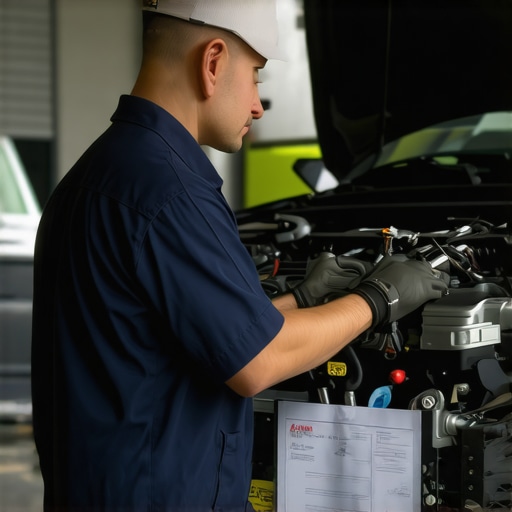
During my early days working with certified auto technicians, I made a common mistake: rushing to replace parts without an accurate diagnosis. I learned that a proper inspection, often using specialized diagnostic tools, can pinpoint the exact issue—saving time, money, and the peace of mind that comes with safety. Today, I want to share how a professional tech detects these elusive faults, so you won’t have to face surprise breakdowns or expensive repairs.
Have you ever experienced that sudden warning sign, only to dismiss it until it became a bigger problem? You’re not alone. Many drivers overlook early indicators, unaware that timely diagnosis can prevent serious accidents. According to automotive experts, diagnosing sensor issues before they escalate is critical. In fact, regular check-ups from an ASE-certified mechanic can extend your vehicle’s lifespan and keep you safe, as explained [here](https://autofixclinic.com/what-does-an-ase-certification-mean-for-your-cars-maintenance).
Now, with my personal experience and insights, we’ll explore how certified technicians approach diagnosing a faulty wheel speed sensor, and how you can benefit from their expertise. Let’s get started!
Gather the Right Tools
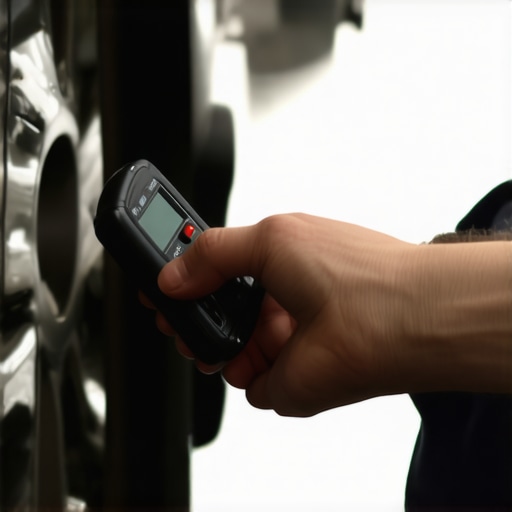
Start with an OBD-II scanner, which is essential for reading diagnostic trouble codes (DTCs). Additionally, have a multimeter, jack, jack stands, and wheel chocks on hand. Think of the scanner as your vehicle’s MAP, translating its language into understandable clues—much like a translator helps you understand a foreign language.
Ensure Safety First
Park your car on a flat surface, switch off the engine, and engage the parking brake. Use wheel chocks to prevent unintended movement. This is similar to stabilizing a shaky ladder before inspecting or climbing—safety is your top priority.
Locate the Wheel Speed Sensors
Identify the sensor’s position—generally near the wheel hub or brake assembly. Consult your vehicle’s manual or an online diagram for precise locations. Visualize the sensor as the car’s ‘watchdog,’ constantly feeding information about wheel speed to the car’s brain.
Inspect the Sensor and Wiring
Check for obvious damage, dirt, or corrosion. Use a flashlight to examine the wiring harness. If the wiring is frayed or corroded, replace or repair it. Imagine the sensor’s wiring as a communication line—like a telephone wire—that needs a clear, uninterrupted connection for proper messages.
Perform a Functional Test
Connect the multimeter set to resistance (ohms) mode to the sensor’s wires. Typical readings vary; consult your vehicle manual for specs. Spin the wheel by hand to see if the sensor produces a change in resistance. If the sensor doesn’t respond, it’s likely faulty—akin to a broken microphone in a chat room.
Use the OBD-II Scanner
Plug in the scanner and read codes related to wheel speed sensors, such as C0035 or B0220. Clear the codes and see if they reappear after test driving. This process is like checking the alarm system after resetting it to confirm it’s been disabled.
Replace or Repair the Sensor
If testing indicates a faulty sensor, remove it carefully using appropriate tools. Pay attention to the orientation for reinstallation. When installing a new sensor, confirm it sits flush and connections are secure. I remember a time I replaced a sensor that was stuck due to rust; applying penetrating oil beforehand made removal easier and prevented damage—like using WD-40 to loosen a stubborn bolt.
Test Drive and Confirm
After repairs, take your vehicle for a short drive. Check for warning lights and re-scan for DTCs. If no codes return and the vehicle handles smoothly, you’ve successfully fixed the issue. Think of this as a test run—like tuning a musical instrument until it sounds perfect.
Schedule Regular Maintenance
Prevention is better than cure. Regularly inspect the wiring and sensors, especially before long trips or bad weather. Consider professional inspections; ASE-certified technicians use advanced diagnostic tools to catch issues early, saving you money and stress—like regular oil changes that extend your engine’s life, as discussed [here](https://autofixclinic.com/why-regular-oil-changes-extend-your-cars-lifespan).
 Many car owners believe that all service centers are equal or that choosing the cheapest option guarantees savings. However, what most people overlook is the significance of technical certifications, especially ASE certification, which ensures technicians possess verified expertise. Relying solely on basic oil changes without understanding the nuances of transmission maintenance can lead to costly repairs down the line. Advanced mistakes, like neglecting transmission fluid condition or misjudging the importance of quality engine oil, are common pitfalls.
Contrary to popular belief, an ASE-certified technician doesn’t just perform routine checks but applies a comprehensive diagnostic approach, preventing issues before they escalate. For instance, maintenance of the transmission system isn’t just about fluid replacements; it involves inspecting seals, filters, and internal components—an area where specialized knowledge makes a huge difference. Skipping this can result in shuddering shifts or even total transmission failure, which experts warn is often preventable with proactive diagnostics.
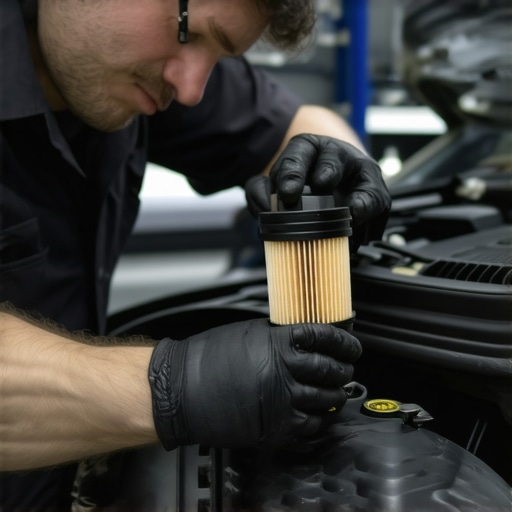
A prevalent myth is that oil changes are solely about replacing the filter and adding new oil. In reality, modern engines require detailed attention to oil viscosity, contamination levels, and additive quality. Regularly scheduled oil changes aligned with manufacturer specifications, supported by expert insights, can extend your engine’s lifespan significantly. As outlined in [this](https://autofixclinic.com/why-regular-oil-changes-extend-your-cars-lifespan) post, neglecting these details invites sludge buildup and wear.
Why do many underestimate transmission maintenance and risk costly repairs?
Beyond basic protocol, transmission care involves checking for metal shavings, adjusting fluid levels accurately, and inspecting for leaks—all of which require advanced diagnostic tools and expert training. This is why choosing a service provider with ASE certification and a specialization in transmissions isn’t just beneficial—it’s essential for peace of mind. Moreover, some shops might promote quick fixes, but true quality service involves understanding the vehicle’s entire drivetrain, not just surface-level repairs. Ignoring these nuances can turn minor hiccups into major failures.
Misunderstandings about vehicle maintenance extend to what’s considered routine versus critical. For instance, many overlook that transmission fluid doesn’t just lubricate but also acts as a coolant, especially in modern transmissions. As highlighted by industry specialists, regular diagnostics focusing on transmission health can prevent unexpected breakdowns. Visiting a reputable shop, understanding the importance of precise fluid changes, and avoiding shortcuts are key steps.
In conclusion, the real expert approach to car service involves understanding that not all maintenance tasks are created equal. Recognizing the value of ASE certification and the complexity of systems like transmission components can save you money and prolong your vehicle’s life. Are you falling into any of these common traps? Let me know in the comments.Maintaining a vehicle’s optimal performance requires more than just routine oil changes; it involves utilizing the right tools and adopting effective methods that ensure long-term reliability. One of my go-to tools is the professional-grade diagnostic scanner, such as the Autel MaxiCOM series. I personally prefer these because they offer comprehensive coverage, real-time data, and compatibility with a wide range of vehicle makes and models, which is crucial for accurate fault detection, especially when dealing with complex components like transmission systems. Additionally, investing in a high-quality multimeter enables precise testing of sensors and electrical connections, helping to identify issues early before they escalate into costly repairs.
Beyond hardware, I highly recommend using specialized software like OBDLink’s interface with a tablet or laptop. This setup allows for detailed live data analysis and custom parameter monitoring, which can help track performance trends over time. Regularly updating the diagnostic software ensures access to the latest vehicle codes and manufacturer-specific parameters, a practice that I consider essential for staying ahead of potential problems.
To keep your vehicle running smoothly over the years, schedule periodic inspections using these tools—ideally every few months—depending on your driving habits. This proactive approach helps catch issues like transmission slippage or transmission fluid overheating early, preventing serious damage. Remember, a well-maintained transmission can last well beyond the 200,000-mile mark with proper care, as expert transmission diagnostics suggest. For more detailed guidance, check out [transmission troubleshooting insights](https://autofixclinic.com/transmission-troubles-expert-insights-for-smooth-shifting).
Looking ahead, I believe the trend in vehicle maintenance is moving toward integrating advanced telematics and AI-driven diagnostics, enabling even more precise and predictive care. These innovations could revolutionize how we maintain our cars, making repairs more efficient and less disruptive.
How can you keep your car performing at its best over time? Focus on consistent use of advanced diagnostic tools and adhere to the manufacturer’s maintenance schedule—especially regarding oil and transmission fluid changes. These steps ensure your vehicle remains reliable and safe on the road. For detailed scheduling tips, visit [top oil change tips for safe driving in 2025](https://autofixclinic.com/top-oil-change-tips-for-safe-driving-in-2025), and consider trying out a diagnostic scan this month to identify any hidden issues early. Regular inspections and preventive maintenance might seem like extra steps now, but they pay off by saving money and ensuring peace of mind down the line.Over the years, I’ve learned that the most valuable insights about car maintenance aren’t found in generic advice but stem from real-world experiences and lessons learned from seasoned professionals. One lesson that stands out is the importance of trusting certified technicians who understand the nuances of your vehicle’s systems, especially when it comes to complex components like transmissions and sensors. For example, recognizing that a simple sensor test can prevent a costly transmission overhaul taught me to always look deeper before reacting. Additionally, understanding that regular oil changes, supported by expert insights, aren’t just routine but essential investments, has saved me from engine failures. These personal revelations underscore that the true value in vehicle care lies in adopting an informed, proactive approach rather than relying solely on surface-level fixes.