Why Your New Battery Died After Only Six Months
Picture this: I pop the hood, expecting my brand-new battery to be ready to go, only to find my car struggling to start. The frustration hits hard—this was supposed to last for years, not just half a year. I’ve been there, and I bet many of you have faced that sinking feeling when your fresh battery bites the dust way sooner than expected.
The Real Why Behind That Unexpected Battery Death
It’s not just bad luck or a defective part; often, it’s the little things we overlook. When my battery died early on, I thought the dealership had installed a lemon. Turns out, some simple mistakes can short-circuit your battery’s lifespan—things like leaving interior lights on, or worse, poor maintenance habits. Did you know that a faulty charging system or parasitic drain could be silently killing your battery? According to experts at ASE Certified Mechanics, a poorly maintained charging system is one of the prime culprits behind premature battery failure.
So, what’s the secret sauce? How do you avoid tossing money at new batteries only to have them die early? Well, it’s about understanding the root causes and taking simple steps to protect your investment. Stick around, because I’m about to share my personal tips—none of that hype, just real, practical advice grounded in experience—and how you can keep your new battery humming for years to come.
Is Your Battery Really Dead or Just Drained?
Maybe You’re Falling for Common Myths
One mistake I made early on was assuming that a car with a six-month-old battery is automatically defective. Instead, I learned that many batteries are simply drained by preventable causes. For example, leaving lights on overnight or using cheap, incompatible chargers can drastically shorten your battery’s life. Want to boost your chances of long-term battery health? Check out this guide on maintaining your vehicle properly.
If you’ve faced similar frustrations or just want peace of mind, knowing what to look for can save you money and headaches. And hey, isn’t it better to understand your car’s innerworkings than keep throwing parts at problems? Now, let’s dive into the most common mistakes and how to avoid them.
Check Your Charging System Regularly to Prevent Surprises
During a recent weekend, I used a multimeter to test my car’s alternator, which is crucial for keeping the battery charged. I disconnected the negative terminal, set the multimeter to voltage, and placed the leads on the battery terminals. A healthy alternator should read around 13.8 to 14.5 volts. My reading was slightly below, indicating potential issues. Replacing a faulty alternator before it failed saved me from an unexpected breakdown. Regularly testing your charging system can catch problems early, saving costs and avoiding inconvenience. For deeper insights, check out how to spot a failing alternator.
Perform Routine Oil Changes to Protect Your Battery and Engine
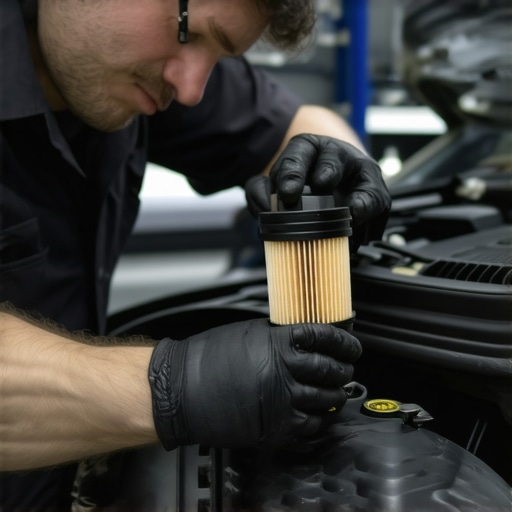
In my experience, neglecting oil changes can indirectly harm your battery. Old, contaminated oil causes your engine to work harder, increasing electrical load and stressing the charging system. I schedule oil changes every 5,000 miles, using the proper oil type recommended for my vehicle. This includes choosing the right oil viscosity and additives, especially if you own a luxury car that needs high-zinc oil, as explained here. Consistent oil changes keep your engine running smoothly, reducing parasitic drain that can prematurely exhaust your battery.
Manage Interior Lights and Devices to Avoid Drainage
One of my most common pitfalls was leaving interior lights on overnight. This simple mistake drained the battery, making it impossible to start the next day. To prevent this, I always double-check that all lights, including trunk and glove box lamps, are off before exiting. For electronic devices, avoid using cheap chargers that can cause parasitic draw. Using high-quality, compatible chargers helps maintain battery health. Remember, a drained battery is often not dead but just temporarily depleted. Learn more about preventing drain issues at this guide on electrical drain.
Inspect and Maintain Your Battery Terminals
Corrosion buildup on terminals is a sneaky culprit of early battery failure. I once found white, powdery deposits on my battery posts, which hindered proper electrical contact. Cleaning the terminals with a mix of baking soda and water restored a solid connection. After cleaning, I applied a thin layer of petroleum jelly to prevent future corrosion. Regular inspections, at least every 6 months, ensure terminals remain clean. For comprehensive advice, visit tips on battery maintenance.
Schedule Professional Maintenance Checks Annually
Even if I feel confident handling minor issues, I schedule an ASE-certified mechanic for a full inspection annually. A thorough checkup covers the charging system, alternator, starter, and overall electrical health. When I took my car to a trusted specialist, they identified a slightly worn serpentine belt that affects the alternator’s efficiency. Replacing it prevented future charging problems. Routine professional inspections are an insurance policy against unexpected failures and extend your battery’s lifespan. Find experts near you at this contact page.
Many car owners believe that following basic maintenance schedules is enough, but in reality, there’s a lot of nuance that often gets overlooked. One common misconception revolves around the significance of ASE certification. While passing the ASE exam demonstrates a mechanic’s competency, relying solely on the certification without understanding the technician’s specific training or experience can be misleading. Not all ASE-certified techs are equal; some may have specialized training in transmissions or engine diagnostics, which is critical for complex issues. According to automotive industry experts, a deeper understanding of a mechanic’s specialization ensures you’re getting the right expertise for your vehicle’s needs.
Are All Transmission Repairs Created Equal?
Another misconception involves transmission repairs. Many assume that a simple fluid flush can fix shifting issues—however, this might only address surface symptoms. Ignoring underlying problems like worn clutch packs or damaged valves can lead to recurring failures. Experts at transmission specialists warn that a full diagnosis is essential before any repair, especially on newer sealed or lifetime fluid transmissions. Skipping this step risks falling into what I call the ‘short-term fix trap,’ which can cost more in the long run. 
Similarly, many overlook the importance of choosing the correct oil for specific vehicles. While conventional wisdom suggests regular oil changes are routine, not all oils are suitable for every engine. For luxury or high-performance cars, using high-zinc or synthetic blends tailored to your engine’s needs can prevent premature wear and extend service intervals. Failure to adapt oil choice based on your vehicle’s requirements is a sneaky way owners undermine their own maintenance efforts. Have you ever fallen into this trap? Let me know in the comments.
Another advanced mistake is neglecting proper fluid analysis during oil changes, which can reveal early signs of engine wear or leaks. Cutting corners here can mean missing critical issues until they become costly repairs. As professionals suggest, regular oil analysis paired with routine oil changes provides the best early warning system for your engine’s health. Learn more about selecting the right oil for your luxury car.
Finally, understanding when to escalate from basic maintenance to professional diagnostics is vital. Thinking that an alert light or minor performance hiccup can be ignored is a mistake. Modern vehicles have complex systems that require sophisticated analysis tools—something an experienced ASE tech can provide. Recognizing these advanced nuances ensures you avoid costly repairs down the line. Remember, automotive maintenance is not just about routine checks but about smart, informed decisions—something that makes all the difference in the longevity of your vehicle.
How do I maintain my vehicle’s health over time?
Consistency is key when it comes to keeping your car running smoothly for years. One of my favorite tools is a high-quality OBD-II scanner. I personally use the BlueDriver Bluetooth scanner because it seamlessly pairs with my smartphone and provides detailed ABS, transmission, and engine codes. This allows me to catch developing issues early before they escalate into costly repairs. Regularly scanning your vehicle with a reliable device helps you stay on top of pending diagnostics and ensures you’re not caught off guard during long drives.
Another indispensable item is a digital multimeter. I always keep mine in the glove box. It’s essential for checking battery voltage, charging system outputs, and troubleshooting electrical drains. Setting the multimeter to 20V DC, I measure the battery voltage with the engine off and running, comparing the readings to the manufacturer’s specifications. This small investment has saved me from unexpected breakdowns, especially when my car’s warning lights come on.
In terms of software, I rely on reputable maintenance tracking apps like AutoMate. It reminds me when to get oil changes, transmission fluid checks, and filter replacements, based on my vehicle’s schedule and driving habits. For example, I follow the latest oil change tips to maximize engine health, especially for high-mileage cars or luxury vehicles that require specific oils, like high-zinc formulations.
The future of vehicle upkeep points toward smarter, connected tools
Looking ahead, I predict that diagnostic tools will become more integrated with vehicle telematics, allowing remote monitoring of vital signs. Imagine receiving alerts from your car’s system directly to your smartphone, or scheduling maintenance proactively through AI-driven analytics. As vehicle systems evolve, the importance of investing in these advanced tools will only grow, making routine maintenance more precise and less time-consuming. To get a head start, I recommend trying out a comprehensive OBD-II scanner and tracking app combination, which I personally use to keep my car in top shape.
How can I keep my transmission shifting smoothly over time?
One approach I swear by is the use of a dedicated transmission conditioner, like Sea Foam TransTune. I add it during regular oil changes, following the instructions carefully. This helps replenish the transmission’s internal fluid with conditioners that reduce wear and prevent issues like hard shifting or slipping. For added peace of mind, I periodically review expert insights on transmission care, ensuring I adapt my maintenance routine as my driving habits change.
Investing in quality tools and doing proactive maintenance not only extends your vehicle’s lifespan but also ensures safer, more reliable performance on every trip. For a final tip, I highly encourage you to regularly inspect and replace your transmission fluid, especially if your vehicle exhibits shifting hesitations or delays. Remember, staying ahead with the right tools can make all the difference in maintaining peak performance for your car long-term.
For more detailed guidance on selecting the best tools for your vehicle, visit our comprehensive guide and start upgrading your maintenance arsenal today.

Lessons Only the Road Taught Me About Car Care
- Never assume that a new battery is immune to early failure—regular testing and attentive maintenance are the real safeguards.
- Understanding your vehicle’s electrical system, including alternator health, is key to preventing unexpected breakdowns.
- Trust over gadgets—nothing replaces hands-on inspections of critical components like battery terminals and belt integrity.
- Investing in proper tools and expert guidance saves money and extends your car’s lifespan far more than neglect or shortcuts.
- My biggest lightbulb moment was realizing that consistent proactive care beats reactive repairs every time. Car maintenance isn’t just about fixing problems; it’s about preventing them.
Tools and Resources That Keep Me Moving Forward
- BlueDriver Bluetooth OBD-II Scanner: Reliable, user-friendly, and insightful—helps me catch issues early before they escalate.
- Multimeter: A simple tool with powerful benefits—regular checks of my battery and charging system give me peace of mind.
- Maintenance apps like AutoMate: Keeping track of service schedules and reminders ensures I never miss critical upkeep.
- Expert articles from AutofixClinic: Trusted guidance on specific issues like high-zinc oil usage or transmission care helps me make informed decisions.
Your Drive Towards Confidence Starts Now
Taking charge of your vehicle’s health with informed, proactive steps can transform your driving experience. No matter how new or old your car is, understanding its inner workings and staying ahead of maintenance needs will reward you with years of reliable performance. Remember, the journey to a healthier car begins with small, consistent actions—gear up with the right tools and knowledge, and enjoy the ride with confidence.
What’s the most surprising thing you’ve learned about maintaining your car? Share your experience below—I’d love to hear your stories!
,