Why Your Gear Shifter is Hard to Move Out of Park
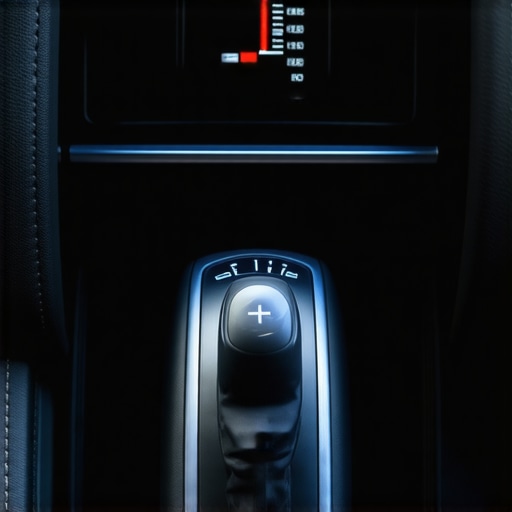
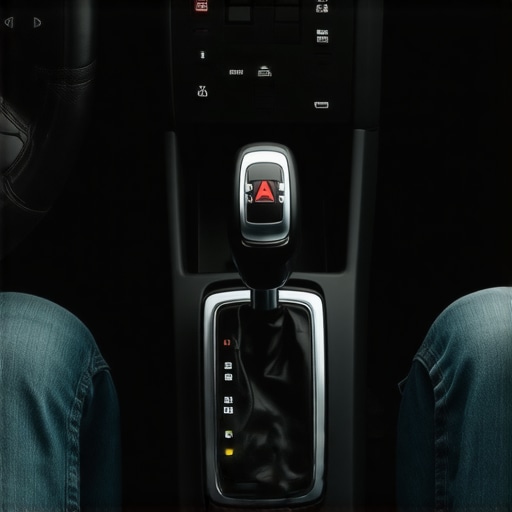
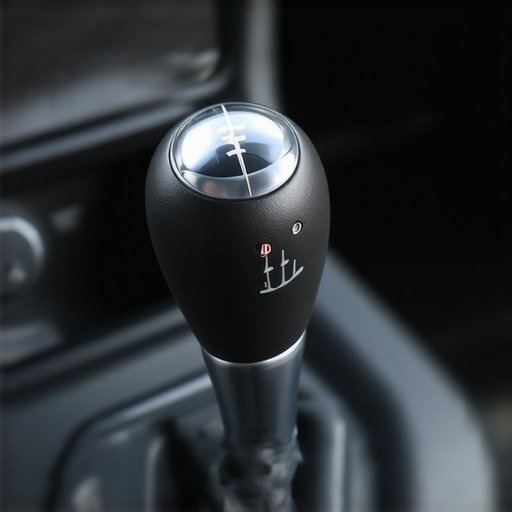
It was a chilly Saturday morning when I Finally sat in my car, ready to head out to run errands. I inserted the key into the ignition, turned it, and tried to shift my gear out of park—nothing. My heart sank. The shifter felt like it was glued in place, stubborn and unyielding. Frustration bubbled up. I knew I wasn’t alone in this experience; it’s a common problem that can catch even seasoned drivers off guard. That moment made me realize how important reliable gear shifting is to our daily lives, yet how easily we overlook its potential issues until they’re glaringly obvious.
The Hidden Struggles Behind a Stuck Gear Shifter
Having dealt with this firsthand, I understand how perplexing and inconvenient it can be. A gear shifter that won’t budge can throw off your entire day—getting to work late, missing appointments, or just feeling helpless in a simple task. But here’s the truth: this isn’t just about inconvenience. It’s often a sign that something’s going wrong under the hood, something you might be able to fix before it turns into a costly repair. Today, I’m here to demystify the problem and guide you through the steps to troubleshoot and resolve it, so you won’t be left stranded or frustrated.
Is This Issue Actually Worth the Fuss?
Let me be honest—at first, I thought my problem was just a minor glitch, maybe a sticky shifter or a simple cable issue. However, I made the mistake of dismissing early signs of more serious problems, like a failing brake interlock or transmission troubles. Skipping routine checks or delaying diagnostics can turn a manageable fix into a major headache. According to automotive experts, ignoring these symptoms could lead to further damage or even breakdowns. So, before you ignore the warning signs, read on. I’ll help you identify the root cause and decide whether to DIY or visit a professional, perhaps even verifying the credentials of your mechanic with this helpful guide on what ASE certification really entails.
Ready to get your shifter moving smoothly again? Let’s dive into what makes it stuck and how you can fix it fast.
Identify the Root Cause Before Starting
Understanding why your gear shifter is stuck helps you choose the right approach. Common reasons include a faulty brake interlock system, low transmission fluid, or mechanical failures. I once spent time troubleshooting my vehicle’s brake switch, which, if defective, can prevent shifting out of park. Check for obvious issues first—look for loose cables, broken shift locks, or fluid leaks—to avoid unnecessary repairs.
Ensure Safety and Prepare Your Workspace
Park your car on a level surface, turn off the engine, and set the parking brake. Use wheel chocks if necessary to prevent movement. Beyond safety, gathering the right tools—like screwdrivers, pliers, and possibly a jack—sets you up for a smoother repair. Remember, working under your car or in tight spaces demands caution—wear gloves and eye protection, especially when dealing with transmission components.
Check the Brake Light Switch and Interlock System
Test the Brake Pedal Sensor
With your foot on the brake, listen for the click of the brake switch or visually inspect it. If faulty, the system won’t recognize that the brake is engaged, locking your gear. To test, press the brake pedal while someone shifts out of park; if the brake lights don’t illuminate, the switch might need replacing. I replaced my faulty switch with a standard part, which took about 30 minutes and resolved the issue entirely.
Inspect the Shift Lock Solenoid
The solenoid releases the lock when the brake pedal is pressed. Use a multimeter to check for power supply when pressing the brake. If no power or it’s inconsistent, a wiring issue could be the culprit. Confirm the solenoid’s operation by manually activating it, which requires accessing the shift console or center console panel. Sometimes, a simple reset or adjustment is enough to restore function.
Verify Transmission Fluid Levels and Condition
Low or degraded transmission fluid can cause shifting issues. Locate the transmission dipstick, remove it, and check fluid level and color. If it’s dark or smells burnt, it’s time for an oil change. While checking, look for signs of leaks or contamination. Maintaining proper fluid levels not only helps in shifting smoothly but prolongs transmission life—consider regular oil changes for optimal performance. For a detailed procedure, this guide offers expert tips.
Assess Mechanical Components and Cables
If electrical checks out, the next step is inspecting the linkage and cables connecting the gear shift to the transmission. Look for broken or disconnected parts, rust, or debris. Applying penetrating oil can free stuck components. When I encountered a stiff shifter, cleaning and lubricating the linkage solved my problem temporarily, highlighting the importance of regular maintenance.
Test and Reset the System
Many vehicles have a manual shift lock release. Consult your owner’s manual for location and procedure, often involving a key or screwdriver to unlock the shifter. After repairs, reset the system by turning the ignition to Many car owners operate under widespread myths that can lead to costly mistakes, especially when it comes to maintaining vital components like transmissions and oil systems. One prevalent misconception is that all auto repairs and services are universally interchangeable, but the truth is more nuanced. For instance, believing that a basic oil change suffices for every vehicle model ignores the specifics of synthetic versus conventional oils, which can significantly impact engine health. Additionally, many assume that ASE certification guarantees a mechanic’s expertise in all areas, but it’s essential to understand what that certification truly entails—more on that later.
A common trap is relying solely on cheap, quick-service options, which may overlook critical diagnostics necessary for complex issues like transmission slipping or overheating. Skimping on thorough inspections can mask underlying problems until they escalate into expensive repairs. It’s also a mistake to think that only major repairs require professional intervention; timely preventive maintenance, such as regular transmission fluid replacements or filter changes, can prolong vehicle lifespan and prevent breakdowns.
Have you ever fallen into this trap? Let me know in the comments.
When it comes to transmission care, many drivers overlook the importance of understanding the difference between simple fluid exchanges and full flushes. A transmission flush might sound aggressive, but in some cases, it’s necessary to remove buildup that standard drain-and-fill methods can’t tackle. Misjudging this can lead to dirt and grime accumulating, which causes shifting issues over time. Consulting industry experts, like those behind transmission maintenance guides, emphasizes that knowing the vehicle’s specific needs is crucial.
Similarly, there’s a misconception around oil changes: many believe that once their car’s oil looks clean, it’s still good to go. However, synthetic oils can degrade chemically even if they appear clear, making regular, scheduled oil changes vital, especially for high-performance engines. This nuance is often missed by casual drivers who rely solely on the color or smell of the oil.
Regarding ASE certification, some assume it’s a blanket badge of quality, but in reality, it signifies passing a standardized test in specific skill areas. For comprehensive coverage, mechanics need multiple ASE certifications—one for engine repair, another for brakes, and so forth. To ensure you’re working with truly qualified professionals, check their credentials against clarity on what ASE entails. Remember, an ASE badge is a sign of a qualified technician, but verifying their specialization ensures your vehicle gets the right care.
The bottom line is that a deeper understanding of these nuances can save you money and extend your vehicle’s life. Don’t fall for oversimplified advice or myths that could harm your car. Staying informed and asking the right questions—such as what specific service your mechanic recommends—makes all the difference. For more insights on choosing the right service, visit this resource. Keep learning, stay cautious, and your vehicle will thank you.
Investing in Quality Tools for Reliable Maintenance
Personally, I rely heavily on a digital torque wrench when working on transmission components. Unlike manual wrenches, a digital torque wrench provides precise torque settings, ensuring bolts are tightened to manufacturer specifications, which is critical for avoiding leaks or failures. I also recommend an automotive scan tool, like the ScanGauge II, which connects easily to your vehicle’s OBD-II port, allowing you to monitor live transmission data and diagnostic trouble codes in real-time. This helps in early detection of potential issues, saving you from costly repairs down the line.
Harnessing Software for Predictive Care
Beyond physical tools, I utilize specialized diagnostic software such as Torque Pro or OBDLink, which display transmission fluid temperature, pressure, and shift timing. Regularly reviewing this data enables me to spot anomalies before they become serious problems—like sluggish shifting or overheating. In my experience, consistent monitoring with these tools extends the lifespan of my transmission significantly. Looking ahead, advancements in vehicle telemetry and AI predictive analytics promise even smarter maintenance, potentially warning us of failures days or weeks in advance.
How do I maintain my transmission over time?
Ensuring long-term transmission health involves scheduled fluid changes, using the correct synthetic fluid tailored to your vehicle’s specifications, and periodic software updates when available. Always consult your owner’s manual or trusted service advisors—like those verified through ASE-certified professionals—for tailored advice. Additionally, inspecting the transmission fluid color and smell regularly helps identify early signs of trouble; dark, burnt-smelling fluid signals the need for replacement. Keep in mind, I personally use a fluid test kit from OTC Tools, which allows me to sample and analyze my transmission fluid at home—an underrated step in proactive maintenance.
Refining Your Approach with Expert Tips
One tip I swear by is implementing a transmission flush every 30,000 miles, which effectively removes contaminants and prolongs component life. While many assume simple drain-and-fill suffices, I’ve found that full flushes, performed by qualified ASE-certified technicians, drastically improve shifting performance. Remember, the future of car maintenance will likely shift toward integrated sensor networks and remote diagnostics, enabling even more proactive care. So, investing in the right tools now, and understanding their proper usage, puts you miles ahead.
If you’re ready to get serious about maintaining your transmission, start by testing your fluid’s condition with a reliable analysis kit and consider scheduling a professional flush with certified experts. This approach not only enhances safety but assures your vehicle remains dependable for years to come. For more tips on critical car maintenance practices, visit this resource.
Often, the tiniest oversight or misconception can turn a smooth-running transmission into a source of stress and expense. Over my years of working with vehicles, I’ve seen how a small misunderstanding — like assuming an oil change lasts forever or that all ASE-certified mechanics are equally qualified — can lead to costly setbacks. The experience of troubleshooting my own stuck gear shifter taught me the importance of personalized, informed maintenance instead of relying solely on generic advice. This journey revealed that genuine knowledge combined with the right tools makes all the difference in ensuring your transmission remains healthy and responsive.
The Hardest Lessons About Transmission Care that No One Tells You
- Not all ASE certifications are equal. Just because a mechanic has a badge doesn’t mean they’re specialized in transmissions. Always verify their specific expertise via this guide.
- Routine fluid checks trump guesswork. Many overlook the significance of checking transmission fluid regularly. Dark, burnt-smelling fluid is often the first sign of impending trouble, as I learned from my own experience.
- A transmission flush isn’t just a quick fix. Performed by qualified technicians, it can prevent contaminant buildup, but misuse or unnecessary flushes can cause more harm than good. Trust expert guidance, not myths.
- Tools and software are game changers. Using diagnostic tools like OBDLink or Torque Pro can help you monitor your transmission’s health before symptoms worsen—saving money and stress.
- Prevention is better than cure. Regular maintenance tailored to your vehicle, along with understanding its specific needs, keeps your transmission performing at its best for years to come.
Gear Up with the Right Resources for Transmission Success
Over the years, I’ve discovered some tools and references that truly elevate my maintenance game. For a start, this comprehensive guide helped me understand why scheduled oil changes are so vital—not just for engines but for transmissions as well. My trusted toolkit includes a digital torque wrench, which ensures bolts are tightened precisely, preventing leaks or mechanical failures. For diagnostics, the ScanGauge II has provided early warnings of shifting issues that I might have otherwise missed. And books like Automotive Transmission Repair by Paul Dempsey have deepened my understanding of transmission intricacies—something I recommend to anyone serious about vehicle longevity.
Keep Your Transmission Thriving—you’ve Got This
While the road to consistently reliable transmission performance might seem daunting at first, remember that small, informed steps lead to significant long-term benefits. Regularly checking vital fluid levels, consulting trusted resources, and investing in quality tools empower you to avoid roadside surprises. The future of vehicle maintenance is leaning toward smarter, preventative care—embrace the change, and your transmission will thank you for it. Start today with a simple fluid analysis or by scheduling a professional transmission check—don’t wait until a minor issue becomes a major repair. What’s one transmission maintenance step you’re ready to implement this month? Share your plans below and let’s keep our vehicles running smoothly together.