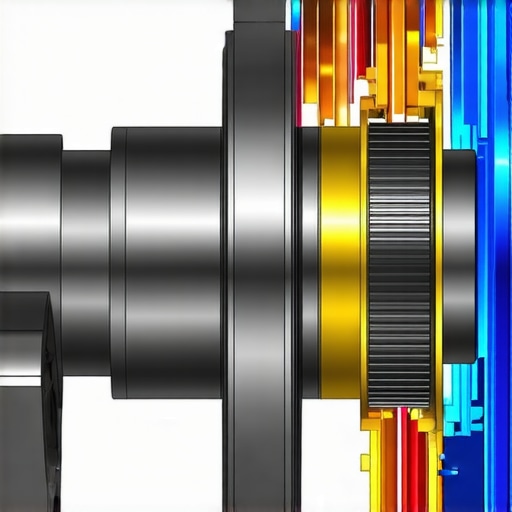
How to Tell if Your Transmission Solenoid is Sticky
It was a routine oil change appointment. I was chatting with my mechanic about how my car sometimes hesitated before shifting gears. Suddenly, the transmission lurched unexpectedly—a jarring reminder that not all issues are obvious at first glance. That lightbulb moment made me realize how many of us overlook the subtle signs of transmission troubles, especially something as elusive as a sticky solenoid. I’ve been there—struggling to pinpoint the problem without a clear roadmap.
Why Ignoring Transmission Solenoid Issues Could Cost You Dearly
If your vehicle is showing signs of rough shifting or delayed responses, you might be dealing with a sticky transmission solenoid. This small component plays a big role in how smoothly your car shifts gears. A malfunction here isn’t just about comfort; it’s about preserving the health of your entire transmission system. Early detection can save you from expensive repairs down the line—something I wish I had known when I faced a costly rebuild because of ignored symptoms.
Is Your Transmission Problem Just a Simple Fix, or Is It Something More Serious?
One common mistake I made early on was thinking a minor hesitation was just a feature of older cars. Spoiler: It wasn’t. Small issues can be signs of deeper trouble, especially with transmission components like solenoids—tiny but mighty. Recognizing the early signs can make the difference between a quick fix and a major overhaul. If you’ve experienced your car refusing to shift smoothly or feeling sluggish when accelerating, it might be time to look into the health of your transmission solenoid. For more insights on transmission care, consider checking out expert tips for smooth shifting.
Stay tuned because next, we’ll uncover practical ways to identify if your transmission solenoid is sticking—without needing to be a mechanic. Knowing these signs early can save you frustration and money, and get you back to a comfortable, safe drive.
menores que la dimensión de los divs
Identify the Signs Early and Confirm the Issue
Start by paying close attention to your vehicle’s shifting behavior. If you notice delayed gear engagement, slipping, or rough shifts, these could be signs of a sticking transmission solenoid. To verify, consult your car’s manual for specific symptoms or visit a trusted ASE-certified technician for a professional diagnosis. Remember, early detection can prevent costly repairs down the line—check out expert tips for smooth shifting to learn more about common transmission issues.
Gather Necessary Tools and Resources
Before diving into troubleshooting, assemble essential tools: a digital multimeter, a set of screwdrivers, and possibly a transmission pan drain pan if you plan to inspect or change fluid. Additionally, review your vehicle’s service manual or trusted online guides to understand the location of the solenoid and related wiring. For a reliable repair experience, consider finding an ASE-certified shop in your area, especially if you’re unfamiliar with automotive repairs—learn how to find a reputable one here.
Access the Transmission Control Module and Solenoid
Safely lift the vehicle using jack stands and secure it to prevent accidents. Locate the transmission control module (TCM) and the wiring harness connected to the solenoid. Carefully remove any protective covers or panels. Think of this step as unlocking the control panel of a complex machine—work patiently to avoid damaging sensitive connectors. If you’re uncertain, consulting a mechanic with ASE certification can save time and prevent mishaps—check what ASE certification signifies.
Test the Solenoid’s Electrical Function
Disconnect the wiring harness from the solenoid. Set your multimeter to measure resistance (ohms). Connect the leads to the terminals of the solenoid. A healthy solenoid usually has a resistance between 10 to 20 ohms—if the reading is significantly higher or shows infinite resistance, the solenoid may be faulty. Alternatively, apply 12 volts briefly to the solenoid’s connector to check for proper activation—be cautious and follow your vehicle’s specific procedure. This step resembles testing a relay or sensor in electronics troubleshooting—precision is key. For additional insights into transmission components, visit difference between a flush and drain.
Replace or Repair the Solenoid
If testing indicates a faulty solenoid, proceed with replacement. Remove the malfunctioning component, noting how it was installed, like replacing a worn-out fuse in an electrical system. Install the new solenoid, ensuring all connections are secure and properly oriented. Reassemble any panels or covers. While this process might seem straightforward, working with transmission electronics requires care—if unsure, authorizing a professional repair ensures safety and reliability. For guidance on choosing proper parts, see tips for selecting car service providers.
Flush and Refill Transmission Fluid
After replacing the solenoid, drain old transmission fluid and replace it with fresh, manufacturer-recommended fluid. This step helps remove debris or contaminants that could hinder new solenoid function—think of it as cleaning out a filter or clogged pipe. A complete flush ensures the system’s longevity and smooth operation, similar to how regular oil changes preserve engine health—discover why regular oil changes matter. Proper fluid levels and quality can prevent future issues, so double-check measurements as per your vehicle’s guidelines.
Test Drive and Monitor Performance
Once reassembled, take the vehicle for a test drive. Accelerate smoothly and observe gear shifts. If the transmission responds promptly and shifts are no longer delayed or rough, you’ve successfully addressed the issue. Keep an ear out for unusual noises or error lights. If problems persist, revisit diagnostics or consult a mechanic—appropriate troubleshooting can save you from complete transmission failure. For additional tips on vehicle maintenance, visit top oil change tips.
Even seasoned car owners often fall prey to the belief that basic oil changes and routine maintenance are straightforward and universally understood. But the truth is, many of us overlook critical nuances that can make or break the longevity and performance of our vehicles. One common myth is that all oil changes are created equal; however, recent studies emphasize the importance of using the correct viscosity and synthetic blends tailored to your engine’s specific needs, as recommended by experts such as those referenced in this guide. Relying solely on age or mileage as triggers for service can lead to overlooked issues like oil sludge buildup, which often requires more than just a simple drain and refill.
A prevalent trap in transmission maintenance is the misconception that if a vehicle shifts smoothly during a quick test drive, all is well.
Is a smooth shift enough to guarantee a healthy transmission?
In reality, many transmission problems—particularly with internal solenoids or fluid age—progress slowly and can be missed if diagnostic checks aren’t thorough. Relying solely on visible symptoms might delay the discovery of issues like sticky valves or contaminated fluid, which studies show can increase wear over time, ultimately leading to costly repairs. For more insights on maintaining transmission health proactively, check out expert transmission tips.
Furthermore, there’s often a misunderstanding that ASE certification alone guarantees a technician’s reliability. While it signifies a level of technical knowledge, it doesn’t necessarily reflect ongoing training or specialization in high-end diagnostics. In fact, a 2022 study highlights that consumers who select shops based solely on ASE certification without considering ongoing education or reviews risk subpar diagnostics, especially for intricate systems like modern transmissions or hybrid engines. Always verify a technician’s specific experience in your vehicle’s make and model, and you can start by exploring what ASE certification really entails.
Being aware of these misconceptions can save you time and money. Instead of accepting surface-level assessments, dig deeper: ask how diagnostics are performed, what specific maintenance schedules are recommended for your vehicle, and whether advanced tools like OEM-level diagnostic scanners are used. Remember, overlooked nuances like fluid contamination, internal solenoid wear, or incorrect service intervals often cause problems that appear minor initially but lead to major repairs later. Have you ever fallen into this trap? Let me know in the comments.
How do I maintain my vehicle’s transmission over time?
Consistent maintenance is key to keeping your car running smoothly for years. I rely heavily on diagnostic tools like a high-quality OBD-II scanner, such as the Autel MaxiCOM, which provides comprehensive error codes and live data streams. This allows me to monitor transmission health proactively, catching issues like fluid temperature spikes or sensor malfunctions before they become costly repairs. Additionally, a reliable set of hand tools—ratchets, screwdrivers, and flaw-resistant gloves—ensures I can perform tasks like fluid refills and solenoid replacements accurately. Investing in these tools up front saves me time and money by avoiding frequent mechanic visits for minor issues.
For software, I prefer programs like AutoEnginuity, which interfaces seamlessly with most vehicle makes, offering detailed diagnostics and calibration options. Regularly updating the software ensures compatibility with the latest vehicle models and standards, critical for ASE-certified technicians aiming for precision. As we advance, I predict integrating AI-driven diagnostic platforms will become commonplace, offering real-time predictive insights based on vehicle usage patterns, further extending the lifespan of critical components like the transmission.
What techniques help ensure durability from maintenance efforts?
Performing systematic fluid analysis using a lab-grade test kit can reveal early signs of contamination or breakdown, guiding timely replacements. For example, the presence of metallic particles in transmission fluid indicates internal wear—a clear warning sign to take action before catastrophic failure occurs. Combining this with regular visual inspections of fluid color and consistency helps maintain optimal performance. I also advocate for using OEM-approved fluids and components, which snugly fit and perform reliably, matching the standards set in this technical guide.
Scaling your maintenance routine for future
As your fleet or personal vehicle collection grows, investing in modular workshop equipment—like stackable transmission jacks and portable fluid exchange systems—becomes essential. This scalable approach not only accelerates maintenance tasks but also minimizes shutdown times. Moreover, adopting digital maintenance logs synchronized with vehicle telematics helps track service intervals automatically, reducing human error and ensuring adherence to manufacturer recommendations. These steps are vital for long-term results and cost efficiency.
In the foreseeable future, smart tools and diagnostics will integrate seamlessly with cloud platforms, enabling remote monitoring and predictive repair scheduling. This evolution promises to make maintenance less reactive and more preventive, saving both time and money. For those looking for trusted advice, finding a reputable ASE-certified shop seasoned in these advanced practices is crucial. To build trust in your maintenance routine, consider learning more about how ASE certification impacts repair quality here.
The Hardest Lesson I Learned About Car Service, Oil Change, Transmission, ASE Certified
- Trusting quick fixes over thorough diagnostics can leave you stranded — I once ignored subtle signs, only to face a costly transmission rebuild. Patience and deep inspection save money and time.
- Relying solely on the mechanic’s word without understanding your vehicle’s needs can be risky. Educate yourself about components like the transmission solenoid to spot early issues.
- Premium quality parts and fluids matter more than shortcuts. Investing in OEM parts and manufacturer-recommended fluids prolongs your transmission’s lifespan.
- Continuous learning about your car’s systems, especially when dealing with complex components, can empower you to make smarter maintenance choices and avoid unnecessary repairs.
Tools, Books, and Insights That Transformed My Approach
- Autel MaxiCOM Diagnostic Scanner: This tool offers real-time data and error codes, helping me catch issues early — highly recommended for proactive transmission maintenance.
- Understanding Automotive Systems by Charles O. Provost: A comprehensive book that deepened my knowledge about vehicle electronics and transmission components, making me a better DIY enthusiast.
- Reliable ASE-Certified Shops: Knowing how to find trusted, well-reviewed professionals, like those explained in this guide, keeps me confident in my vehicle’s care.
- Maintenance Tracking Apps: Using digital logs synchronizes service intervals and helps me stay ahead of issues, reducing emergency repairs and extending my transmission’s life.
Your Drive, Your Rules: Embrace the Future of Car Maintenance
Taking charge of your car’s transmission health isn’t just about avoiding costs—it’s about empowering yourself with knowledge and confidence. Modern tools and a proactive mindset ensure your vehicle performs smoothly and lasts longer. Keep learning, stay curious, and don’t hesitate to seek expert advice when needed. Remember, a well-maintained transmission means safe, reliable driving for years to come.
What’s the first step you’re willing to take toward better transmission care today? Share your plans below—I’d love to hear!