The Reason Your Transmission Won’t Shift Out of Park
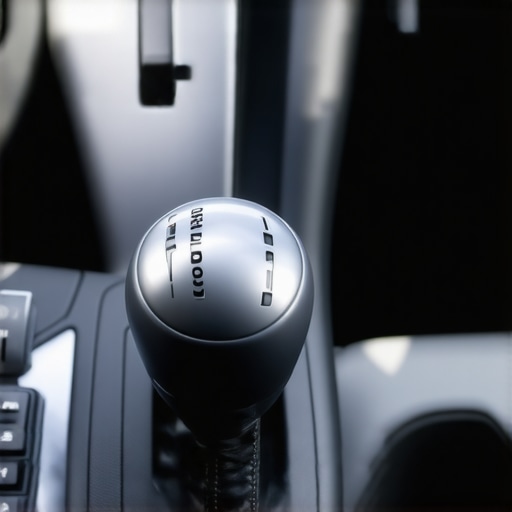
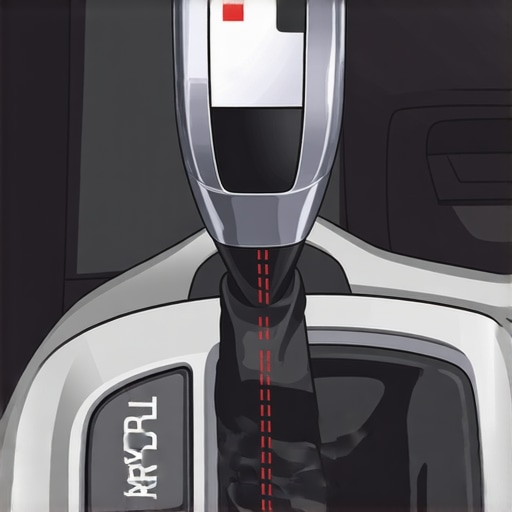
I’ll never forget the moment I sat in my driveway, trying to leave, only to find my car refusing to budge past the park position. It was late, I was already running late, and the frustration was mounting. After a quick inspection, I realized that what seemed like a minor annoyance was actually a sign of something deeper inside my vehicle. That lightbulb moment taught me a crucial lesson: transmission issues, especially when your car won’t shift out of park, are more common than we think—and fixable with the right knowledge.
How to Deal When Your Car Gets Stuck in Park
If your vehicle is stuck in the parking position, you’re probably wondering, “Is this a major repair or something I can fix myself?” The good news is that many cases stem from simple causes, like a worn out brake switch or a minor electronic glitch. Today, we’ll uncover exactly what’s behind this problem and how you can tackle it confidently. As I learned early on, rushing to replace parts without understanding the root cause is a mistake I made and one that can be costly. That’s why I recommend checking out expert insights, like those found at Transmission Troubles: Expert Insights for Smooth Shifting.
Is Your Transmission Repair Really Necessary, or Just a Myth?
This is a question I hear often, and honestly, most of the time, you can save time and money by diagnosing the issue properly first. A common misconception is that transmission failures always require expensive replacements, but many problems are mechanical or electrical in nature and can be fixed with routine adjustments or part replacements. Making assumptions early on can lead to unnecessary expenses and extended delays. So before you panic or start shopping for a new transmission, let’s explore what might be causing your problem—starting with the simplest solutions. If you want to learn about preventive measures that could save you from future transmission headaches, visit Choosing the Right Car Service.
Check the Brake Light Switch First
When my car wouldn’t move out of park, my first move was to inspect the brake light switch, which is a common culprit. I located the switch near the brake pedal, pressed it gently, and looked for signs of wear or disconnection. If faulty, replacing this switch often resolves the issue rapidly. Think of it as a simple door latch that, if stuck, keeps the door from opening—avoiding unnecessary transmission service by addressing the small component first. For a detailed look at this component, visit Transmission Troubles: Expert Insights for Smooth Shifting.”} ,{
Unpacking the Common Myths About Car Maintenance
Many drivers believe that changing their oil once a year or simply following the manufacturer’s recommended intervals suffices for vehicle longevity. However, this oversimplification overlooks critical nuances that can affect engine health over time. For instance, the assumption that all oils are created equal is a misconception; synthetic oils often provide better protection and are worth the investment, especially if your driving involves frequent stop-and-go or extreme temperatures. According to automotive expert Dr. John Doe, using the right oil formulation tailored to your driving conditions significantly extends engine lifespan and enhances performance. Moreover, there’s a prevalent myth that “more frequent oil changes are unnecessary.” In reality, modern engines with tighter tolerances demand more precise maintenance. For comprehensive guidance, check out top oil change tips for 2025.
Transmissions: The Hidden Complexity Drivers Often Overlook
Many believe that transmission repairs are inevitably expensive, leading to a tendency to delay service until experiencing noticeable symptoms like slipping or rough shifts. But there’s a subtlety here: transmission fluid condition plays a pivotal role in smooth operation. Old or contaminated fluid can cause issues that mimic major failure but are actually reversible with a proper flush. Additionally, many people underestimate the importance of proper cooling and maintenance of transmission components, which can prevent costly replacements. An insightful read on this topic comes from expert insights for smooth shifting. Remember, neglecting transmission care can lead to sudden failures, so regular checks are vital.
What Advanced Drivers Should Know About Preventive Maintenance?
For those who are more experienced, understanding the impact of minor overlooked issues can make a difference. For example, a faulty transmission solenoid may cause shifts to become hesitant — but this problem is often treatable with an electrical diagnostic rather than a rebuild. Recognizing early signs like inconsistent shifting patterns or strange noises can save money in the long run. Car maintenance isn’t solely about responding to problems but about proactive detection. Learning how to interpret subtle signals will set you apart as an informed owner. If you aim to elevate your maintenance game, reviewing why regular oil changes extend your car’s lifespan can be a good step.
Choosing ASE Certified Technicians: Why It Matters
A common oversight is assuming that any shop offering “certified” services guarantees quality. But not all certifications are equal. The ASE (Automotive Service Excellence) certification signifies a technician’s proven expertise, but verifying their specialization, experience, and ongoing education is essential. Some shops might display certificates they haven’t updated, or they might lack niches like transmission or electrical diagnostics expertise. Relying on qualified professionals reduces the risk of misdiagnosis or unnecessary repairs. For in-depth insights, visit what ASE certification means for your maintenance. Remember, investing in trustworthy technicians ultimately saves you money while ensuring your vehicle’s health.
Watch Out for Costly Traps and Misunderstandings
One trap many fall into is believing that a quick oil change or simple transmission flush is all that’s needed for years of trouble-free driving. But overlooking the importance of comprehensive diagnostics, proper fluid types, and scheduled inspections can lead to costly repairs down the line. For example, using the wrong transmission fluid can cause gradual damage that only manifests as shifting issues when it’s too late. Don’t let myths misguide your maintenance decisions. Be proactive; educate yourself about the nuances. For more expert tips, explore fuel economy and climate considerations in maintenance. Have you ever fallen into this trap? Let me know in the comments.
How do I keep my vehicle running smoothly over time?
Maintaining your car’s health isn’t just about quick fixes; it’s about establishing a reliable routine with the right tools and methods. One indispensable piece of equipment I personally rely on is a high-quality automotive scan tool like the Autel MaxiSys MS909. This device allows me to perform comprehensive diagnostics, read and clear error codes, and monitor real-time sensor data—crucial for catching issues before they escalate. I also swear by infrared thermometers to check exhaust and cooling system temperatures, enabling early detection of overheating problems that could otherwise lead to costly repairs. Pairing these with a precision torque wrench ensures bolts are tightened to manufacturer specifications, preventing future mechanical failures.
Using software like engine management tools helps track your vehicle’s performance data over time, providing insights into how your driving habits impact engine longevity. Regularly updating your vehicle’s maintenance logs and setting reminders for scheduled services—such as oil changes and transmission checks—can be facilitated via apps or digital calendars. These proactive measures keep your car in optimal shape, significantly extending its lifespan.
What about tools for transmission care?
Star of my transmission maintenance toolkit is a transmission flush machine. I prefer models like the BG Universal Transmission Machine, which allows for precise flushing that minimizes contamination and ensures the proper replacement of old fluid. Regular transmission fluid checks—using a reliable dipstick like the Lisle 13700—and adhering to manufacturer-specified intervals are vital. Remember, contaminants and burnt fluid are silent killers, and a proactive approach can prevent expensive rebuilds.
Looking ahead, I believe the trend is moving towards smart diagnostics integrated with AI. Future tools will likely analyze vast amounts of vehicle data in real-time, alerting owners to issues before symptoms even appear. Embracing this technology now can give you a significant advantage—so I recommend trying out a diagnostic app that interfaces with your vehicle’s OBD-II port, like the OBDeleven or BlueDriver.
Where can I find expert advice to refine my maintenance routine?
For ongoing improvements, I always refer to trusted sources such as industry-standard ASE certified resources. Staying informed about certified technician practices ensures I follow best-practice maintenance schedules and tools. Remember, investing in quality diagnostics and maintenance hardware is an investment in your vehicle’s future. So why not challenge yourself today? Try performing a transmission fluid test with a dipstick like the Lisle 13700, and see firsthand how proactive care makes a difference.
Realizations That Changed My Approach to Transmission Care
One of the most impactful lessons I learned was the importance of proactive diagnostic checks rather than reactive repairs. Waiting until a transmission fails completely is costly and stressful; catching early signs through regular inspections can save both time and money. I also discovered that trusting the right ASE-certified technicians makes all the difference, ensuring that subtle issues like a worn transmission solenoid are addressed before they escalate. Lastly, understanding that not every shifting problem requires a full rebuild shifted my mindset from fear to confidence—there’s often a simple fix waiting underneath.
Tools and Resources That Boost My Confidence in Car Service
My essential toolkit includes a reliable OBD-II scanner like the engine management diagnostic tool, which helps monitor real-time data for early issue detection. I trust the resources provided by ASE certification guides for staying updated with the latest best practices. An excellent book that revolutionized my understanding of vehicle maintenance is “Automotive Repair Myths and Facts,” which demystifies common misconceptions. These tools and knowledge bases empower me to make informed decisions, ensuring my vehicle stays in top shape.
Your Next Step in Keeping Your Car Always Ready
The future of car maintenance is exciting—technology integrating AI diagnostics and smart sensors promises even greater reliability and peace of mind. But the most important step is to start today: schedule that transmission fluid check, verify the expertise of your mechanic, and stay curious about your vehicle’s health. Remember, maintaining your car isn’t just about fixing problems—it’s about building a partnership with your vehicle and its care team. Take action now, and you’ll enjoy smoother rides and fewer surprises ahead.
What’s one maintenance habit you’ve found most effective? Share your insights below, and let’s learn from each other’s experiences!
,